East Serengeti
The East Serengeti is a seasonal masterpiece that transforms into a lush, green eden from November to May. Home to the world-famous Gol Kopjes, this region boasts the highest concentration of cheetahs in Africa and offers the park's most exclusive "off-the-beaten-path" adventure.
Details
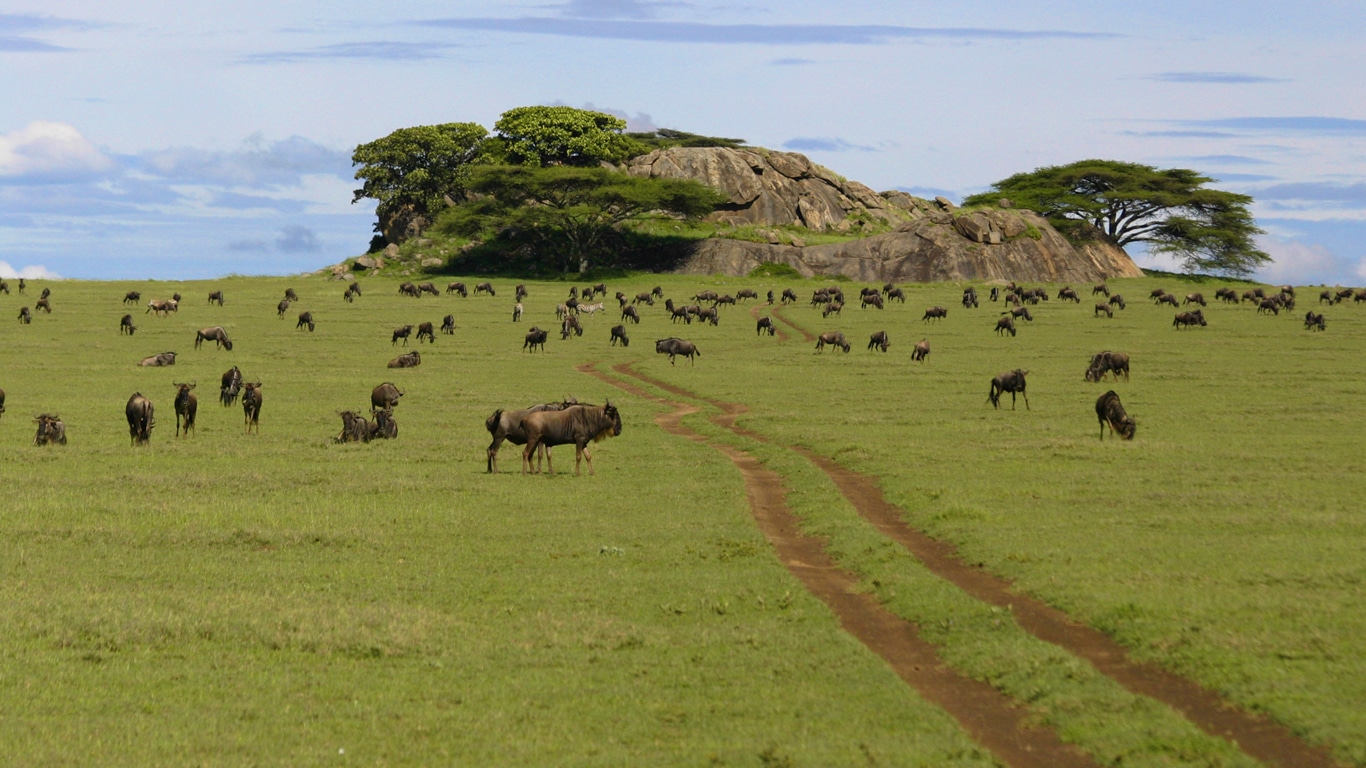
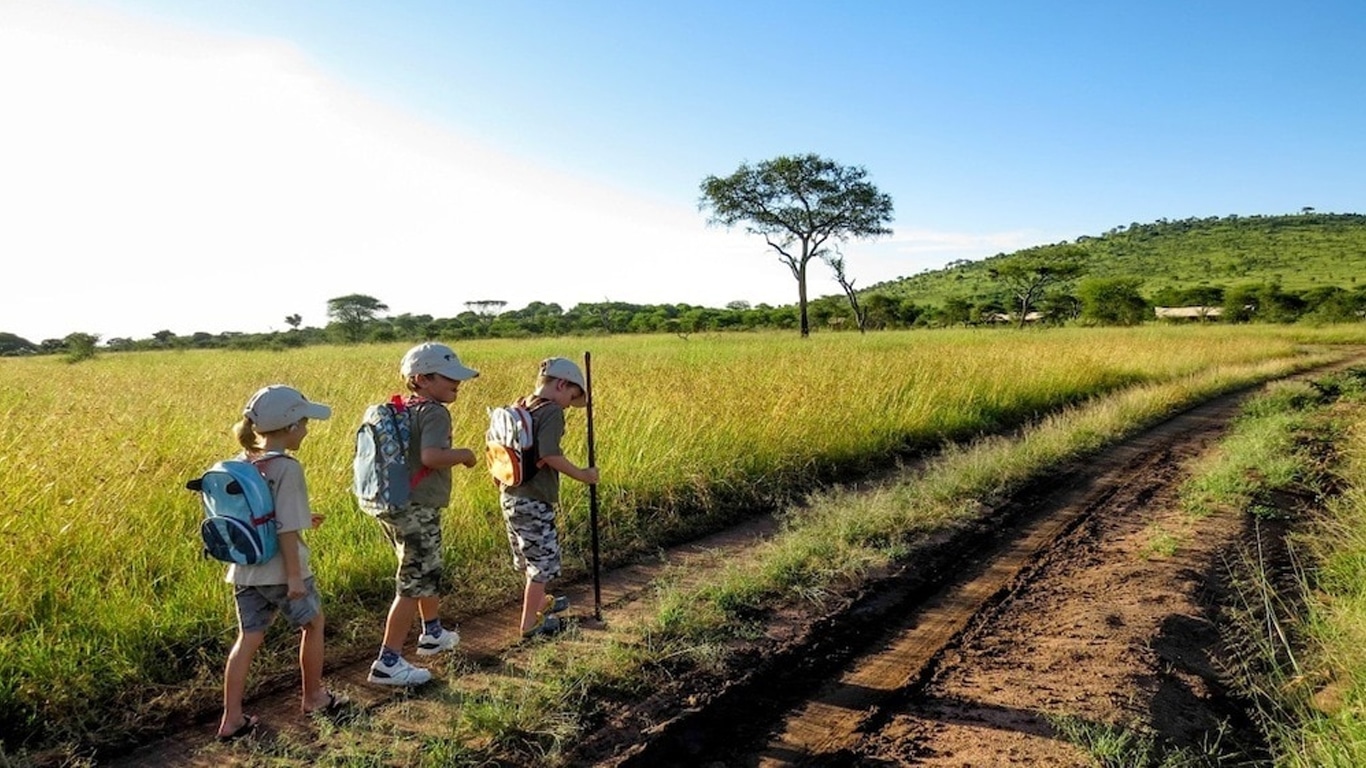
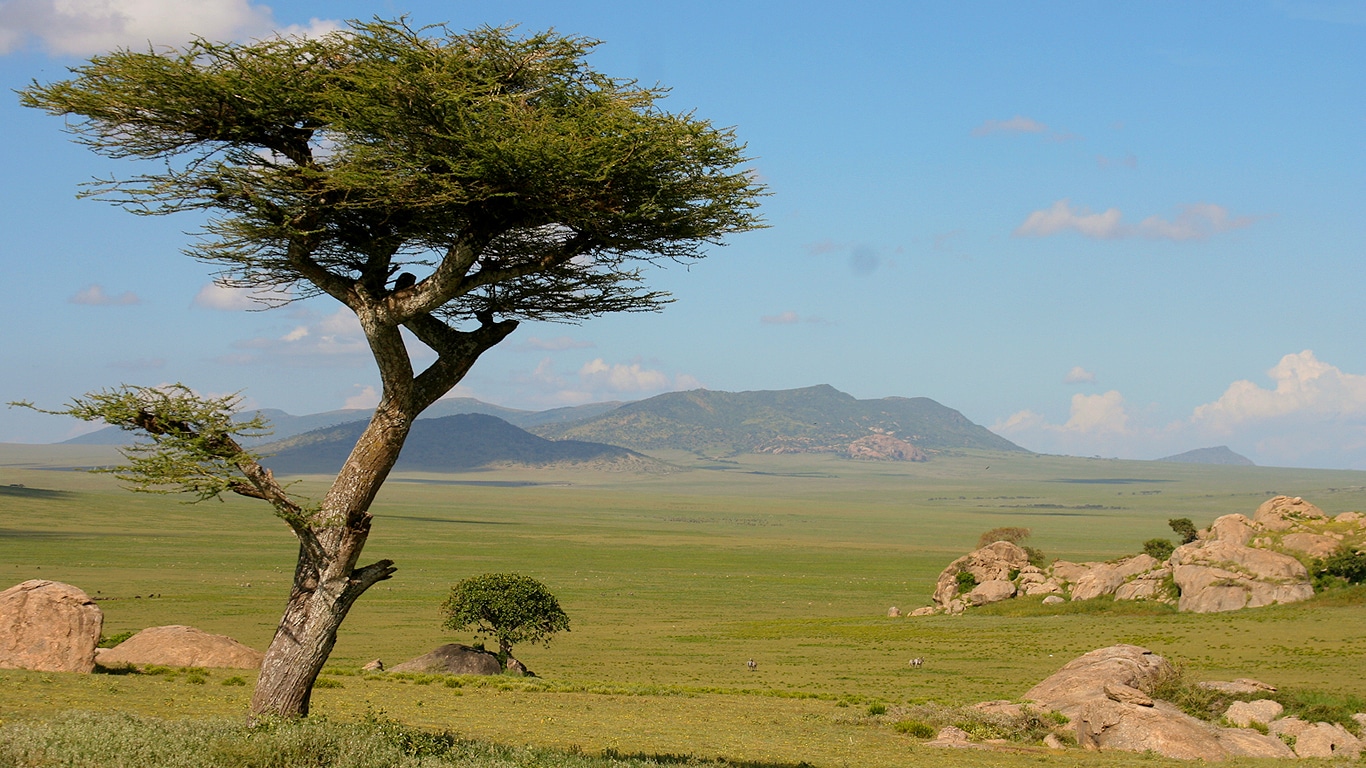
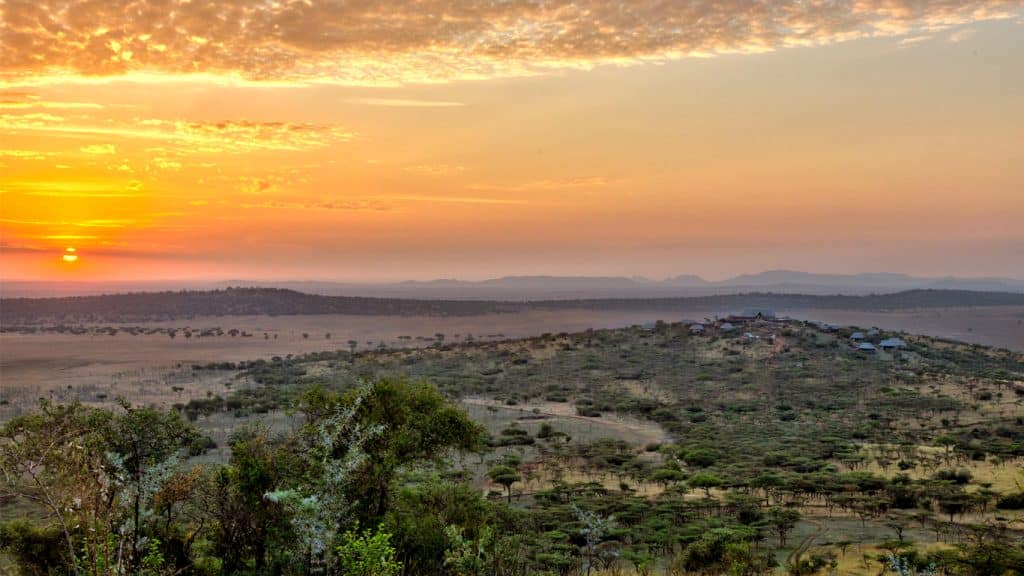
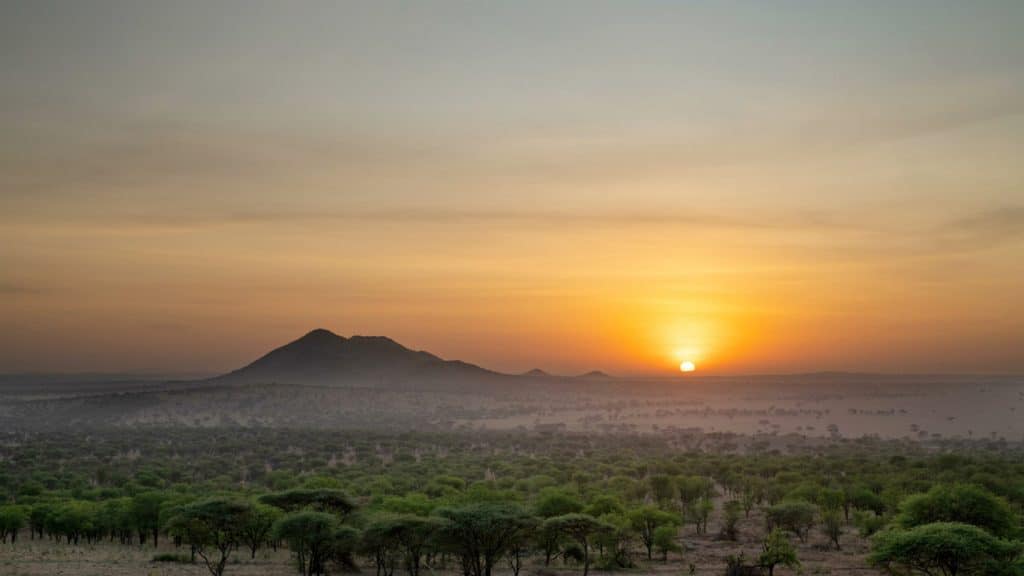
The Eastern Plains are a massive, 3,200-square-mile expanse stretching from Naabi Hill all the way to the Ngorongoro Highlands and the active volcano, Mount Lengai. While these plains appear as a parched, semi-desert “moonscape” during the dry season, the arrival of the rains in November triggers an explosion of life. This is the Serengeti’s most seasonal region; it is only during the “green season” (November–May) that it becomes a prolific wildlife theater. For the adventurous traveler, the East offers a stunningly beautiful, remote wilderness that feels worlds away from the more traveled central circuits.
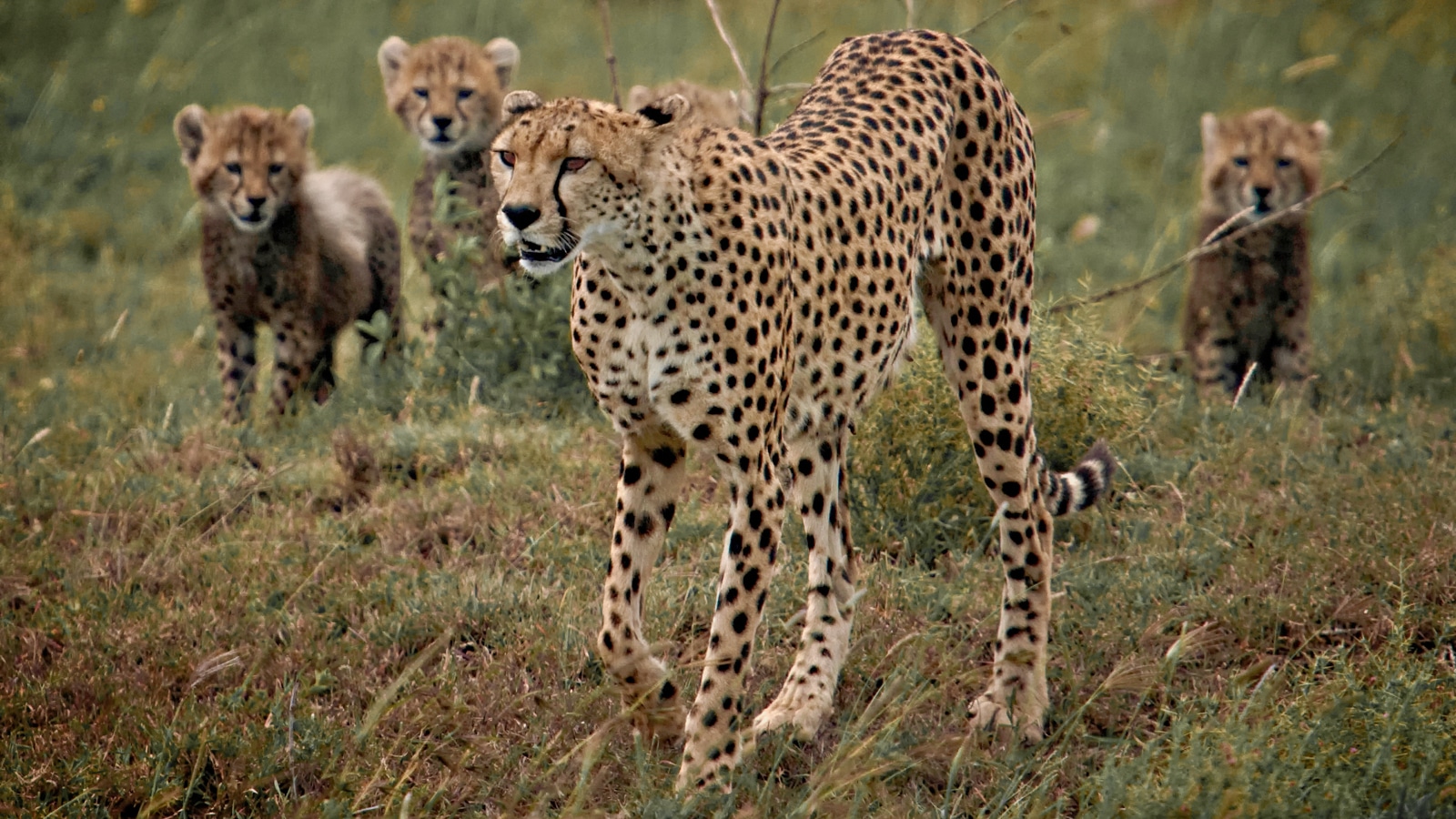
The Cheetah Capital of Africa
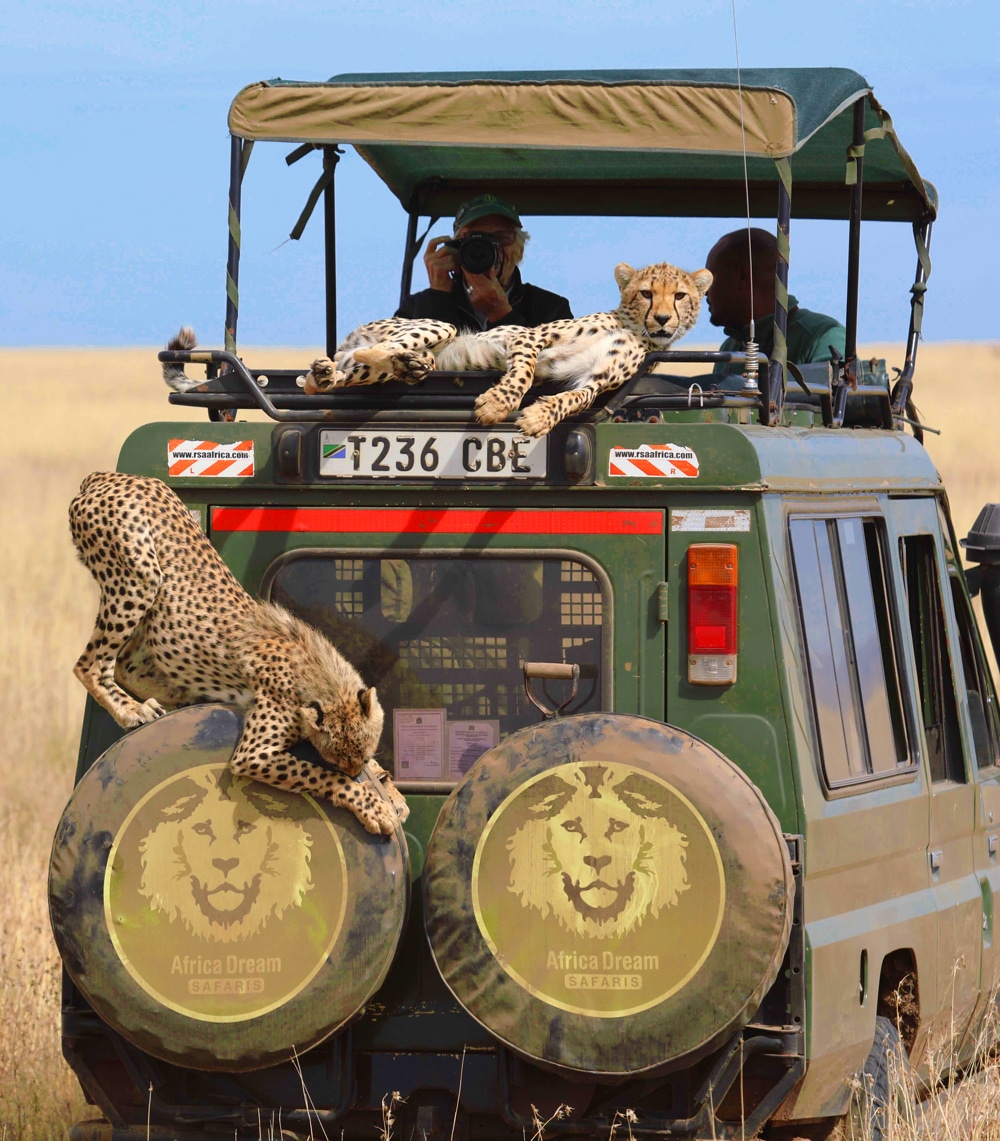
The crown jewel of the East is the Gol Kopjes. These ancient granite outcrops act as the primary hunting grounds for the highest concentration of cheetahs in Africa.
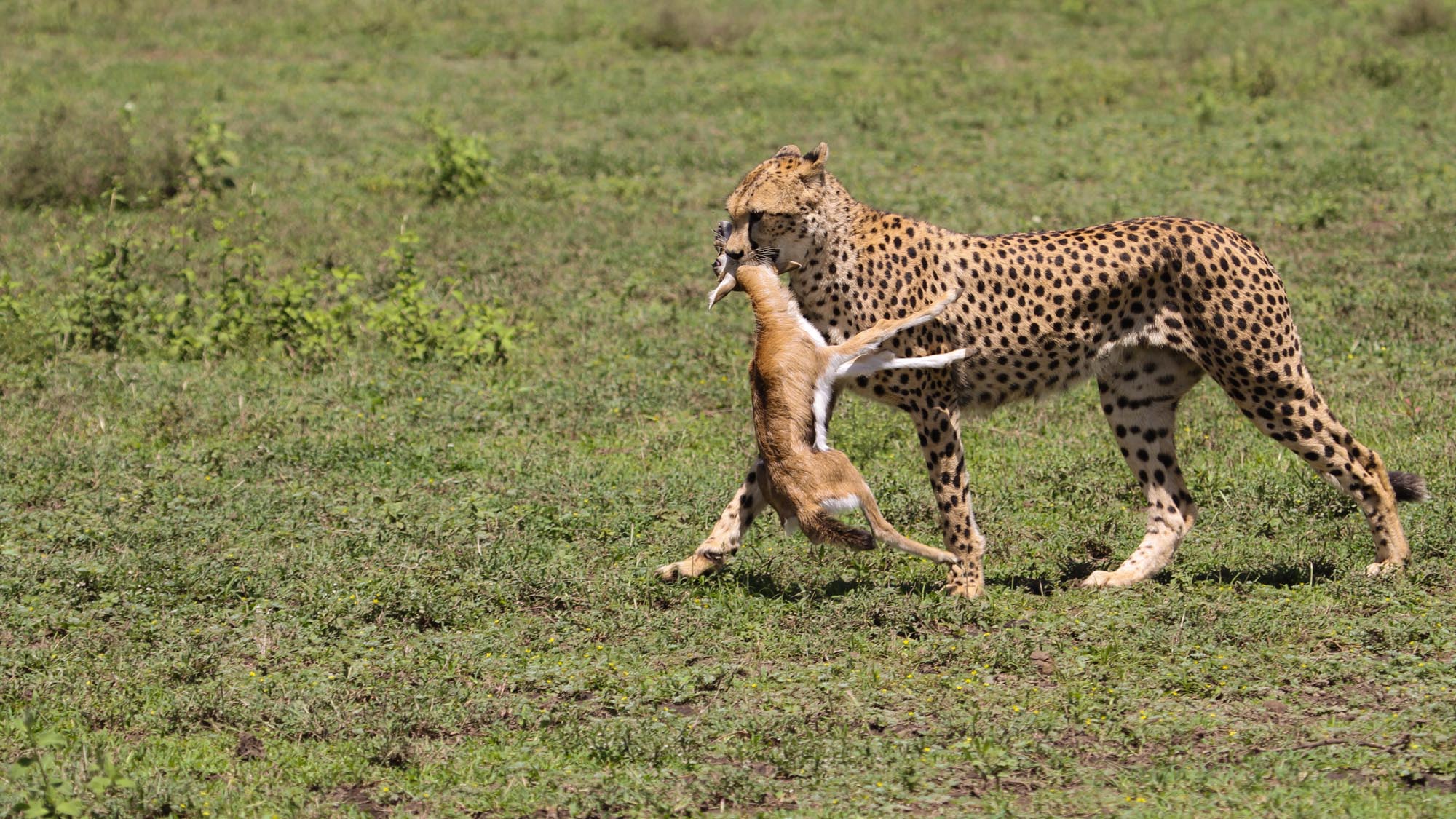
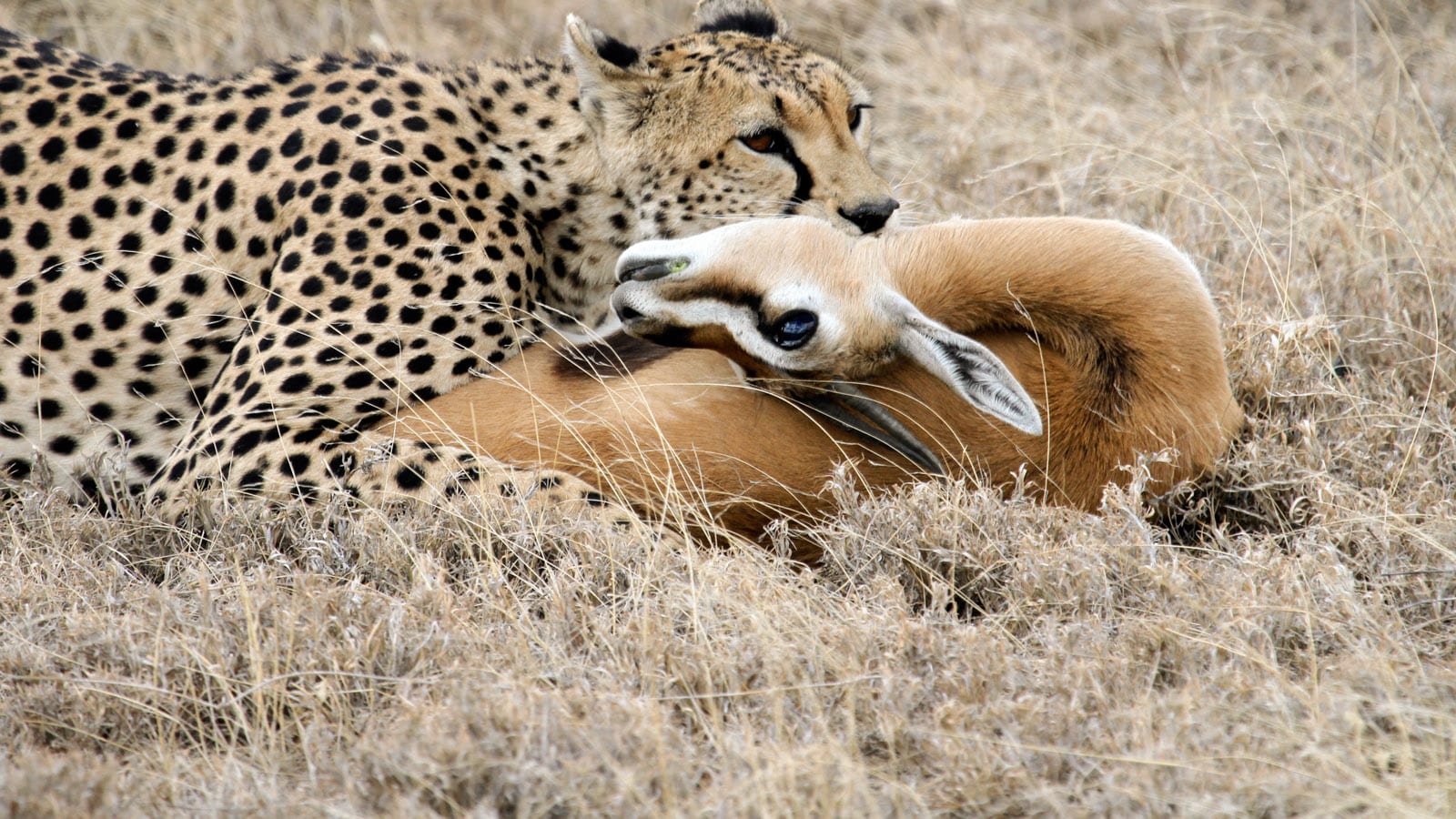
- The Gazelle Connection: Unlike the resident cats of the woodlands, the East’s cheetahs are largely migratory, following the massive herds of Thomson’s Gazelle to the short-grass plains.
- The Hunt: Being strictly diurnal (daytime) hunters, the open horizons of the East provide the perfect stage to witness the world’s fastest land animal sprinting in pursuit of its prey.
- Ethical Viewing: Because cheetahs are incredibly fragile, visitors are urged to maintain a respectful distance. Over-eager vehicles can cause mothers to abandon their cubs or their hard-earned kills.
Predators and the “Commuters”
The East is not just for cheetahs; it is the center of predator activity during the wet season:
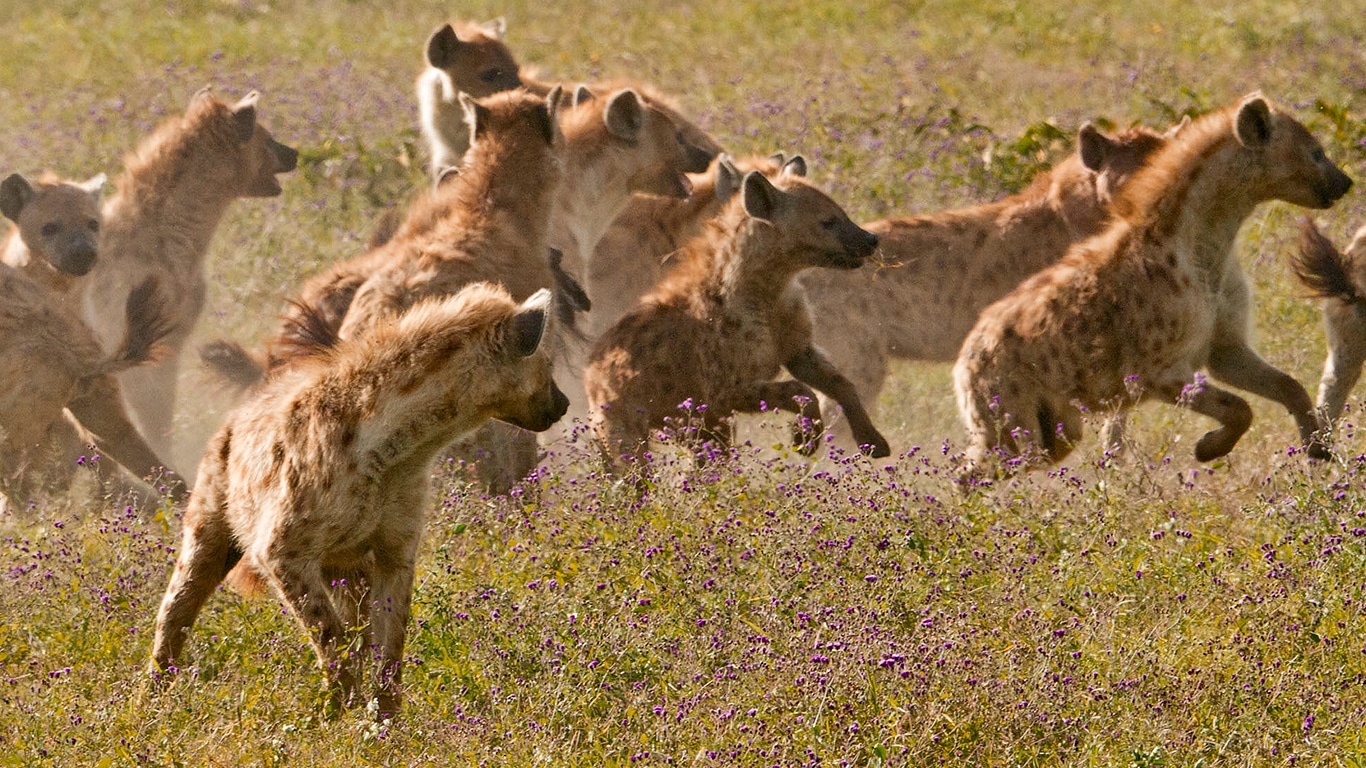
- The Hyena Clans: This region hosts the largest concentrations of hyenas in the ecosystem. Massive clans of up to 30 individuals “commute” from their dens in the Central Serengeti to feast on the migratory herds here.
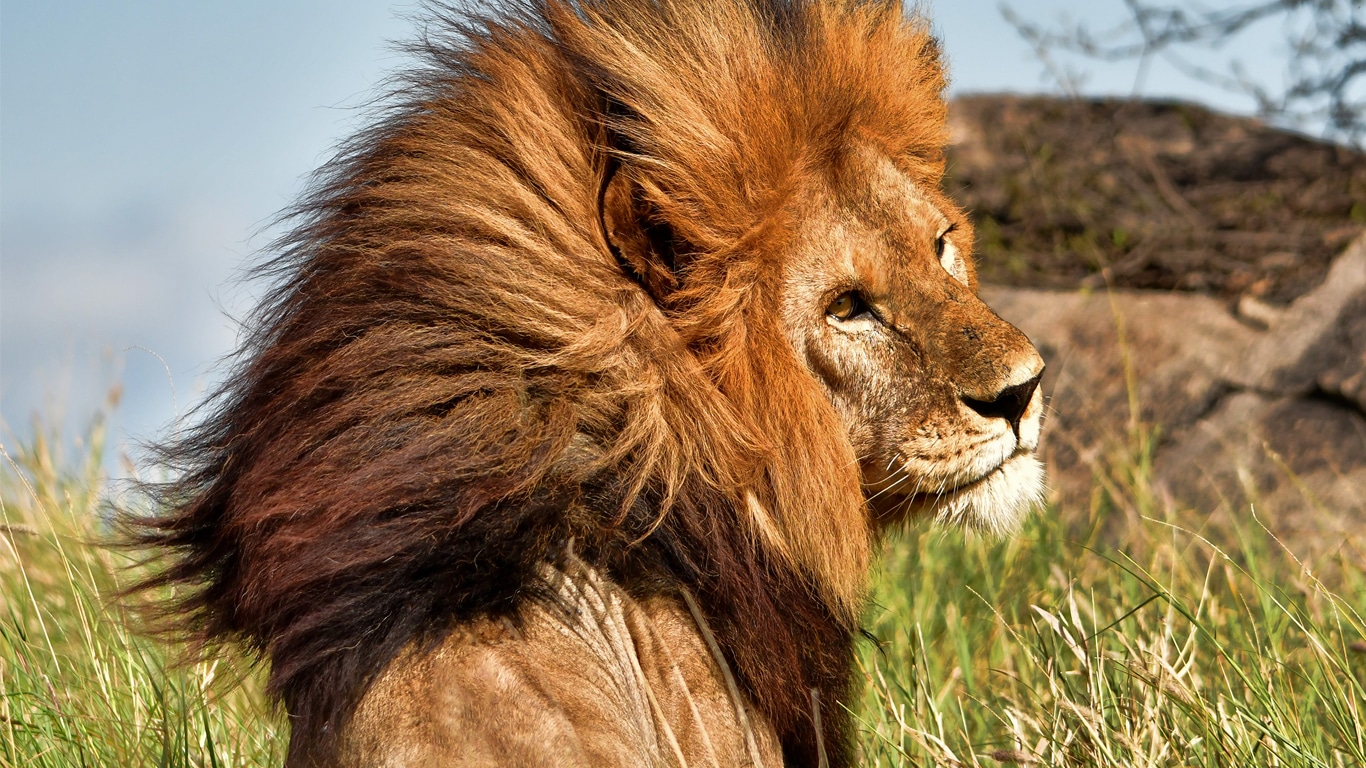
- Nomadic Lions: While most lions are resident, about 20% of the population is nomadic. These “opportunistic” prides follow the migration to the Gol Kopjes, though they are rarely seen further east toward the Salei Plains.
The Great Migration: The Salei Plains
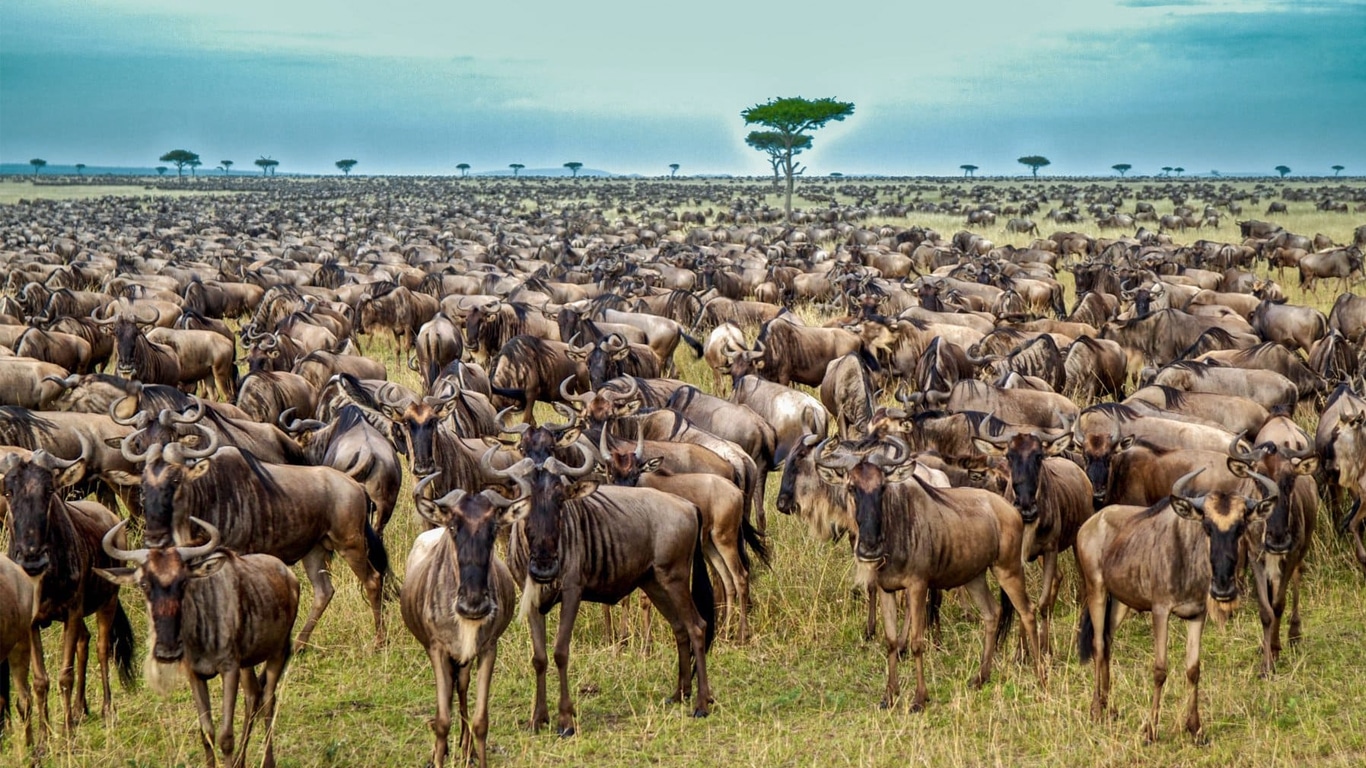
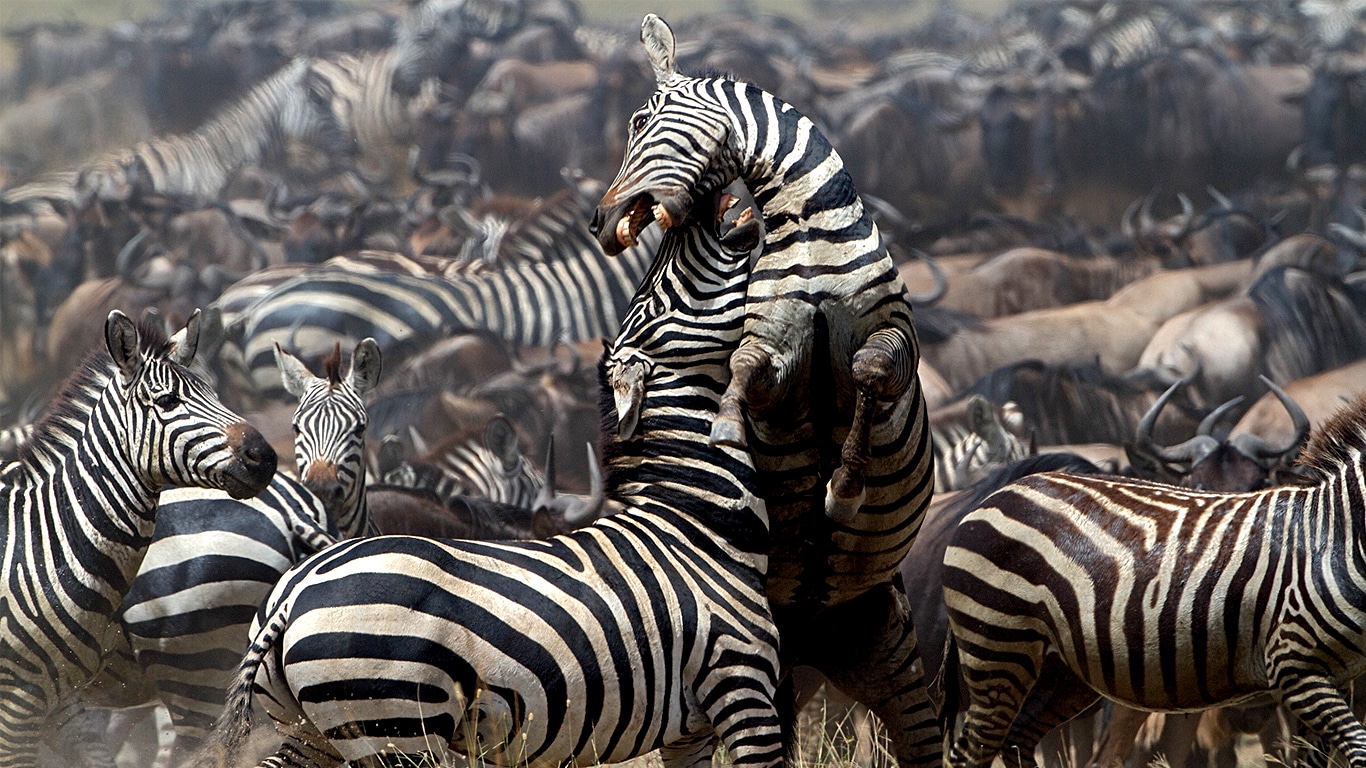
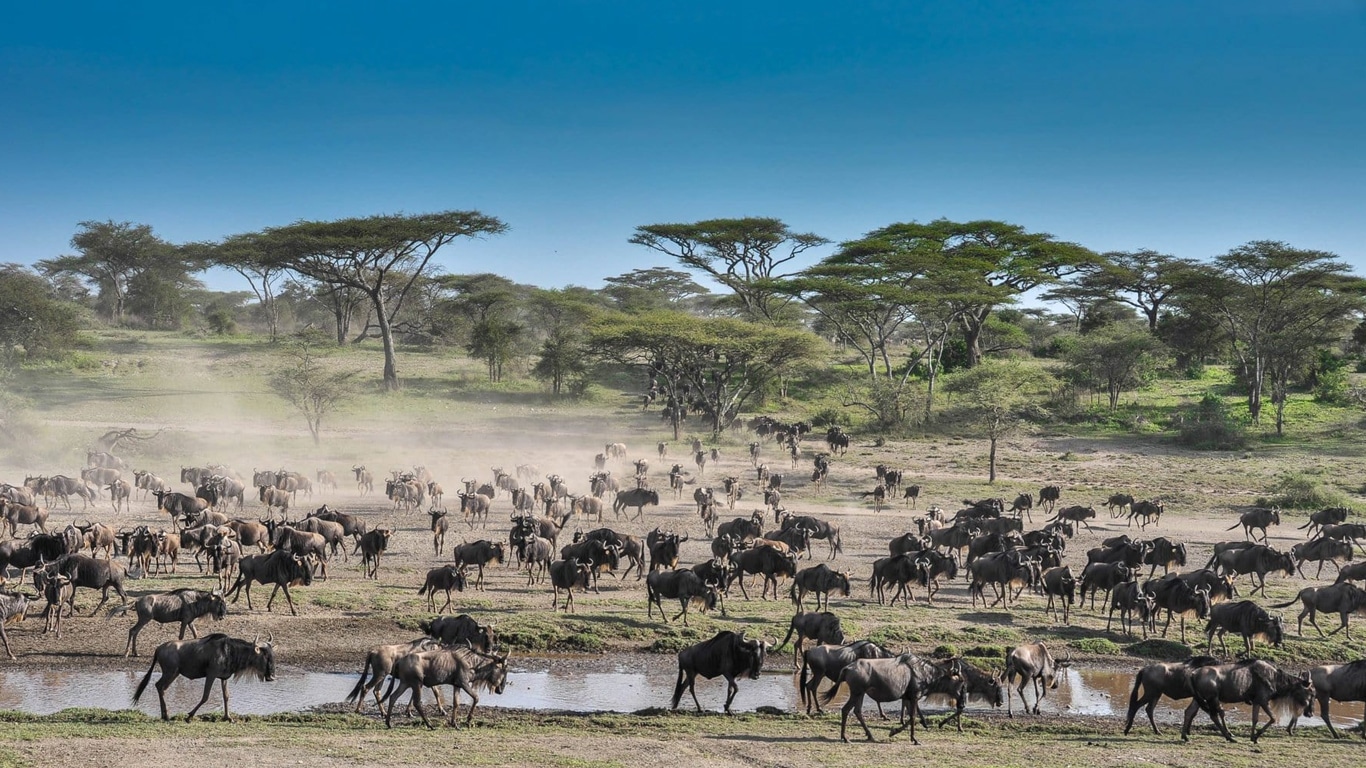
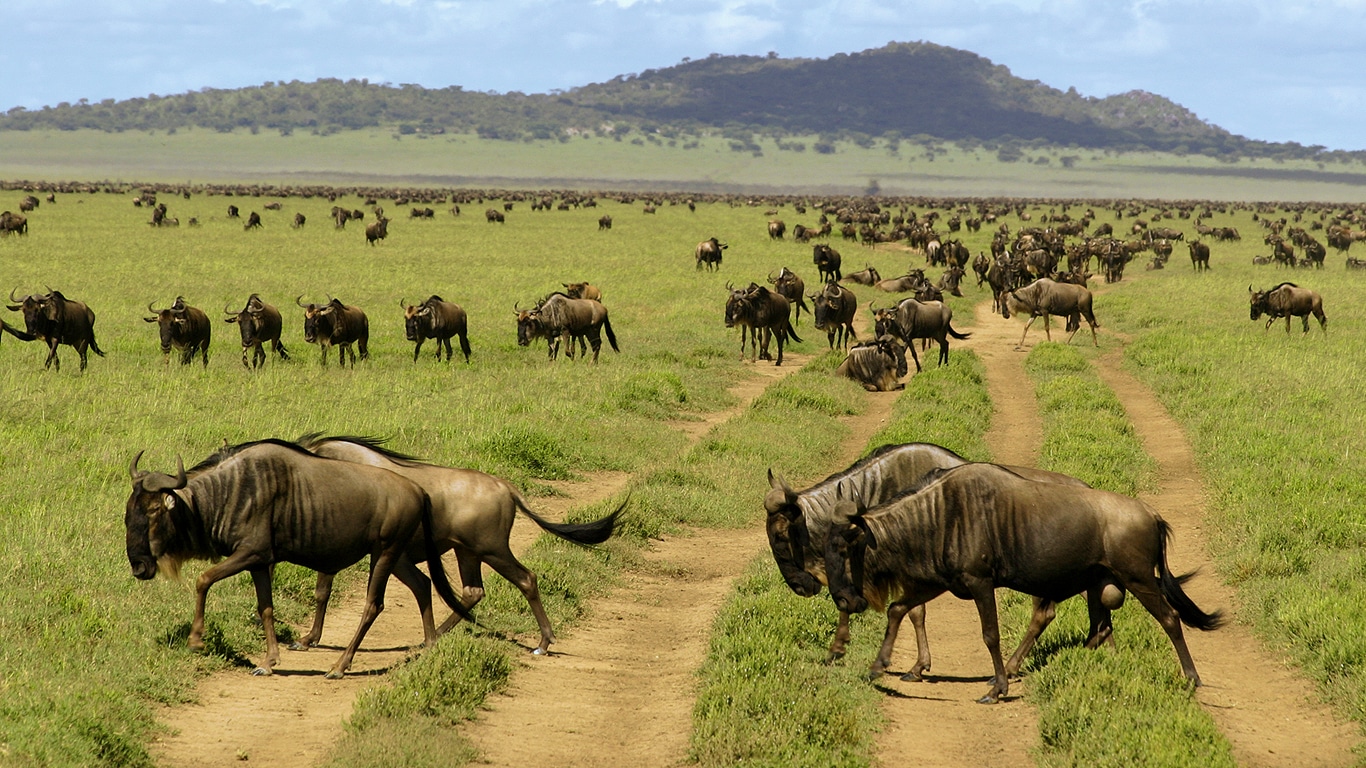
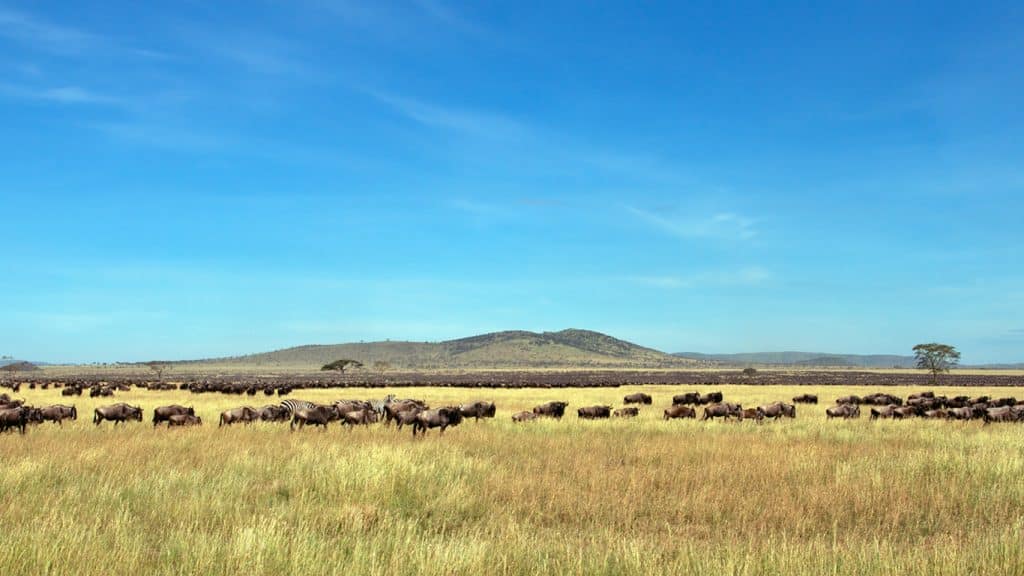
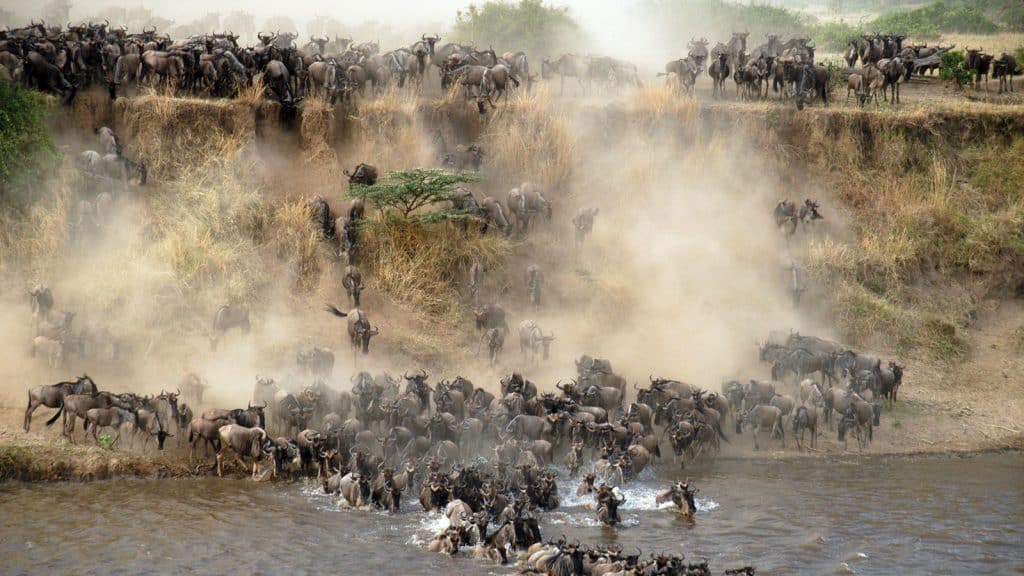
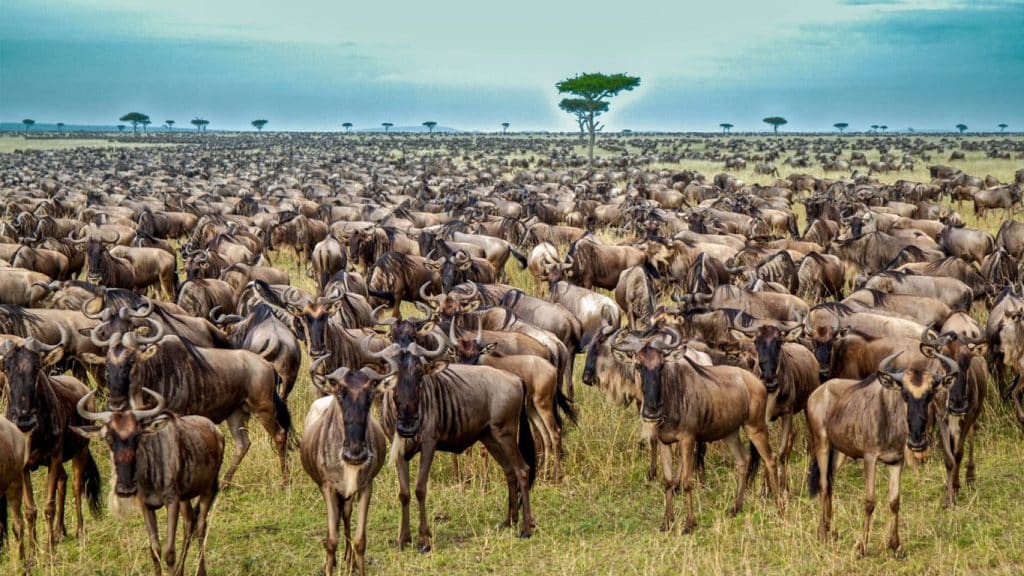
The East plays host to a distinct segment of the Great Migration—sometimes numbering into the hundreds of thousands—that separates from the main southern herds.
- Nutrient-Rich Soils: The herds congregate on the Salei Plains because the soil here is closest to the volcanic highlands. Millions of years of volcanic ash have created a soil so rich in phosphorus and minerals that it is essential for the health of lactating mothers and growing calves.
- Remote Splendor: The Salei Plains receive the least rainfall in the ecosystem, but when they do turn green, they offer the best “off-the-beaten-track” game viewing in Northern Tanzania, set against the dramatic backdrop of the Gregory Rift Wall.
Seasonal Highlights
| Month | Season | Weather | Wildlife Sightings | Rec. |
|---|---|---|---|---|
| Jan | Green Season | 60 - 85 F Mostly sunny with few showers |
Wildebeest Migration, Zebra Migration, Thomson's Gazelle Migration, Cheetah, Leopard, Lion, Giraffe, Buffalo, Hippo | Yes |
| Feb | Green Season | 60 - 85 F Mostly sunny with few showers |
Wildebeest Migration, Zebra Migration, Thomson's Gazelle Migration, Cheetah, Leopard, Lion, Giraffe, Buffalo, Hippo | Yes |
| Mar | Green Season | 60 - 83 F Mostly sunny with few showers |
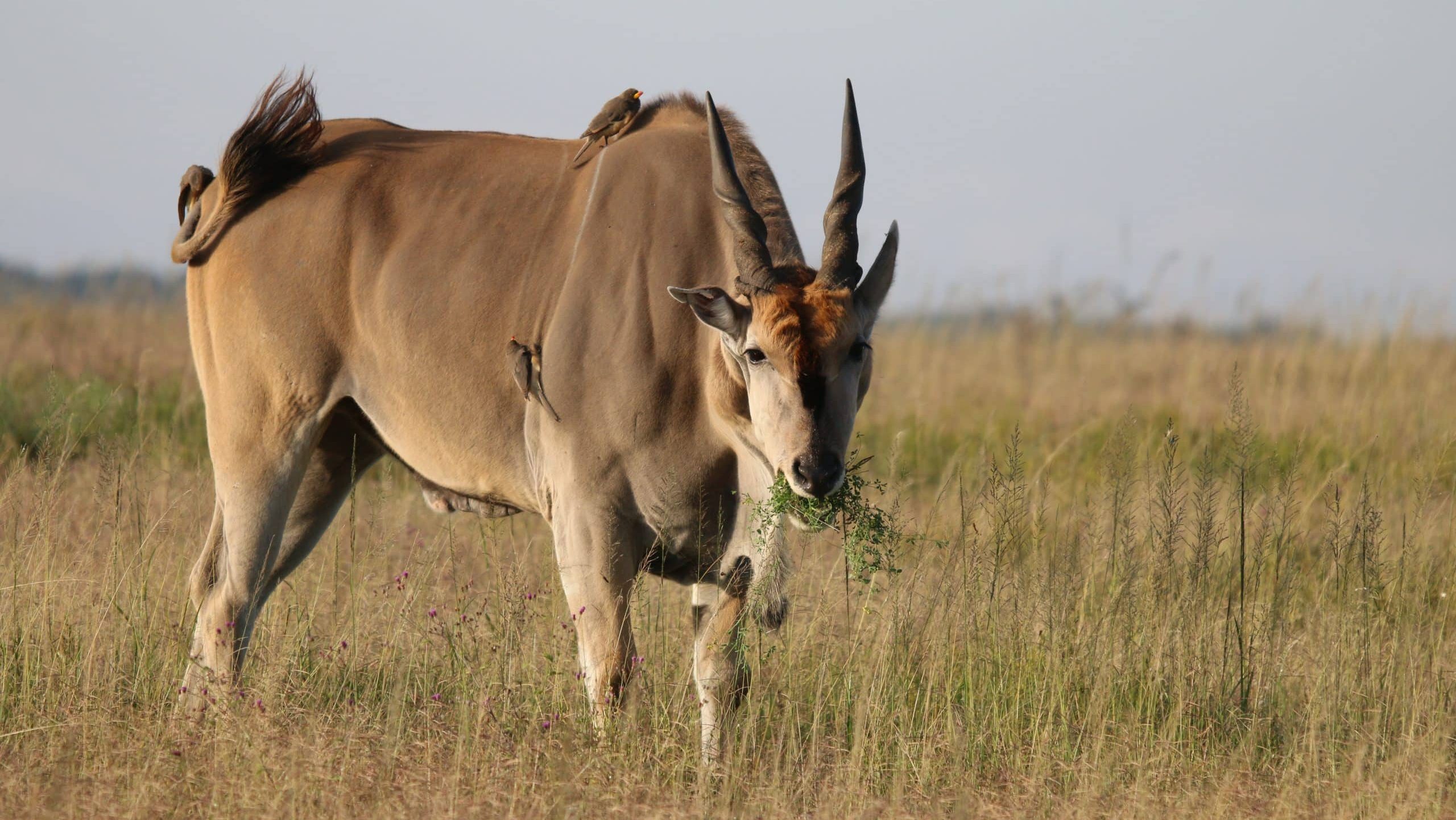
Cheetah, Hyena, Eland Migration, Thomson's Gazelle Migration | Yes |
| Apr | Green Season | 60 - 83 F Mostly sunny with few showers |
Cheetah, Hyena, Eland Migration, Thomson's Gazelle Migration | Yes |
| May | Northward Migration | 56 - 81 F Mostly sunny |
Cheetah, Hyena, Eland Migration, Thomson's Gazelle Migration | Yes |
| Jun | Beginning of Dry Season | 56 - 81 F Mostly sunny |
Cheetah, Hyena, Eland Migration, Thomson's Gazelle Migration (early to mid June only) | Yes |
| Jul | Dry Season | 60 - 83 F Mostly sunny |
Leopard, Lion, Giraffe, Impala, Buffalo, Hippo | Yes |
| Aug | Dry Season | 55 - 81 F Mostly sunny |
Leopard, Lion, Giraffe, Impala, Buffalo, Hippo | Yes |
| Sep | Dry Season | 55 - 81 F Mostly sunny |
Leopard, Lion, Giraffe, Impala, Buffalo, Hippo | Yes |
| Oct | Dry Season | 60 - 83 F Mostly sunny |
Leopard, Lion, Giraffe, Impala, Buffalo, Hippo | Yes |
| Nov | Southward Migration | 60 - 83 F Mostly sunny with few showers |
Wildebeest Migration, Zebra Migration, Thomson's Gazelle Migration, Cheetah, Leopard, Lion, Giraffe, Buffalo, Hippo | Yes |
| Dec | Beginning of Green Season | 60 - 83 F Mostly sunny with few showers |
Wildebeest Migration, Zebra Migration, Thomson's Gazelle Migration, Cheetah, Leopard, Lion, Giraffe, Buffalo, Hippo | Yes |
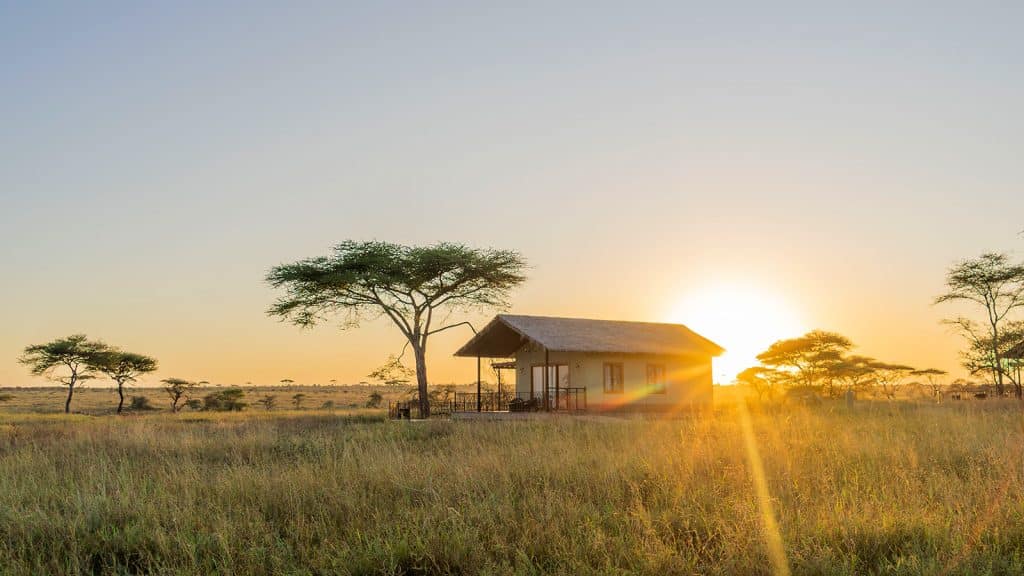
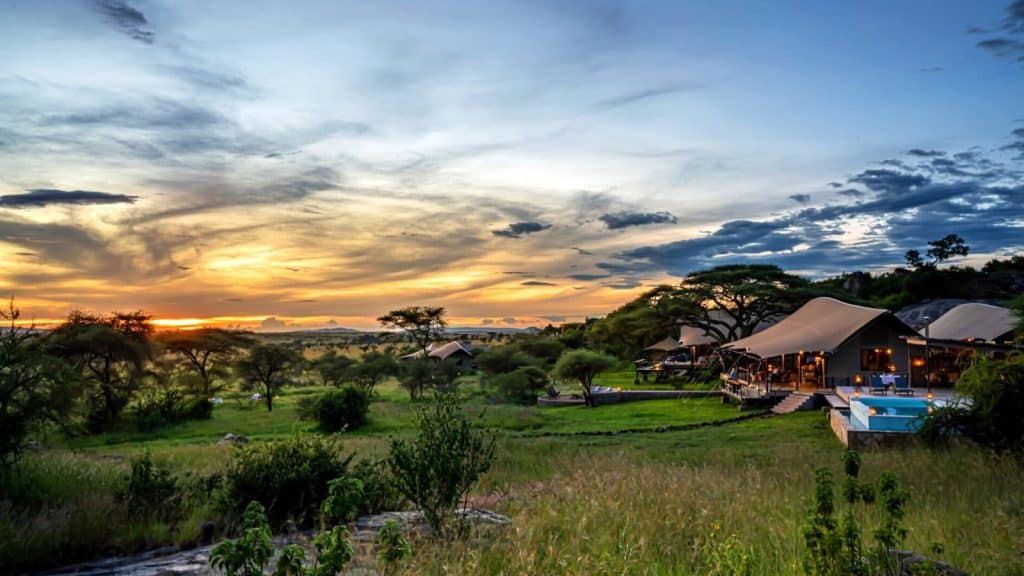
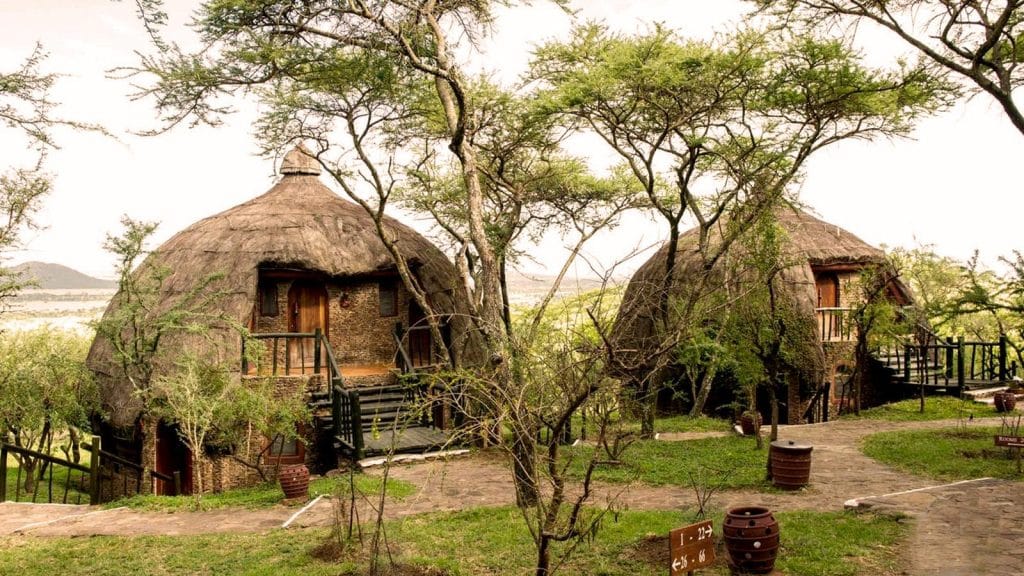
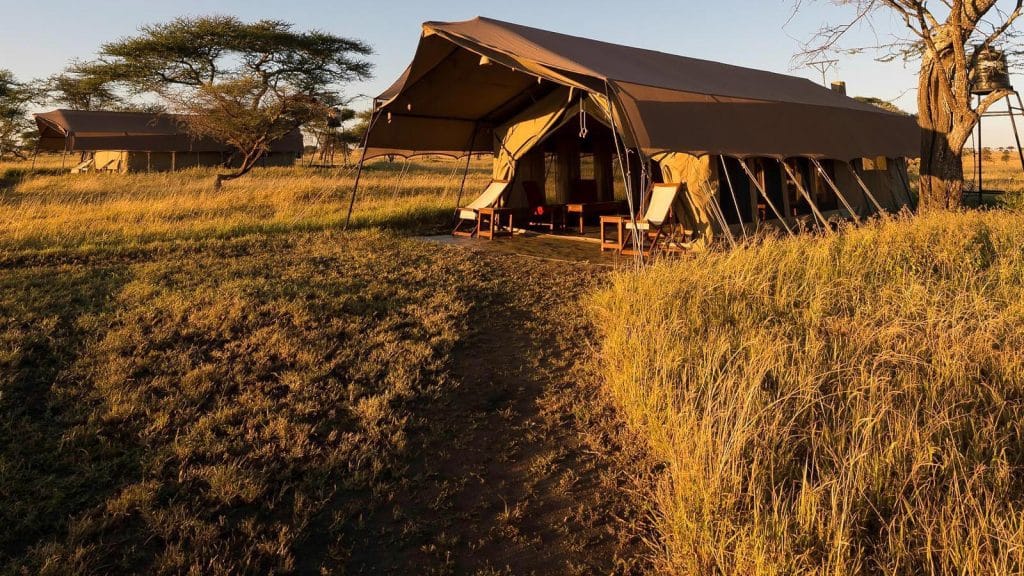
Nearby Lodges

Nearby Attractions


What are you waiting for?
Create Your Own Itinerary
Receive instant day-by-day trip details designed just for you including rates, seasonal highlights, guest testimonials, photos & more!
Get In Touch
Our Safari Specialists Are Ready to Help Kickstart Your Adventure
Toll-Free
US Office
31244 Palos Verdes Dr. West, Suite 239 Rancho Palos Verdes, CA 90275
Hours: Daily 8AM - 8PM PST
Drop Us A Line
Leave your contact info below