Mbalageti River Valley
A natural corridor for the Great Migration, the Mbalageti River Valley links the plains to the woodlands. Witness the thundering herds and the chaotic May rut, while spotting the Martial Eagle in this vital, predator-rich transitional zone.
Details
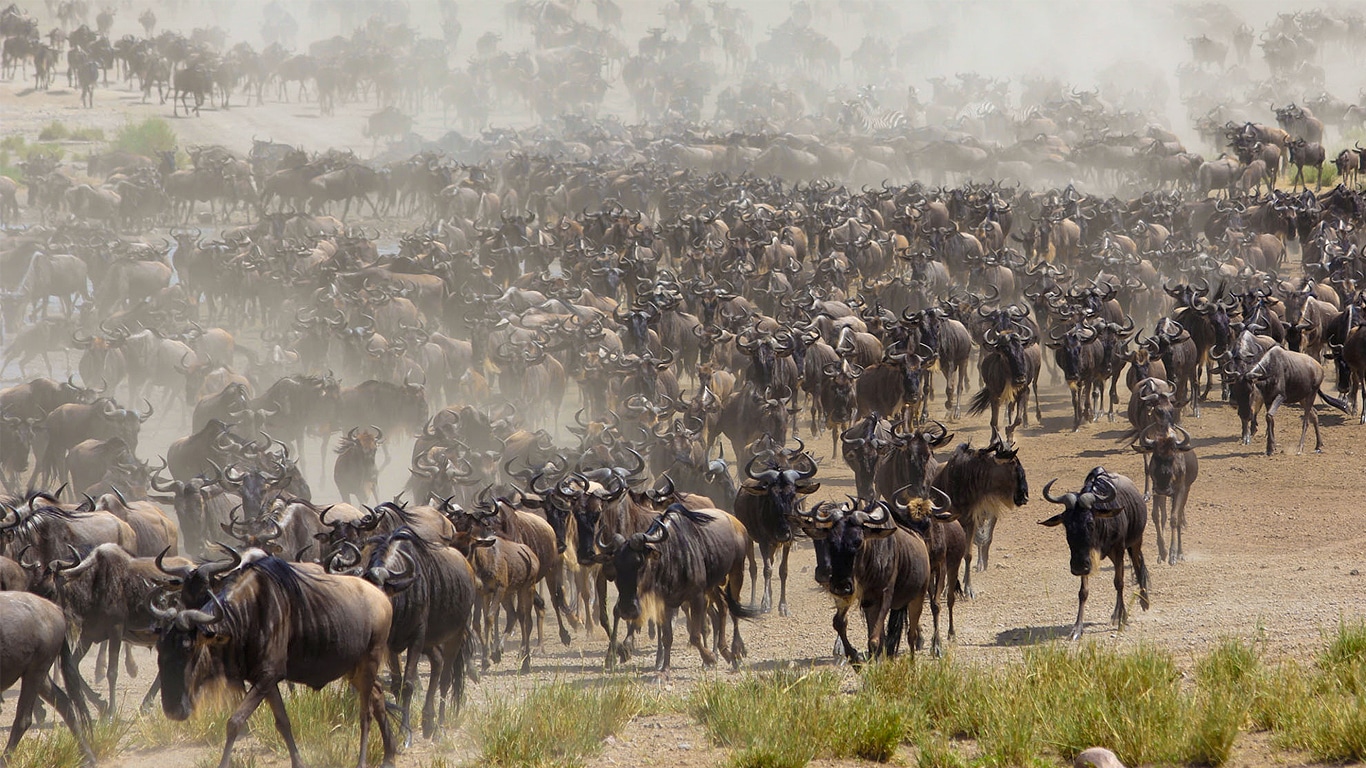
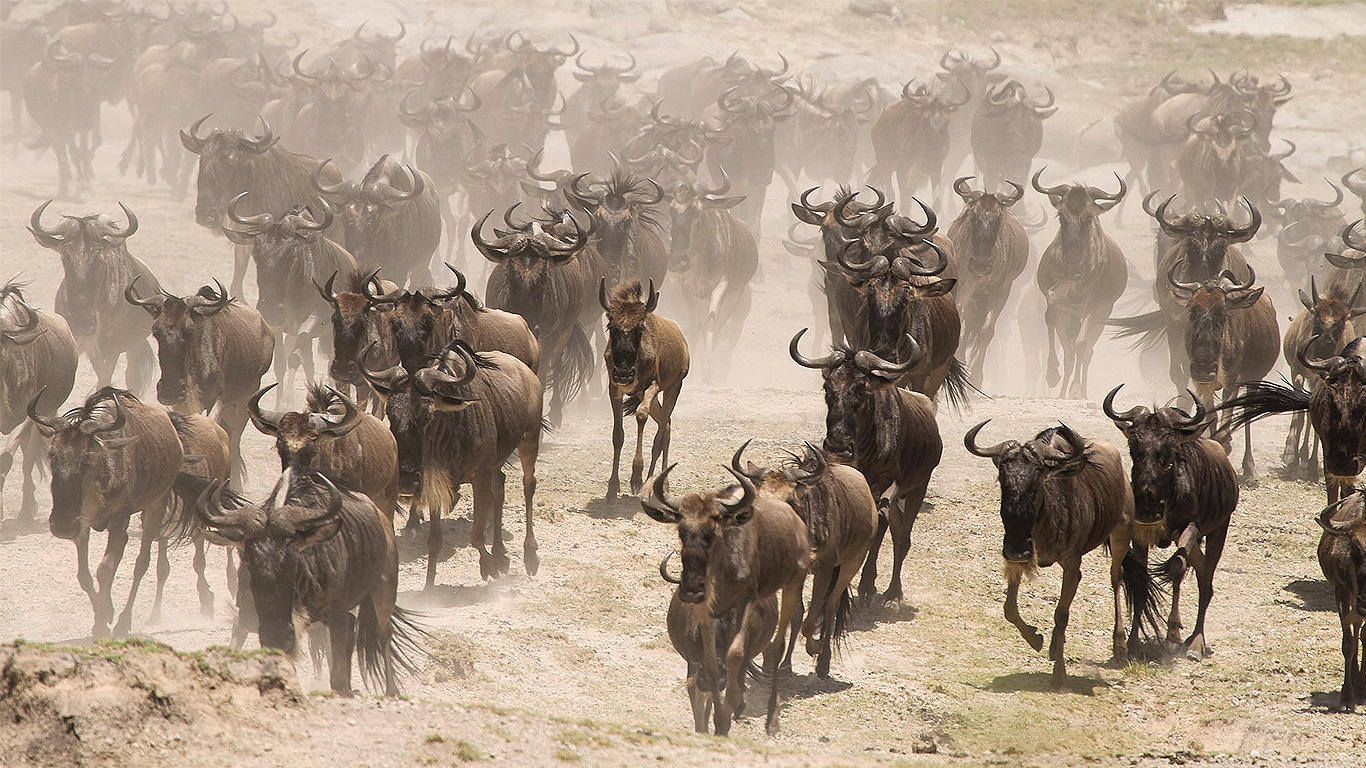
The Mbalageti River Valley serves as a critical geographic bridge, linking the southern short-grass plains to the woodlands of the Western Corridor. It is the primary artery for the largest group of the Great Migration, which follows the river from the southern plains through the Moru Kopjes and into the West. This region acts as a “wet/dry transitional zone,” where the herds congregate and stagnate during May and June before the parched landscape of the dry season eventually forces them toward the far north in July.
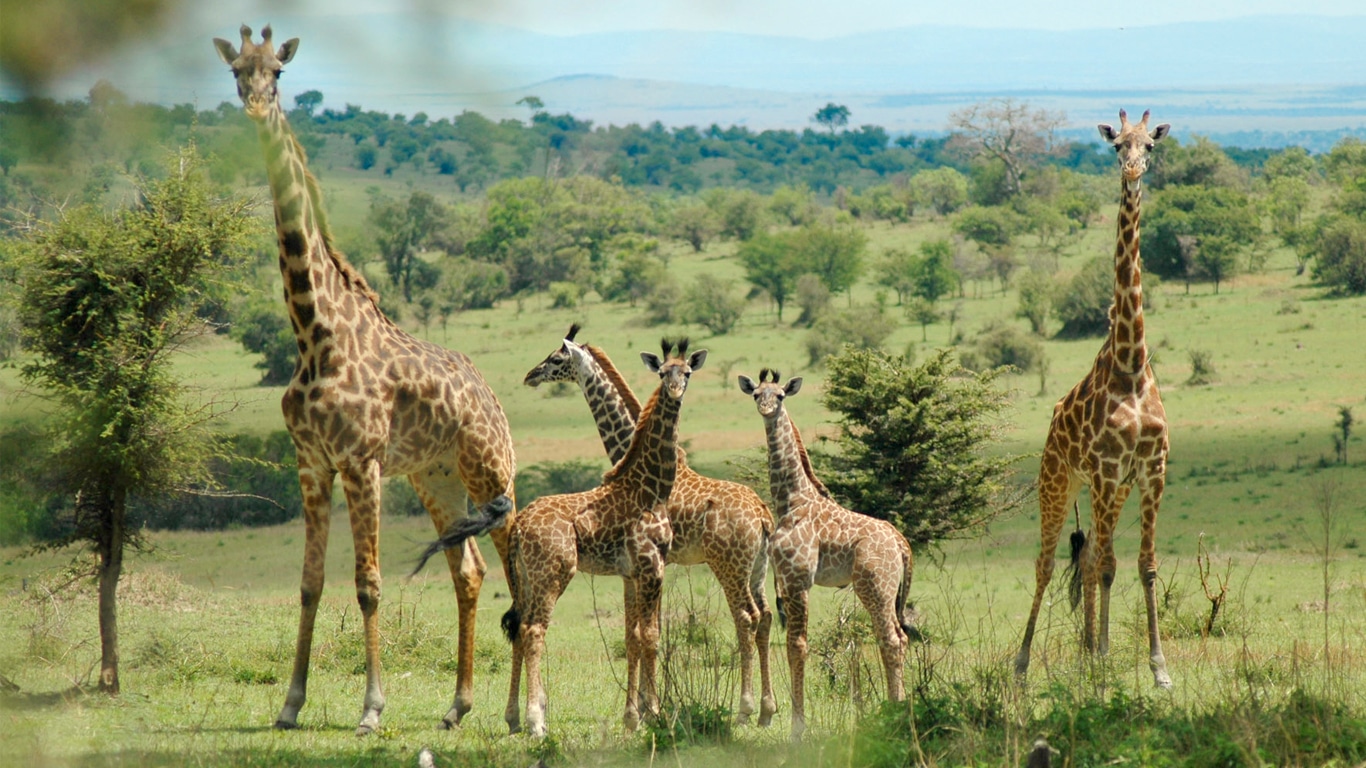
The topography of the valley is defined by its role as a natural conduit between two distinct ecosystems. To the south, the land is characterized by open, sweeping plains, which gradually transition into the more rugged, wooded landscape of the West Serengeti. The river itself creates a lush fold in the plains and hills, providing essential water and shade that sustains wildlife long after the surrounding grasslands have dried. This varied terrain of hills, riverine thickets, and open valleys makes it a spectacular platform for observing the massive scale of the migration’s movement.
Wildlife viewing in the Mbalageti River Valley is phenomenal, as it lies directly on the main migration route for both the northward (May–June) and southward (November) journeys.
- The Wildebeest Rut: May is a particularly extraordinary time to be in the valley. As the migration marches off the plains, a “synchronized mating pandemonium” ensues. Guests can witness the incredible sight of over half a million bulls grunting and clashing horns. Males establish temporary, mobile territories—often only 100 feet in diameter—frantically attempting to round up passing cows while chasing off rivals. The sheer noise and commotion of this rutting season is one of the Serengeti’s most overwhelming sensory experiences.
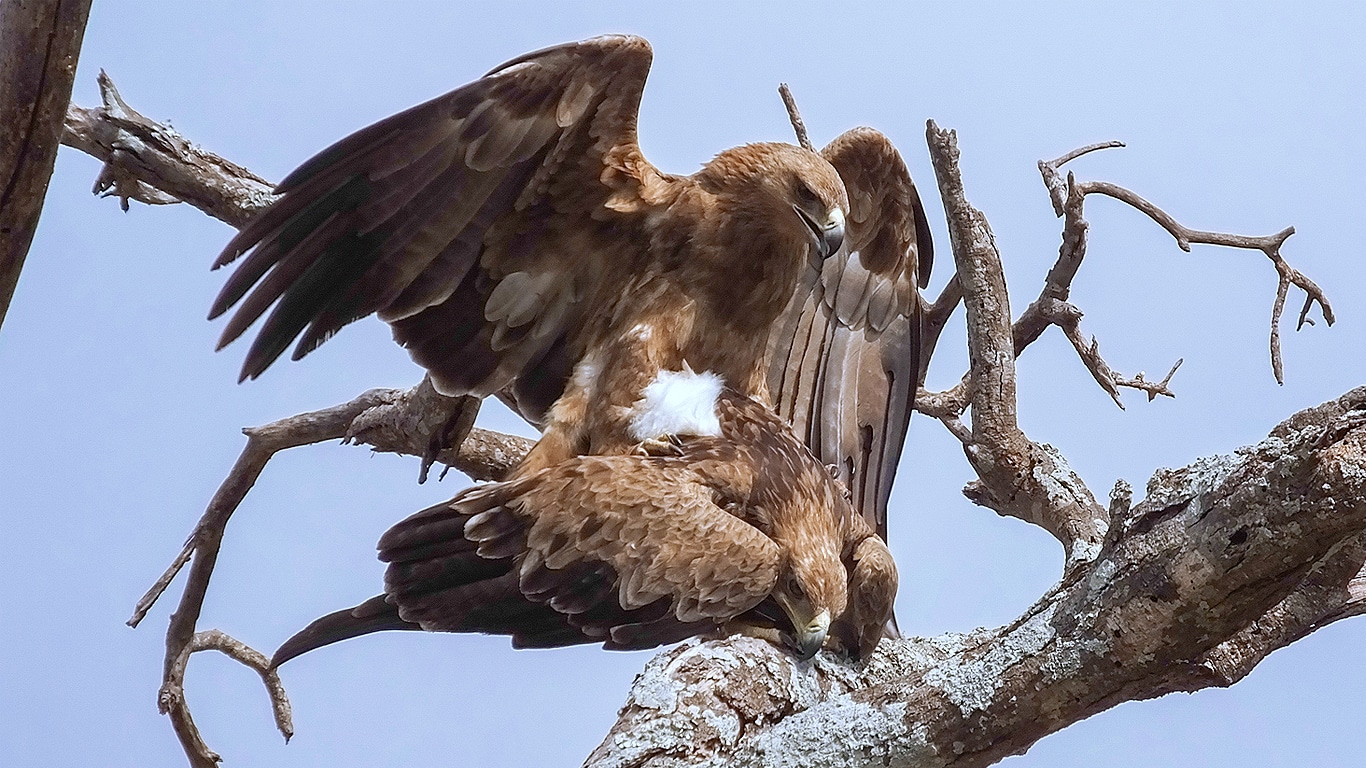
- Martial Eagles: The valley is a prime habitat for the Martial Eagle, the Serengeti’s most striking and powerful raptor. With its immense wingspan and hunting prowess, it is often seen surveying the valley for prey from high vantage points.
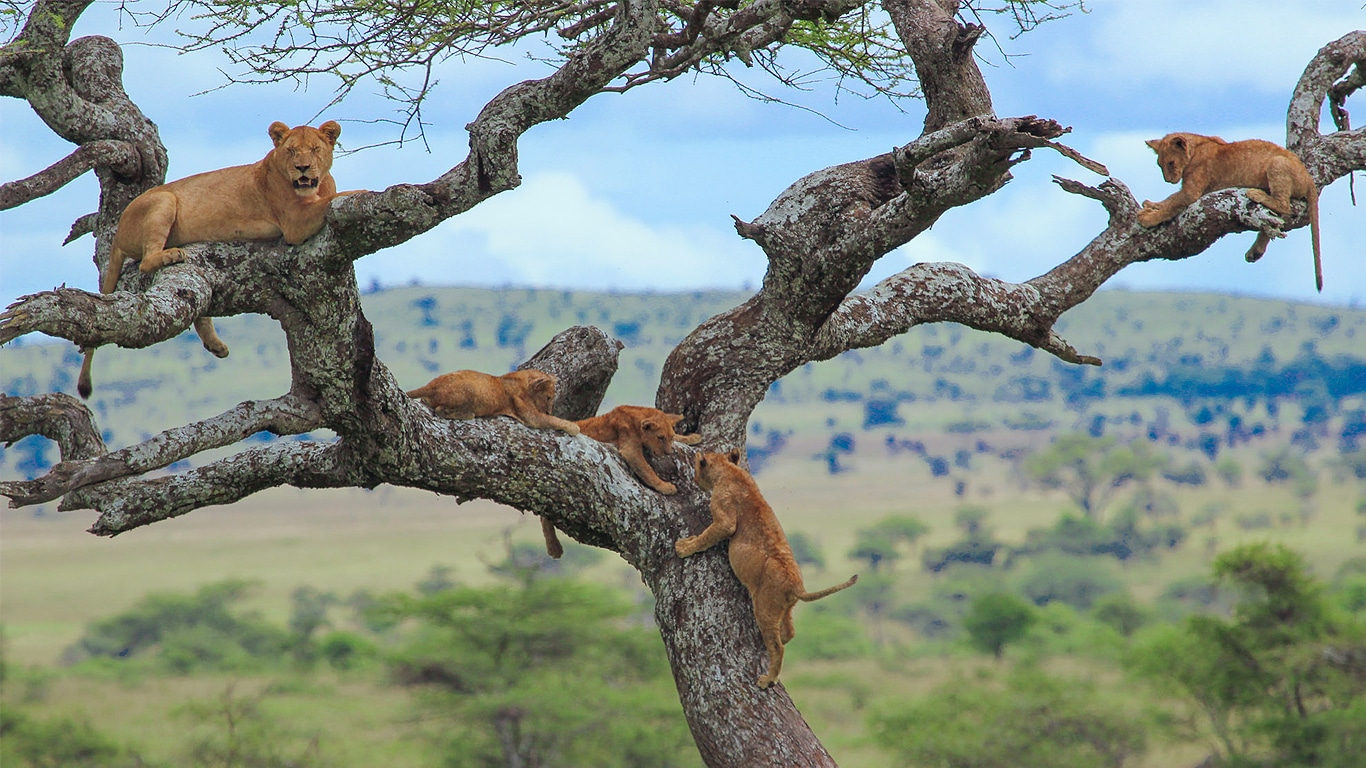
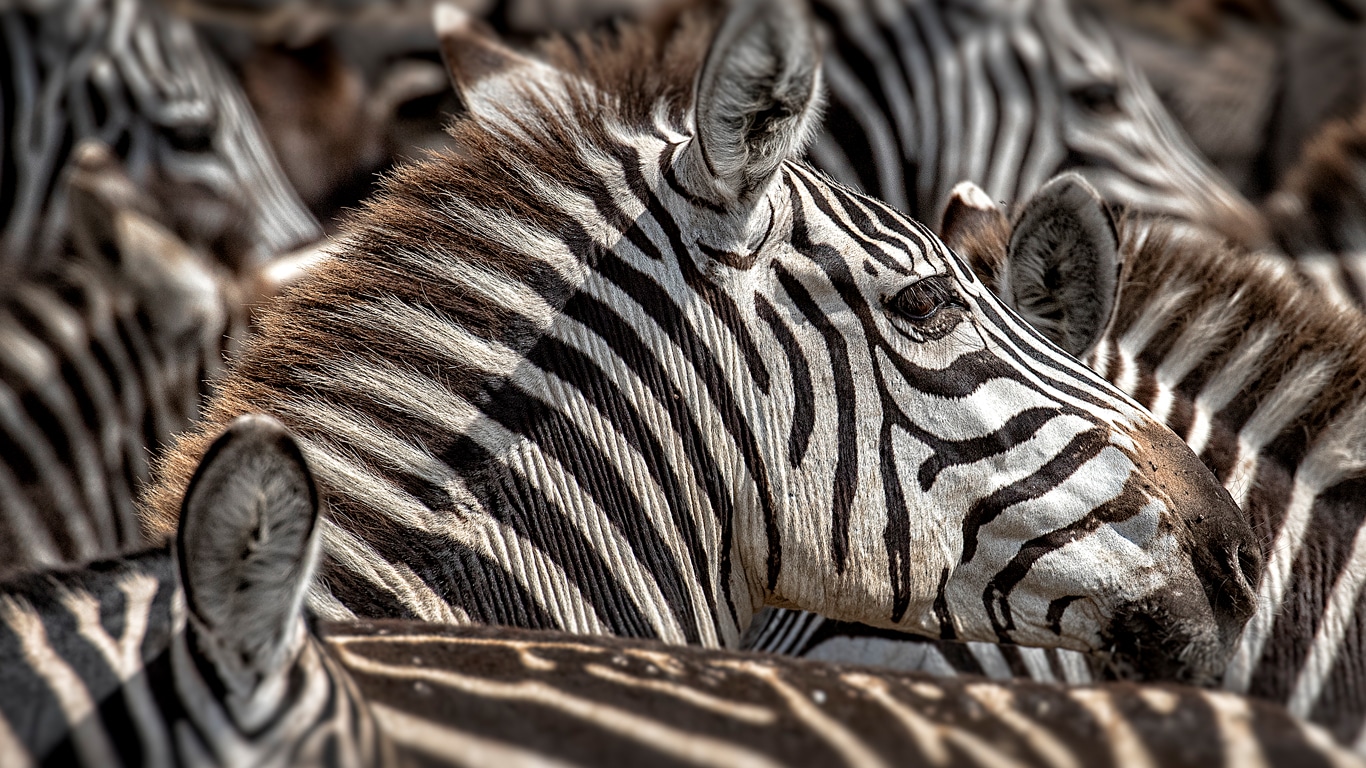
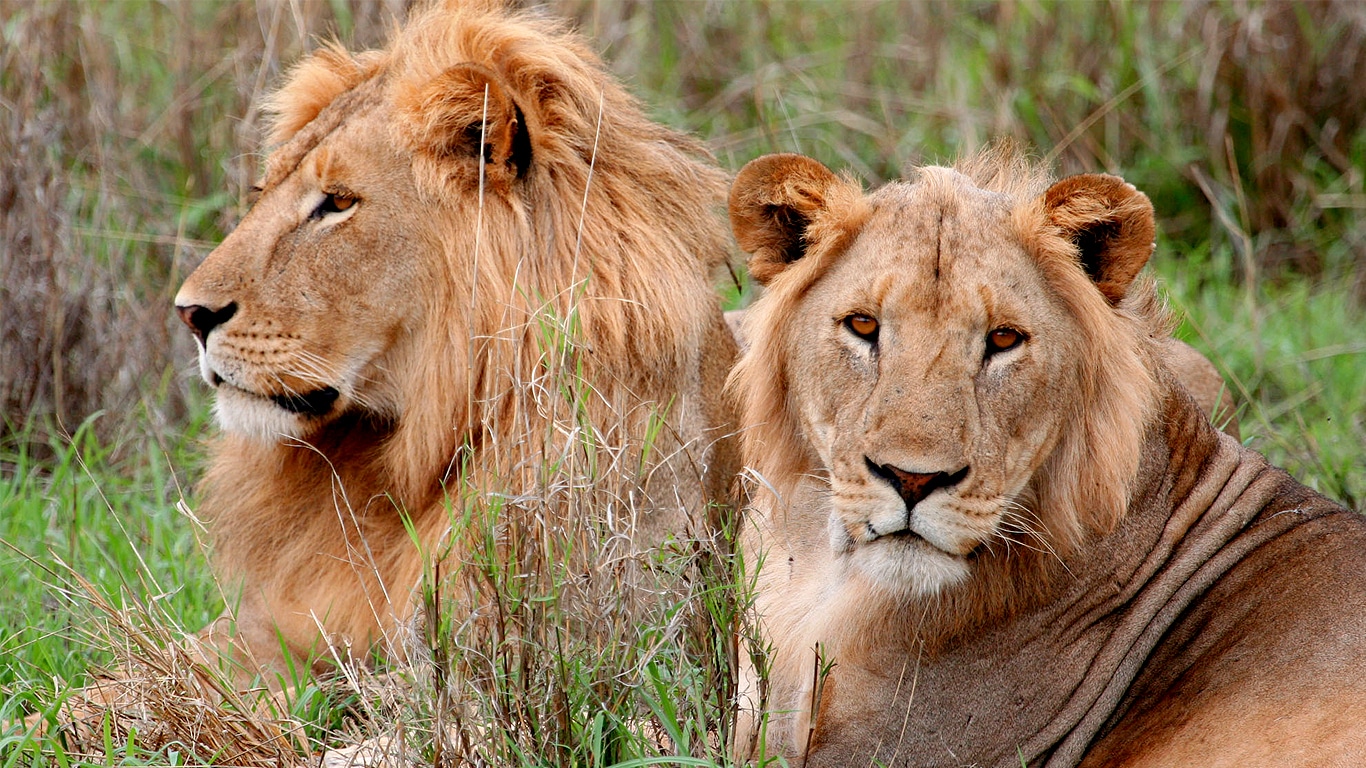
- Migration Stagnation: Because the herds often linger here in May and June, the concentration of wildebeest and zebra is immense, drawing in the region’s resident predators who take advantage of the abundance of prey within the narrow valley corridor.
Seasonal Highlights
| Month | Season | Weather | Wildlife Sightings | Rec. |
|---|---|---|---|---|
| Jan | Green Season | 60 - 85 F Mostly sunny with few showers |
- - - - - | No |
| Feb | Green Season | 60 - 85 F Mostly sunny with few showers |
- - - - - | No |
| Mar | Green Season | 60 - 83 F Mostly sunny with few showers |
- - - - - | No |
| Apr | Green Season | 60 - 83 F Mostly sunny with few showers |
- - - - - | No |
| May | Northward Migration | 56 - 81 F Mostly sunny |
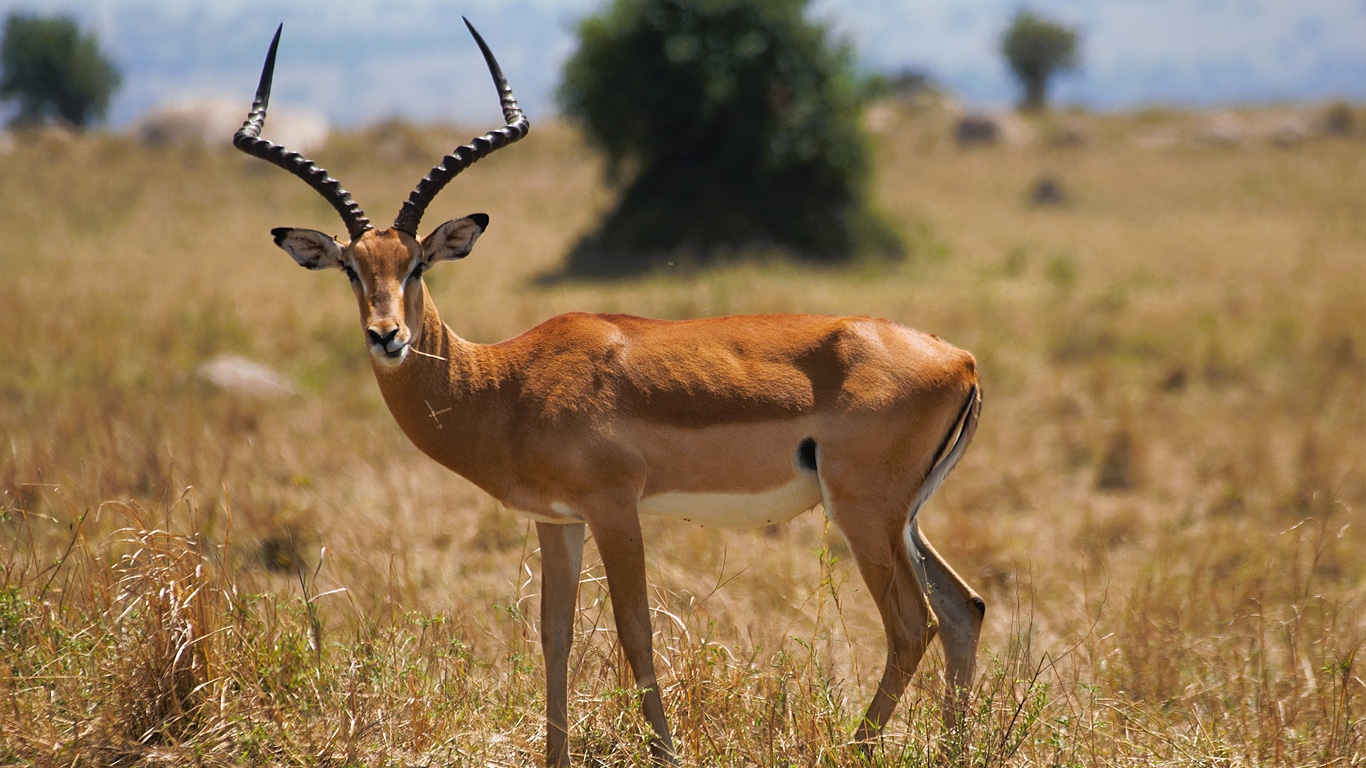
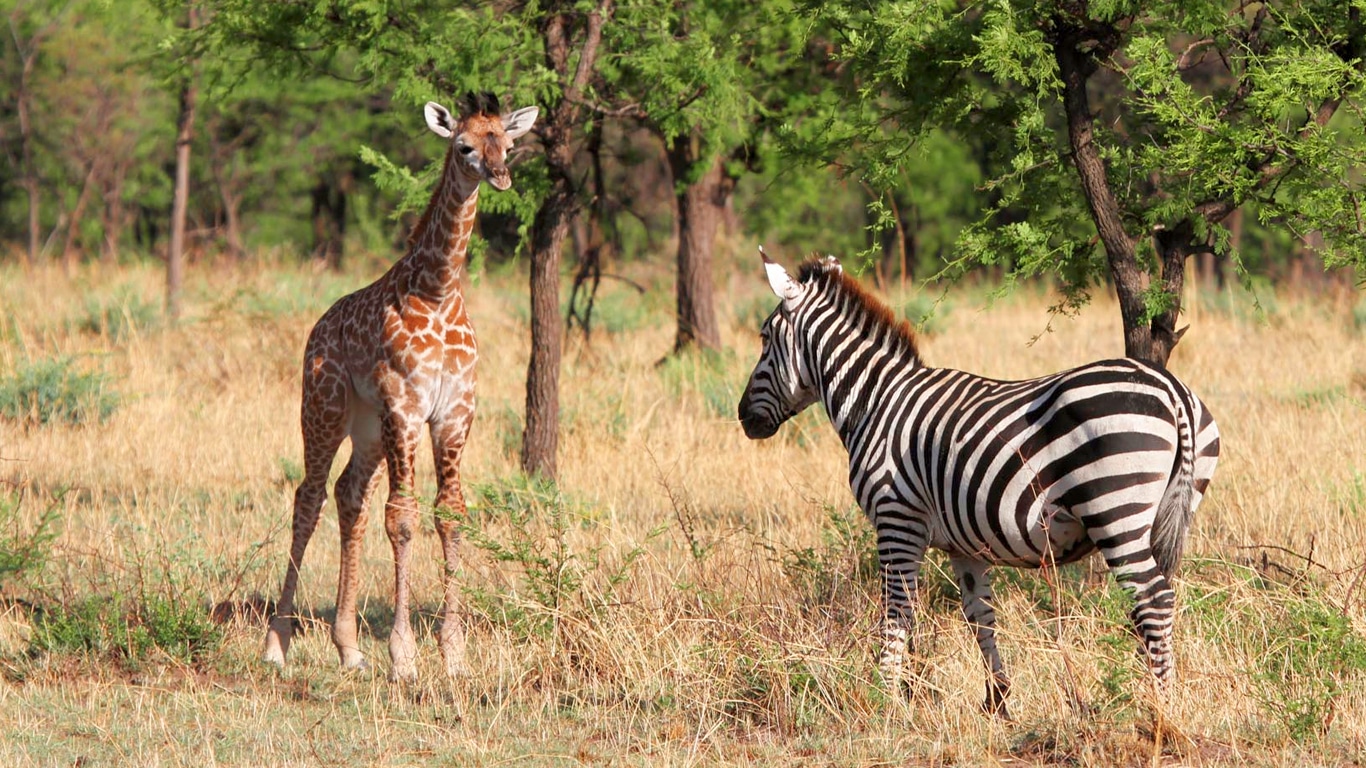
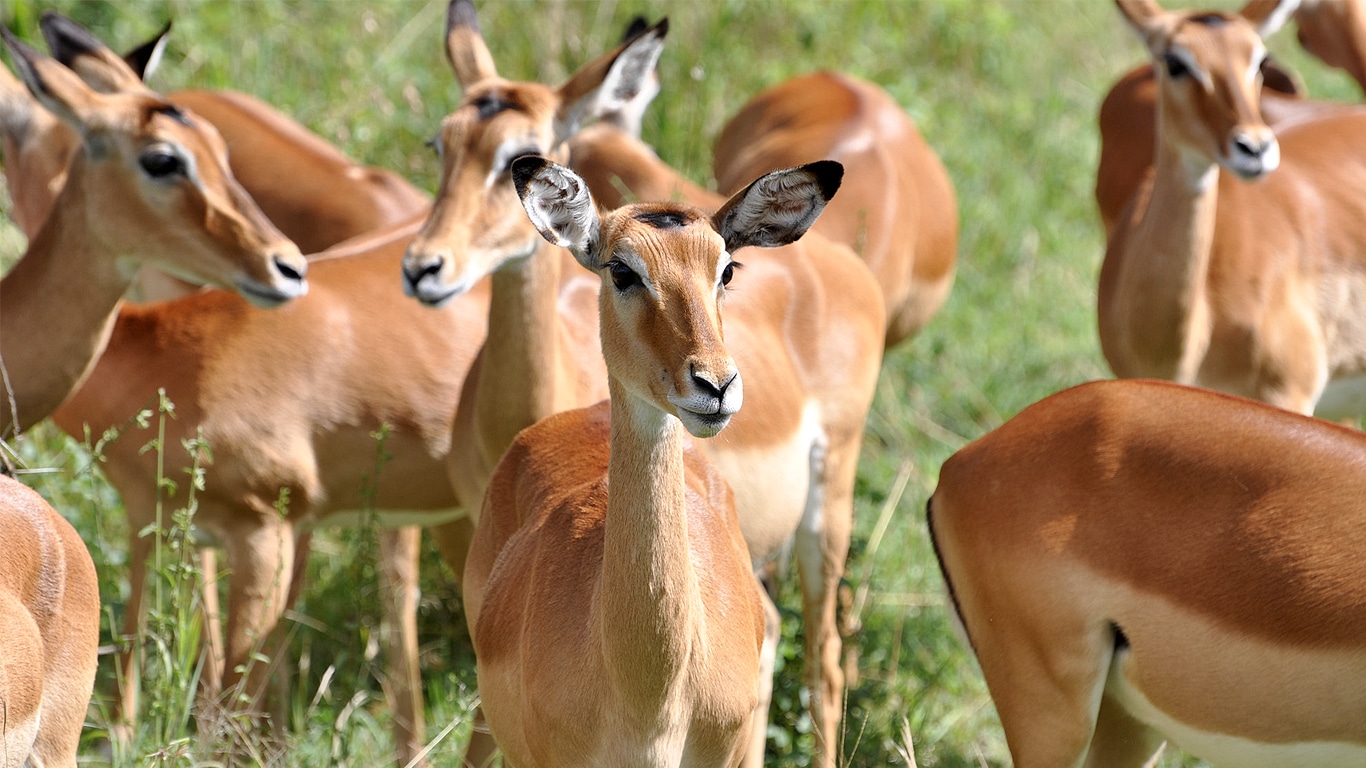
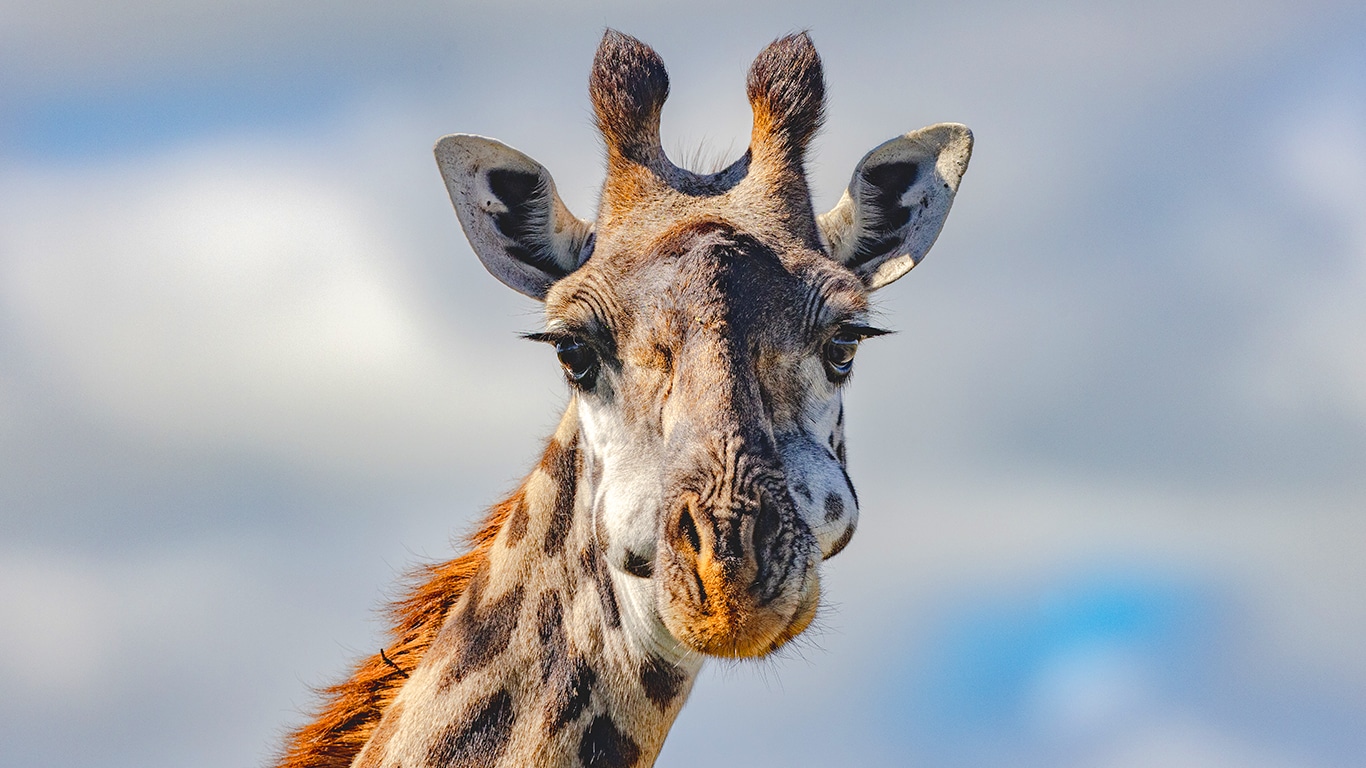
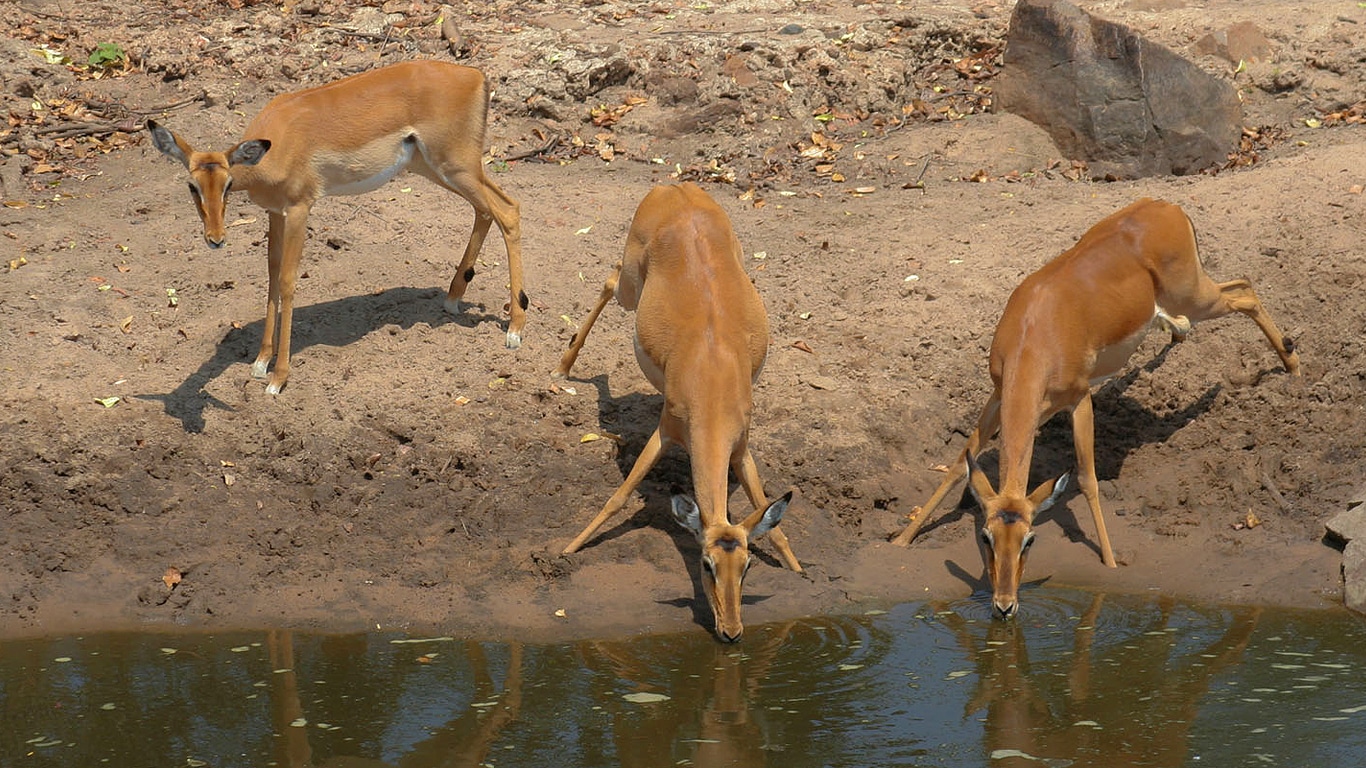
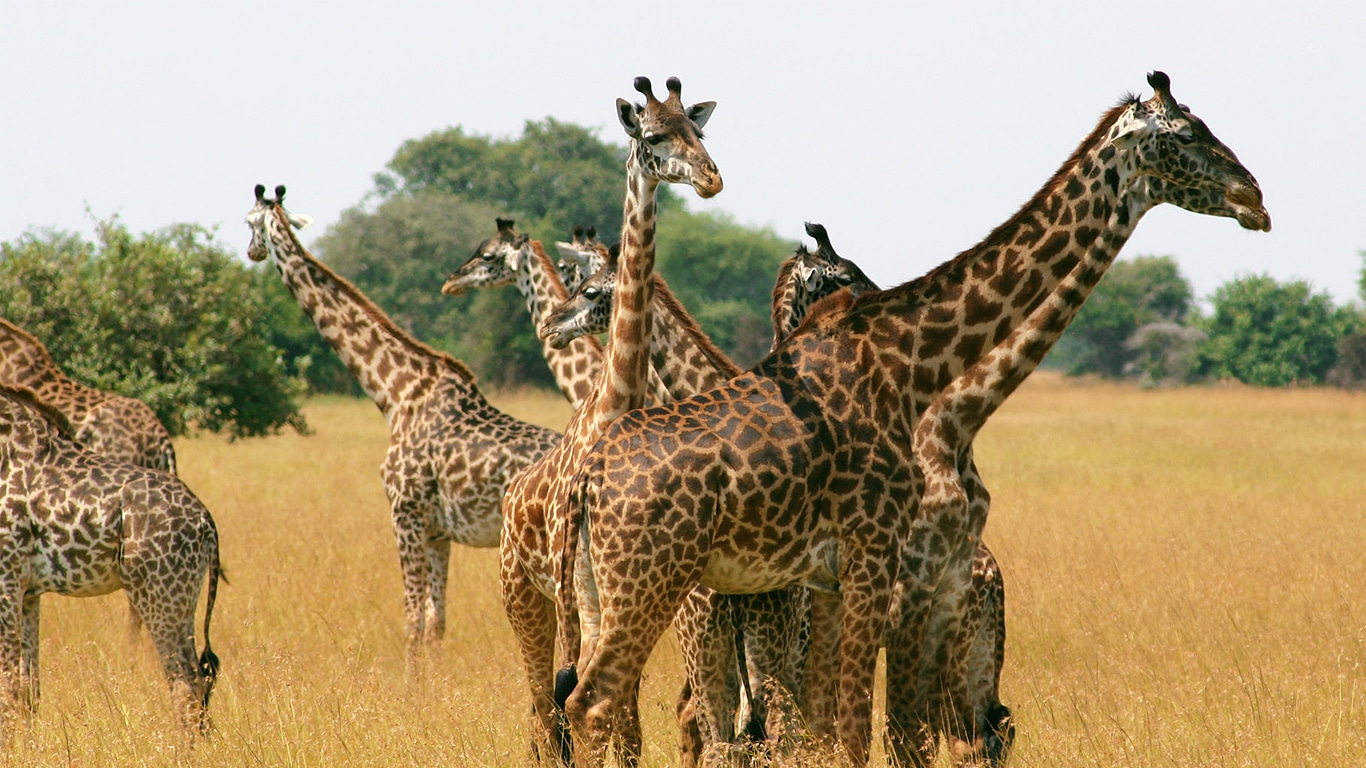
Possibility of the Wildebeest Migration in mid to late May, Giraffe, Impala, Crocodile, Hippo | Yes |
| Jun | Beginning of Dry Season | 56 - 81 F Mostly sunny |
Wildebeest Migration, Lion, Giraffe, Impala, Crocodile, Hippo | Yes |
| Jul | Dry Season | 60 - 83 F Mostly sunny |
Wildebeest Migration, Lion, Giraffe, Impala, Crocodile, Hippo | Yes |
| Aug | Dry Season | 55 - 81 F Mostly sunny |
Giraffe, Impala, Hippo, Resident Wildebeest and Zebra | Yes |
| Sep | Dry Season | 55 - 81 F Mostly sunny |
Giraffe, Impala, Hippo, Resident Wildebeest and Zebra | Yes |
| Oct | Dry Season | 60 - 83 F Mostly sunny |
Giraffe, Impala, Hippo, Resident Wildebeest and Zebra | Yes |
| Nov | Southward Migration | 60 - 83 F Mostly sunny with few showers |
Lion, Giraffe, Impala, Hippo, Resident Wildebeest and Zebra, and Possibility of the Wildebeest Migration | Yes |
| Dec | Beginning of Green Season | 60 - 83 F Mostly sunny with few showers |
- - - - - | No |


What are you waiting for?
Create Your Own Itinerary
Receive instant day-by-day trip details designed just for you including rates, seasonal highlights, guest testimonials, photos & more!
Get In Touch
Our Safari Specialists Are Ready to Help Kickstart Your Adventure
Toll-Free
US Office
31244 Palos Verdes Dr. West, Suite 239 Rancho Palos Verdes, CA 90275
Hours: Daily 8AM - 8PM PST
Drop Us A Line
Leave your contact info below