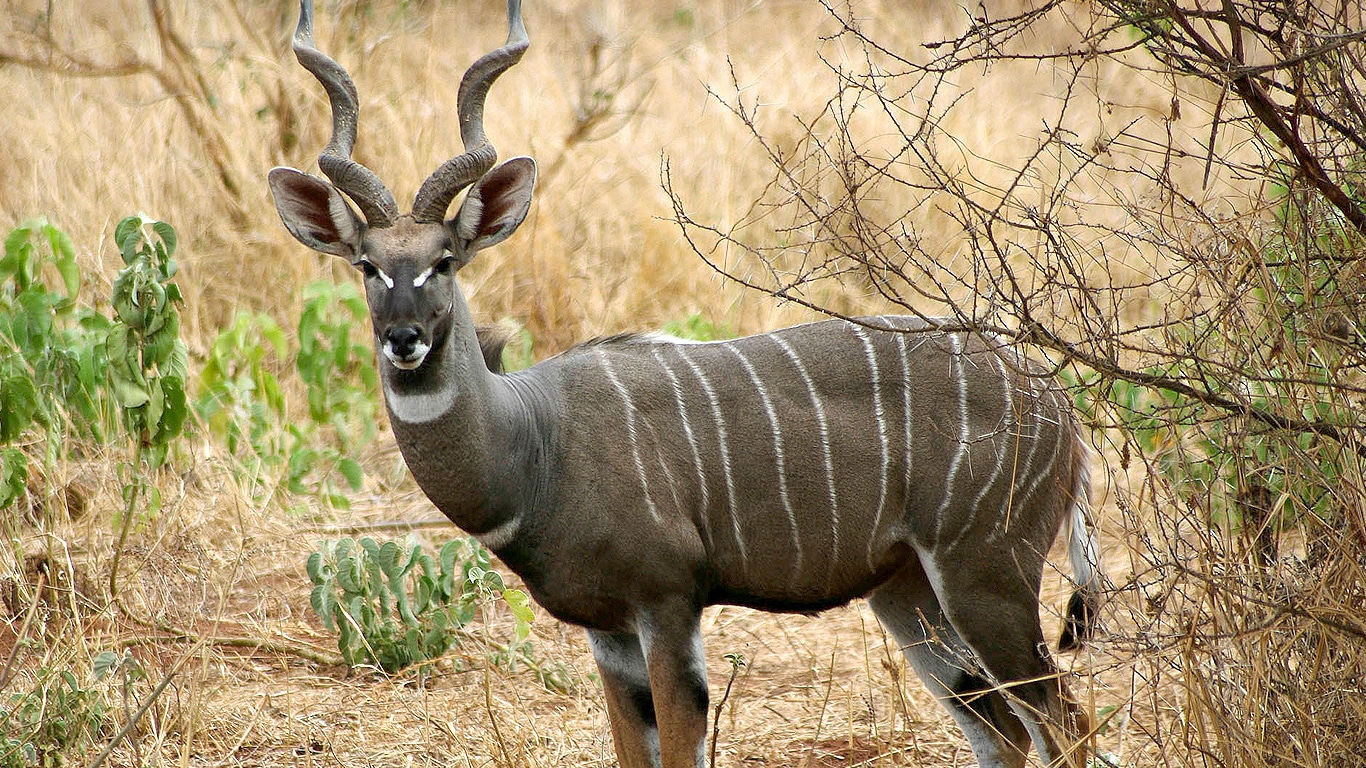
Kitibong Hill
Kitibong is a ruggedly beautiful wilderness dominated by massive buffalo herds and the elusive African wild dog. This remote region of acacia parklands and hidden swamps offers a rare glimpse into Tarangire’s less-traveled western frontier.
Details
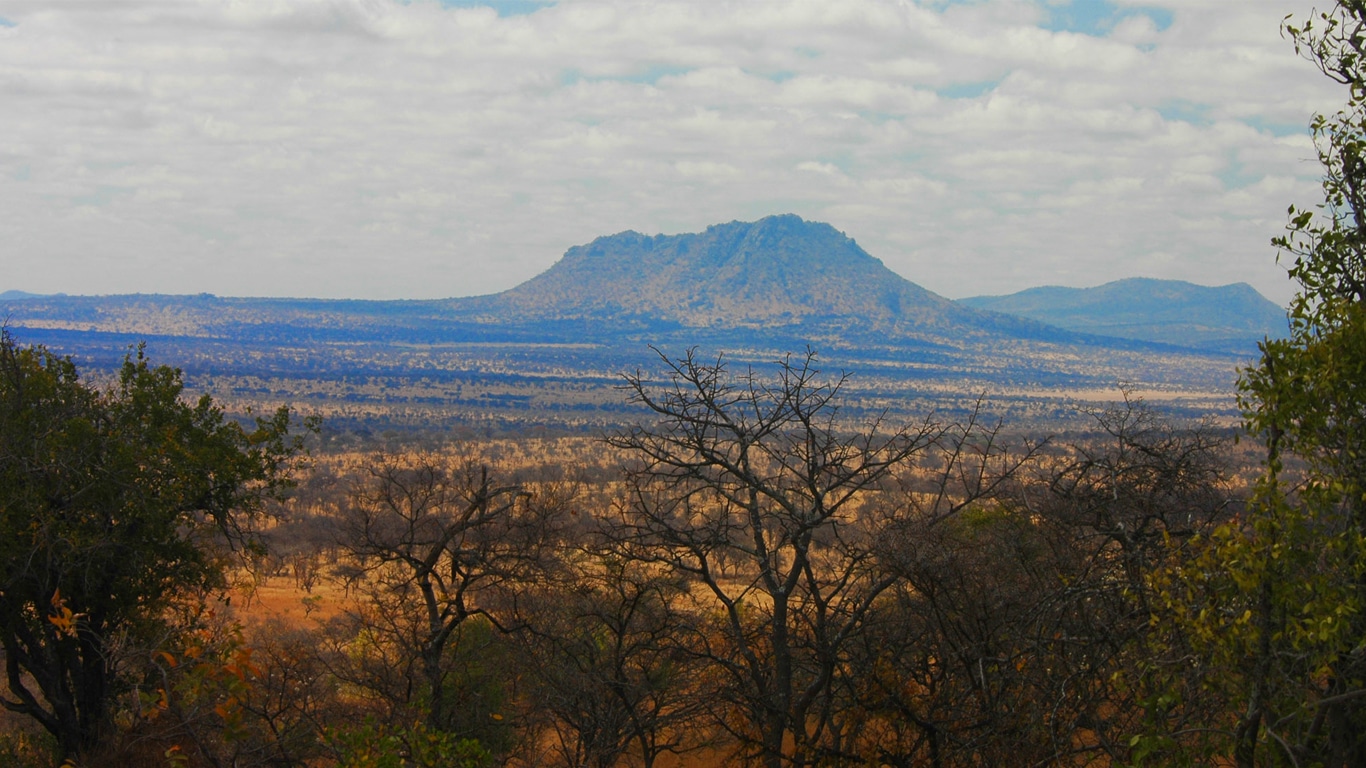
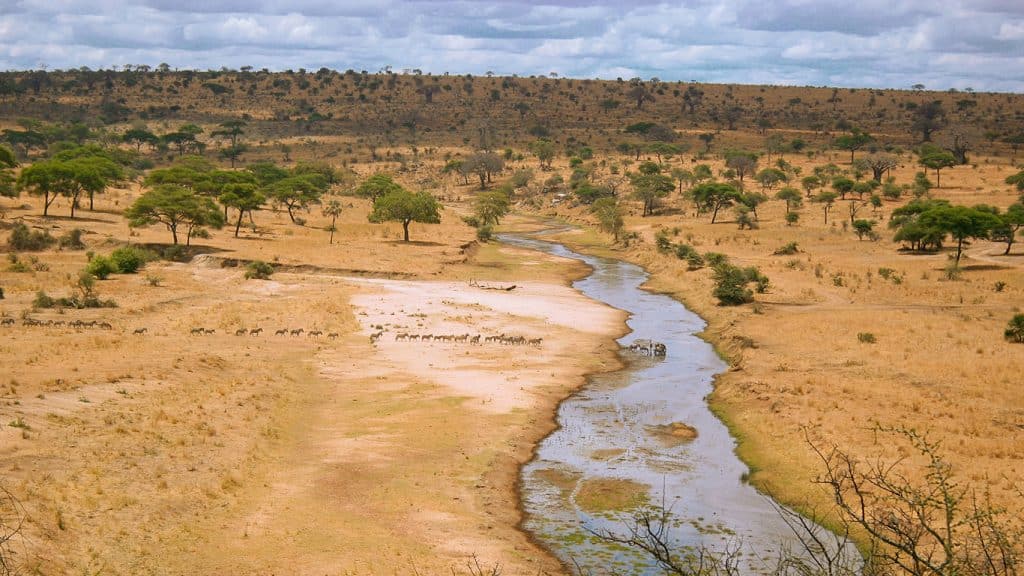
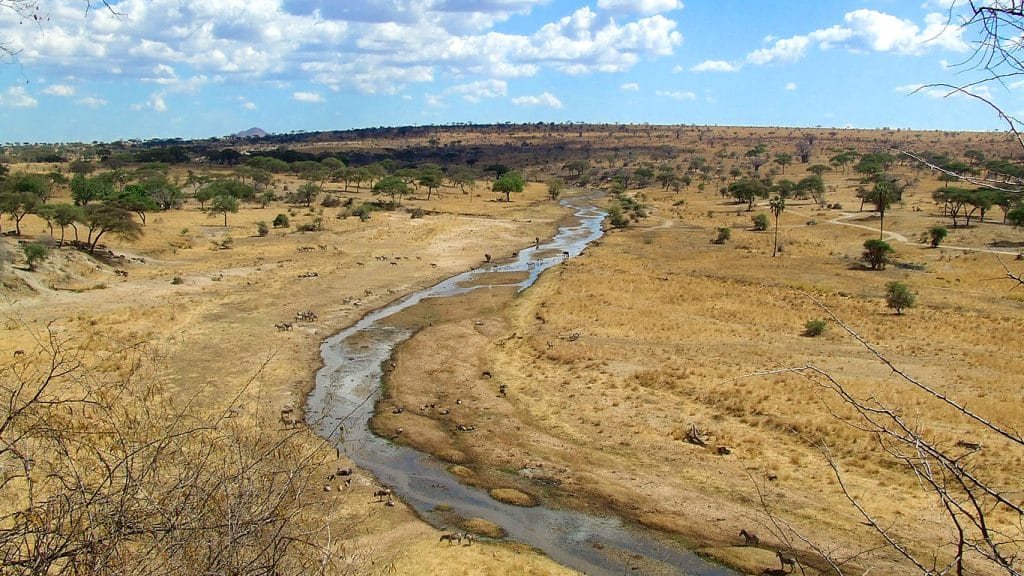
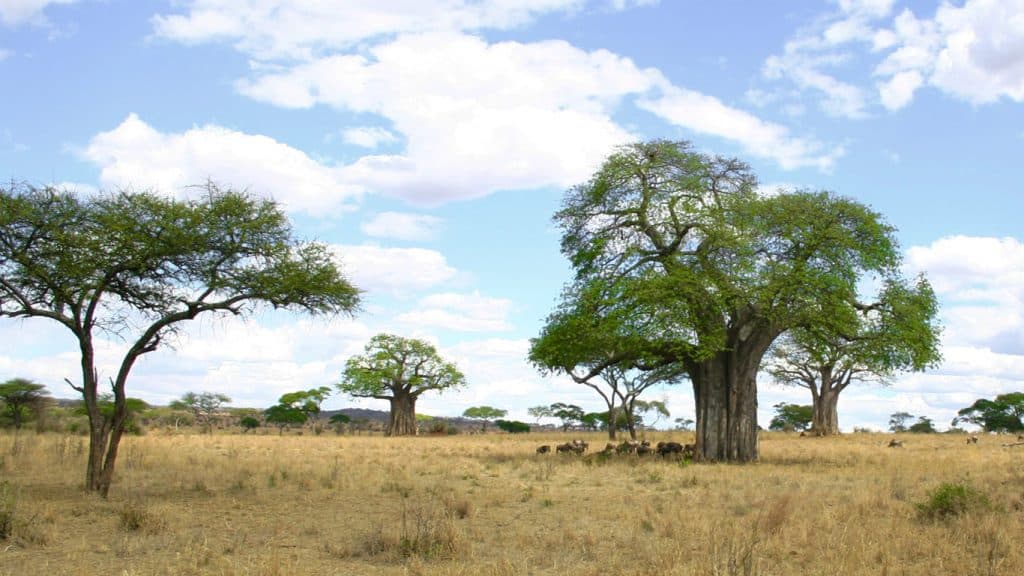
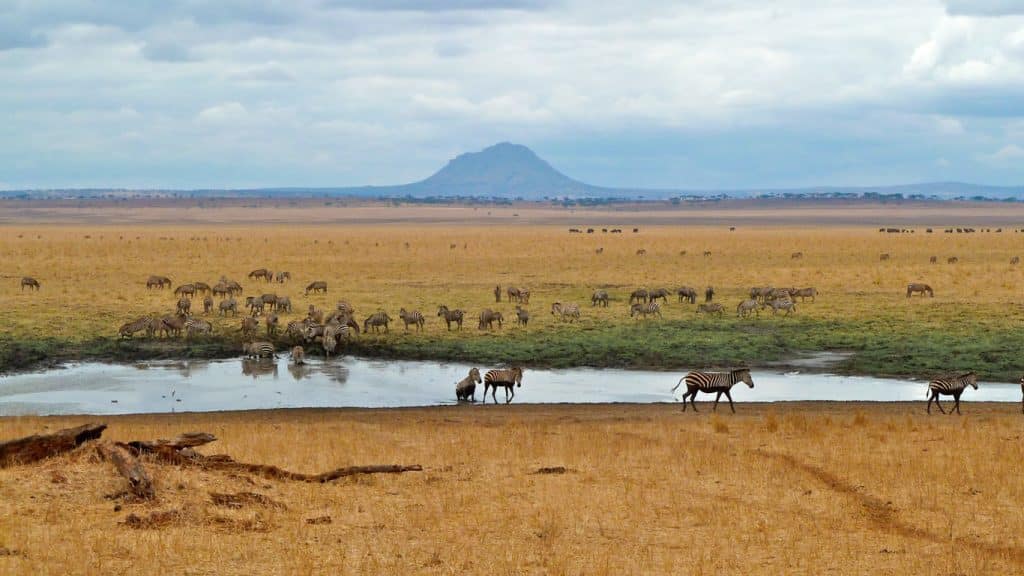
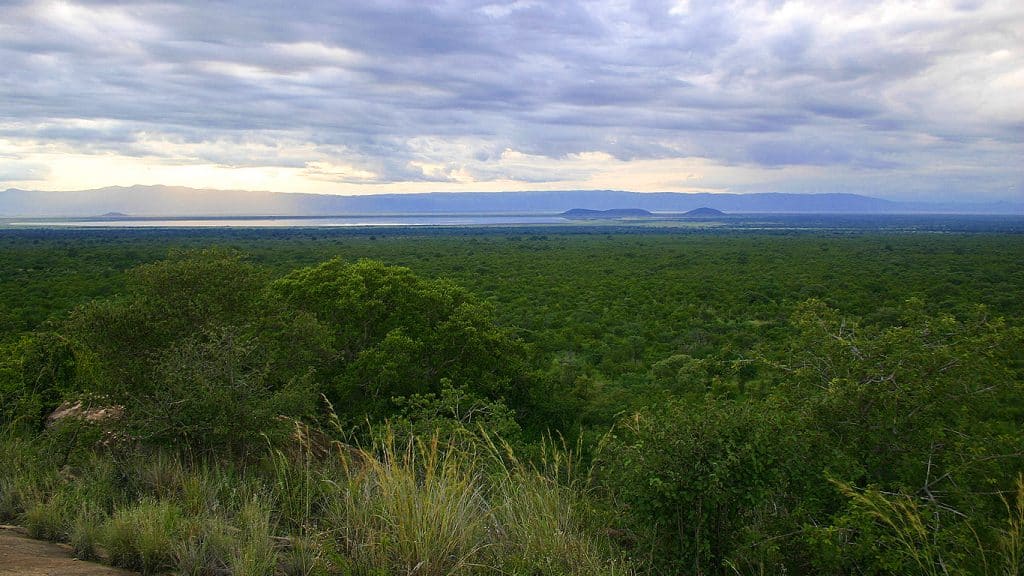
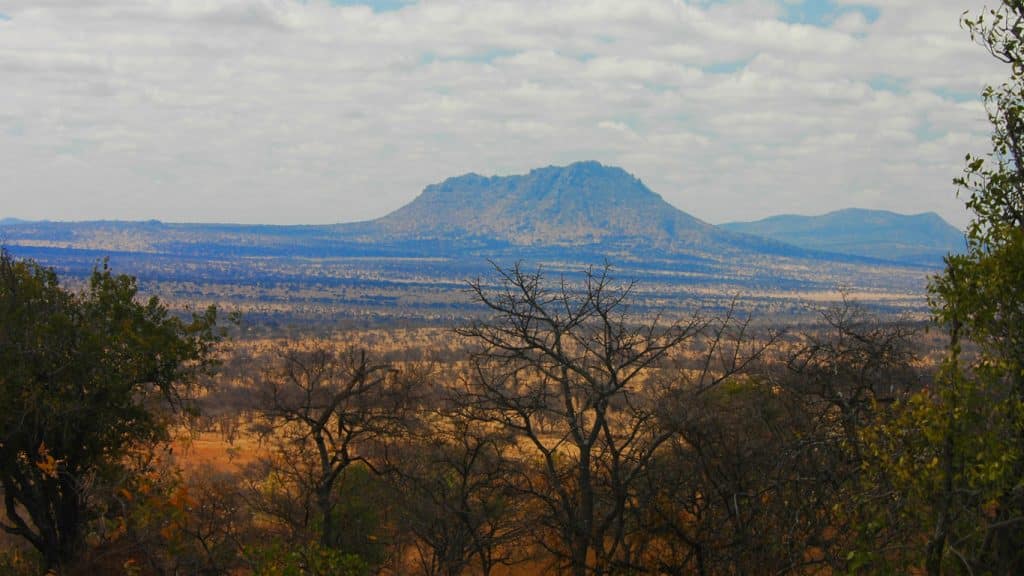
The Kitibong region, surrounding the landmark Kitibong Hill, is one of Tarangire’s most diverse and secluded territories. The landscape shifts from open acacia parklands in the east to dense Dalbergia woodland in the west, bordered by the Mamire and Gursi swamps. Even during the height of the dry season, the region is dotted with “buffalo wallows”—natural depressions in the earth that retain water and attract thirsty wildlife. From the slopes of the hill, you can see the Sangaiwe Hills rising in the distance, marking the edge of the park.
The Buffalo Legions
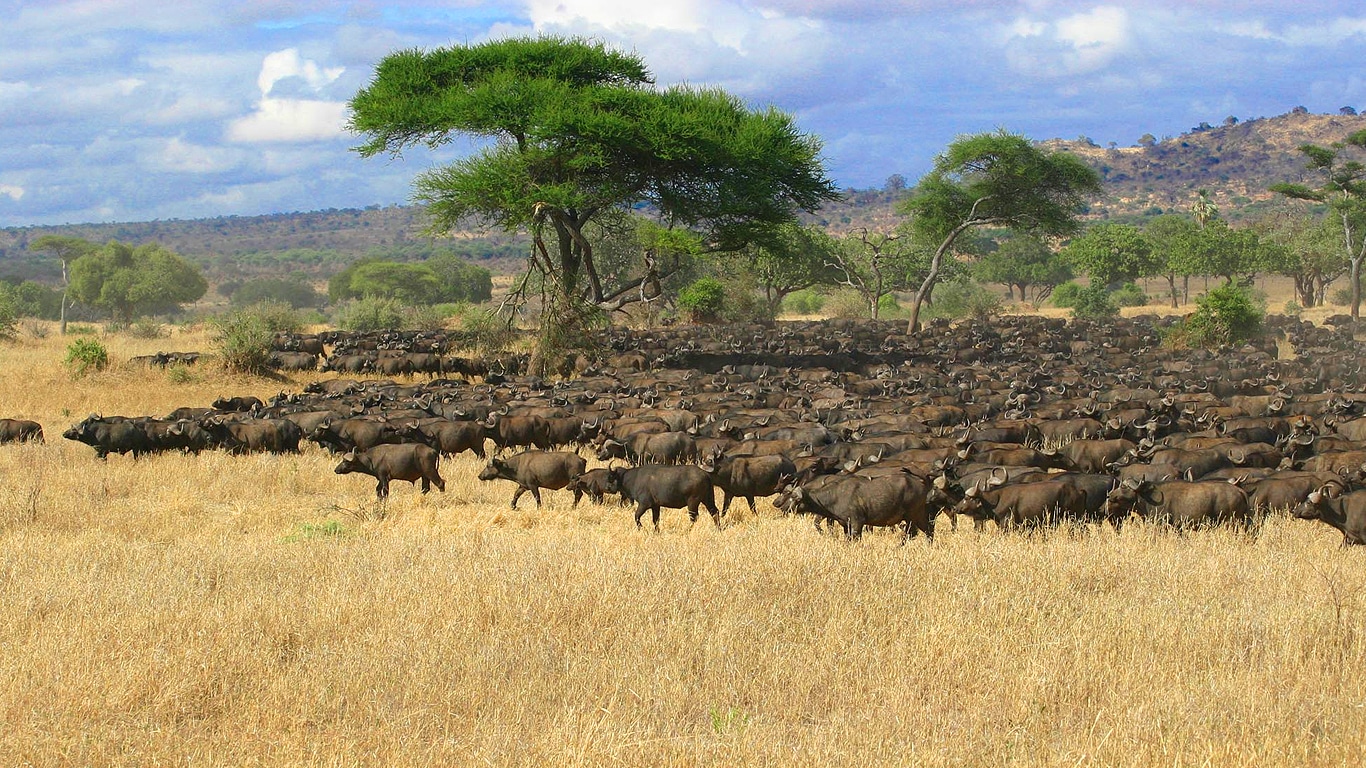
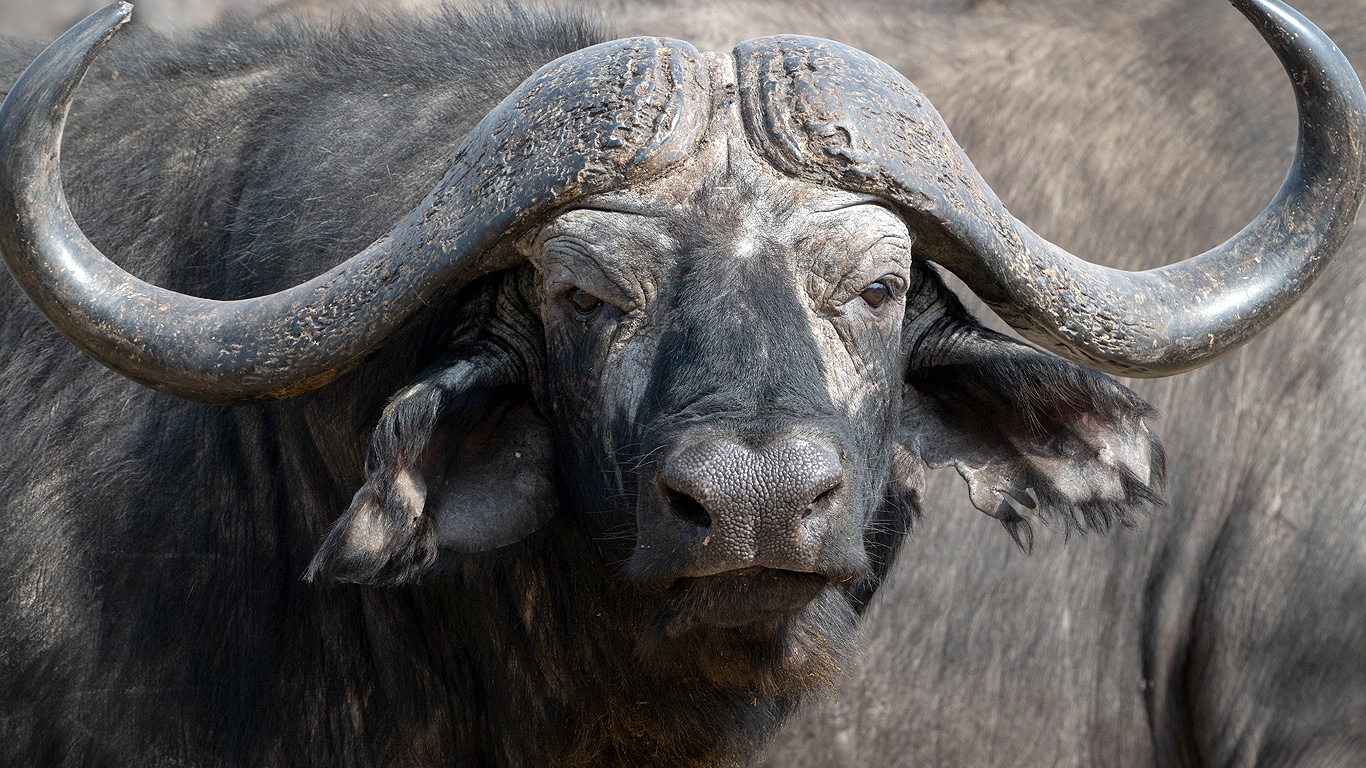
Kitibong is the premier territory for Tarangire’s Cape Buffalo. These “thickly-set” giants with their heavy, armored horn bosses are the primary engineers of the local landscape.
- The Wallowers: Because buffalo struggle to regulate their body temperature, they spend the heat of the day submerged in the mud and water of the Gursi swamp.
- Social Hierarchy: You will see massive mixed-family herds with complex social structures. During the dry season, older “bachelor” bulls often break away to form their own smaller, more cantankerous groups.
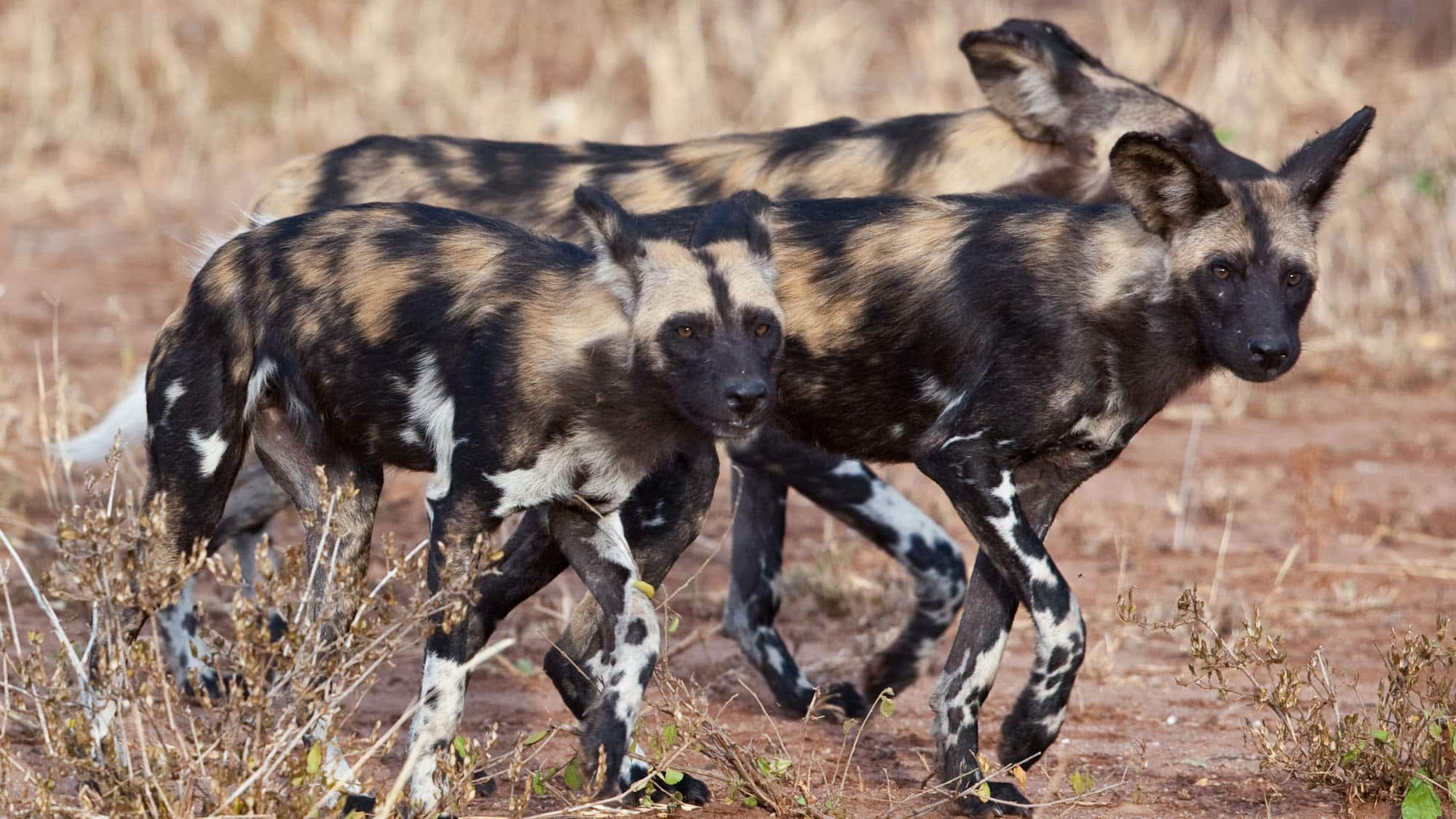
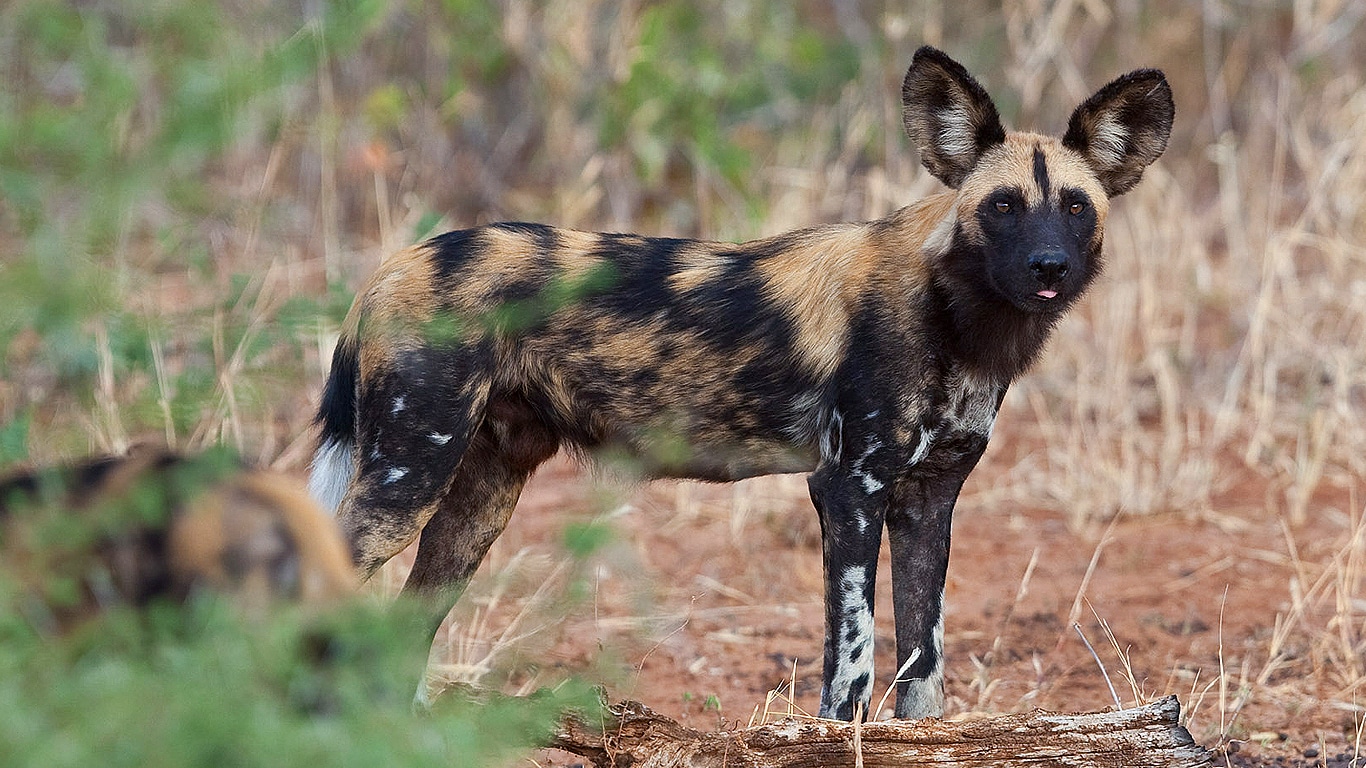
Wildlife Viewing: The “Tie-Dye” HuntersThis region is famous for sightings of the rare and endangered African Hunting Dog (Wild Dog).
- Mottled Coats: These dogs are instantly recognizable by their “tie-dye” fur—a calico arrangement of mustard, mud-colored, black, and white patches.
- Pack Dynamics: Running in highly efficient packs of 6 to 20, they are the most successful hunters in Africa. If you are lucky enough to see them, look for the dominant breeding pair; the rest of the pack are “aunts and uncles” who help raise litters of up to 16 puppies by bringing back food to the den.
Fauna & The “Voices” of the Bush
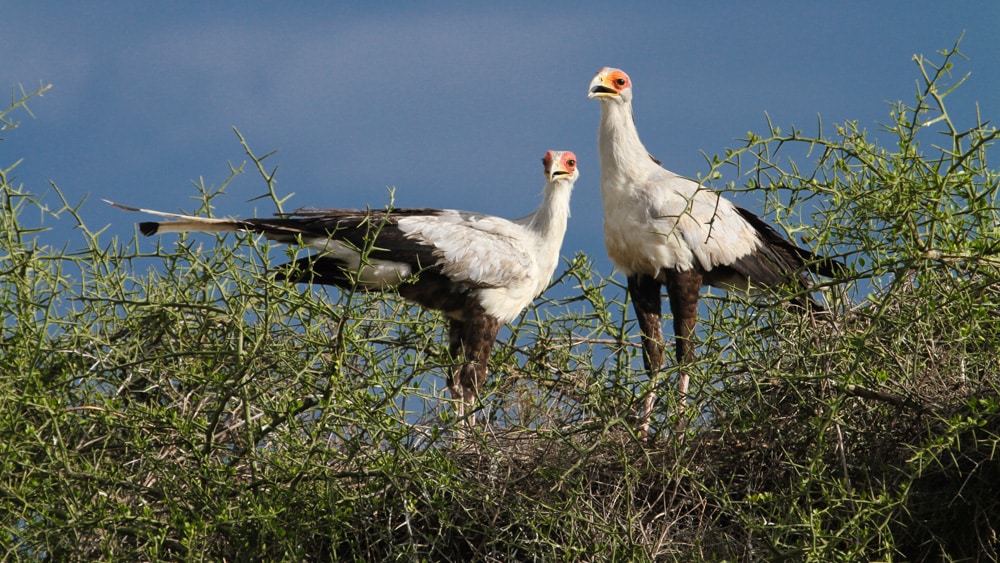
- The Ground Hornbill: This heavy, turkey-like bird is a Kitibong staple. Interestingly, their deep, rhythmic call sounds remarkably like human voices in conversation at a distance—a sound that has startled many a lone traveler in the bush!
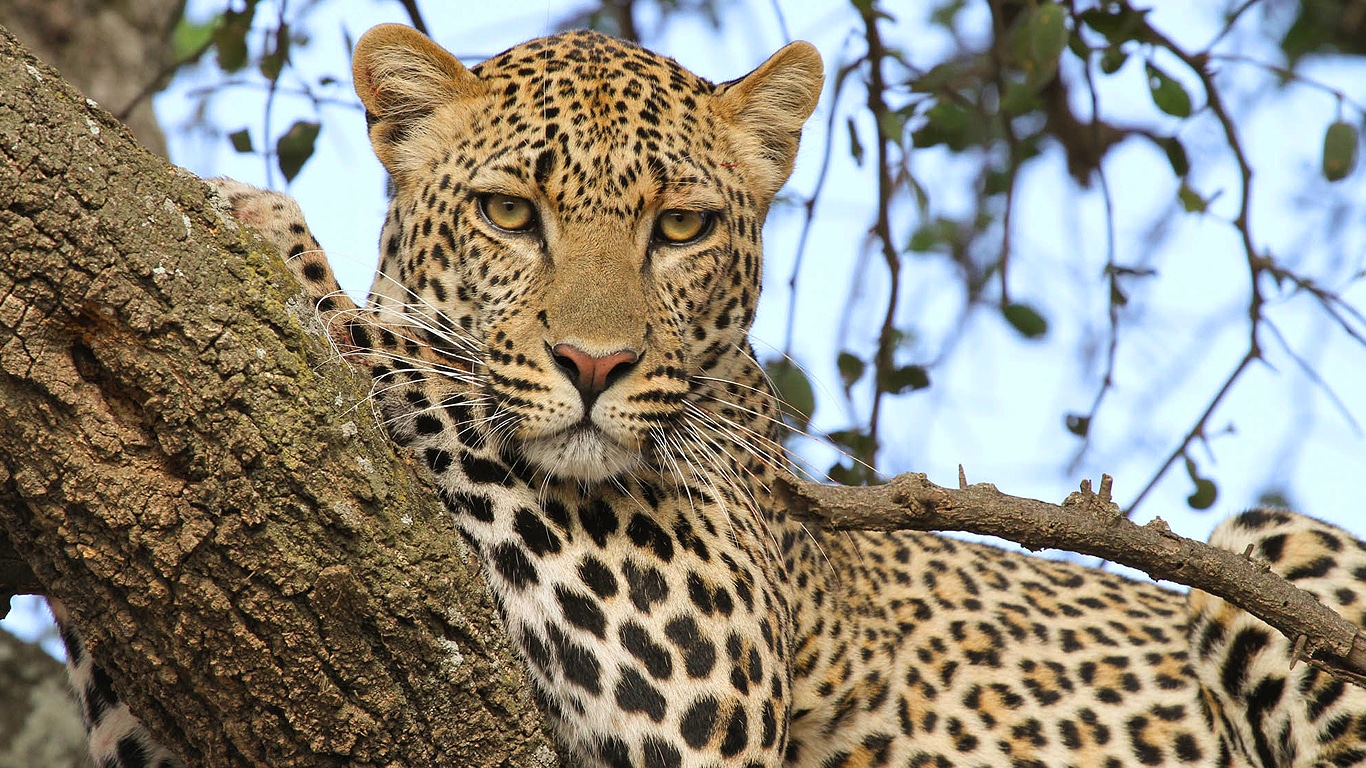
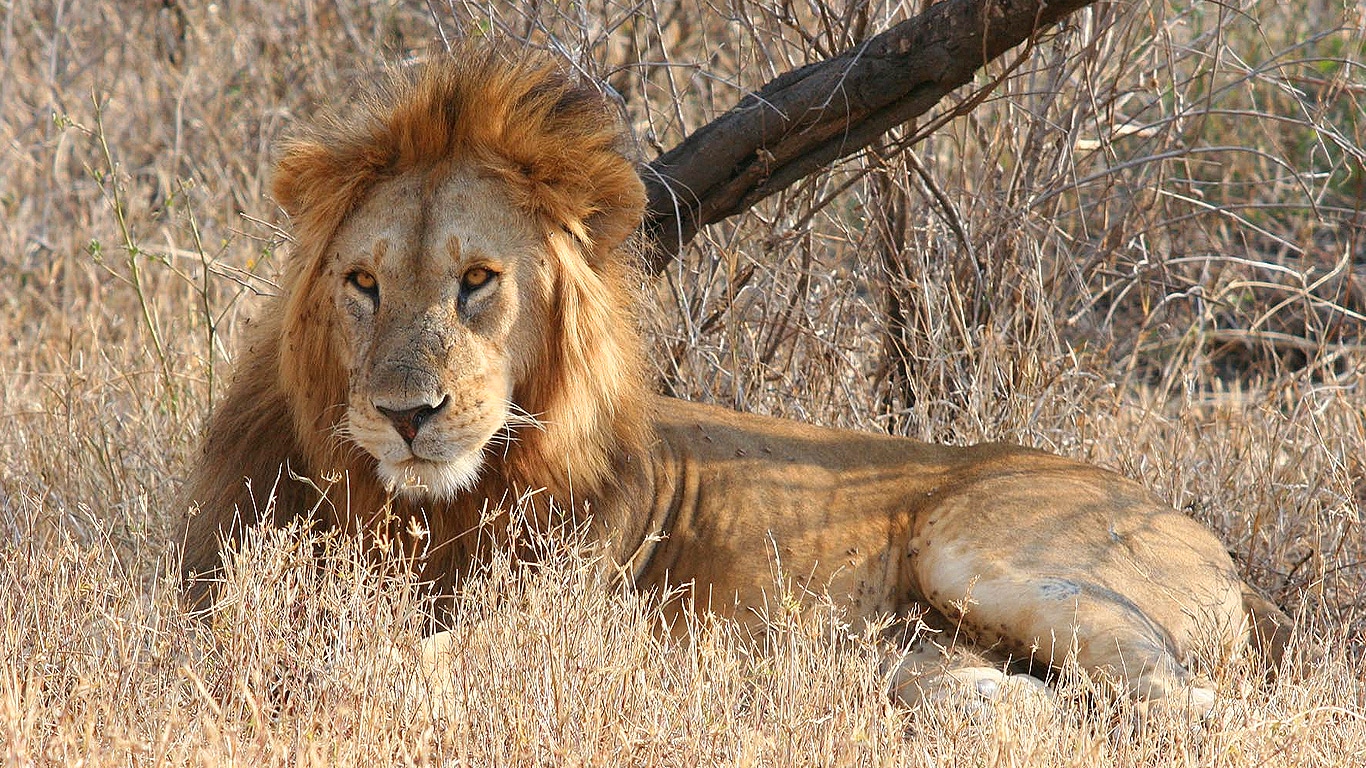
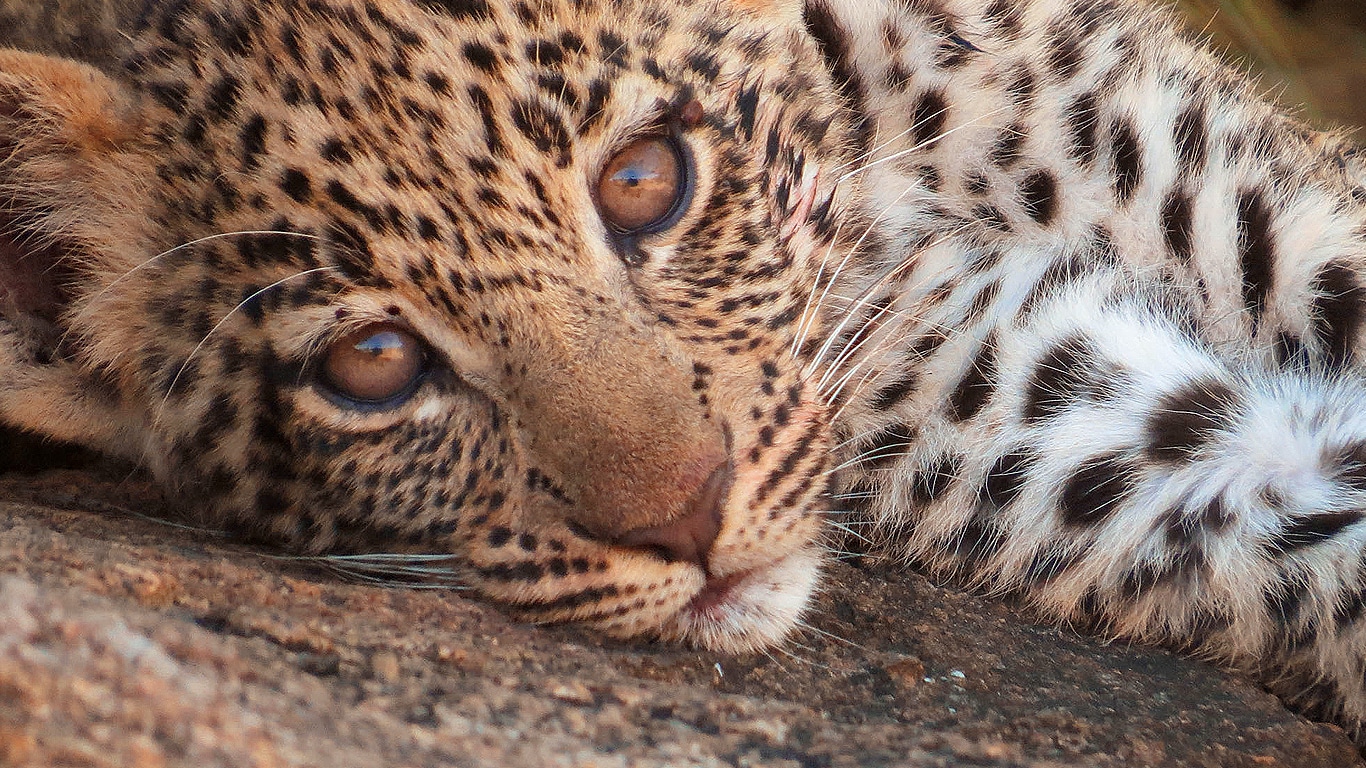
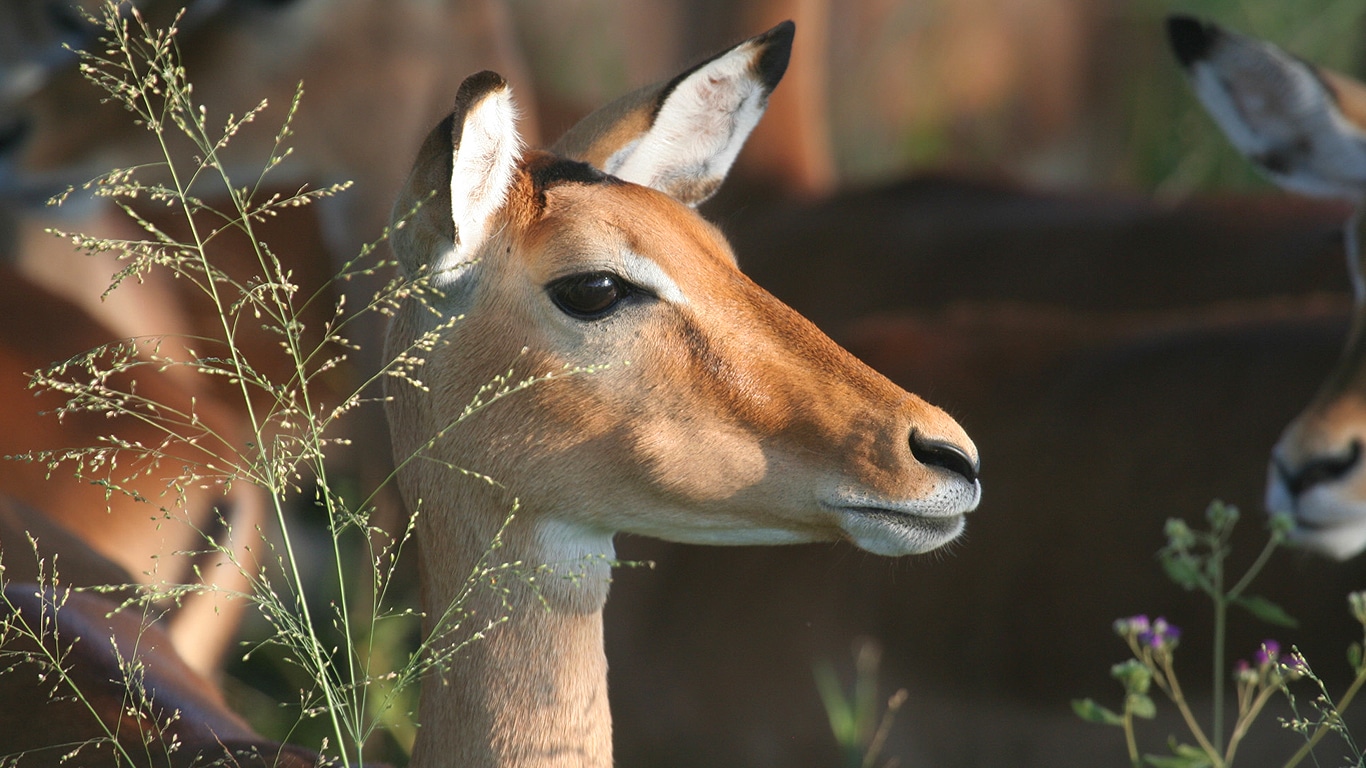
- Impala “Fireworks”: The reddish-tan Impala is abundant here. When a predator like a lion or leopard attacks, the herd “explodes” in all directions, performing spectacular bounds that serve to confuse the hunter.
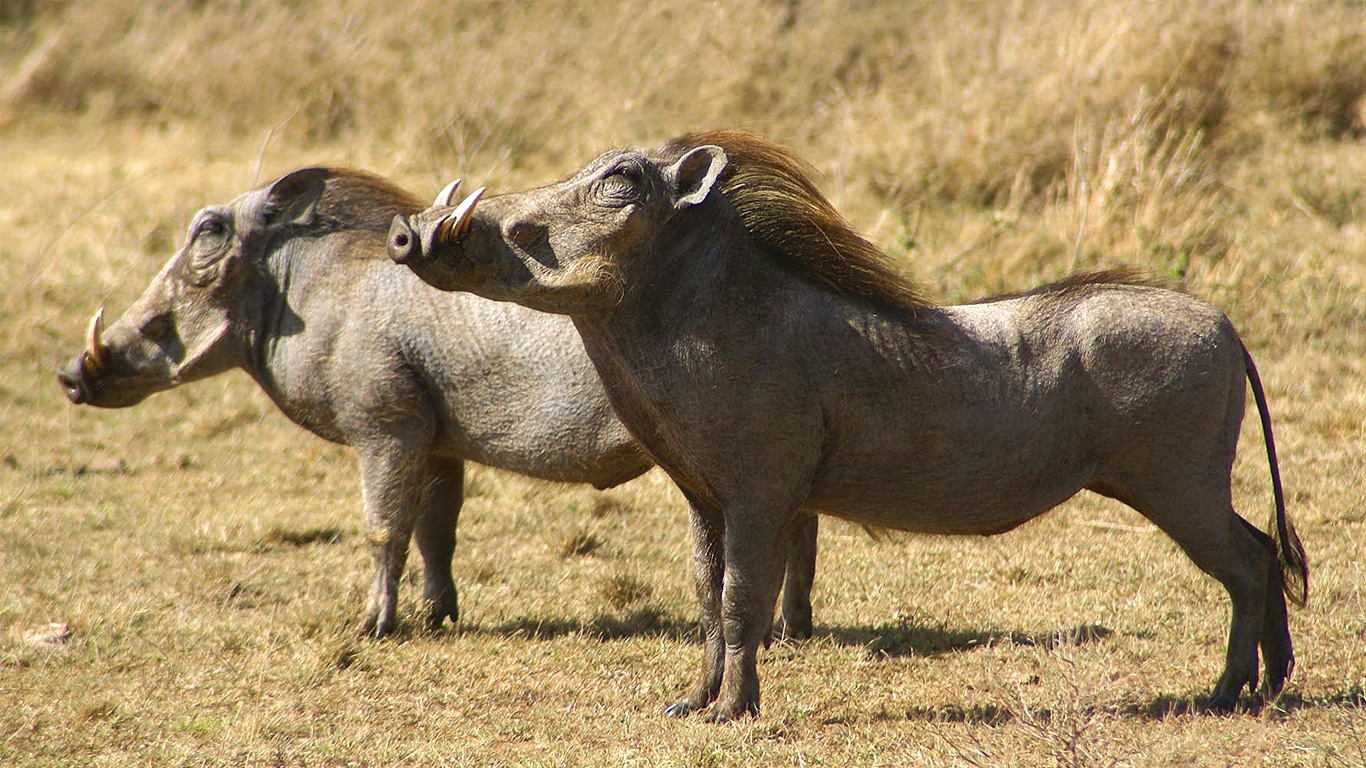
- The Endearing Warthog: Look for Warthogs kneeling to graze or scurrying away with their tails sticking up like radio antennas. While they look comical, their sharp tusks are powerful enough to fend off an attacking lion.
Seasonal Highlights
| Month | Season | Weather | Wildlife Sightings | Rec. |
|---|---|---|---|---|
| Jan | Green Season | 60 - 85 F Mostly sunny with few showers |
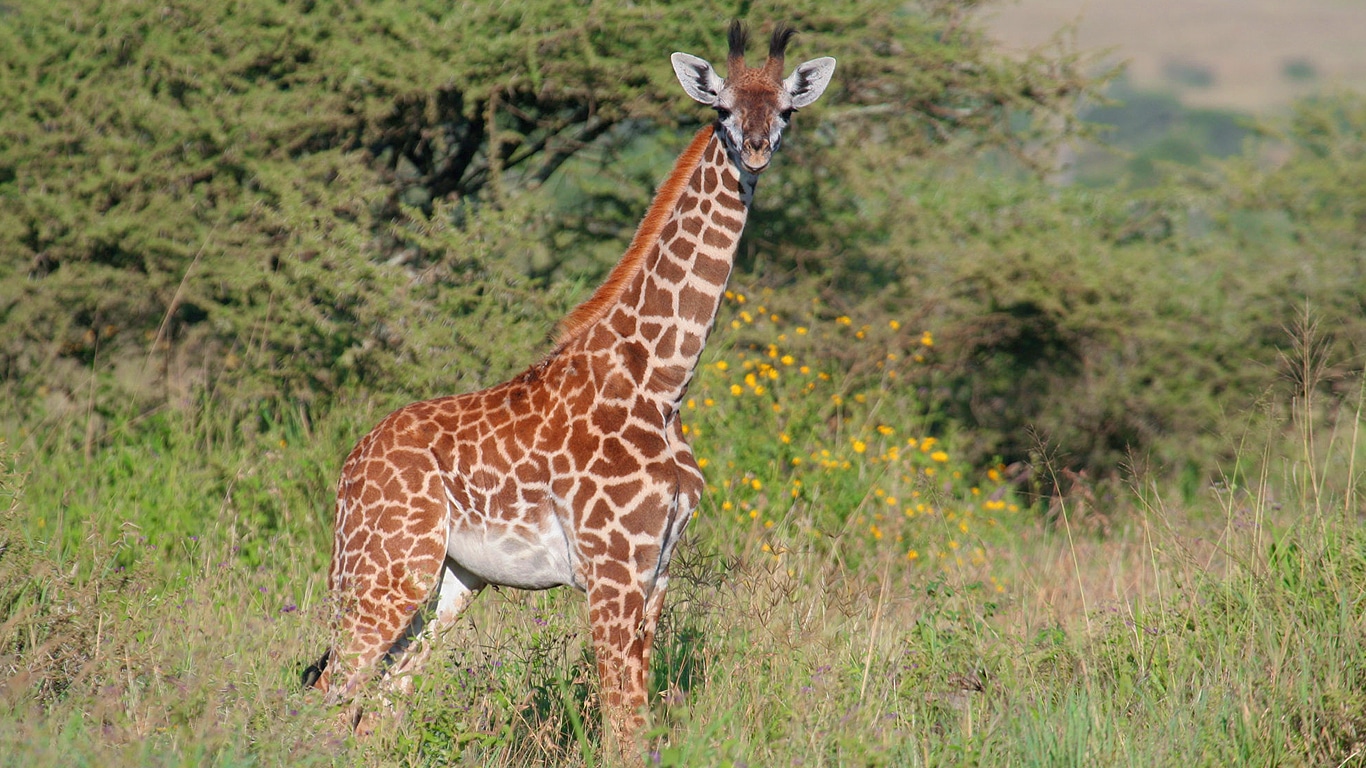
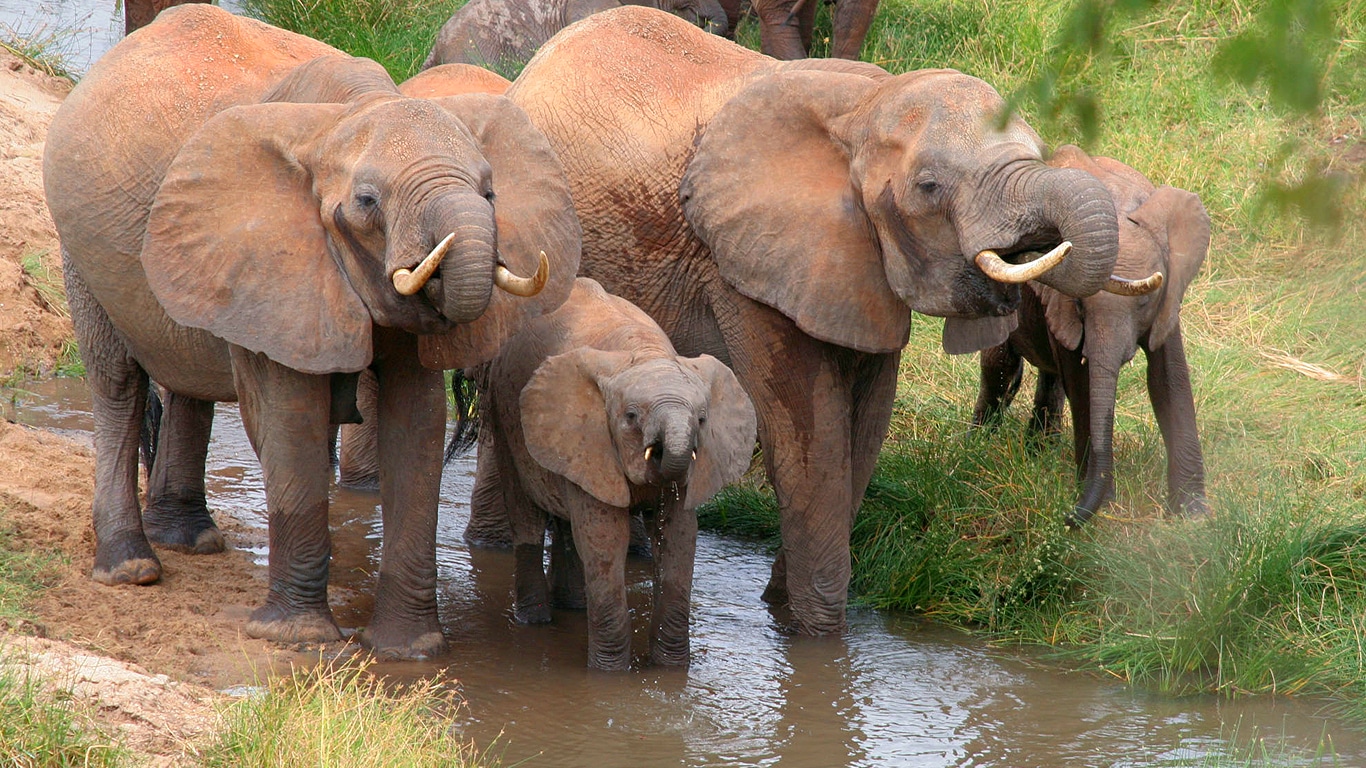
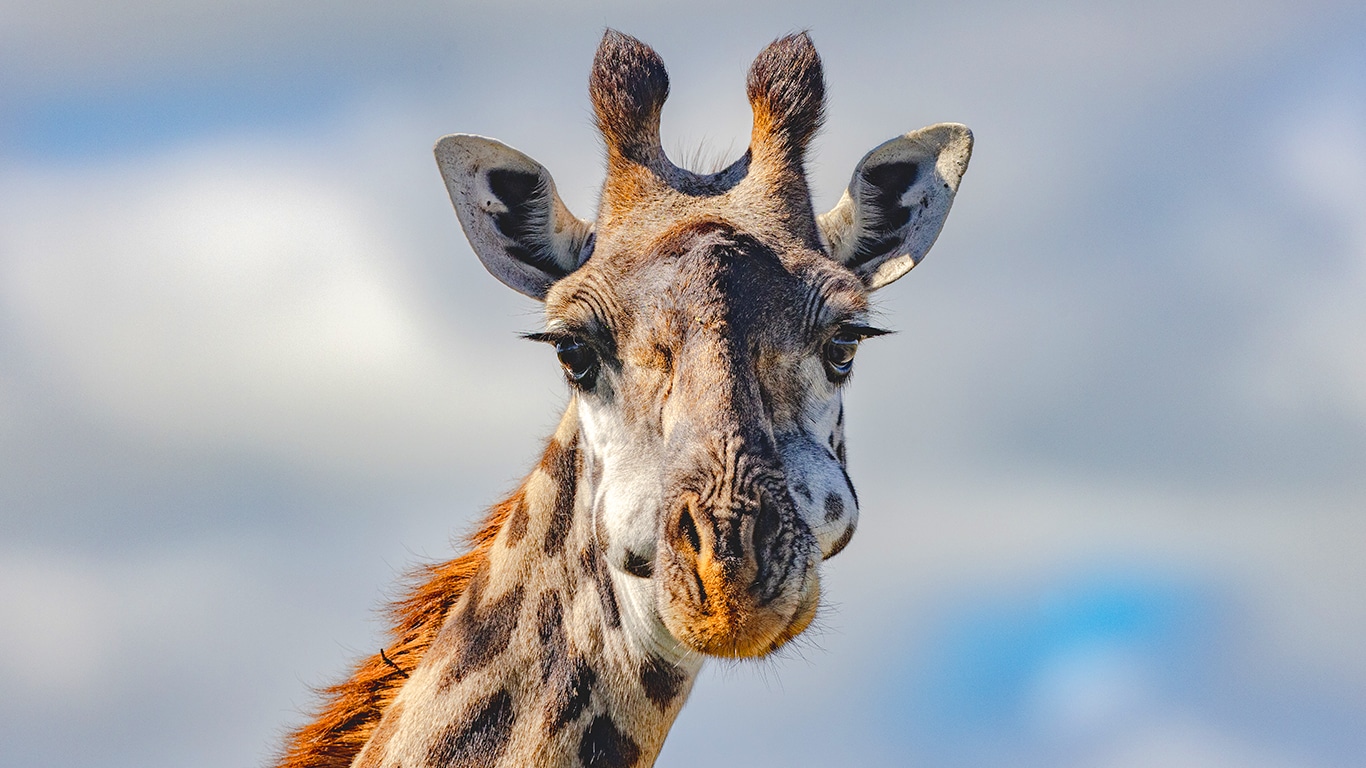
Elephant, Giraffe, Impala, Raptors | Yes |
| Feb | Green Season | 60 - 85 F Mostly sunny with few showers |
Elephant, Giraffe, Impala, Raptors | Yes |
| Mar | Green Season | 60 - 83 F Mostly sunny with few showers |
Elephant, Giraffe, Impala, Raptors | Yes |
| Apr | Green Season | 60 - 83 F Mostly sunny with few showers |
- - - - - | No |
| May | Northward Migration | 56 - 81 F Mostly sunny |
- - - - - | No |
| Jun | Beginning of Dry Season | 56 - 81 F Mostly sunny |
Elephant, Giraffe, Impala, Raptors | Yes |
| Jul | Dry Season | 60 - 83 F Mostly sunny |
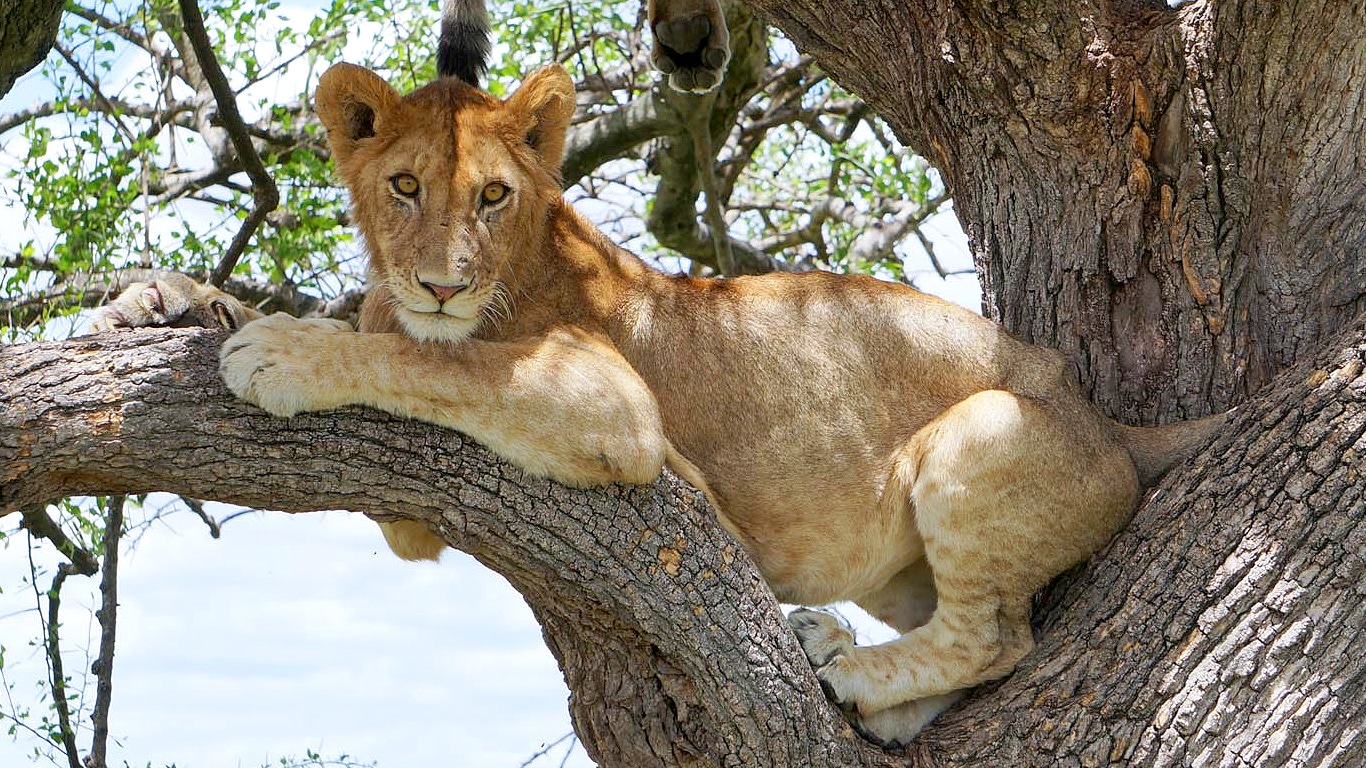
Elephant, Wildebeest, Zebra, Lion, Giraffe, Impala, Raptors | Yes |
| Aug | Dry Season | 55 - 81 F Mostly sunny |
Elephant, Wildebeest Migration, Zebra, Lion, Giraffe, Impala, Raptors | Yes |
| Sep | Dry Season | 55 - 81 F Mostly sunny |
Elephant, Wildebeest, Zebra, Lion, Giraffe, Impala, Raptors | Yes |
| Oct | Dry Season | 60 - 83 F Mostly sunny |
Elephant, Wildebeest, Zebra, Lion, Giraffe, Impala, Raptors | Yes |
| Nov | Southward Migration | 60 - 83 F Mostly sunny with few showers |
Elephant, Lion, Giraffe, Impala, Raptors | Yes |
| Dec | Beginning of Green Season | 60 - 83 F Mostly sunny with few showers |
Elephant, Giraffe, Impala, Raptors | Yes |
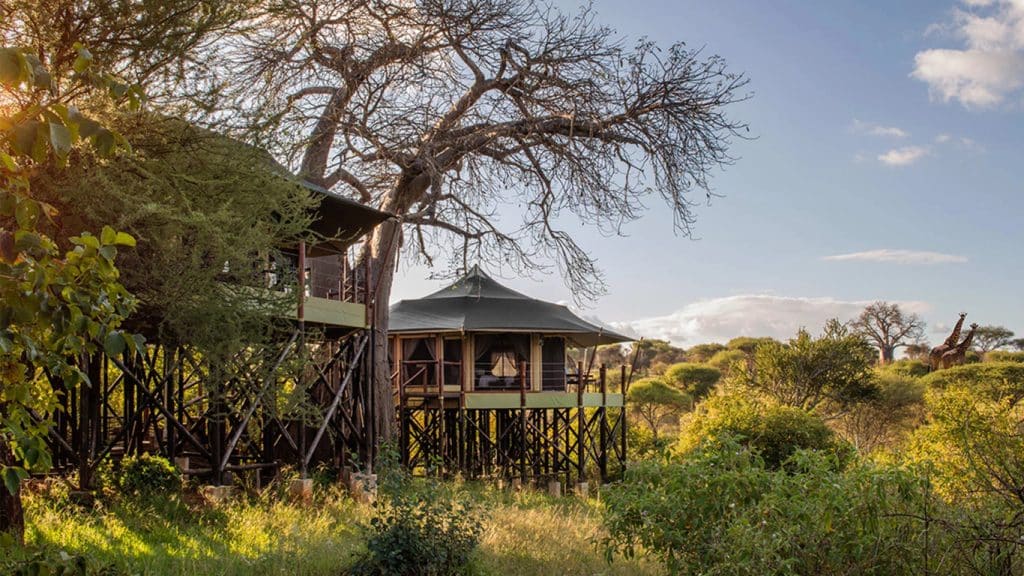
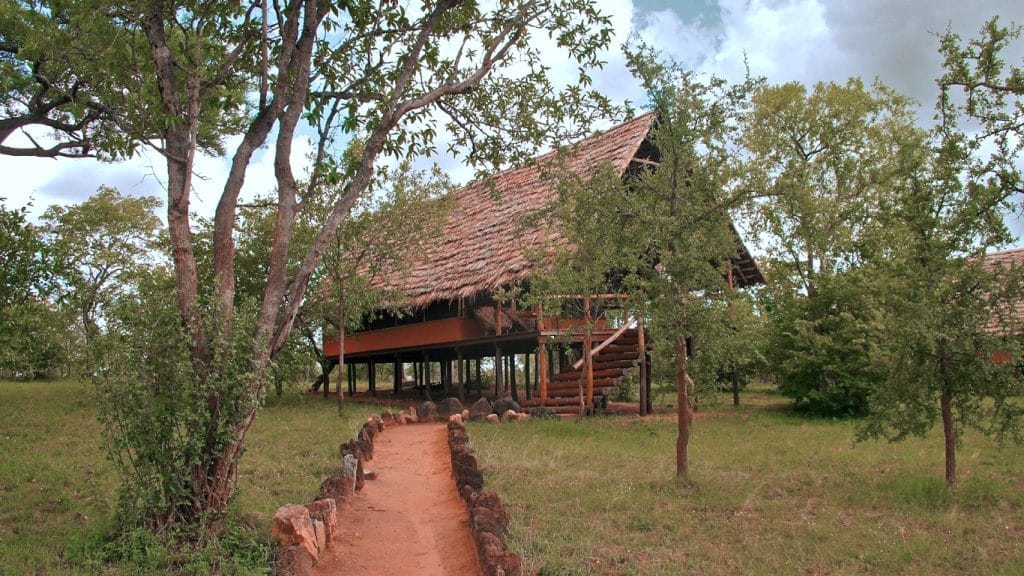
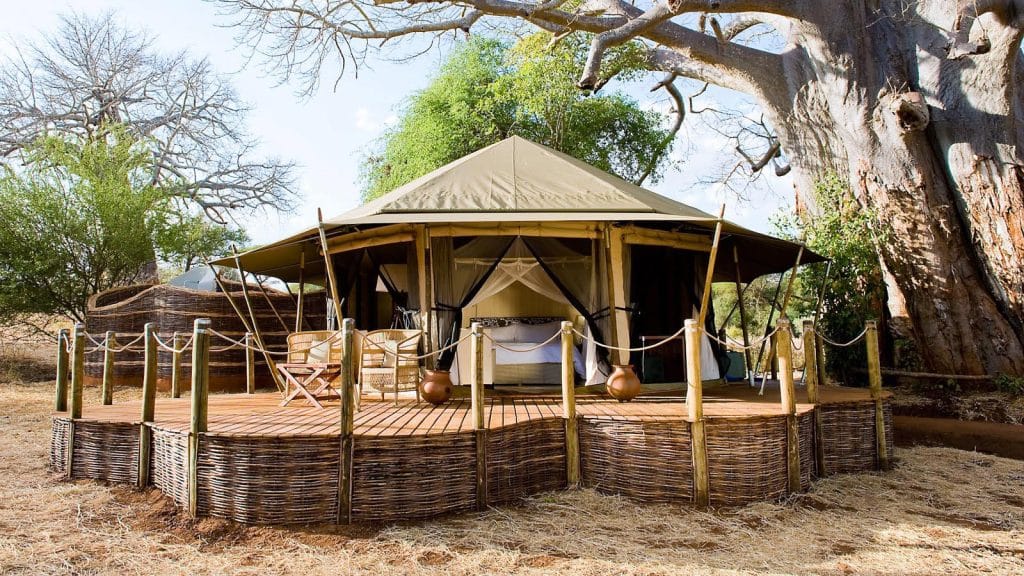
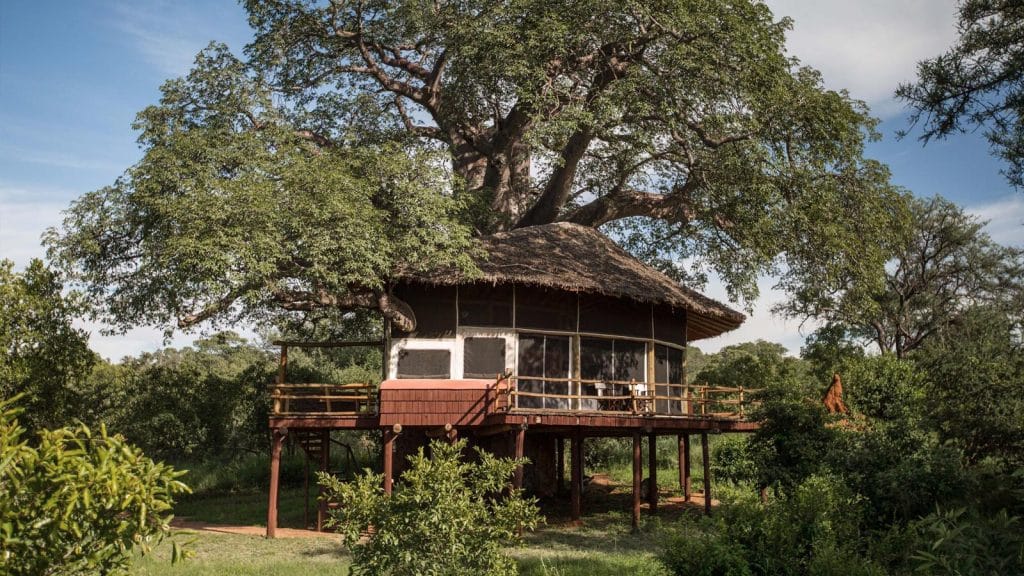
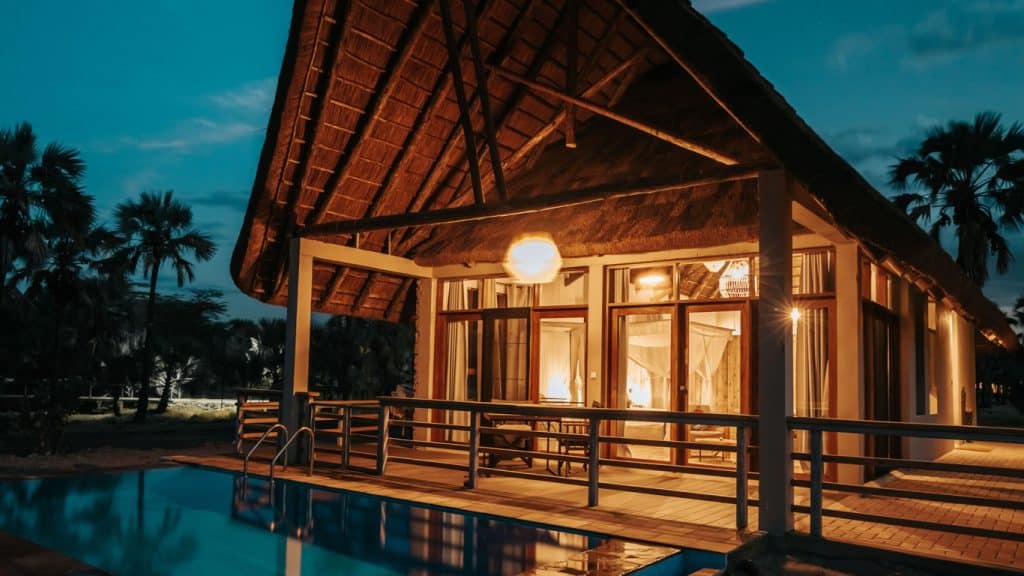
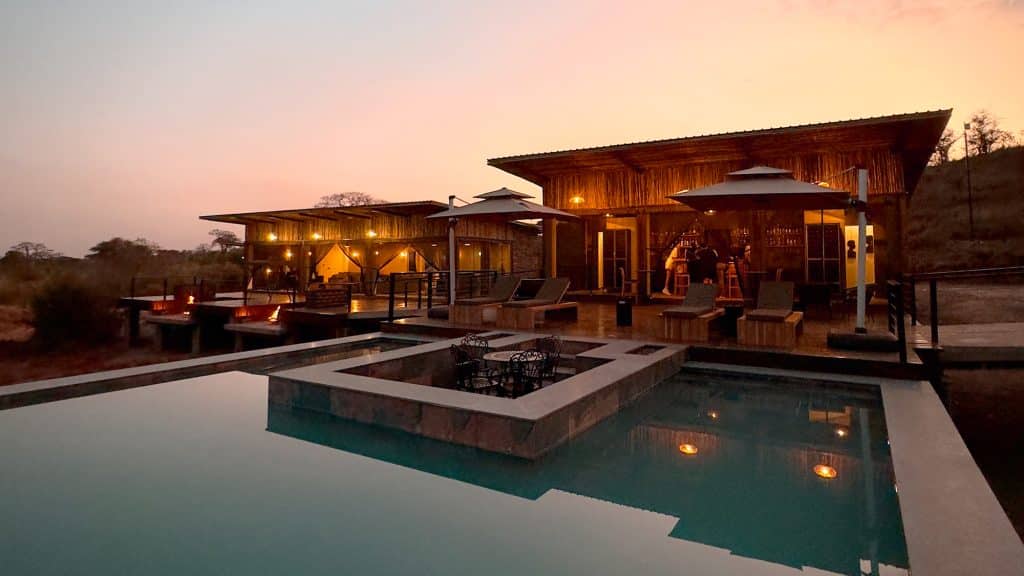
Nearby Lodges

Nearby Attractions


What are you waiting for?
Create Your Own Itinerary
Receive instant day-by-day trip details designed just for you including rates, seasonal highlights, guest testimonials, photos & more!
Get In Touch
Our Safari Specialists Are Ready to Help Kickstart Your Adventure
Toll-Free
US Office
31244 Palos Verdes Dr. West, Suite 239 Rancho Palos Verdes, CA 90275
Hours: Daily 8AM - 8PM PST
Drop Us A Line
Leave your contact info below