
Matiti Plains
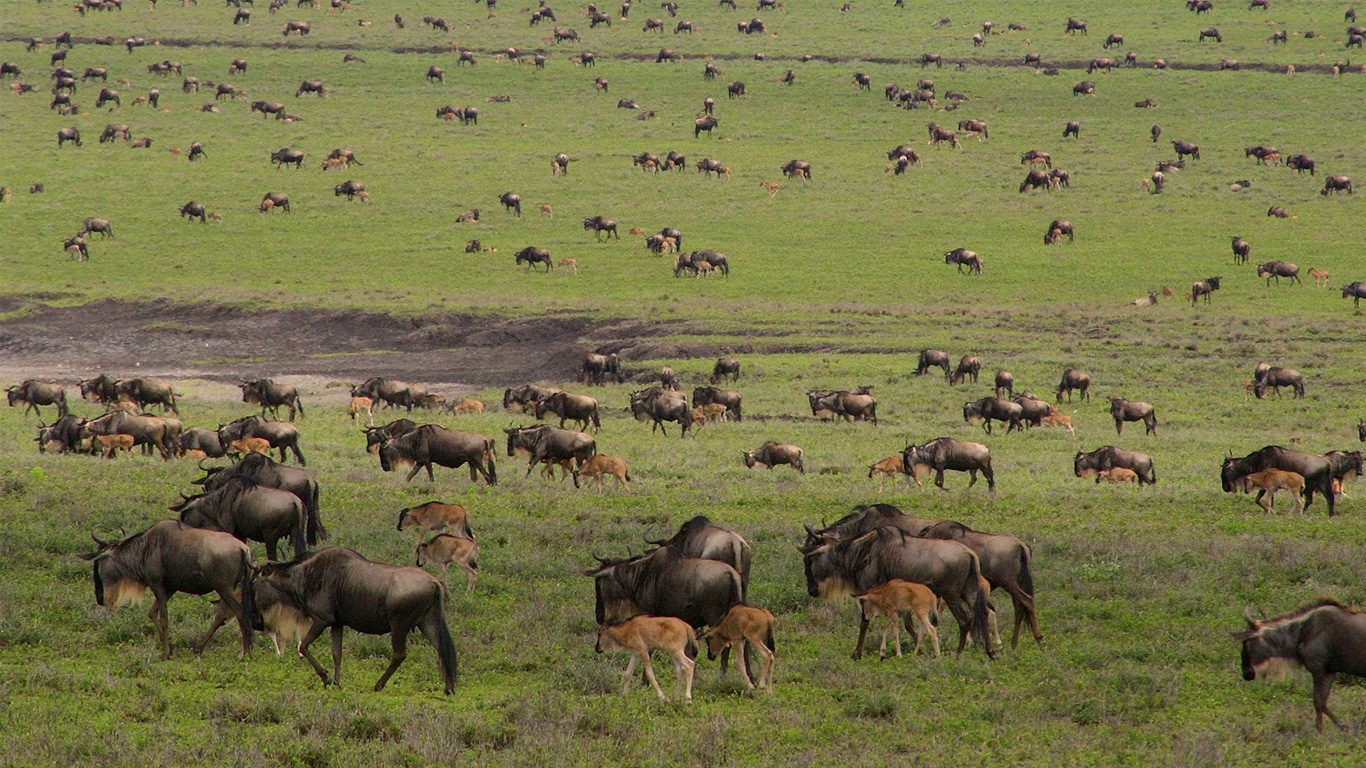
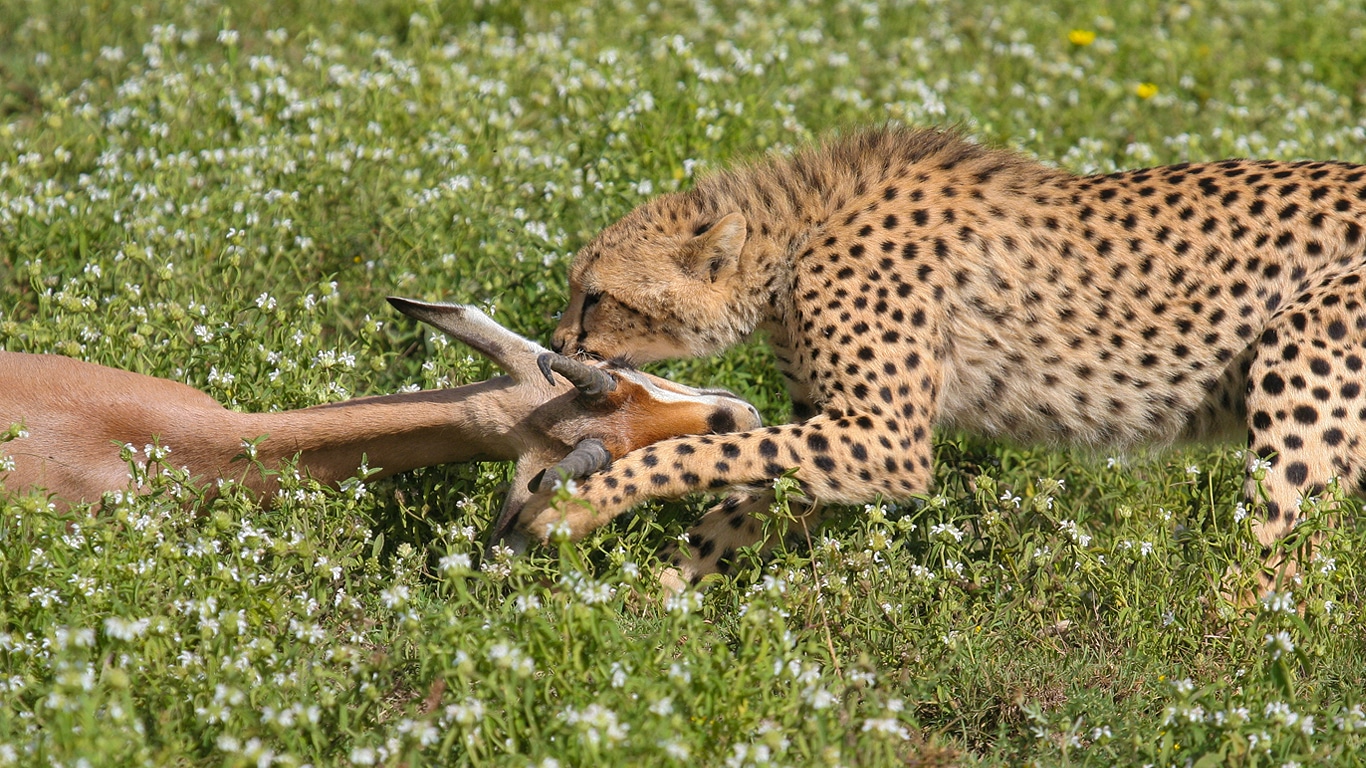
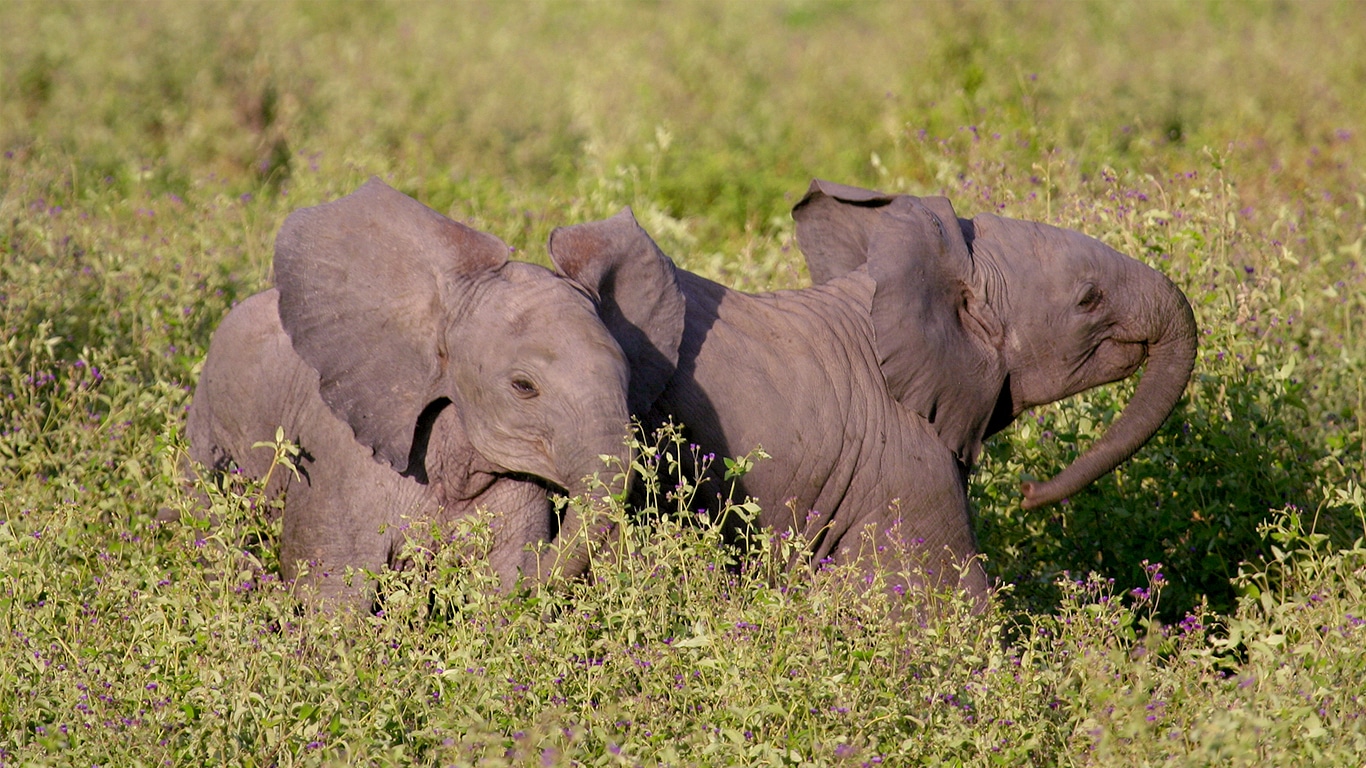
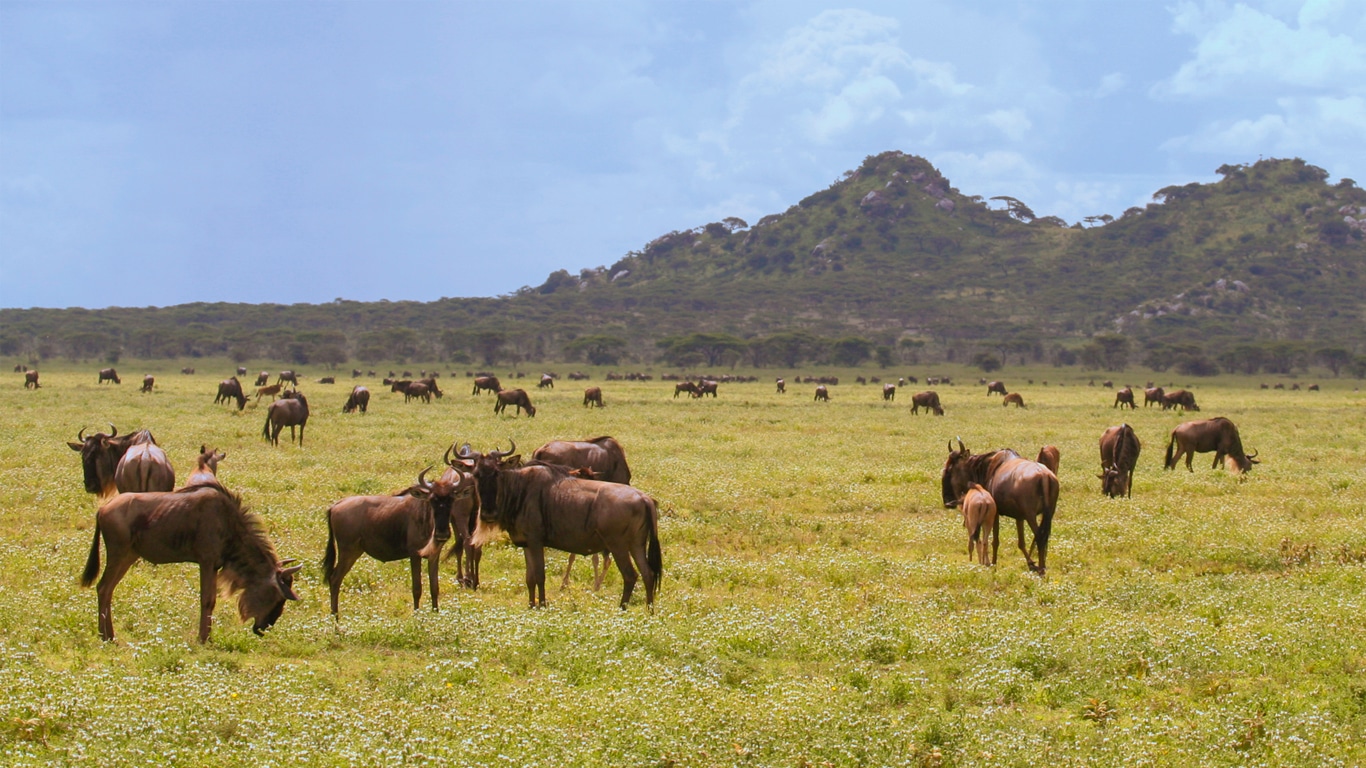
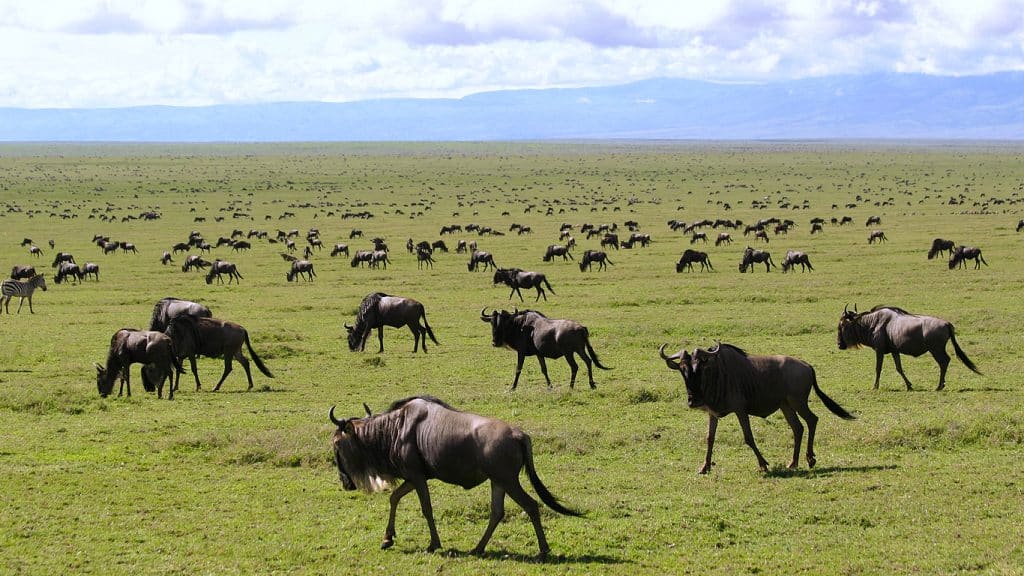
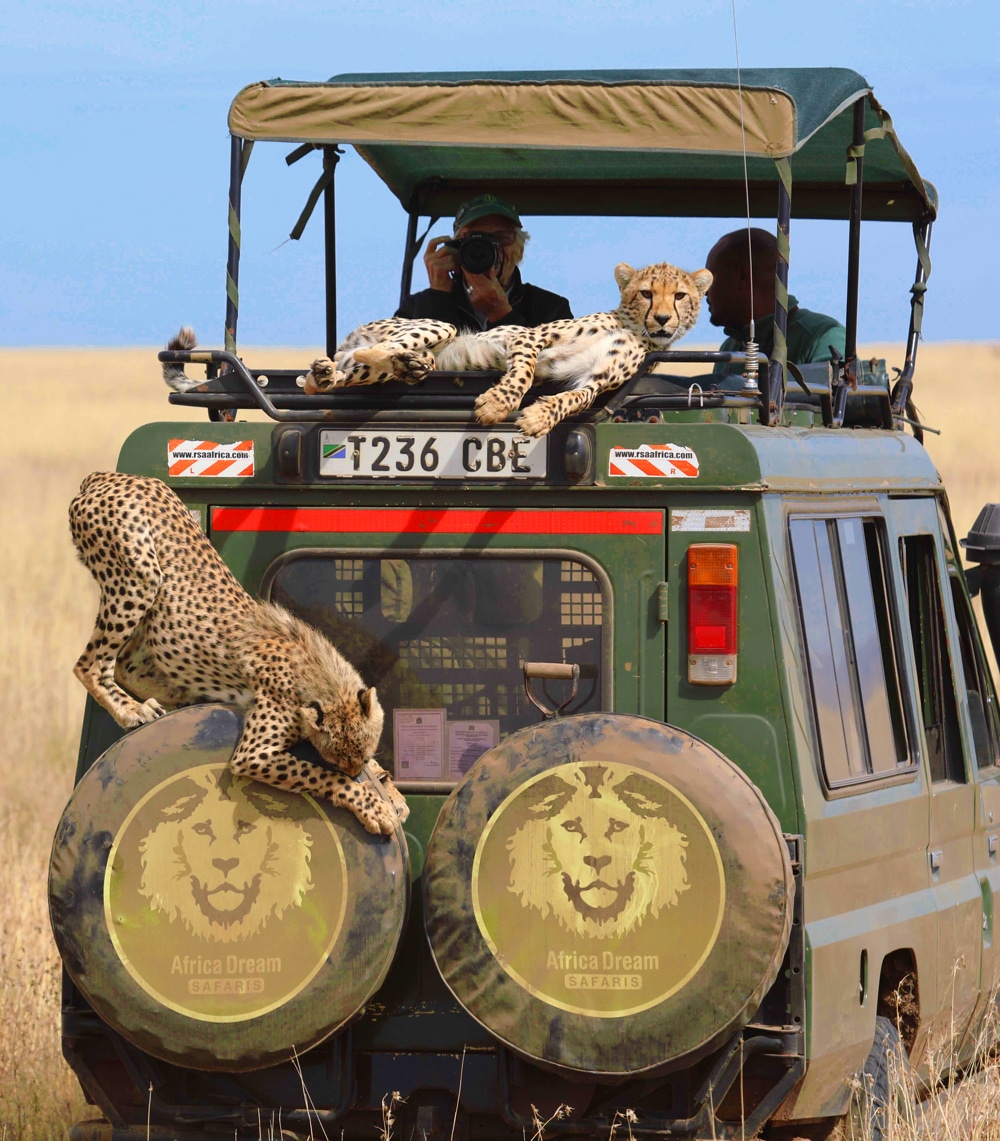
Dominated by the iconic Twin Hills, the Matiti Plains are the primary stage for the wildebeest calving season from Jan to Mar. These sweeping short-grass plains offer a high-biomass spectacle and are arguably the best area for viewing cheetahs in action.
Details
The Matiti Plains, covering a vast 150 square miles, represent the “nursery” of the Serengeti. This expansive region is most famous for hosting the massive female herds of the Great Migration during their most vulnerable and vital time of year. While much of the southern Serengeti is used for grazing, Matiti is specifically prized for its high-nutrition grasses that facilitate the calving season. It offers a spectacular “off the beaten path” experience, providing a raw and intimate look at the beginning of the circle of life in one of the highest biomass areas on the planet.
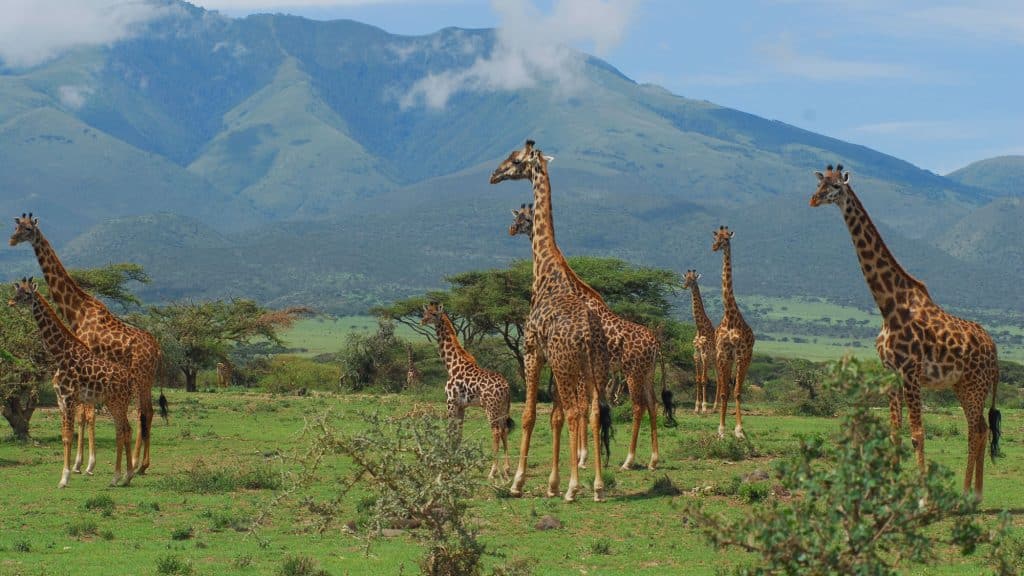
The landscape is defined by the Twin Hills (also known as the Naibardad Hills), which tower over the surrounding flats as a singular, wooded landmark. The plains themselves are classic short-grass savanna, characterized by volcanic-rich soil that keeps the grass short and highly mineralized. Unlike the woodland-adjacent regions, Matiti is exceptionally open, providing the “infinite horizon” look that defines the Serengeti. This openness is a strategic evolutionary choice; the lack of cover makes it difficult for predators to approach the birthing herds undetected.
Matiti is a seasonal powerhouse, with wildlife viewing peaking between January and March:
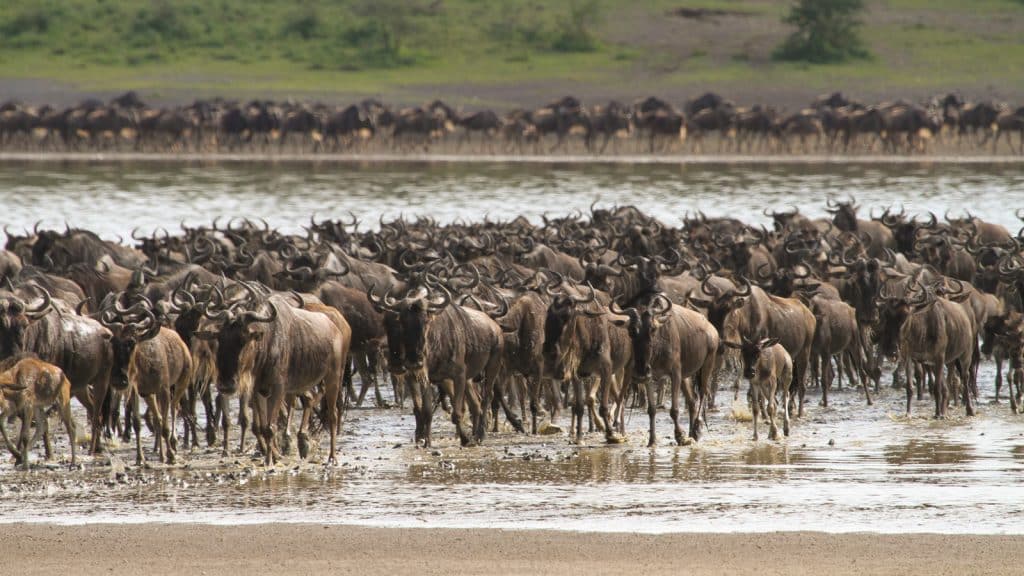
- The Calving Phenomenon: This is the primary region where hundreds of thousands of wildebeest congregate to give birth. Newborn calves are among the most precocious in the animal kingdom—they can stand within 7 minutes of birth and are running with the herd shortly after.
- The “Birth Spike” Strategy: Unique among Serengeti species, wildebeest utilize a survival strategy known as “predator swamping.” They exhibit a highly synchronized birth spike, typically in early February, where 90% of the calves are dropped within a narrow two-week window. By “flooding the market,” they ensure that while predators will feast, they can only consume a small fraction of the massive number of newborns.
- Environmental Triggers: The timing of this spike is flexible and dictated entirely by the rains. Wildebeest will hold their labor until conditions are perfect—ensuring access to water and lush green grass. In a drought year, they may delay until March, while a wet season might see the “flood” begin as early as January.
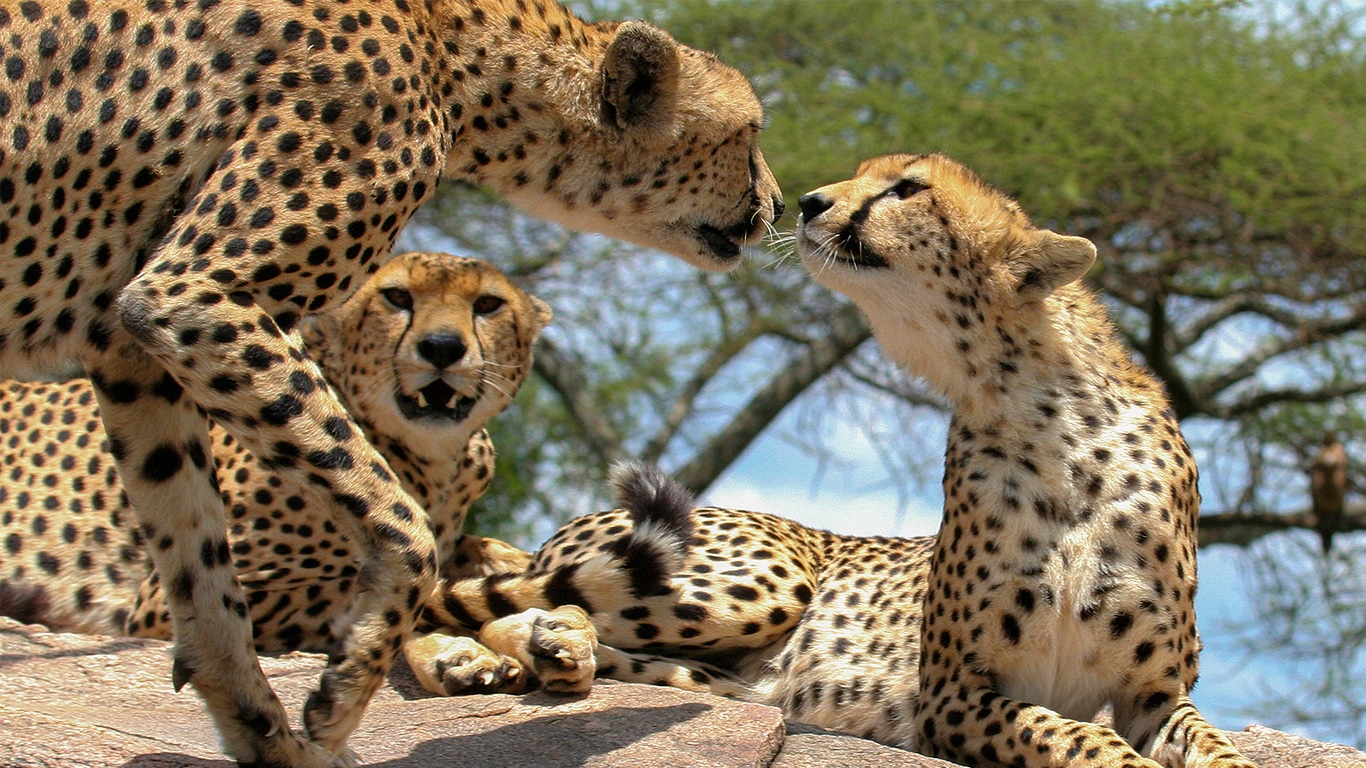
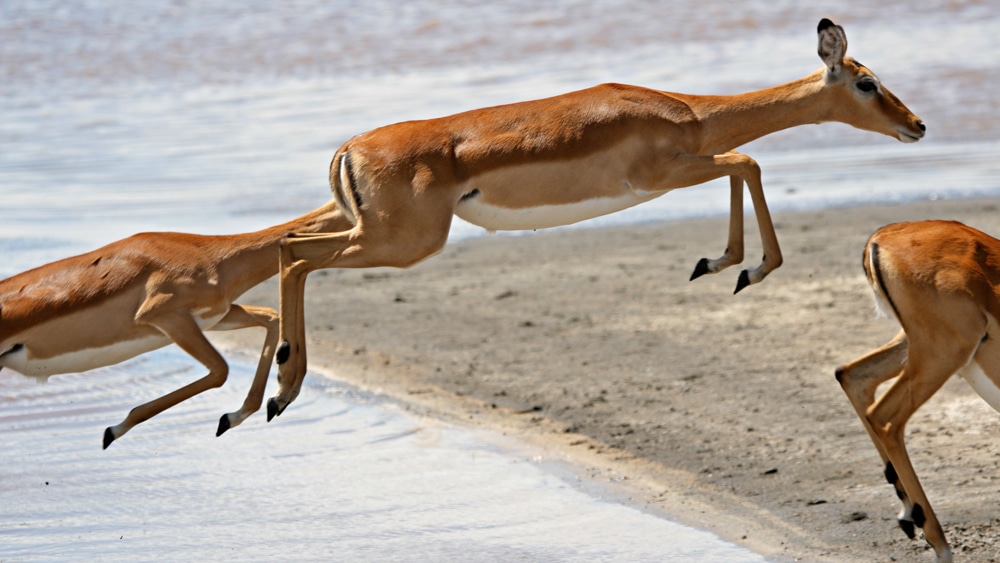
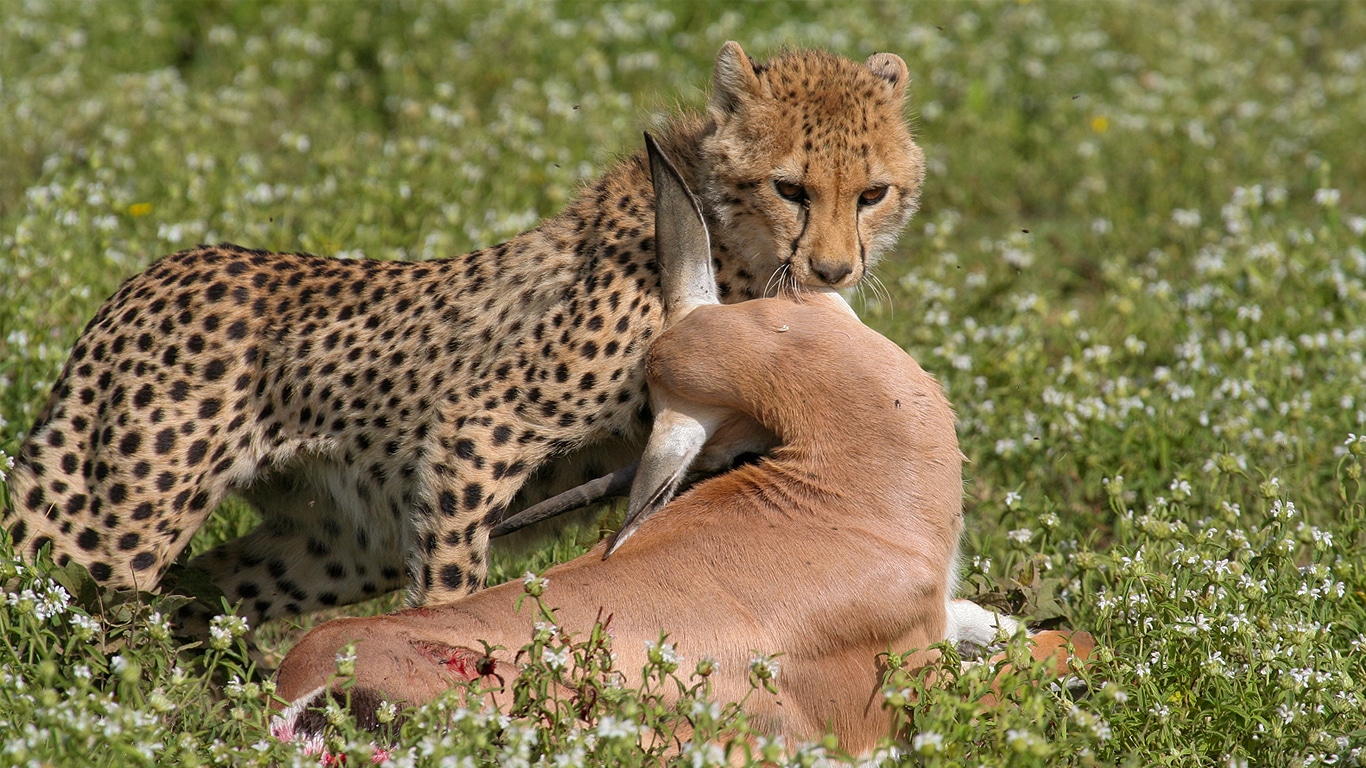
- Cheetah Territory: The wide-open, short-grass environment makes Matiti an unrivaled location for spotting cheetahs. With high visibility and a constant supply of young gazelle and wildebeest calves, these cats are frequently seen scouting from small rises or engaging in high-speed pursuits.
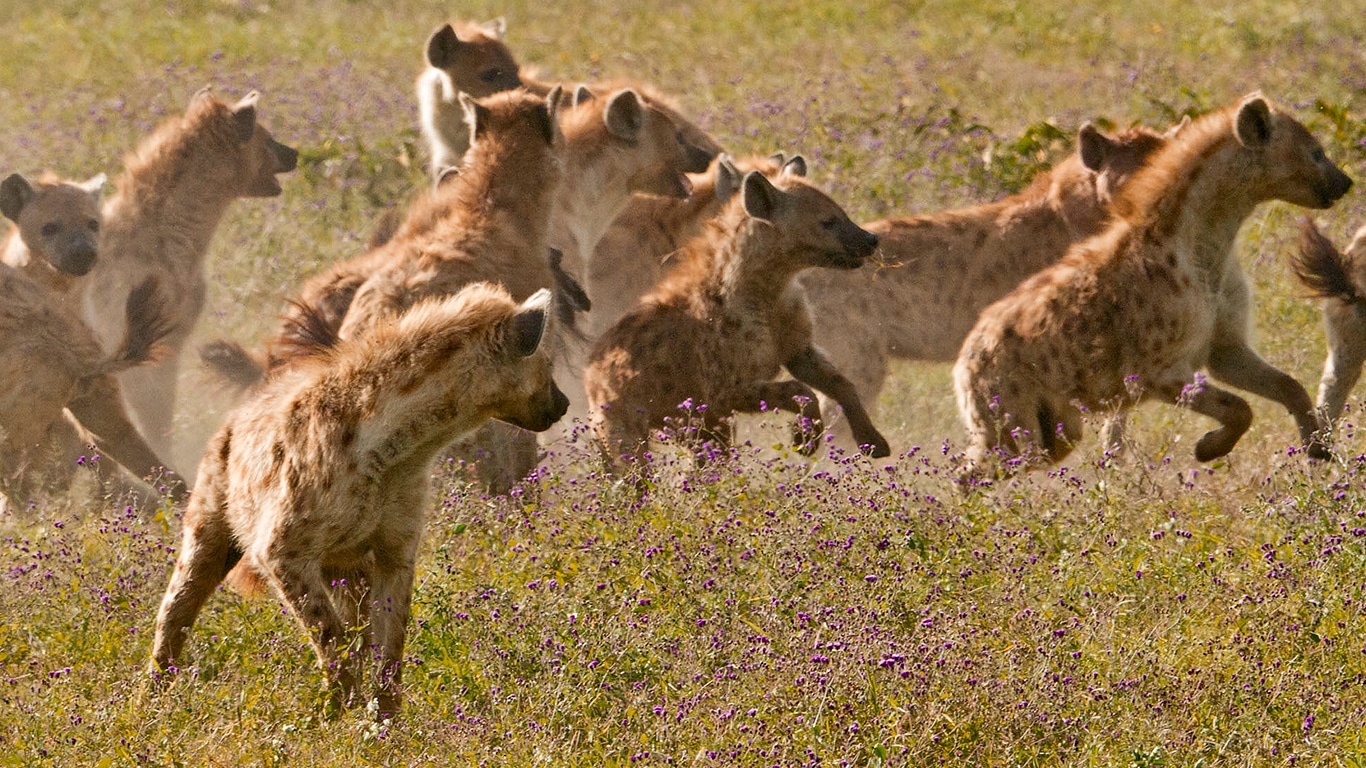
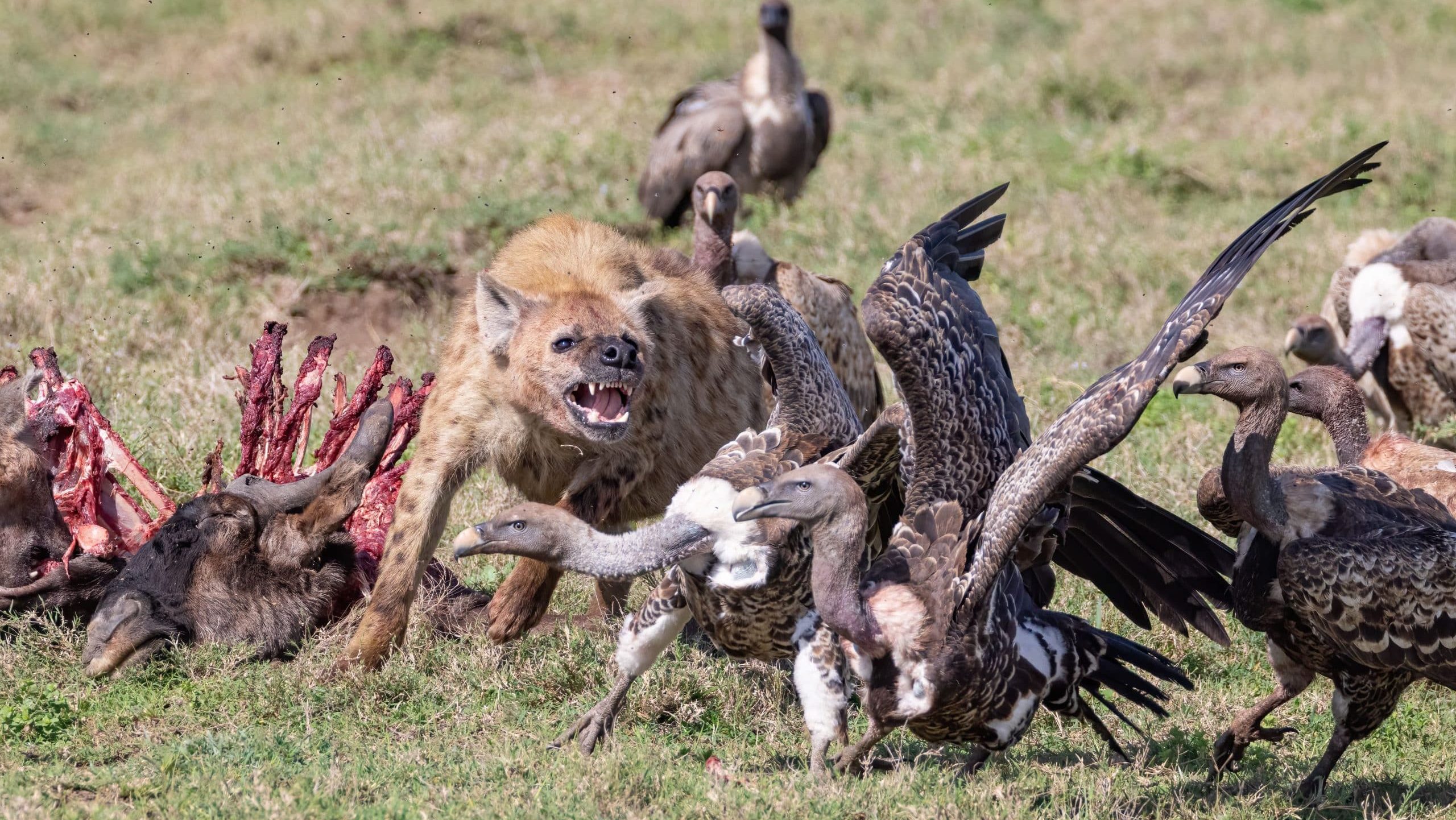
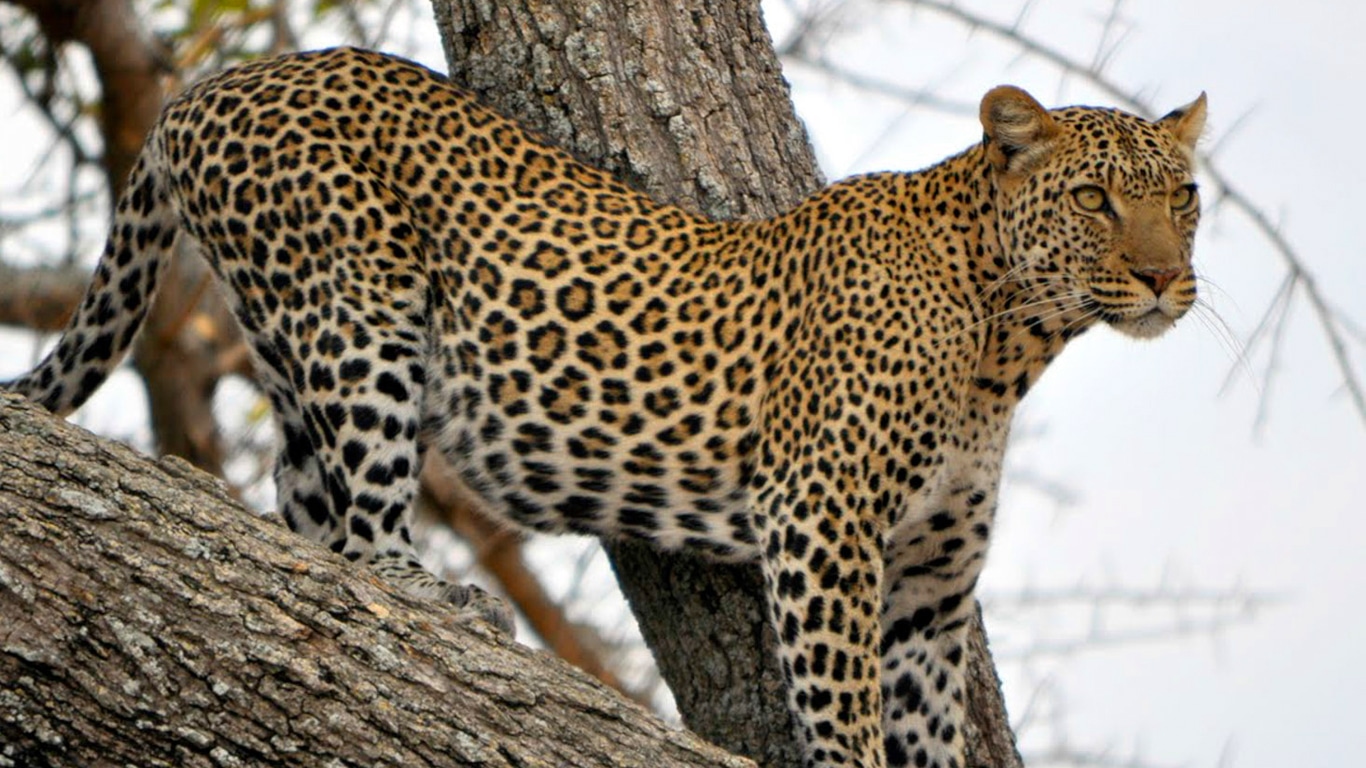
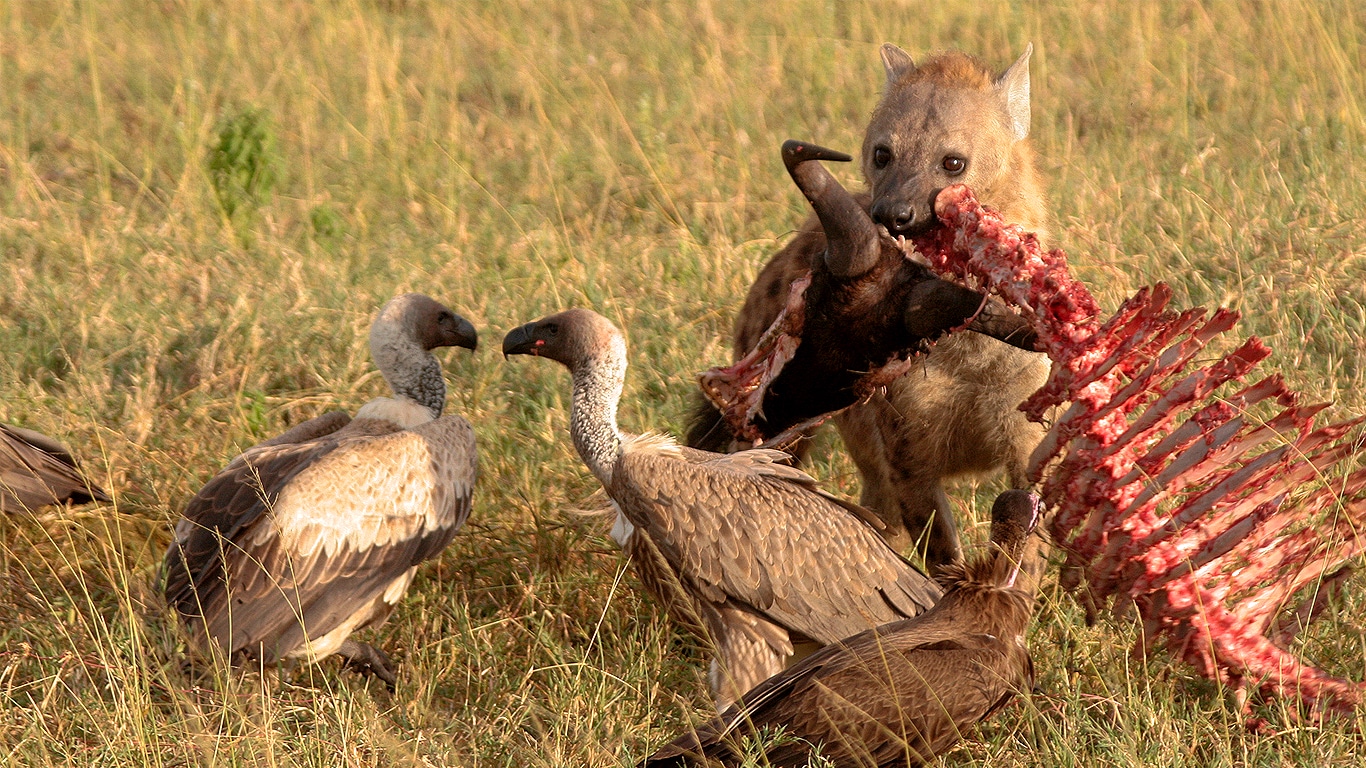
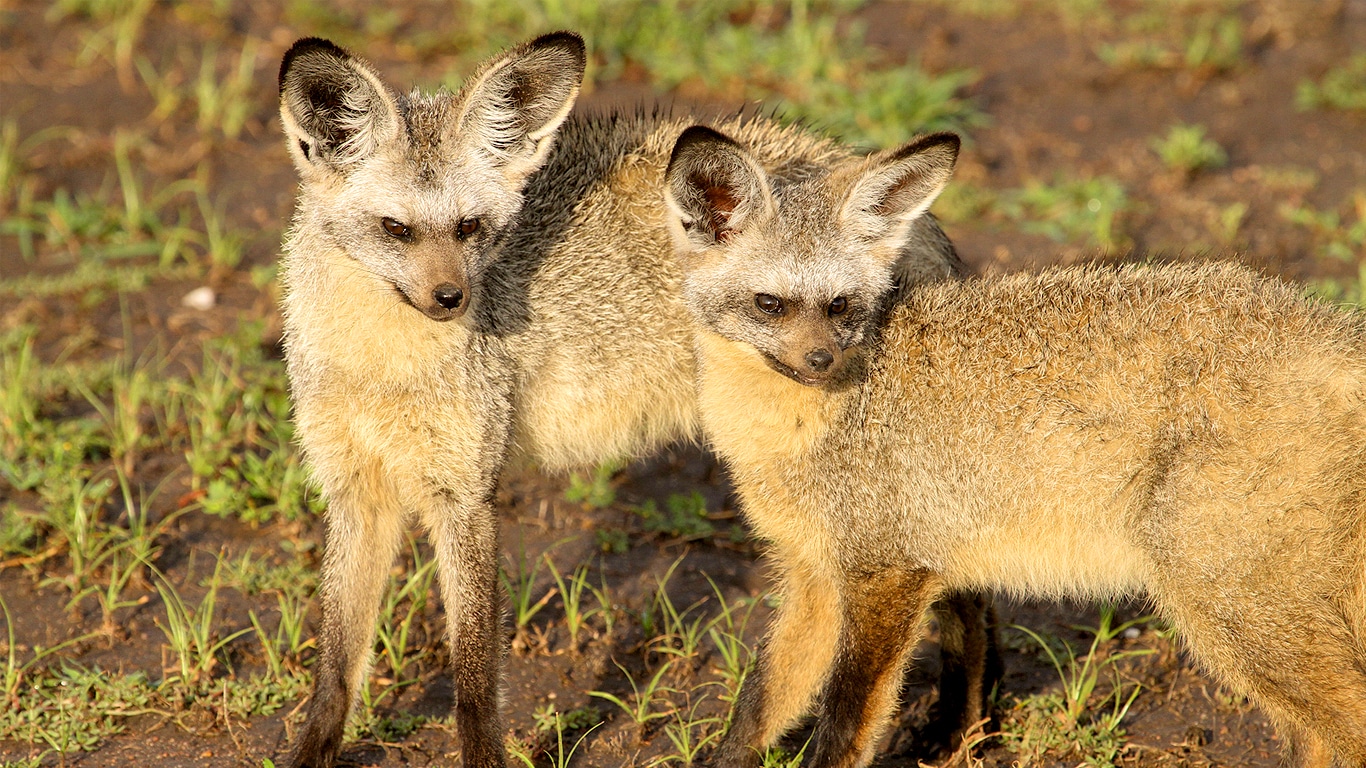
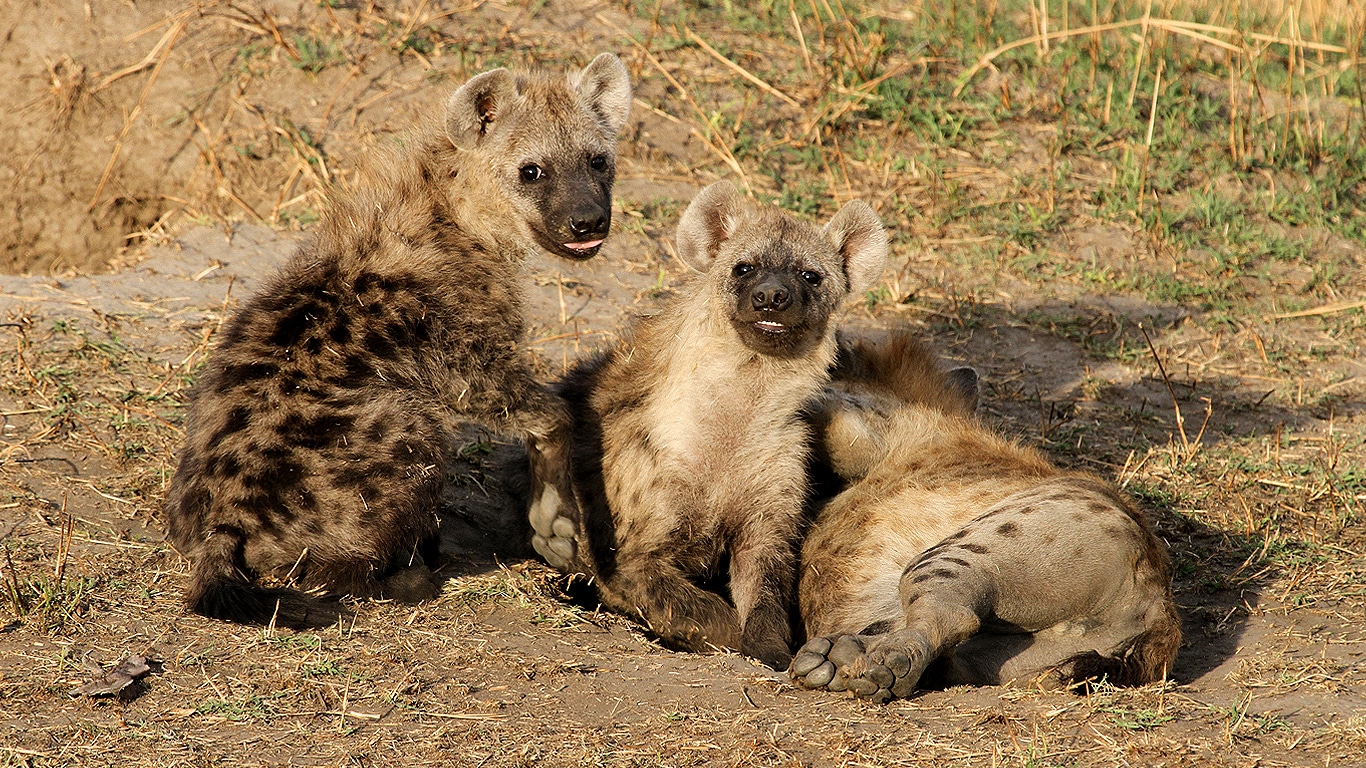
- Diverse Predators: Beyond cheetahs, the plains support large numbers of spotted hyenas and lions. The wooded slopes of the Twin Hills provide a different micro-habitat, often sheltering leopards and the elusive caracal, while the ground is home to the bat-eared fox and the dainty steenbok.
Seasonal Highlights
| Month | Season | Weather | Wildlife Sightings | Rec. |
|---|---|---|---|---|
| Jan | Green Season | 60 - 85 F Mostly sunny with few showers |
Wildebeest Migration and Zebra Migration, Lion, Cheetah, Elephant | Yes |
| Feb | Green Season | 60 - 85 F Mostly sunny with few showers |
Wildebeest Migration and Zebra Migration, Lion, Cheetah, Elephant, Wildebeest Calving | Yes |
| Mar | Green Season | 60 - 83 F Mostly sunny with few showers |
Wildebeest Migration and Zebra Migration, Lion, Cheetah, Elephant | Yes |
| Apr | Green Season | 60 - 83 F Mostly sunny with few showers |
Wildebeest Migration and Zebra Migration, Lion, Cheetah, Elephant | Yes |
| May | Northward Migration | 56 - 81 F Mostly sunny |
Wildebeest Migration and Zebra Migration, Lion, Cheetah, Elephant | Yes |
| Jun | Beginning of Dry Season | 56 - 81 F Mostly sunny |
Wildebeest Migration and Zebra Migration, Lion, Cheetah, Elephant (early June only) | Yes |
| Jul | Dry Season | 60 - 83 F Mostly sunny |
- - - - - | No |
| Aug | Dry Season | 55 - 81 F Mostly sunny |
- - - - - | No |
| Sep | Dry Season | 55 - 81 F Mostly sunny |
- - - - - | No |
| Oct | Dry Season | 60 - 83 F Mostly sunny |
- - - - - | No |
| Nov | Southward Migration | 60 - 83 F Mostly sunny with few showers |
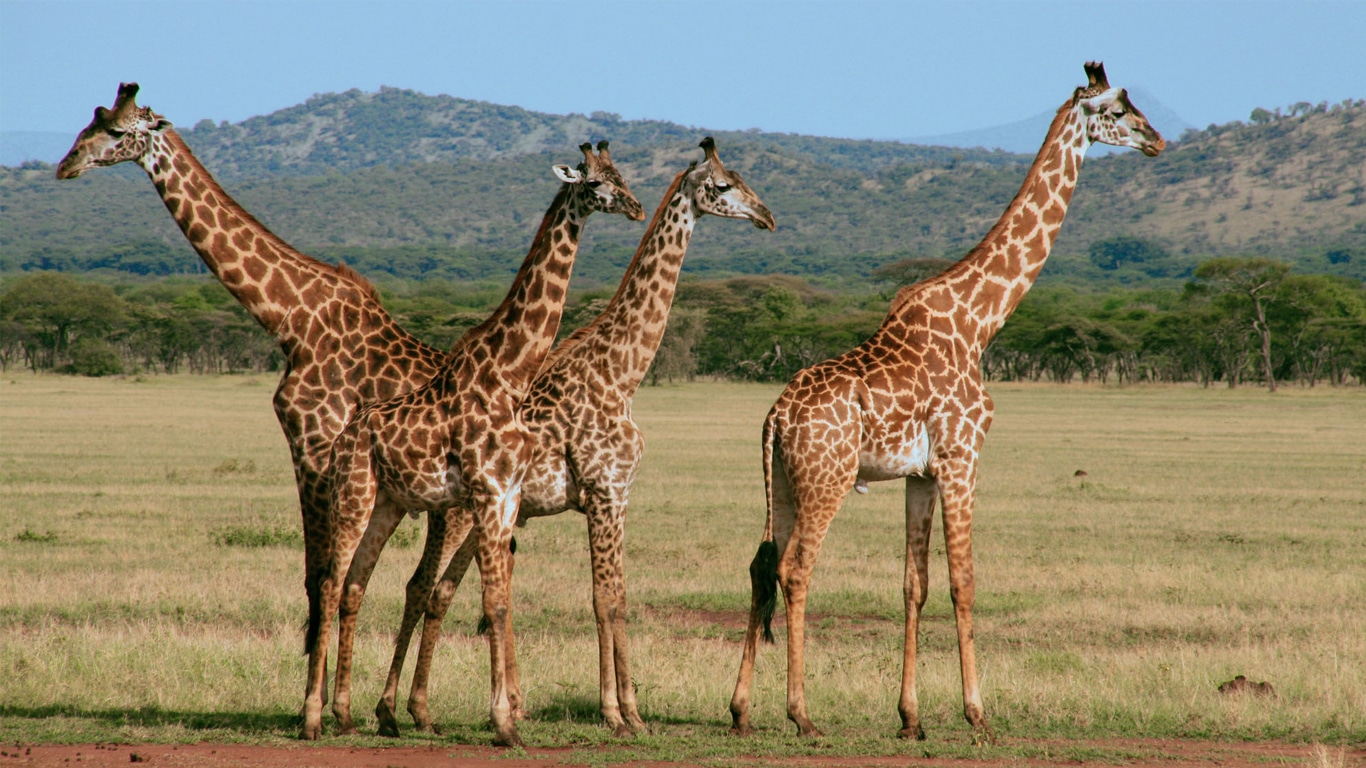
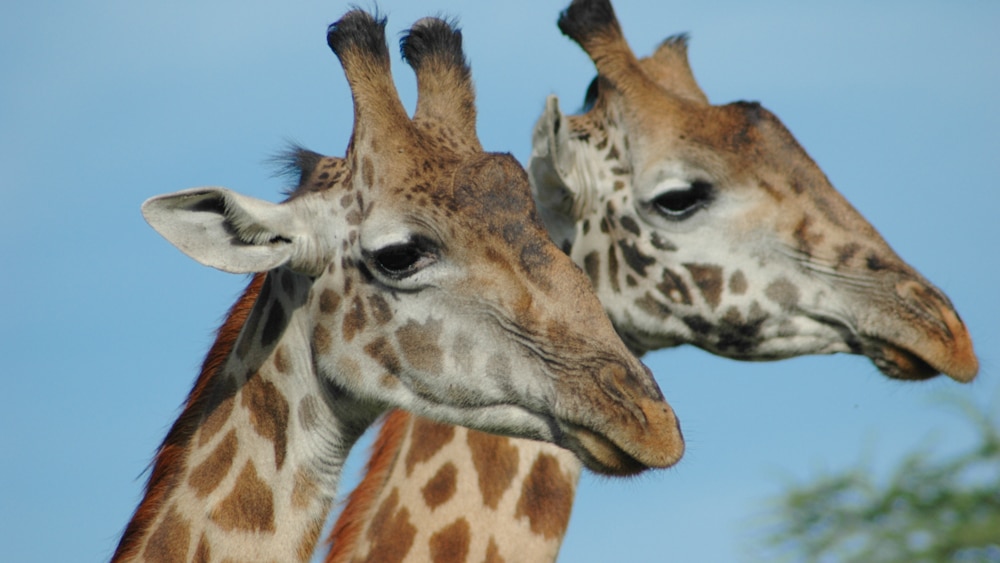
Giraffe, gazelle, Walking Safaris and Cultural Interactions | Yes |
| Dec | Beginning of Green Season | 60 - 83 F Mostly sunny with few showers |
Wildebeest Migration and Zebra Migration, Lion, Cheetah, Elephant | Yes |
Nearby Lodges
Nearby Attractions

What are you waiting for?
Create Your Own Itinerary
Receive instant day-by-day trip details designed just for you including rates, seasonal highlights, guest testimonials, photos & more!
Get In Touch
Our Safari Specialists Are Ready to Help Kickstart Your Adventure
Toll-Free
US Office
31244 Palos Verdes Dr. West, Suite 239 Rancho Palos Verdes, CA 90275
Hours: Daily 8AM - 8PM PST
Drop Us A Line
Leave your contact info below