Ngorongoro Conservation Area
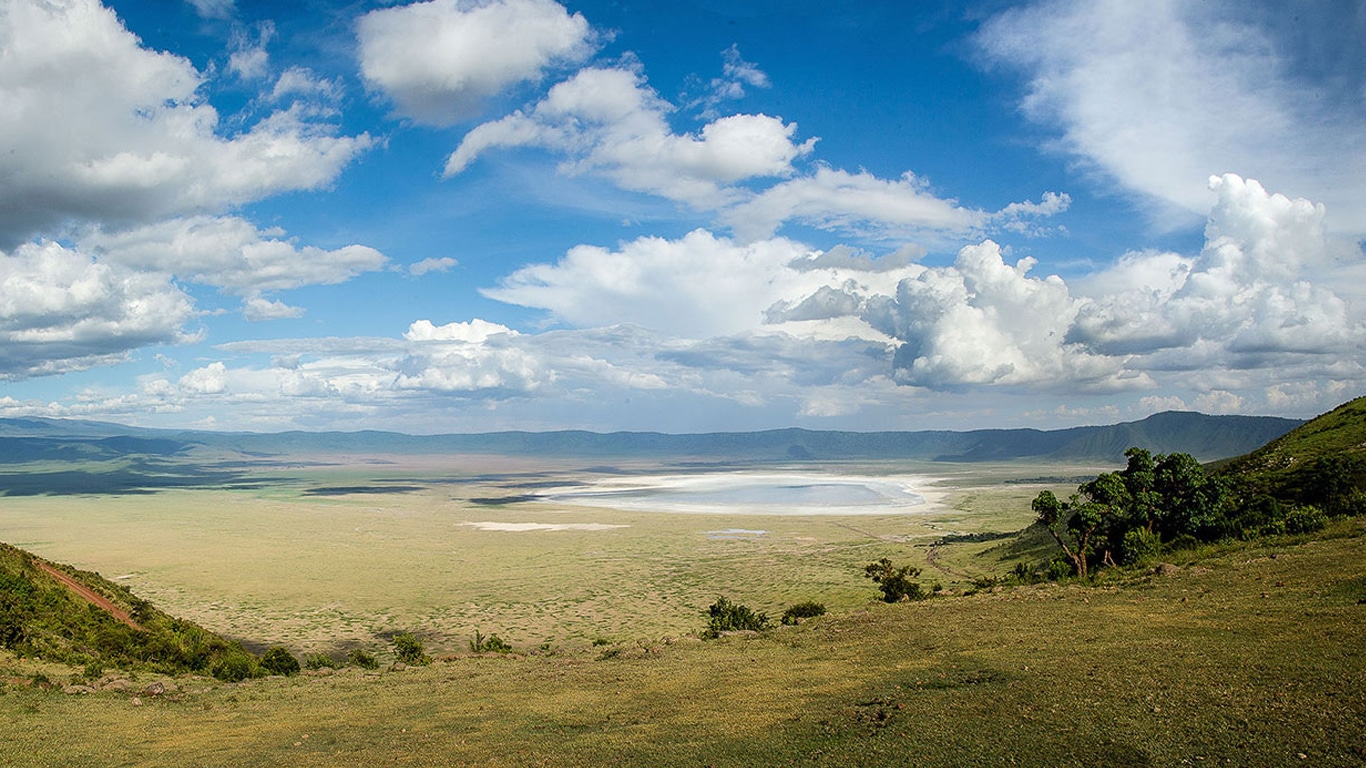
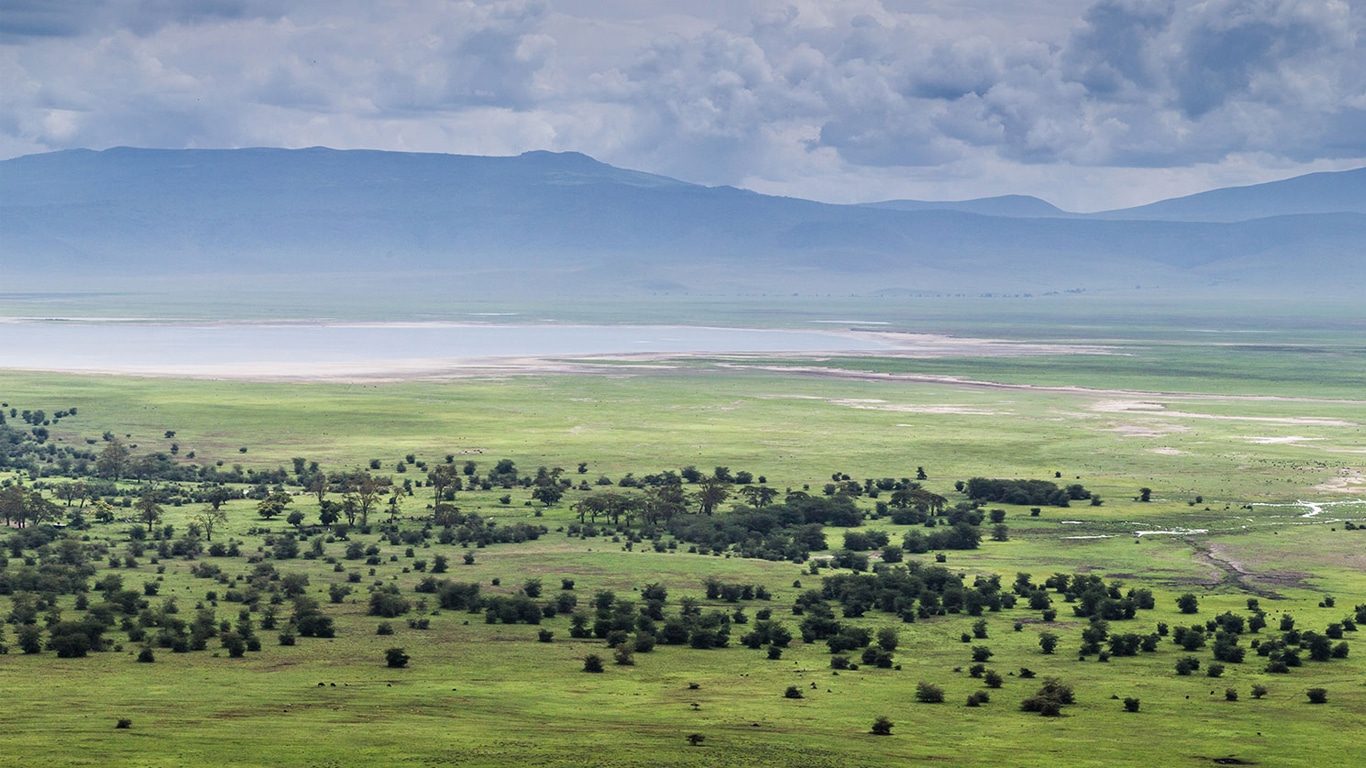
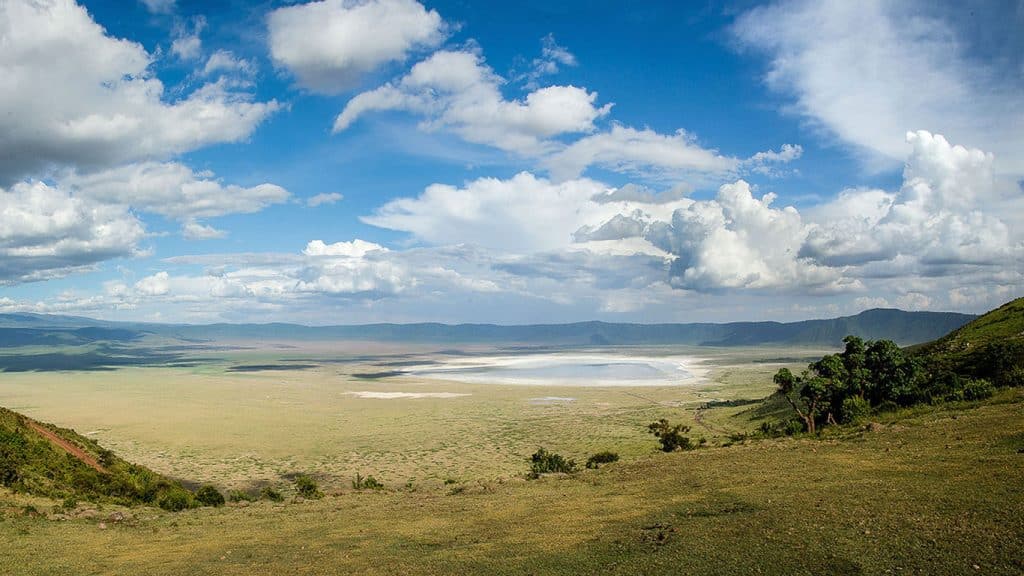
The Ngorongoro Crater is "Africa’s Garden of Eden"—a breathtaking UNESCO World Heritage site and the world’s largest intact volcanic caldera. Within its 2,000-foot-high walls, 25,000 large mammals coexist in a high-density natural amphitheater.
Details
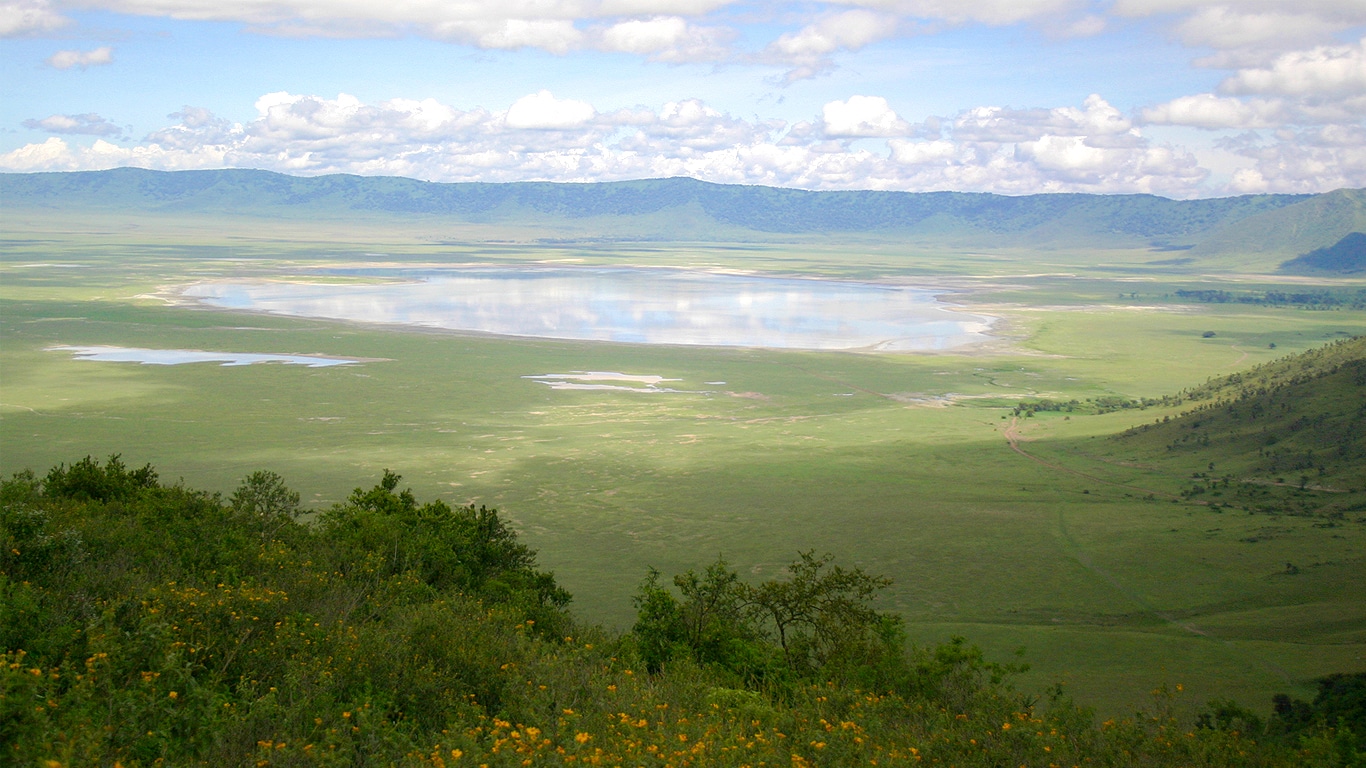
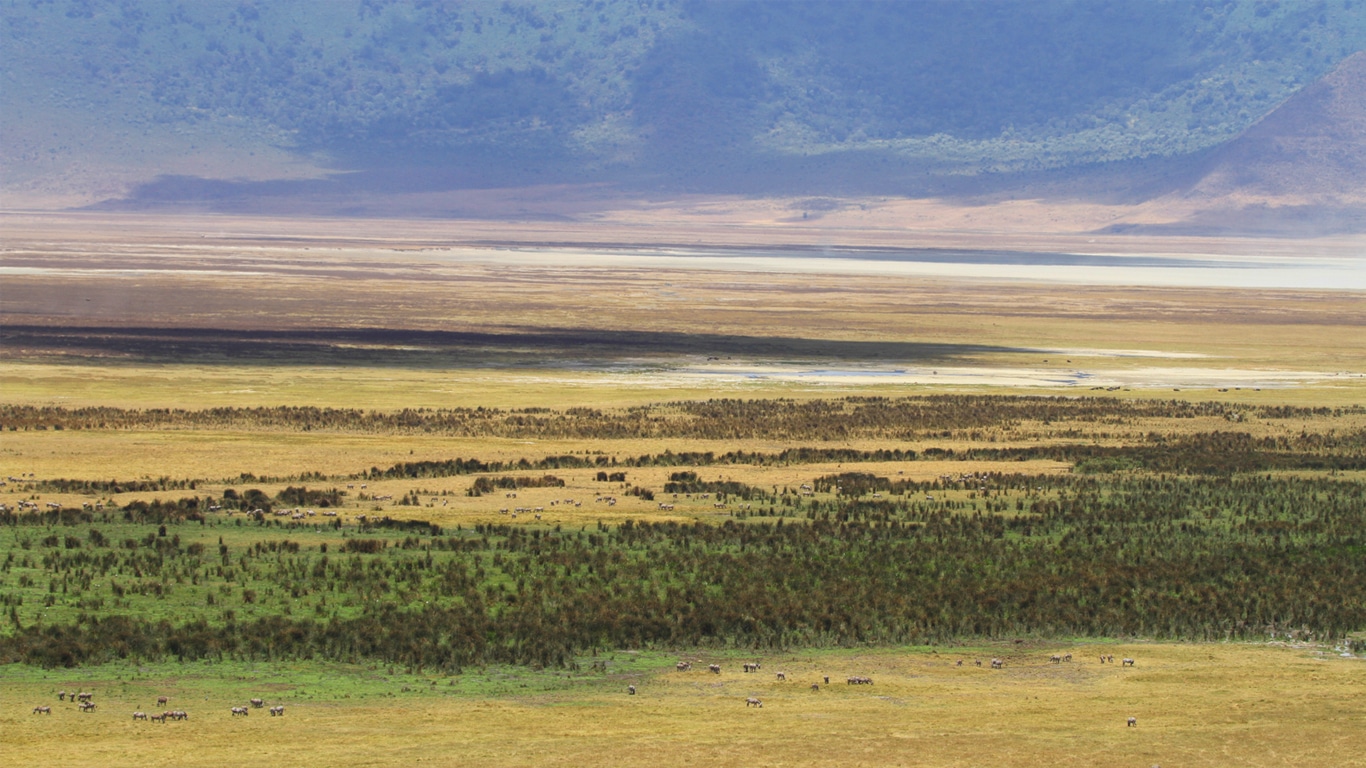
Commonly referred to as the “8th Wonder of the World,” the Ngorongoro Crater is a geological masterpiece and a microcosm of the East African wild. This 100-square-mile caldera was formed when a massive volcano exploded and collapsed on itself millions of years ago. Today, its 2,000-foot-high walls create a natural sanctuary for the densest population of large animals on the planet. While the crater rim sits at a chilly 7,500 feet, the relatively flat floor rests at 5,500 feet, providing a self-contained haven of rich volcanic soil and permanent water sources that support a staggering array of resident wildlife.
A Microcosm of the Serengeti
Despite its compact size, the Crater floor mirrors the diverse habitats of the 15,000-square-mile Serengeti ecosystem. Within a single game drive, you can traverse five distinct environments:
- Lerai Forest: A magical yellow-barked acacia forest in the southwest, home to “Giant Tusker” bulls and the Crater’s only leopards.
- Lake Magadi: A central alkaline lake that serves as a “pink cafeteria” for thousands of flamingos.
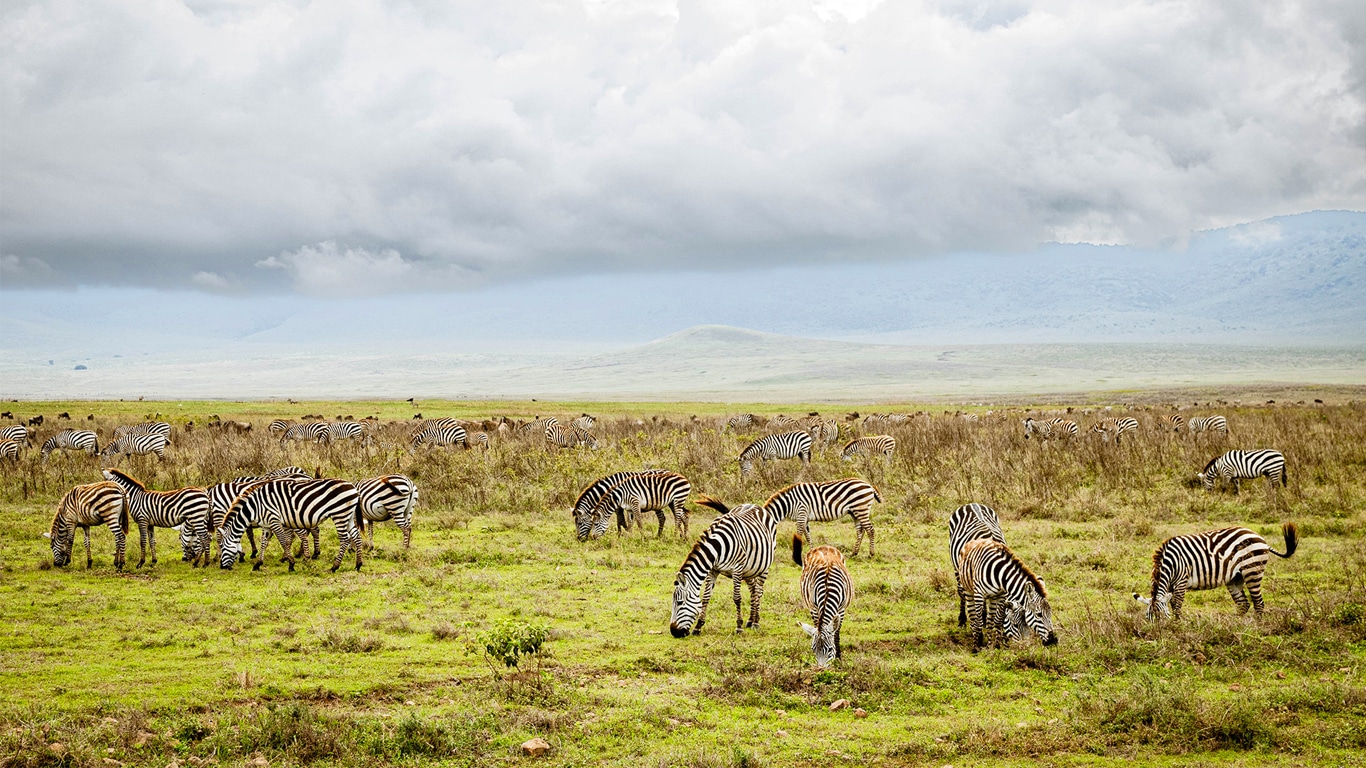
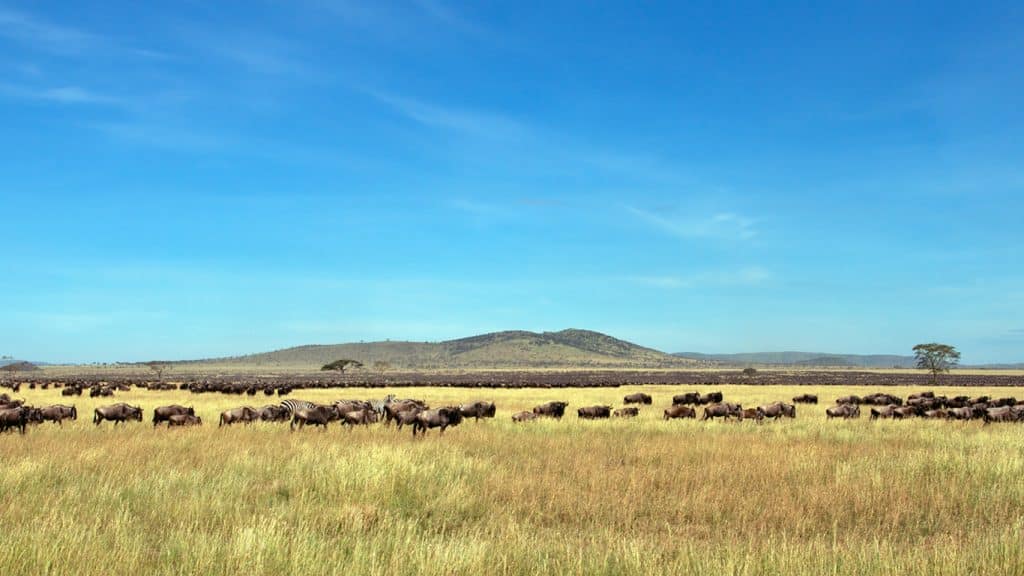
- Short Grass Plains: The central heartland where thousands of wildebeest and zebra congregate.
- Rumbe Hills: Undulating eastern grasslands favored by massive buffalo herds.
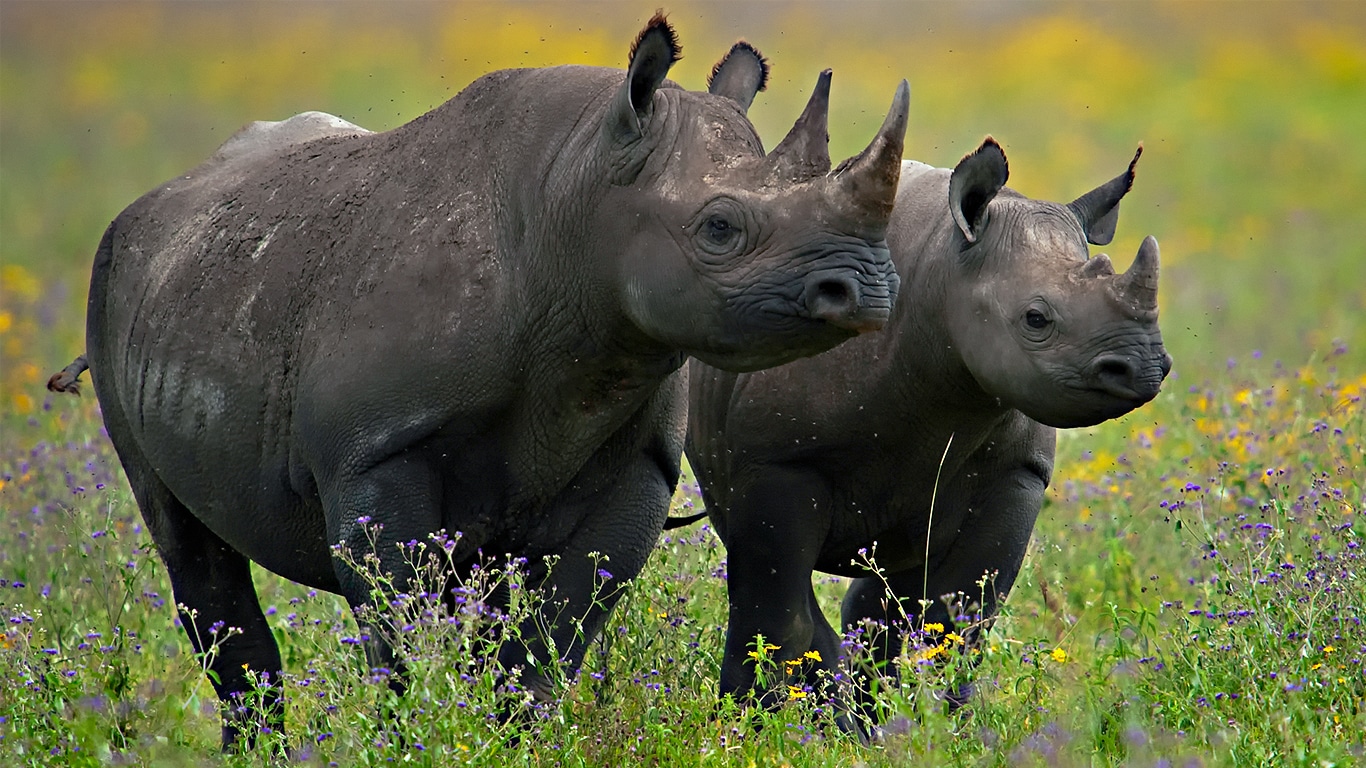
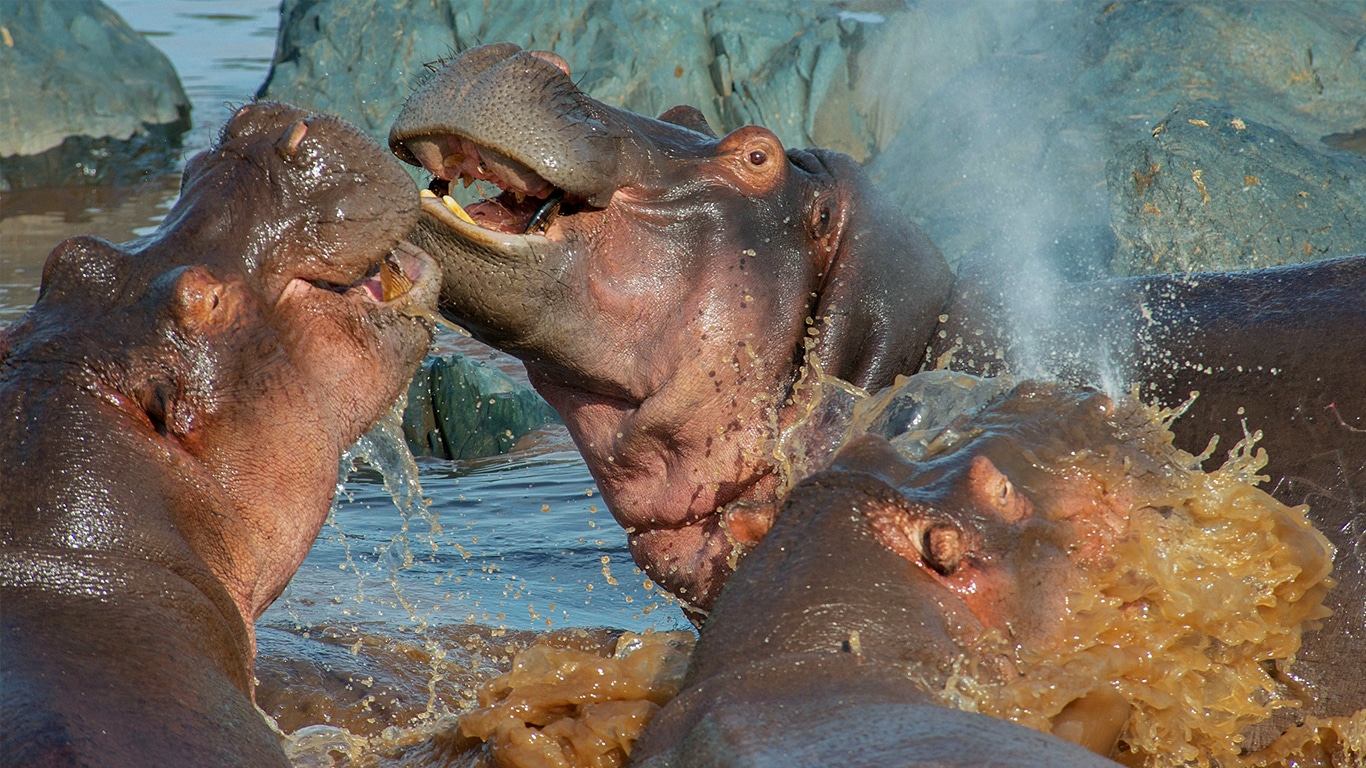
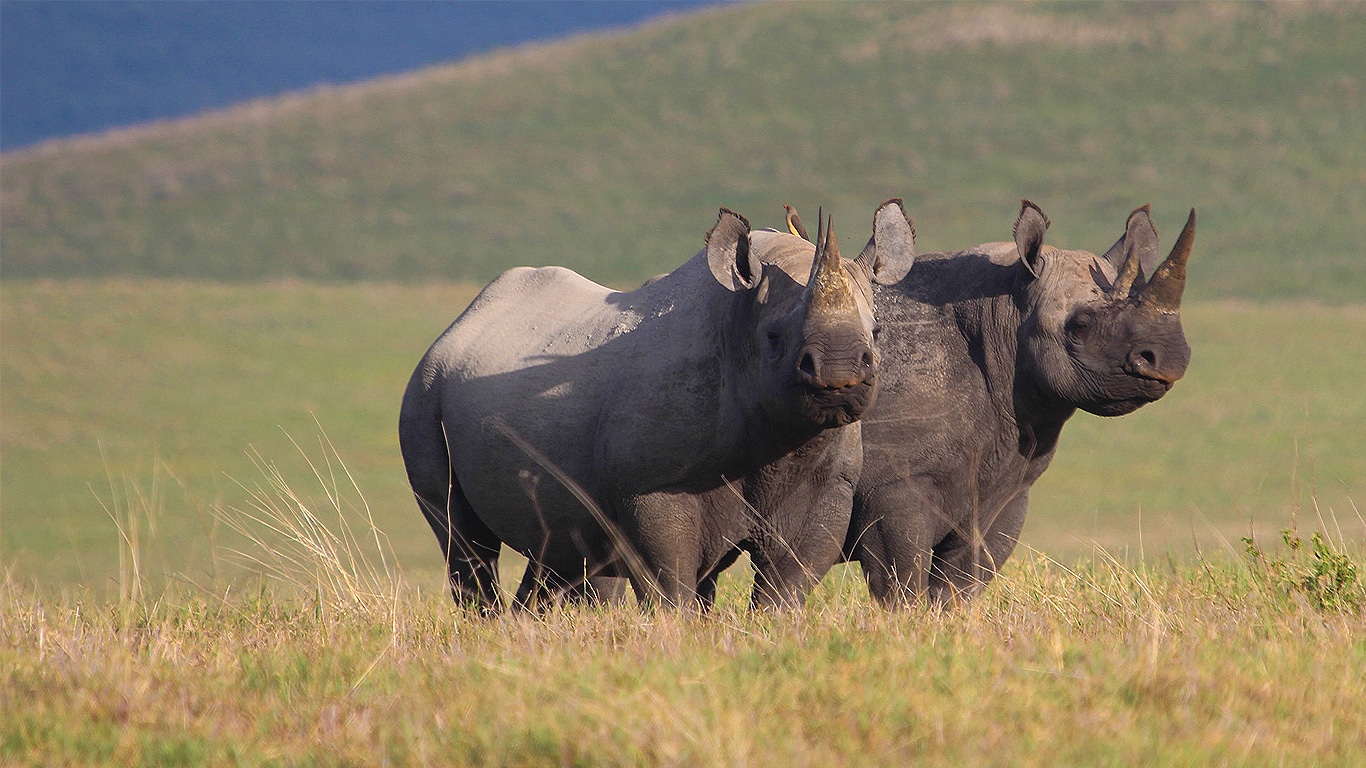
- Mandusi & Gorigor Swamps: Lush marshlands that provide critical refuge for hippos and the endangered black rhino.
The Great Wildlife Paradox
While the Crater is a haven for the “Big Five,” it features some fascinating biological absences.
- The Missing Species: You will look in vain for giraffe, impala, or topi. While they are abundant just outside the rim, giraffes likely stay away due to a lack of sufficient acacia browse or the difficulty of the steep descent.
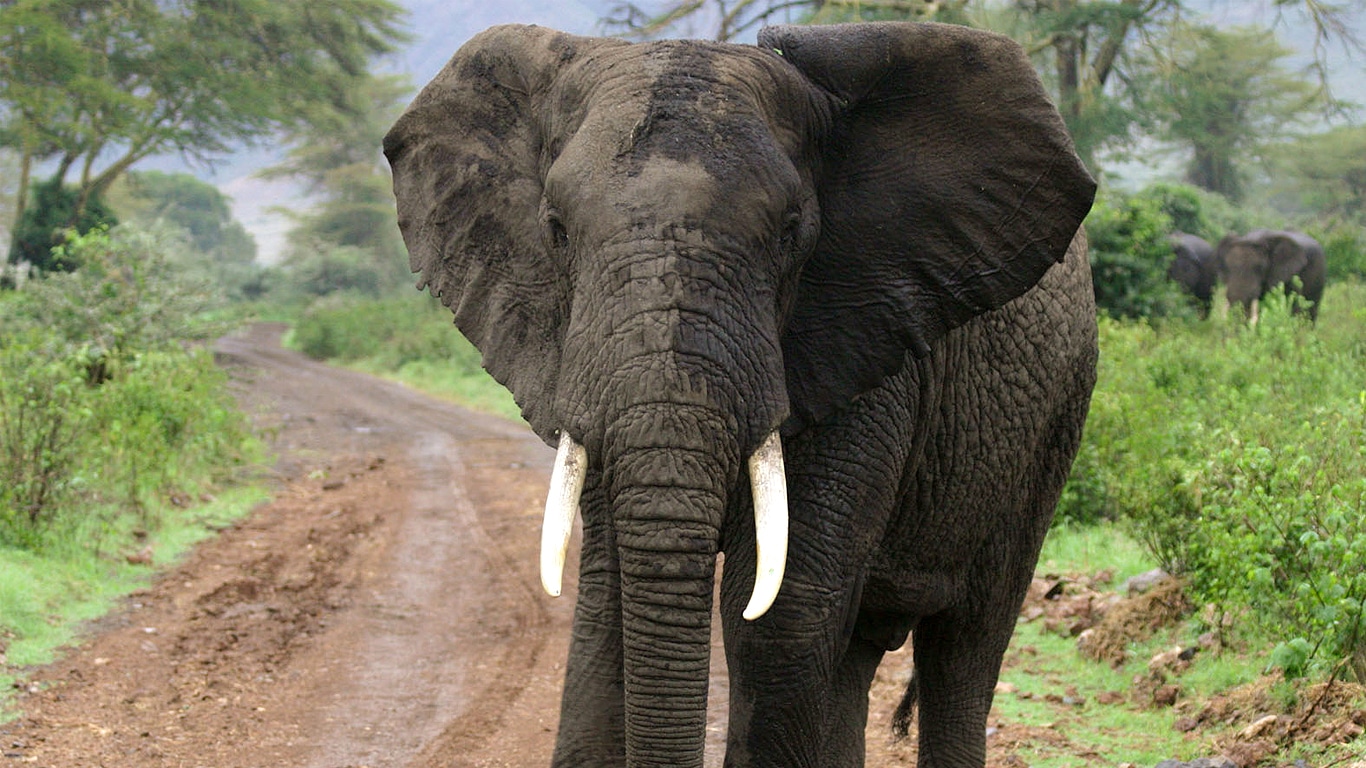
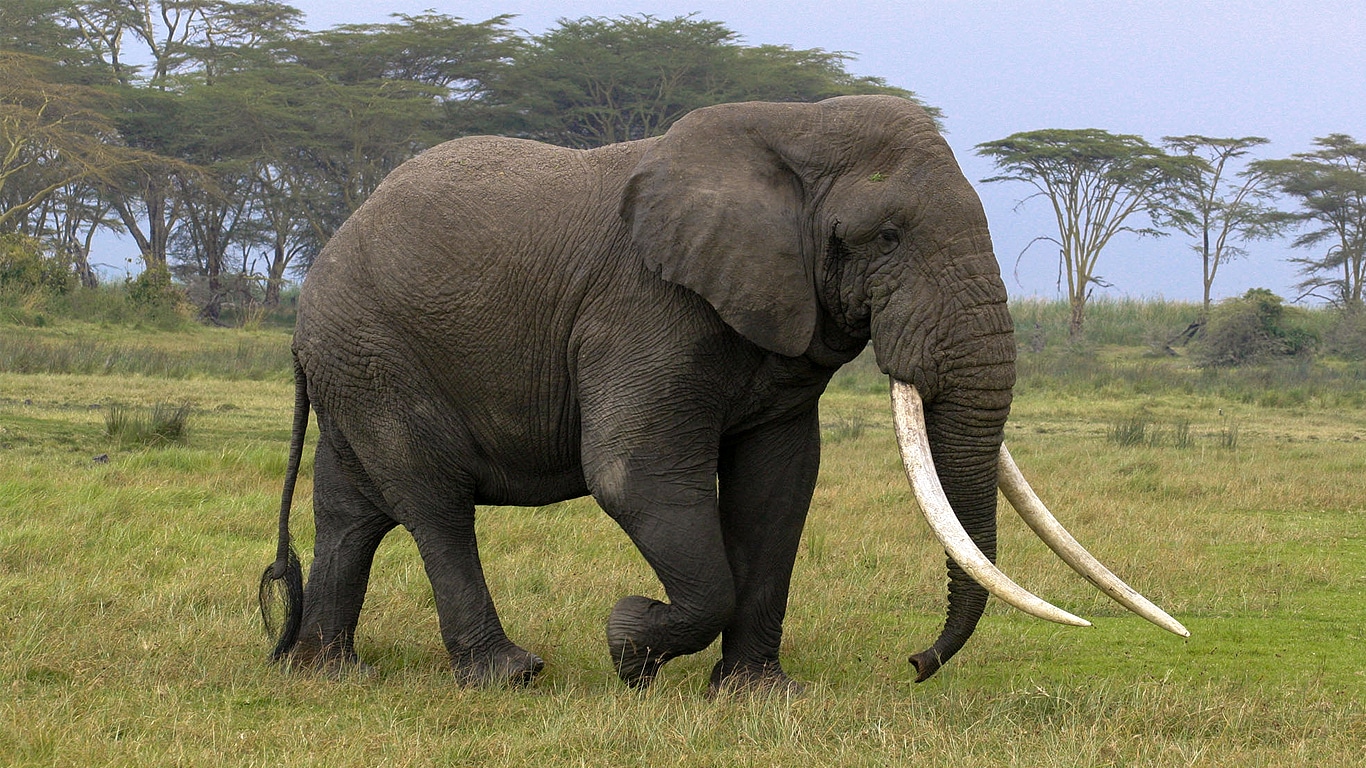
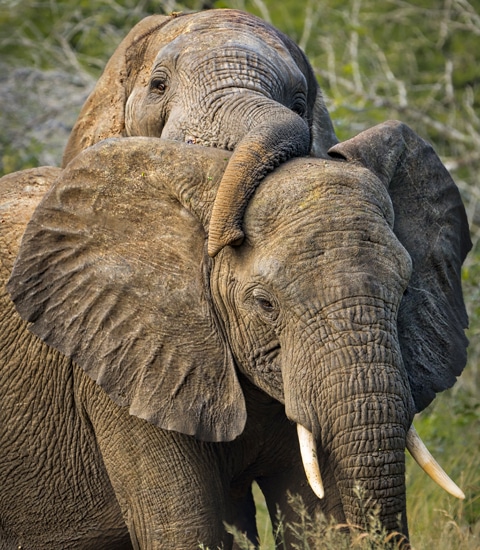
- The Retirement Home: The Crater is famous for its “Giant Tuskers”—ancient bull elephants with massive ivory that survived the poaching eras of the 1980s. Interestingly, there are no breeding herds of females or calves on the floor; they remain in the thick forests of the rim.
Predators and the “Biting Fly” Legacy
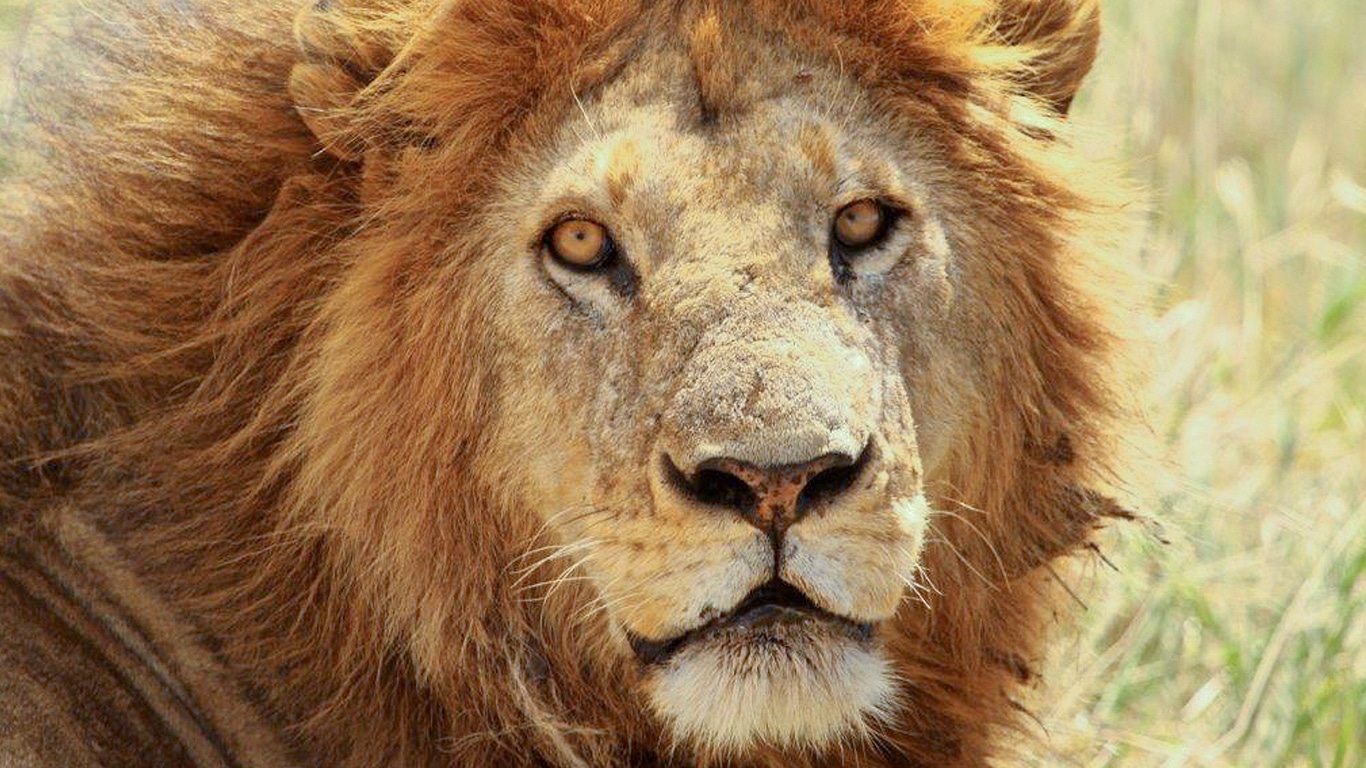
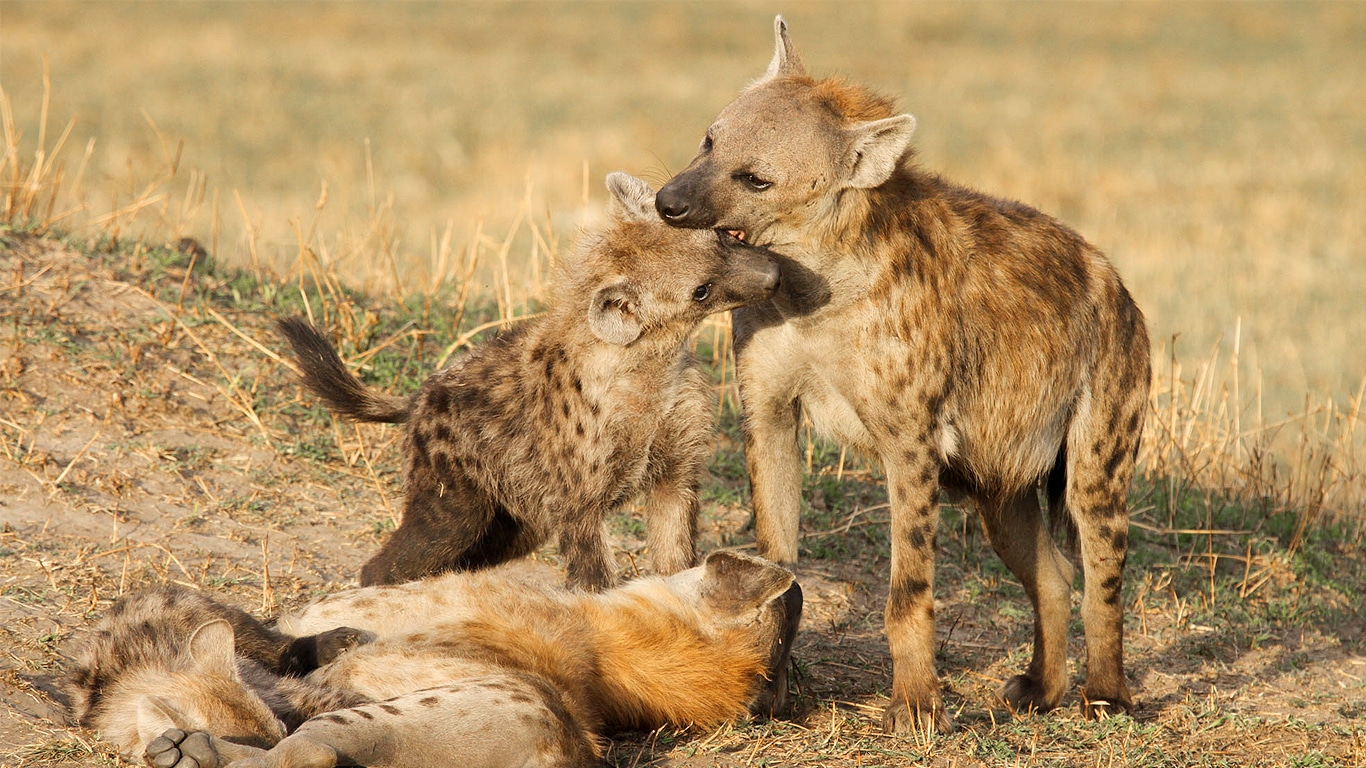
The Crater offers arguably the best carnivore viewing in Africa. It is a high-stakes arena where 100 lions and over 400 spotted hyenas compete for dominance.
- The Founder Effect: In a strange twist of history, all of today’s Crater lions are descendants of just 15 individuals who survived a devastating plague of biting flies in 1961.
- Dynamic Shifts: The ecosystem is ever-changing. As grass has grown longer since the 1970s, buffalo numbers have risen while wildebeest have declined. This shift has actually benefited cheetahs, as the slight decrease in lion density allows more cheetah cubs to reach adulthood.
The Safari Experience
Because the animals are highly habituated to vehicles, the Crater offers “up-close” encounters that are impossible elsewhere. To truly experience the magic, an early morning (6:00 AM) game drive is essential. Being the first into the caldera allows you to witness the predators at their most active before the midday sun settles over the floor.
Seasonal Highlights
| Month | Season | Weather | Wildlife Sightings | Rec. |
|---|---|---|---|---|
| Jan | Green Season | 60 - 85 F Mostly sunny with few showers |
Black Rhino, Elephant, Buffalo, Lion, Cheetah | Yes |
| Feb | Green Season | 60 - 85 F Mostly sunny with few showers |
Black Rhino, Elephant, Buffalo, Lion, Cheetah | Yes |
| Mar | Green Season | 60 - 83 F Mostly sunny with few showers |
Black Rhino, Elephant, Buffalo, Lion, Cheetah | Yes |
| Apr | Green Season | 60 - 83 F Mostly sunny with few showers |
Black Rhino, Elephant, Buffalo, Lion, Cheetah | Yes |
| May | Northward Migration | 56 - 81 F Mostly sunny |
Black Rhino, Elephant, Buffalo, Lion, Cheetah | Yes |
| Jun | Beginning of Dry Season | 56 - 81 F Mostly sunny |
Black Rhino, Elephant, Buffalo, Lion, Cheetah | Yes |
| Jul | Dry Season | 60 - 83 F Mostly sunny |
Black Rhino, Elephant, Buffalo, Lion, Cheetah | Yes |
| Aug | Dry Season | 55 - 81 F Mostly sunny |
Black Rhino, Elephant, Buffalo, Lion, Cheetah | Yes |
| Sep | Dry Season | 55 - 81 F Mostly sunny |
Black Rhino, Elephant, Buffalo, Lion, Cheetah | Yes |
| Oct | Dry Season | 60 - 83 F Mostly sunny |
Black Rhino, Elephant, Buffalo, Lion, Cheetah | Yes |
| Nov | Southward Migration | 60 - 83 F Mostly sunny with few showers |
Black Rhino, Elephant, Buffalo, Lion, Cheetah | Yes |
| Dec | Beginning of Green Season | 60 - 83 F Mostly sunny with few showers |
Black Rhino, Elephant, Buffalo, Lion, Cheetah | Yes |
Nearby Lodges
Nearby Attractions


What are you waiting for?
Create Your Own Itinerary
Receive instant day-by-day trip details designed just for you including rates, seasonal highlights, guest testimonials, photos & more!
Get In Touch
Our Safari Specialists Are Ready to Help Kickstart Your Adventure
Toll-Free
US Office
31244 Palos Verdes Dr. West, Suite 239 Rancho Palos Verdes, CA 90275
Hours: Daily 8AM - 8PM PST
Drop Us A Line
Leave your contact info below