Serengeti National Park
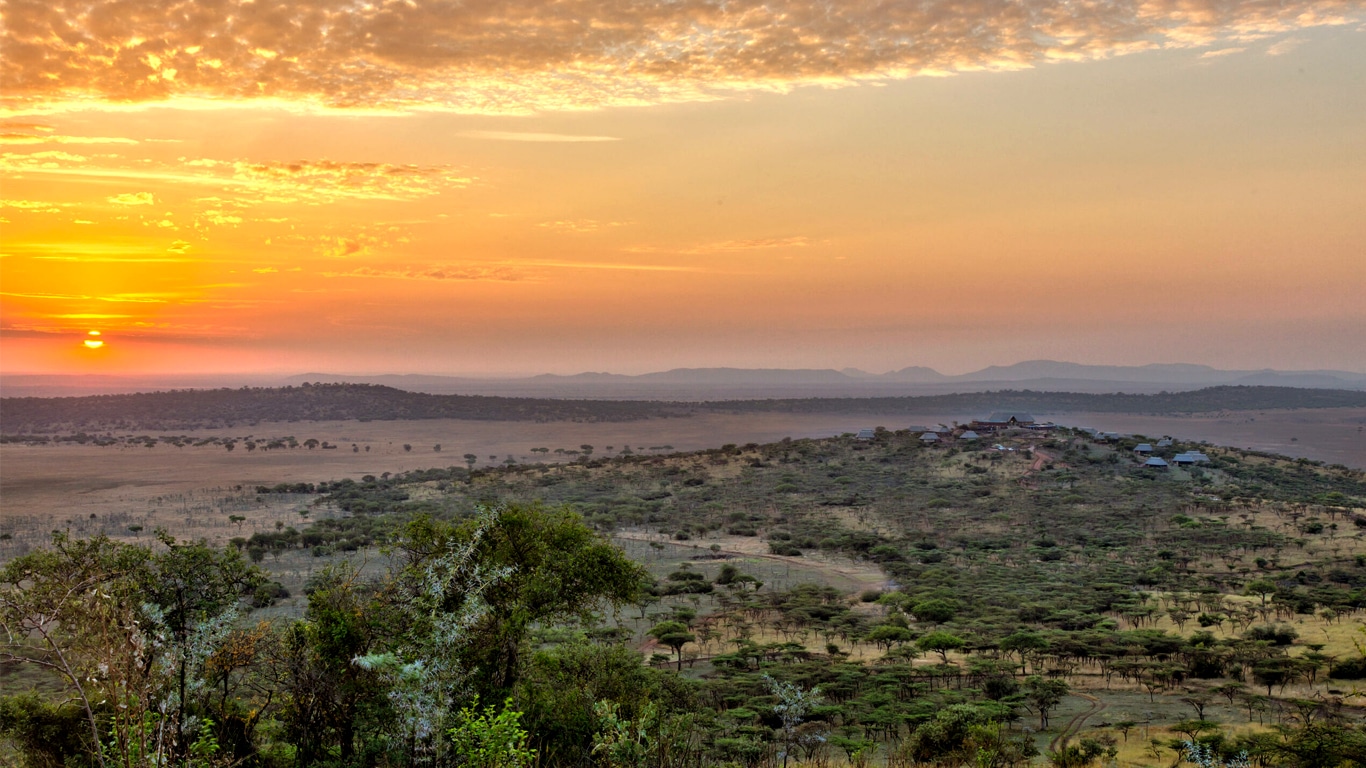
The Serengeti is the world’s premier wildlife sanctuary—a 10,000-square-mile stage for the Great Migration and the highest concentration of large predators on Earth. From endless short-grass plains to ancient woodlands, it remains the ultimate "Siringet": the land that runs forever.
Details
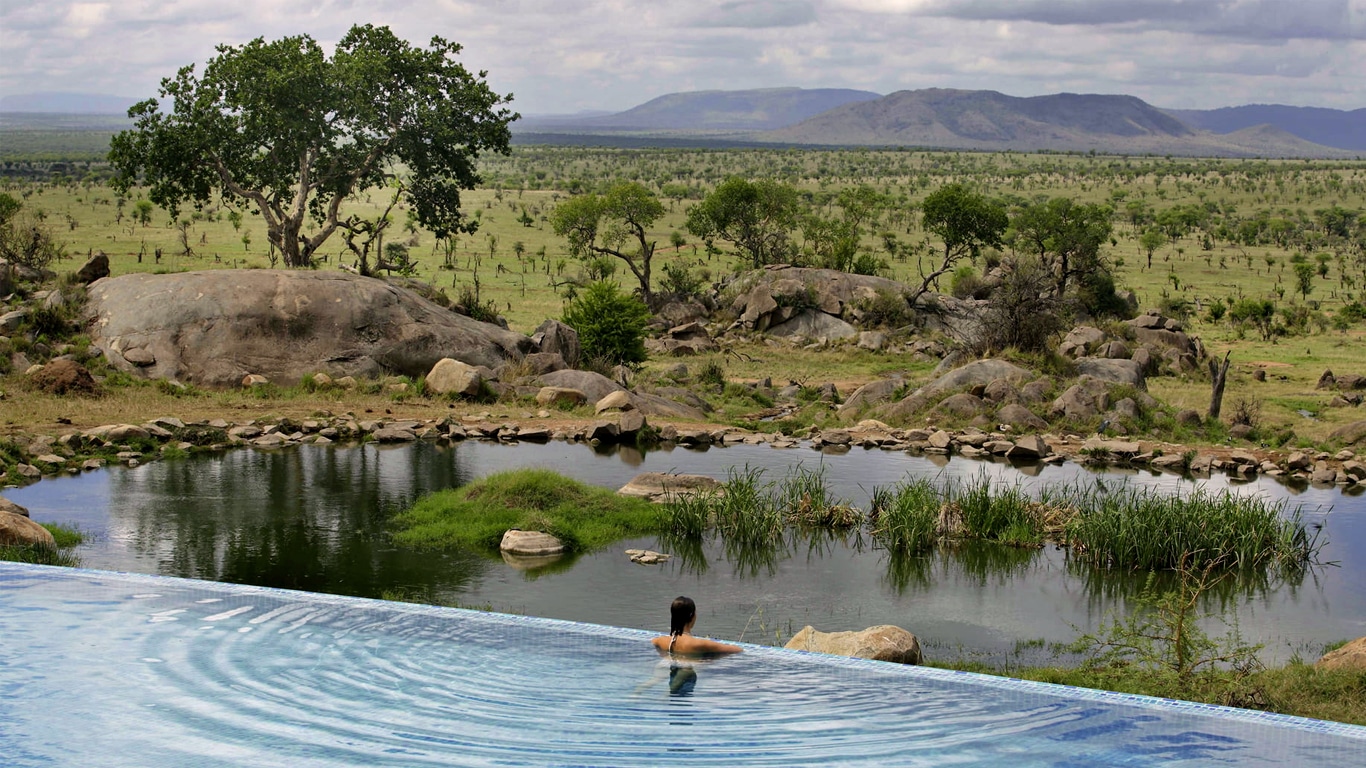
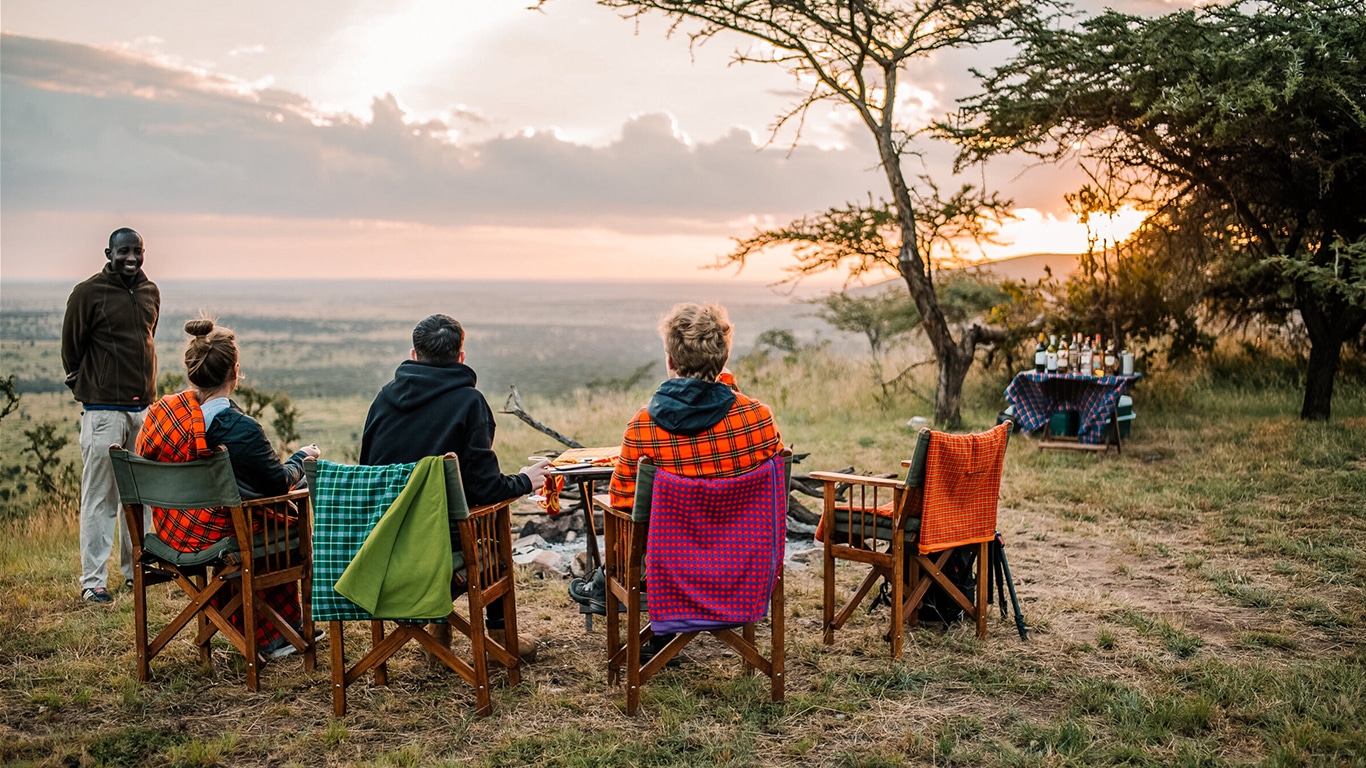
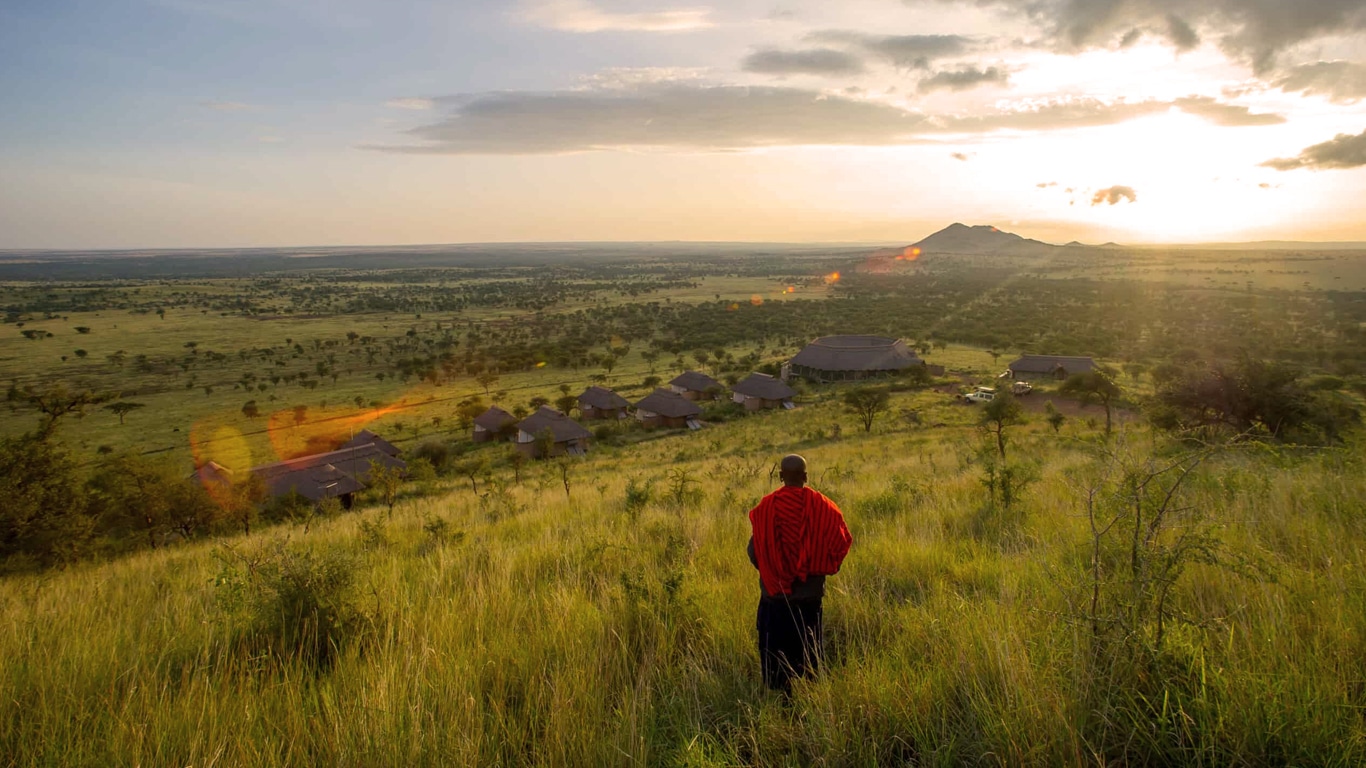
The Serengeti National Park quite simply offers the finest game viewing in all of Africa. The name is a corruption of the Maasai word Siringet, meaning “the place where the land runs on forever,” and it truly lives up to the title. Spanning 5,700 square miles (and anchoring a broader ecosystem of 10,395 square miles—roughly the size of Massachusetts), the Serengeti is a vast, unfenced wilderness where nature remains in its rawest, most prehistoric form. Whether it is the sheer mass of the migration or the “Big Cat” density, every horizon here brings an unexpected and epic encounter.
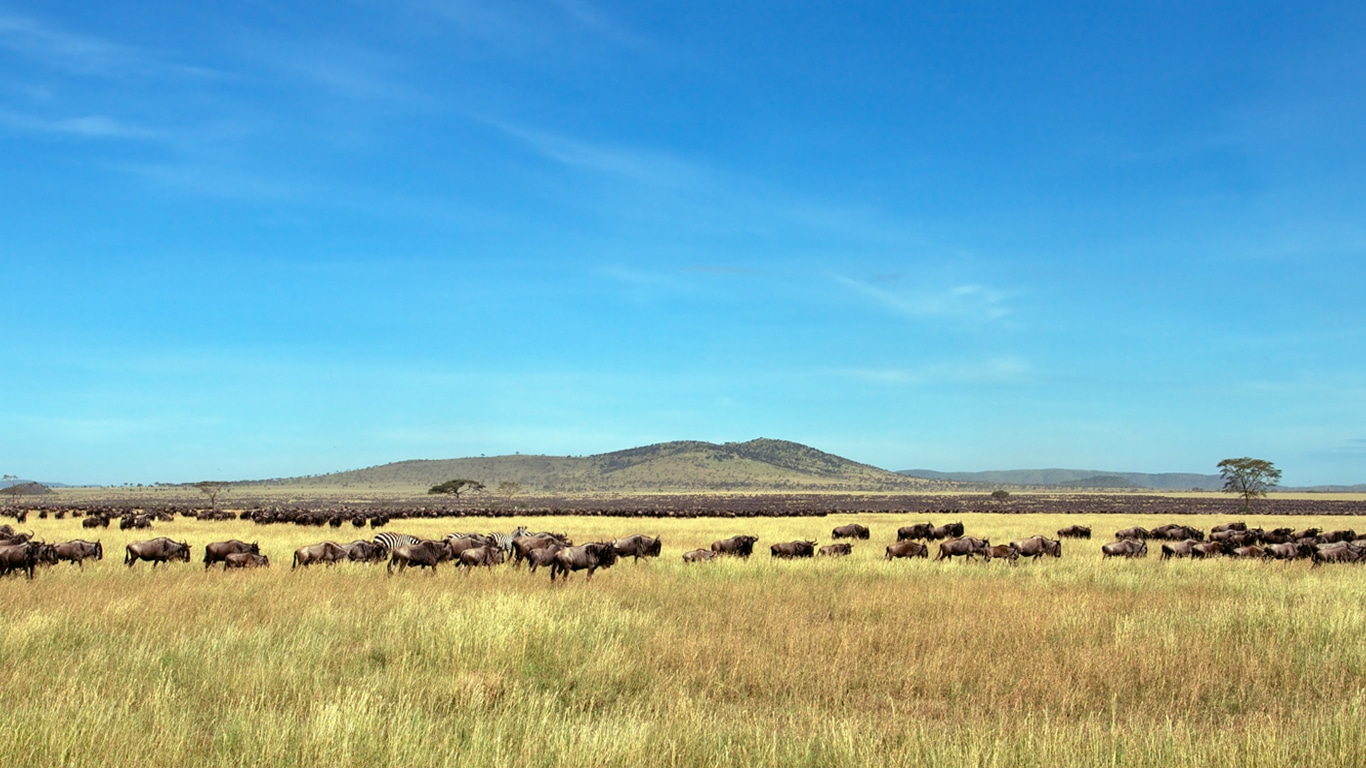
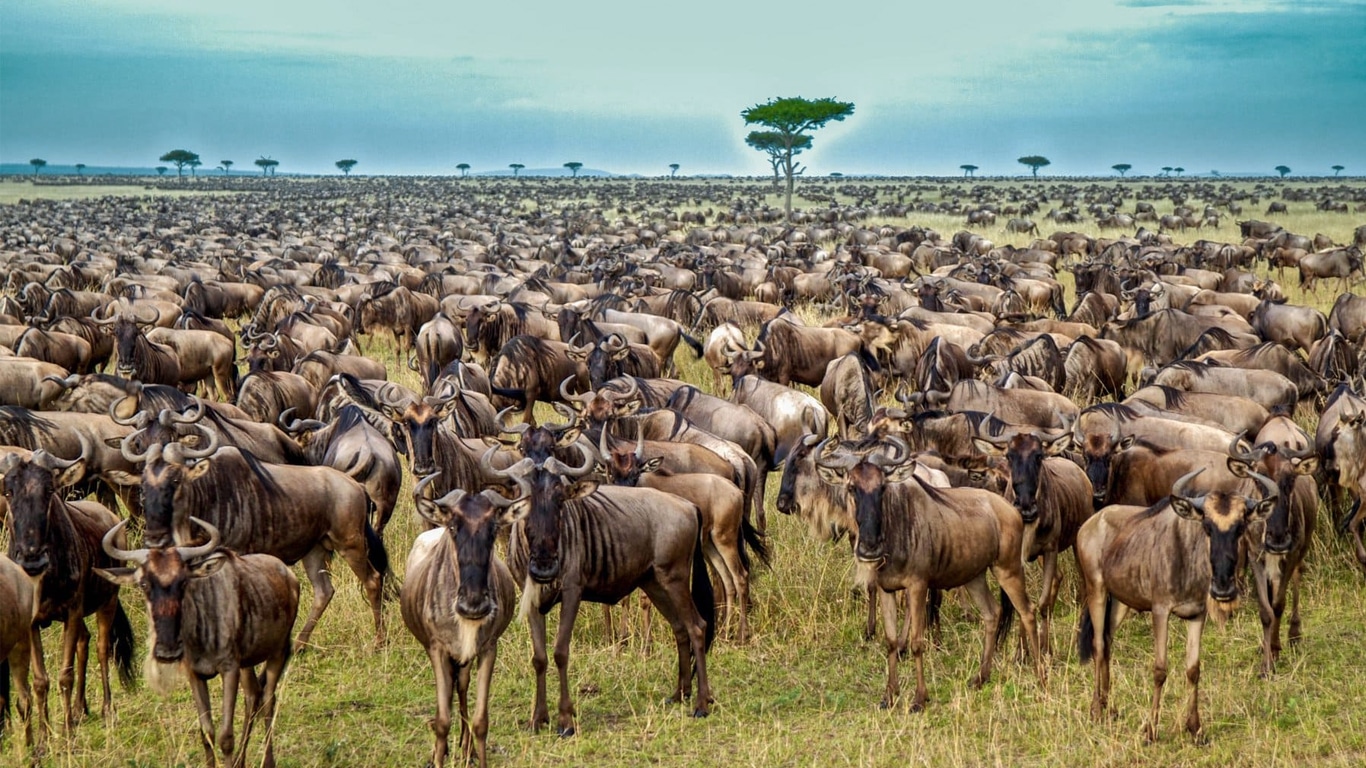
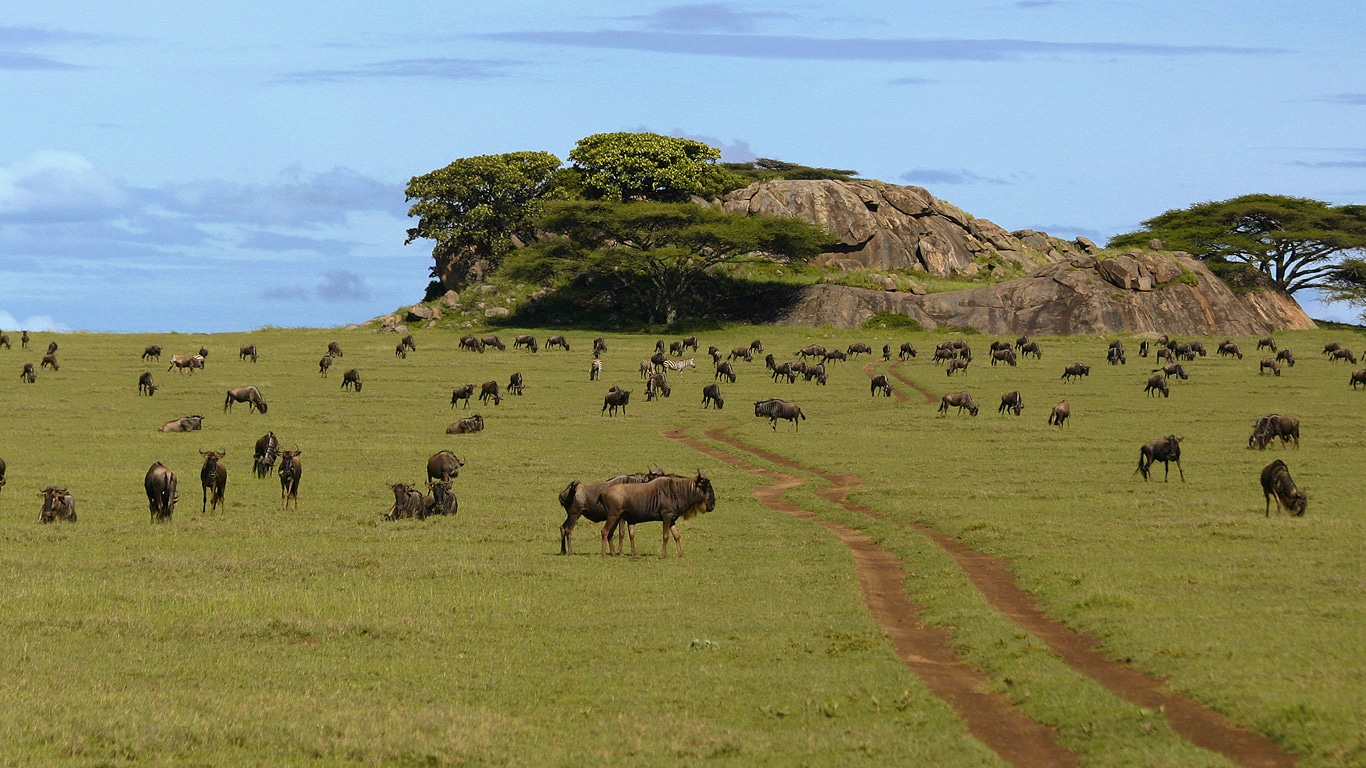
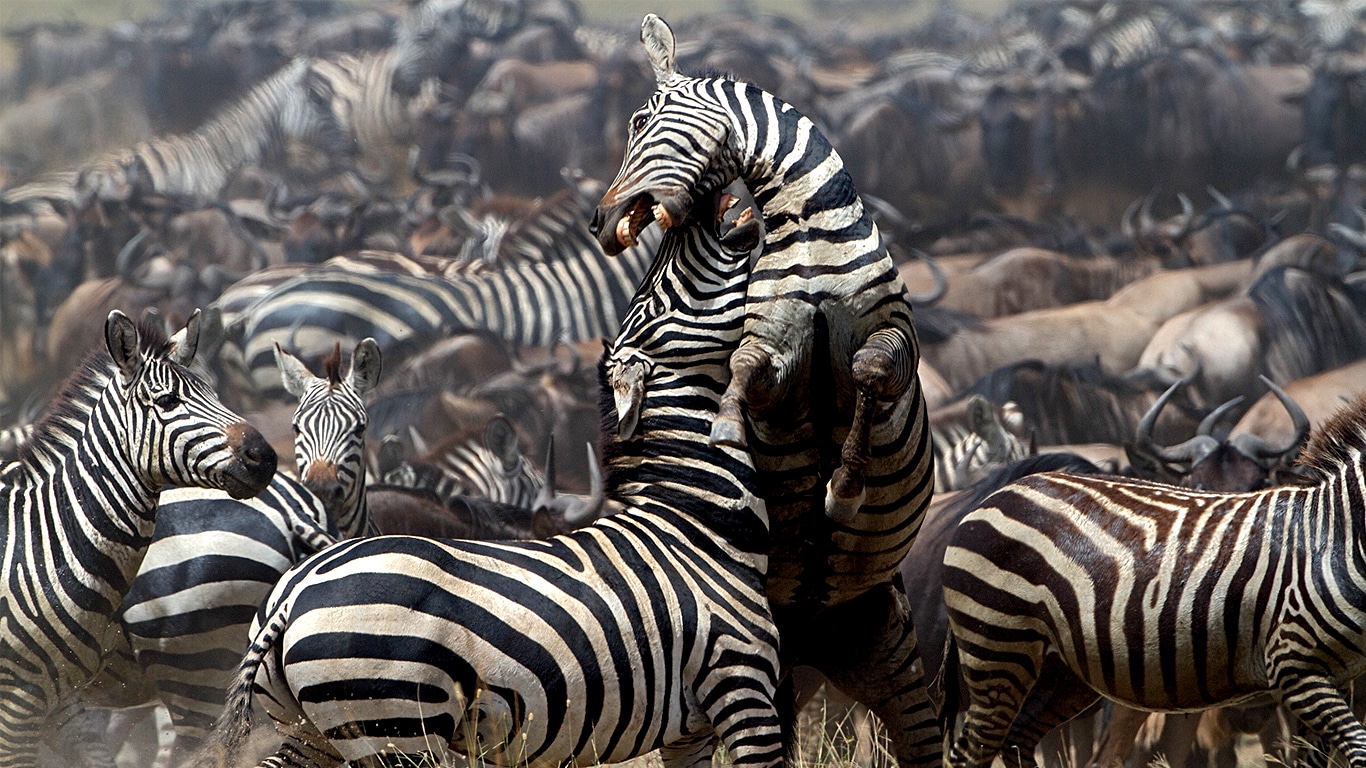
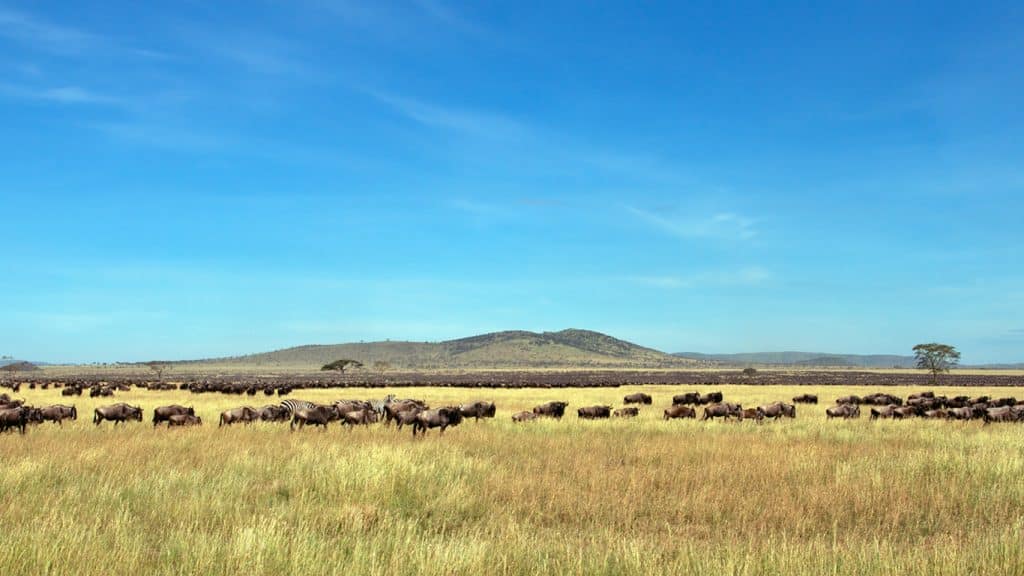
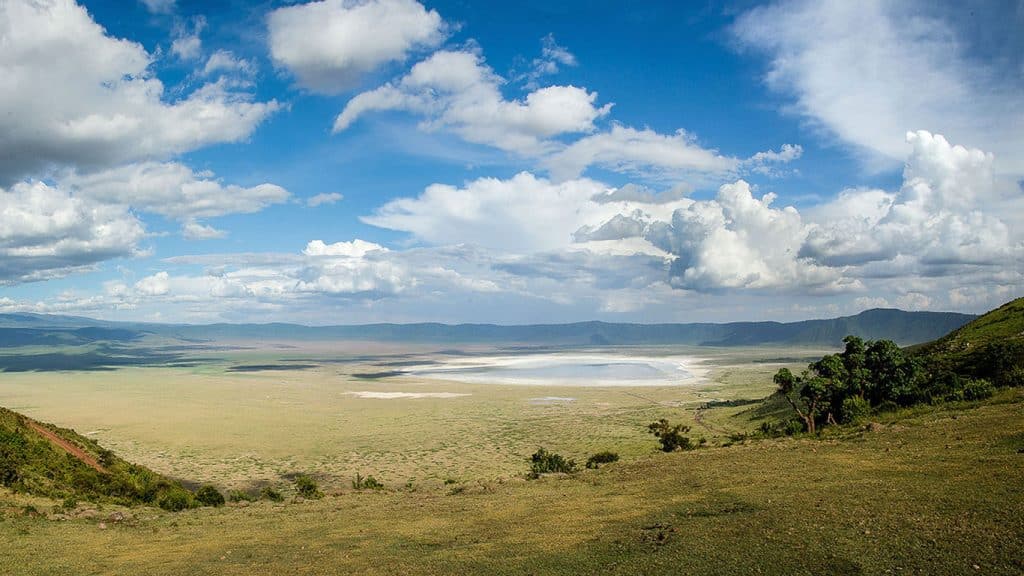
While the national park itself is massive, the “Greater Serengeti Ecosystem” is the true measure of this landscape. It includes the Ngorongoro Conservation Area, the Masai Mara (Kenya), and several game reserves like Grumeti and Ikorongo. Because there are no fences, nearly two million ungulates move freely across these borders in a relentless search for water and green grass.
The World’s Predator Capital
The Serengeti supports the highest concentration of large carnivores in the world. The numbers are staggering:
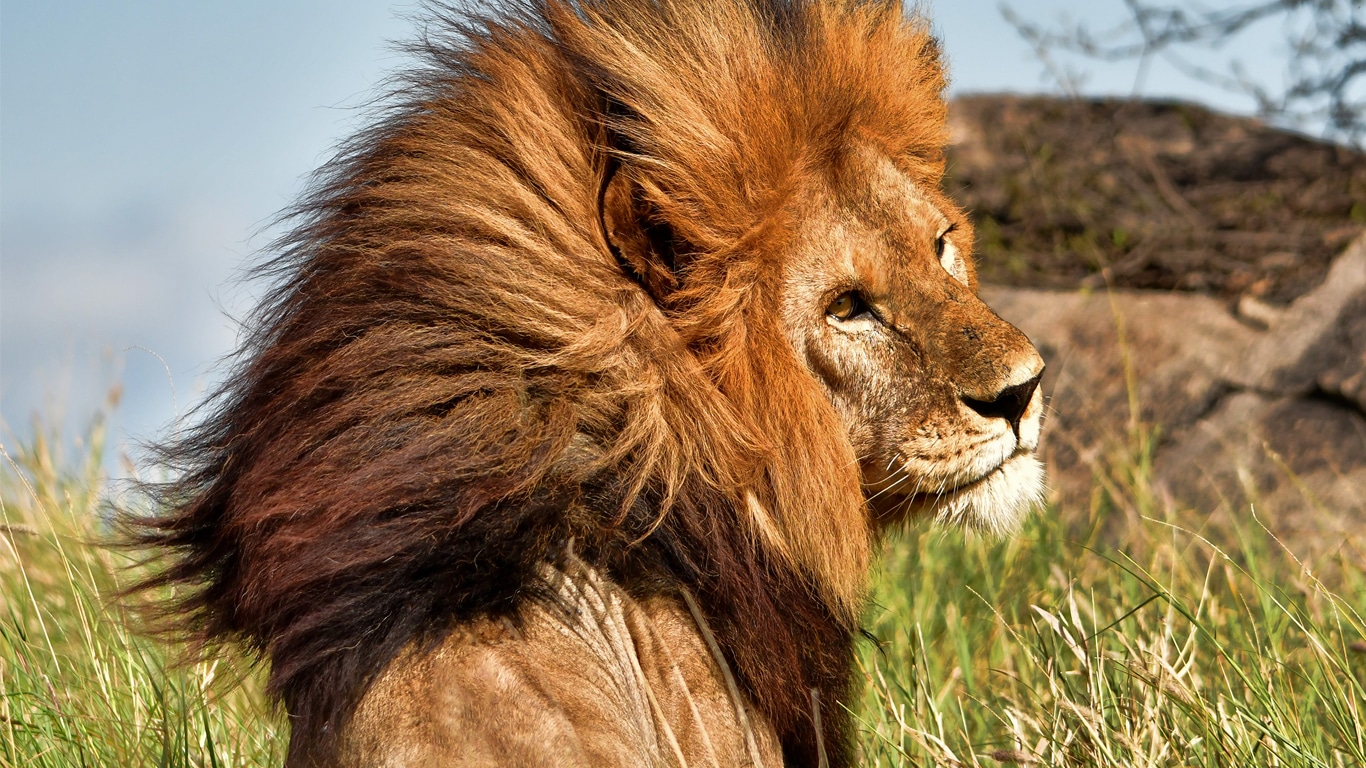
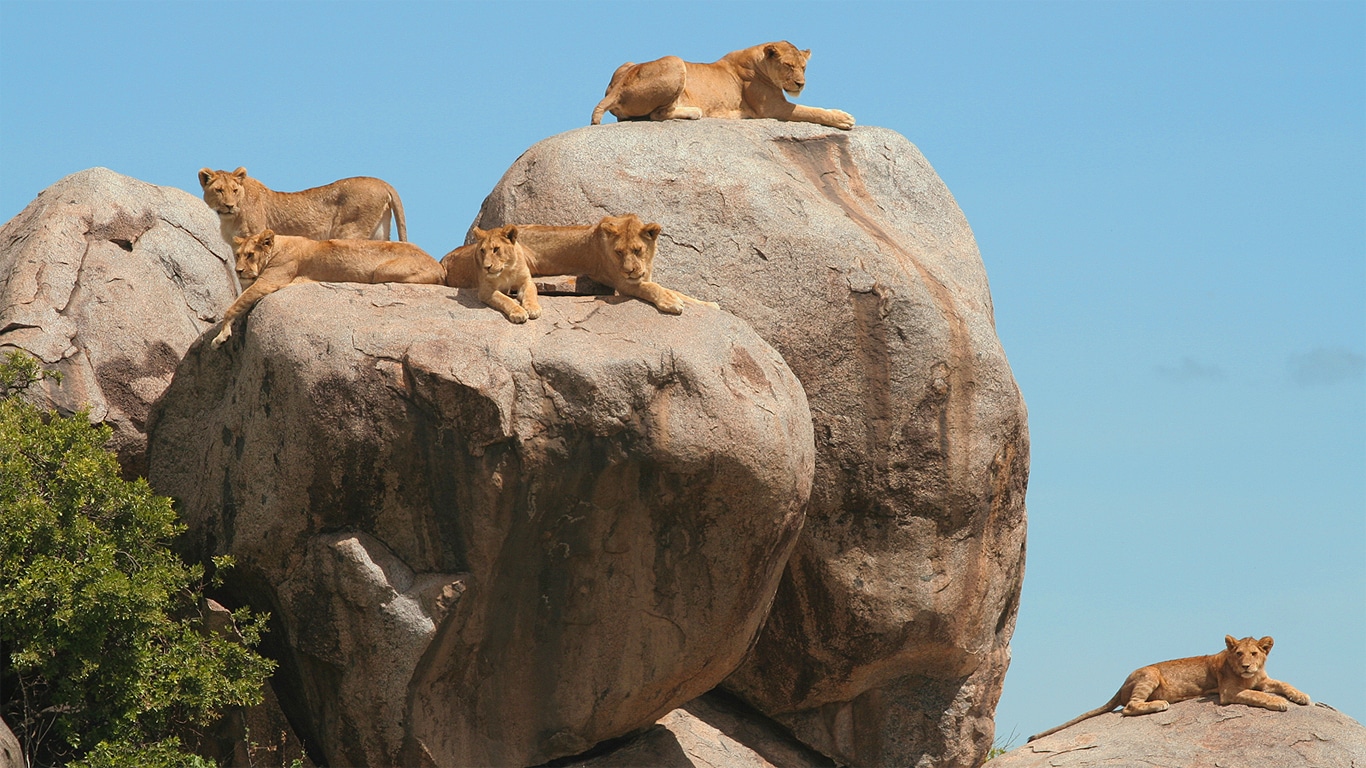
- Lions: With approximately 2,800 individuals, this is the largest lion population in Africa. The central Seronera Valley, in particular, is world-famous for its high-density prides.
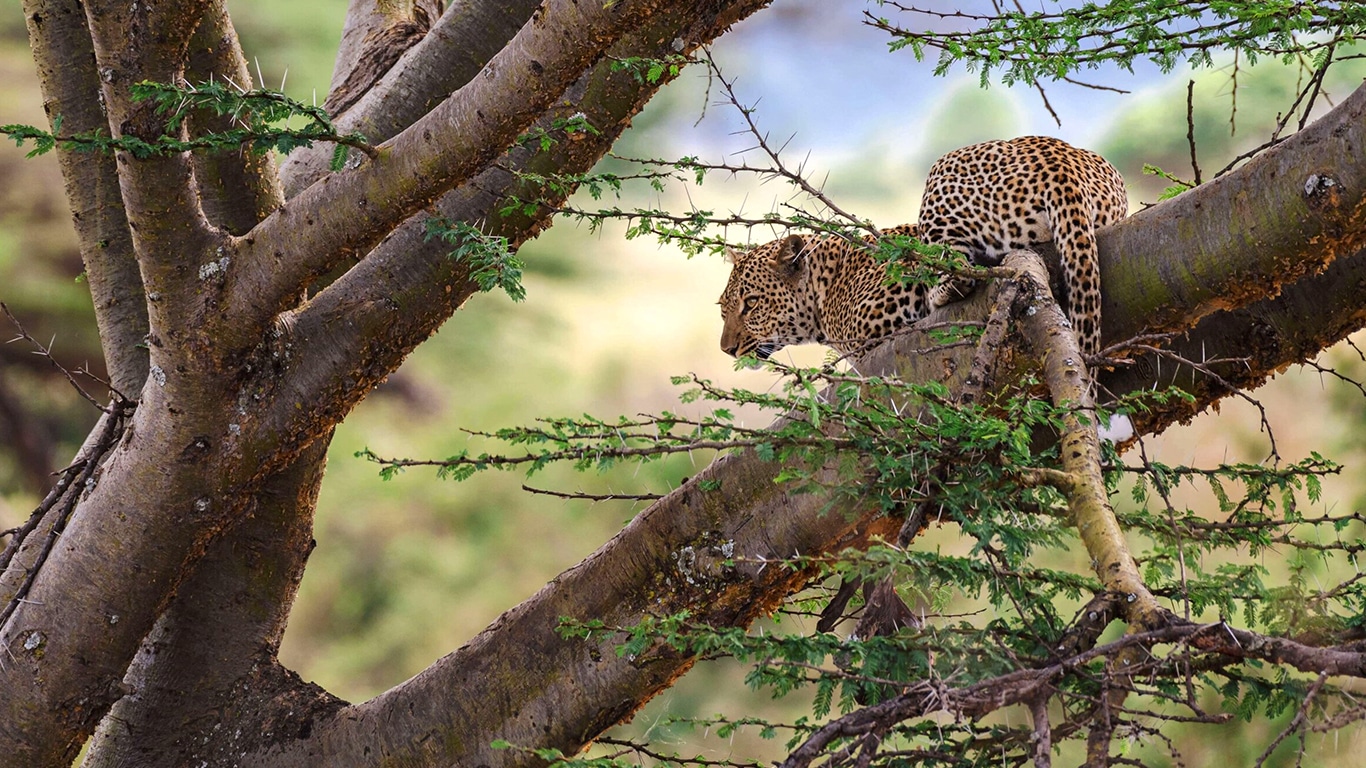
- Leopards: About 1,000 leopards stalk the riverine forests and kopjes, making the Serengeti one of the most reliable places to see these elusive cats.
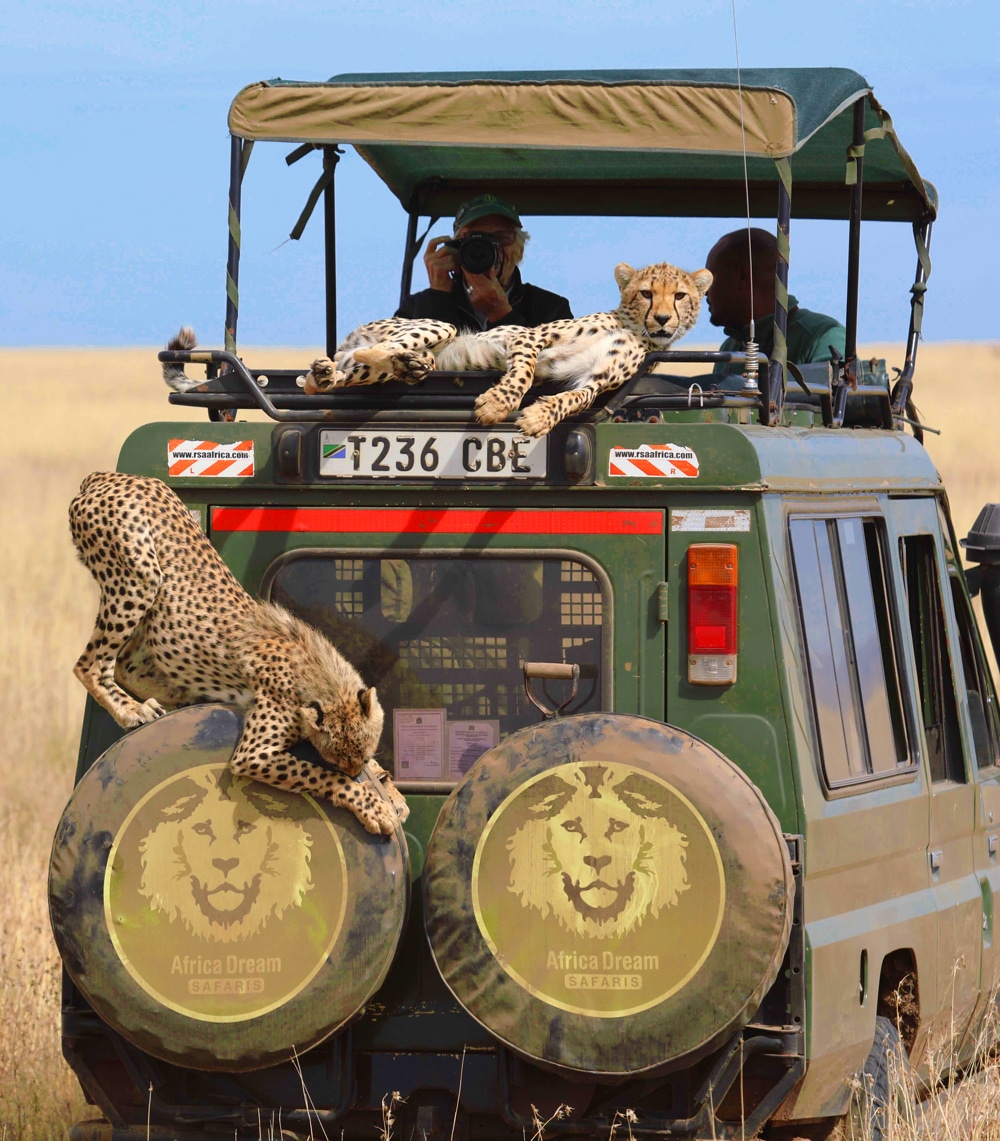
- Cheetahs: While generally living at lower densities, the Serengeti boasts the highest density of cheetahs in Africa during the wet season, with up to 40 animals per 60 square miles on the short-grass plains.
- The “Commuters”: Spotted hyenas are the most numerous large carnivore (9,000+), often “commuting” massive distances from their dens to follow the migrating herds.
Why the Serengeti is Unrivaled
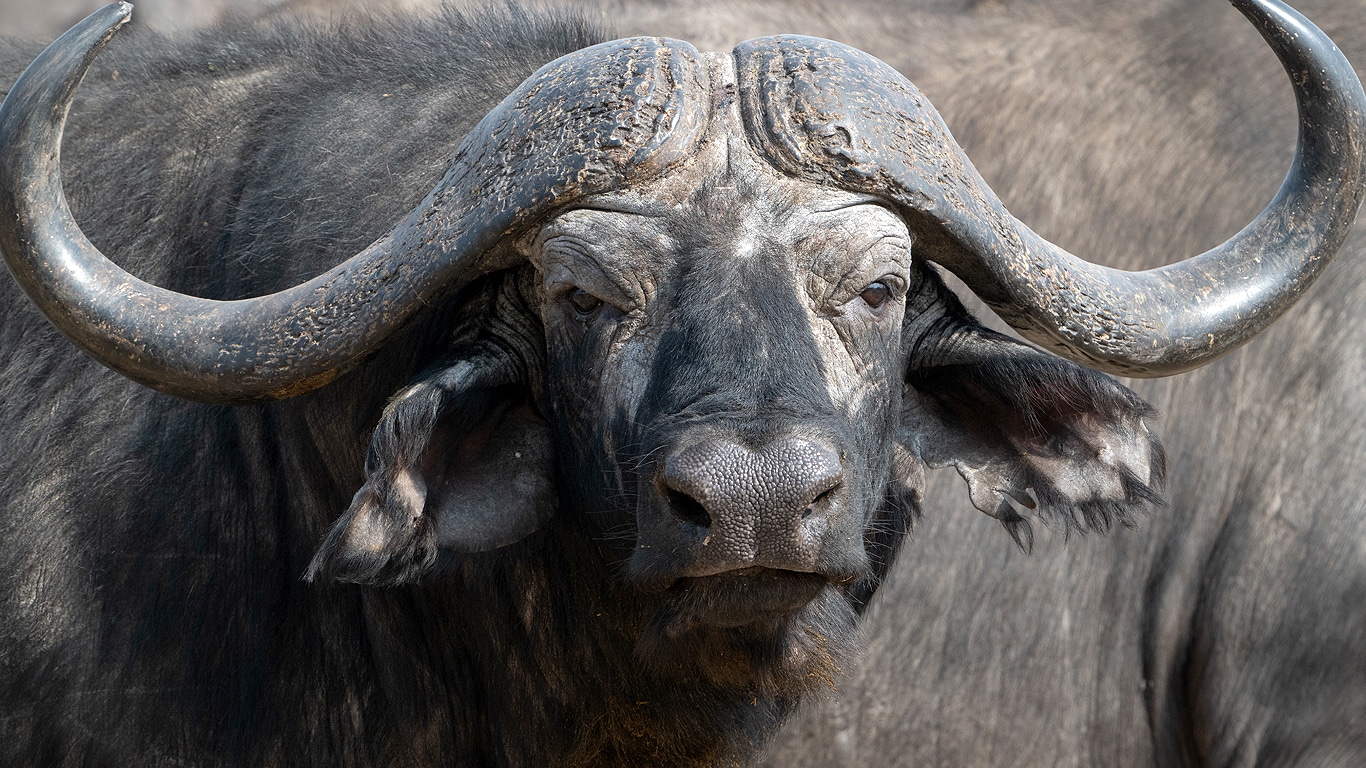
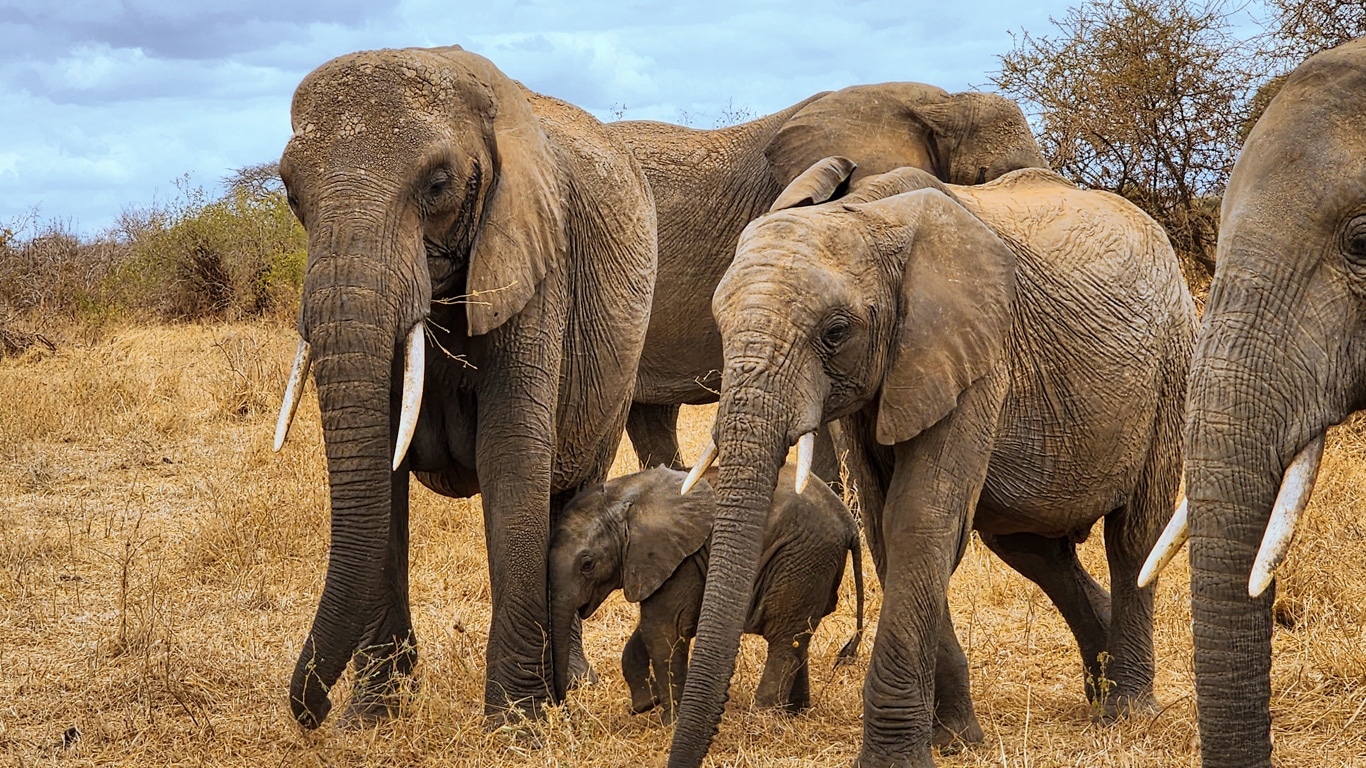
- Unmatched Variety: From the smallest mongoose (130,000+) to the rare black rhino (currently a small, highly protected population), you can encounter almost every iconic East African species here.
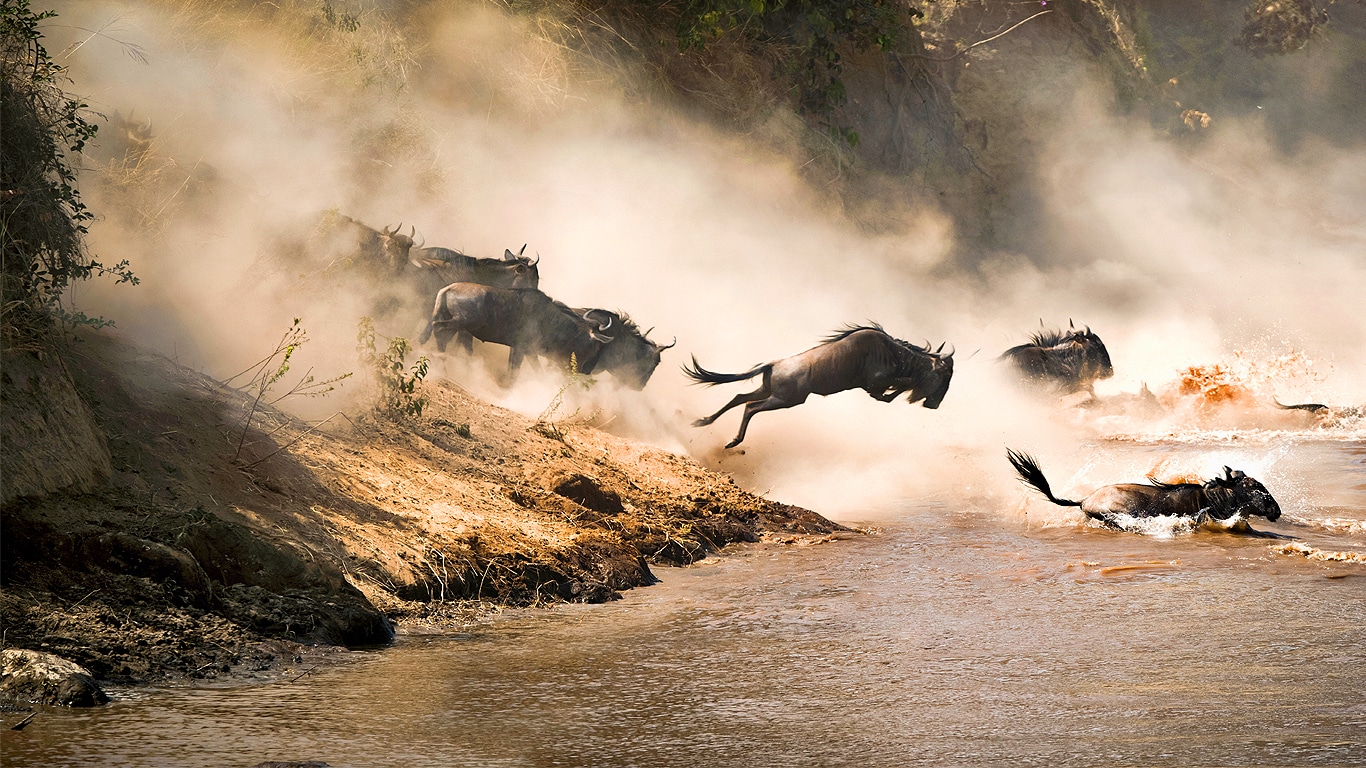
- Year-Round Reward: Though the migration moves, the Serengeti is always “open.” By shifting locations between the southern plains (calving) and the northern woodlands (river crossings), you are guaranteed high-density wildlife viewing regardless of the month.
- Pristine Wilderness: Despite its fame, the park’s sheer size ensures a raw, wild feel. Once you move away from the main central arteries, it is easy to find yourself alone with thousands of animals.
- Ideal Climate: Situated on a high plateau (4,000 to 6,000 feet), the equatorial sun is tempered by a cool breeze. Temperatures rarely exceed 85°F (29°C), making for comfortable, all-day game viewing.
Habitats: A World of Diversity
The park is a mosaic of different worlds:
- The South & East: Home to the famous short-grass plains where the migration congregates during the wet season.
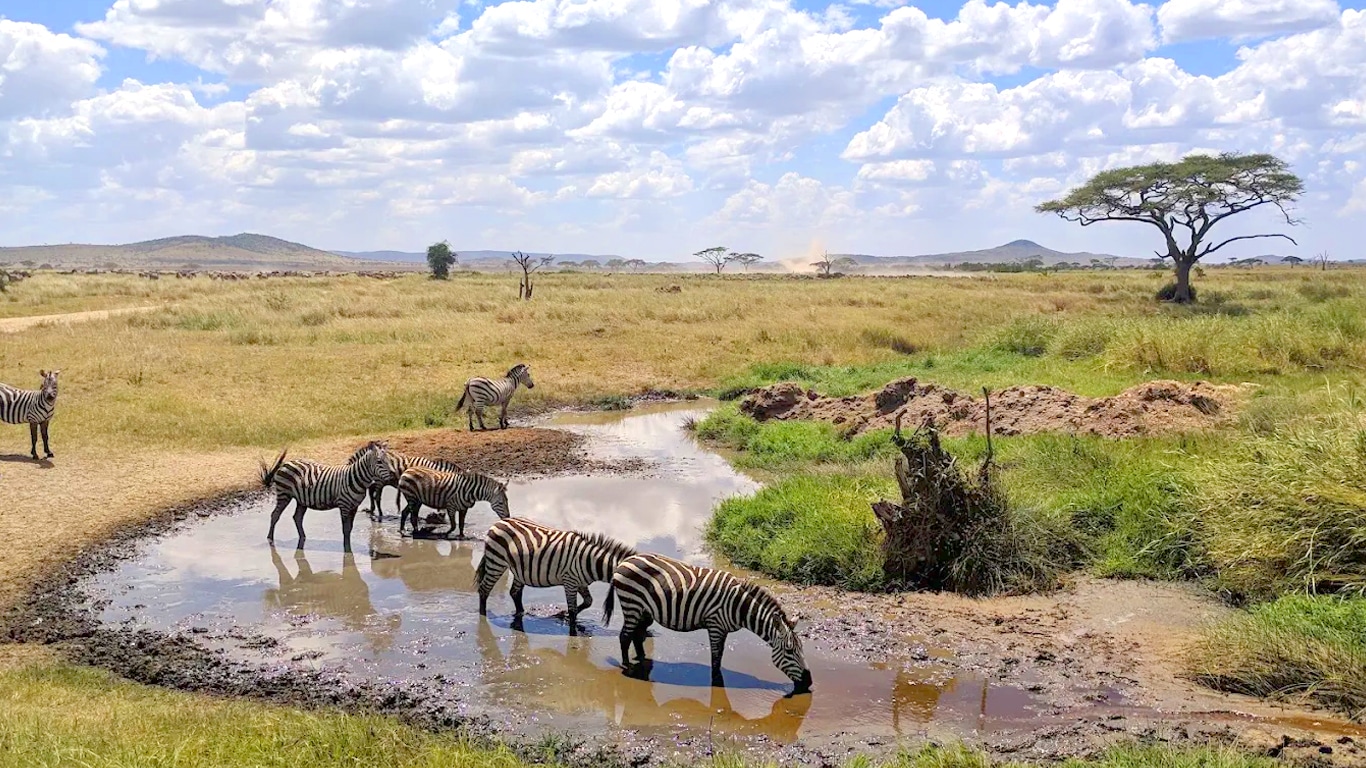
- The Central Region: Characterized by acacia woodlands and “lion-rich” river valleys.
- The West & North: Remote corridors of thick bush, gallery forests, and the dramatic Mara and Grumeti rivers.
Seasonal Highlights
| Month | Season | Weather | Wildlife Sightings | Rec. |
|---|---|---|---|---|
| Jan | Green Season | 60 - 85 F Mostly sunny with few showers |
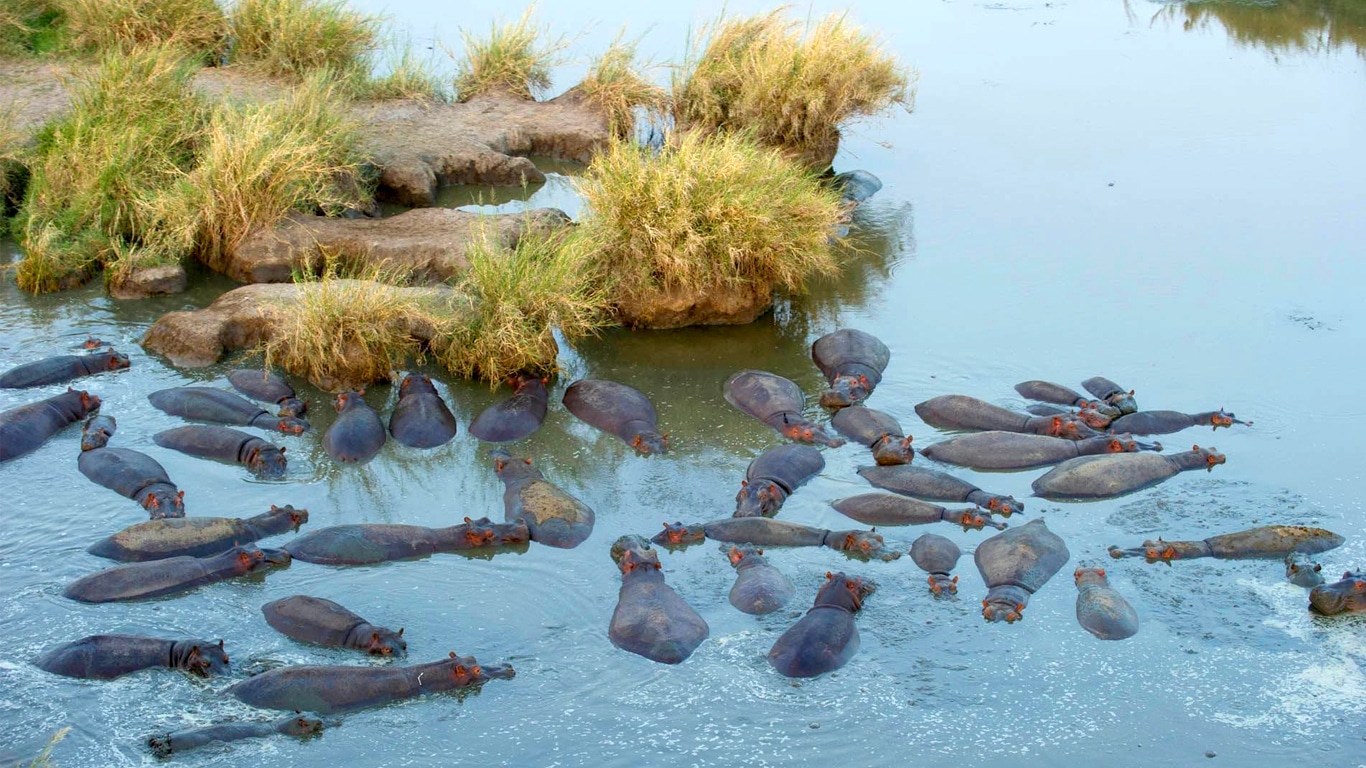
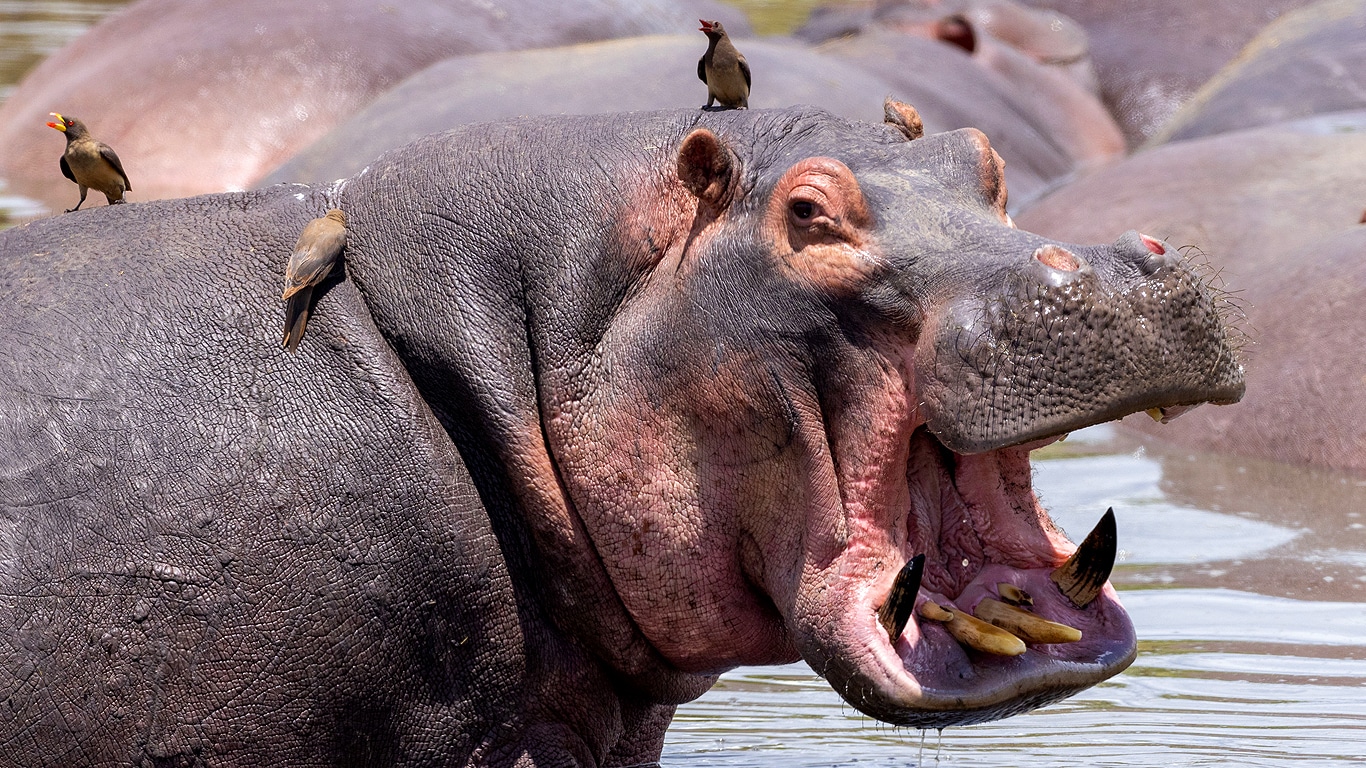
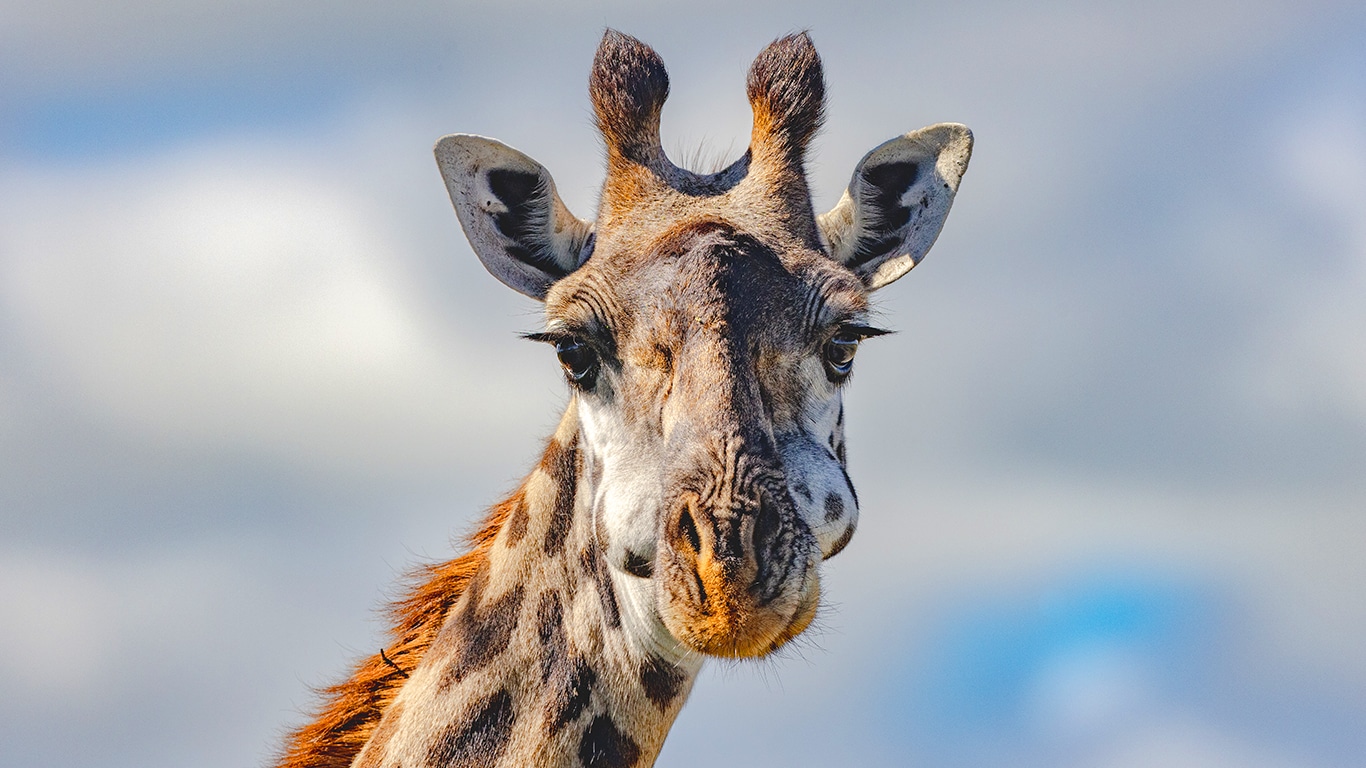
Leopard, Lion, Giraffe, Impala, Buffalo, Hippo | Yes |
| Feb | Green Season | 60 - 85 F Mostly sunny with few showers |
Leopard, Lion, Giraffe, Impala, Buffalo, Hippo | Yes |
| Mar | Green Season | 60 - 83 F Mostly sunny with few showers |
Leopard, Lion, Giraffe, Impala, Buffalo, Hippo | Yes |
| Apr | Green Season | 60 - 83 F Mostly sunny with few showers |
Leopard, Lion, Giraffe, Impala, Buffalo, Hippo | Yes |
| May | Northward Migration | 56 - 81 F Mostly sunny |
Leopard, Lion, Giraffe, Impala, Buffalo, Hippo, Possibility of the Wildebeest Migration in mid to late May | Yes |
| Jun | Beginning of Dry Season | 56 - 81 F Mostly sunny |
Wildebeest Migration, Zebra Migration, Thomson's Gazelle Migration, Cheetah, Leopard, Lion, Giraffe, Buffalo, Hippo | Yes |
| Jul | Dry Season | 60 - 83 F Mostly sunny |
Thomson's Gazelle Migration, Cheetah, Leopard, Lion, Giraffe, Impala, Buffalo, Hippo | Yes |
| Aug | Dry Season | 56 - 81 F Mostly sunny |
Thomson's Gazelle Migration, Cheetah, Leopard, Lion, Giraffe, Impala, Buffalo, Hippo | Yes |
| Sep | Dry Season | 56 - 81 F Mostly sunny |
Thomson's Gazelle Migration, Cheetah, Leopard, Lion, Giraffe, Impala, Buffalo, Hippo | Yes |
| Oct | Dry Season | 60 - 83 F Mostly sunny |
Thomson's Gazelle Migration, Cheetah, Leopard, Lion, Giraffe, Impala, Buffalo, Hippo | Yes |
| Nov | Southward Migration | 60 - 83 F Mostly sunny with few showers |
Leopard, Lion, Giraffe, Impala, Buffalo, Hippo | Yes |
| Dec | Beginning of Green Season | 60 - 83 F Mostly sunny with few showers |
Leopard, Lion, Giraffe, Impala, Buffalo, Hippo | Yes |
Nearby Lodges
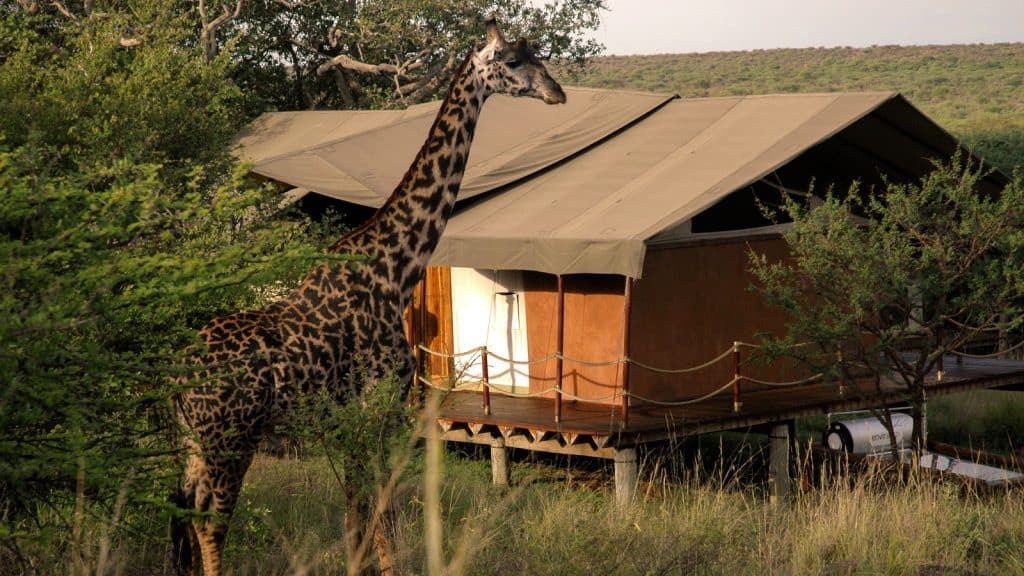
Migration Tented Lodge
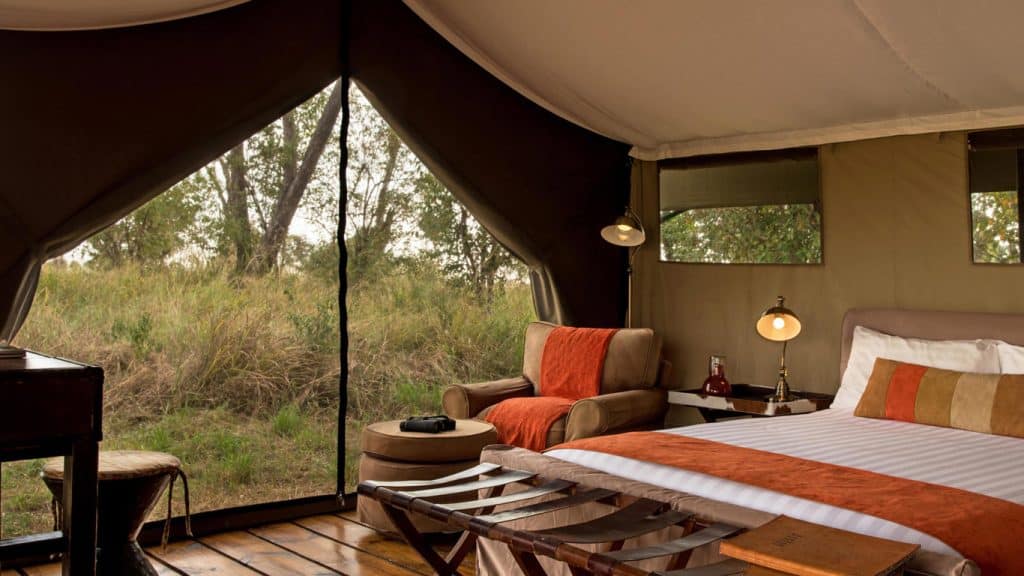
Lemala Mara River Camp
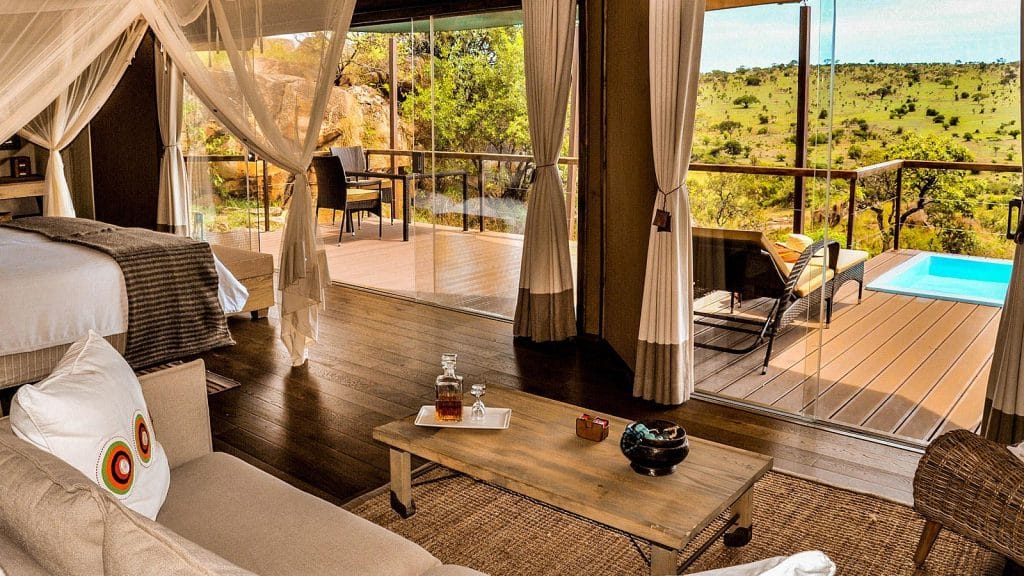
Kuria Hills Lodge
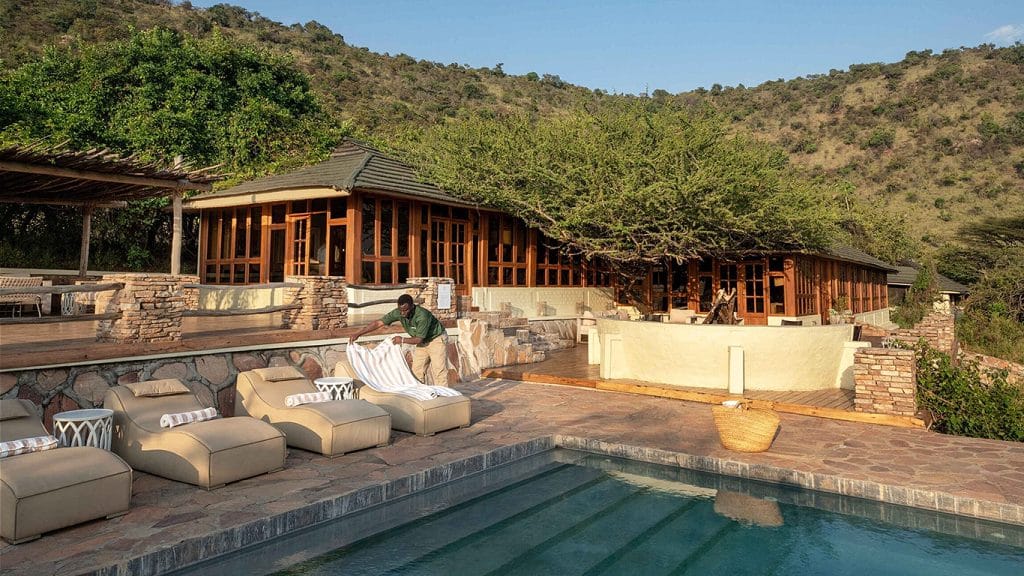
Taasa Lodge
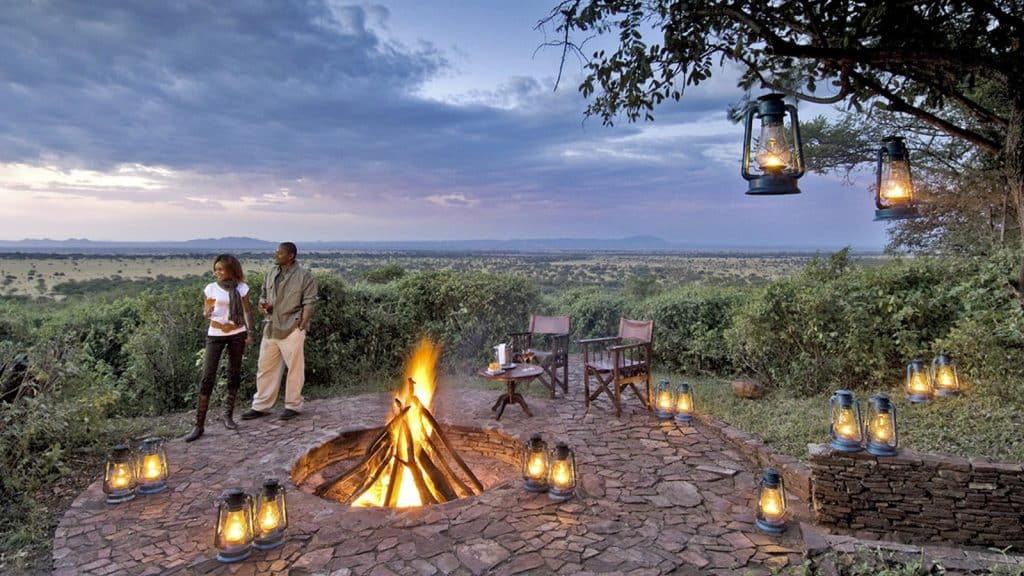
Kirawira Tented Lodge
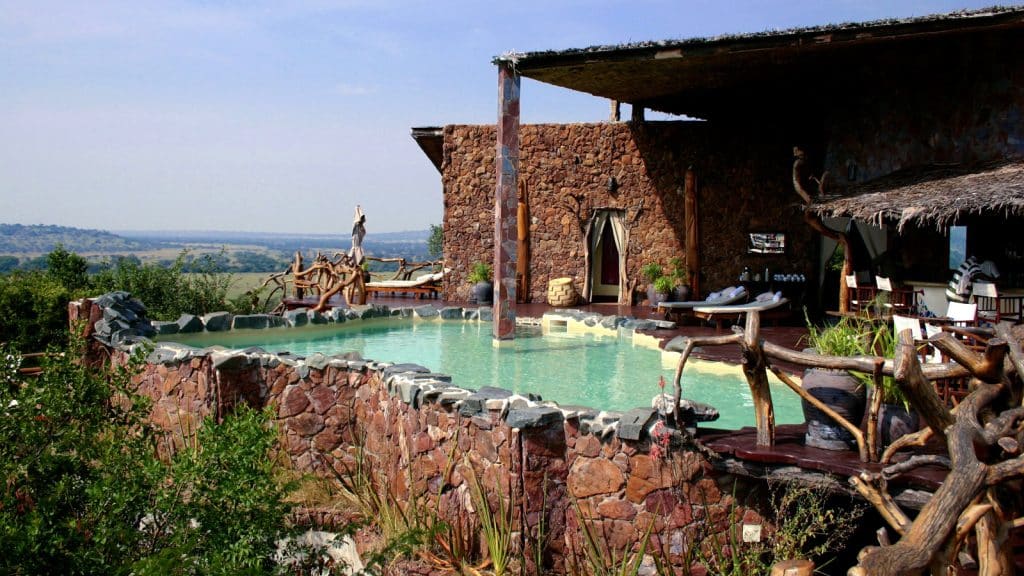
Mbalageti Tented Lodge
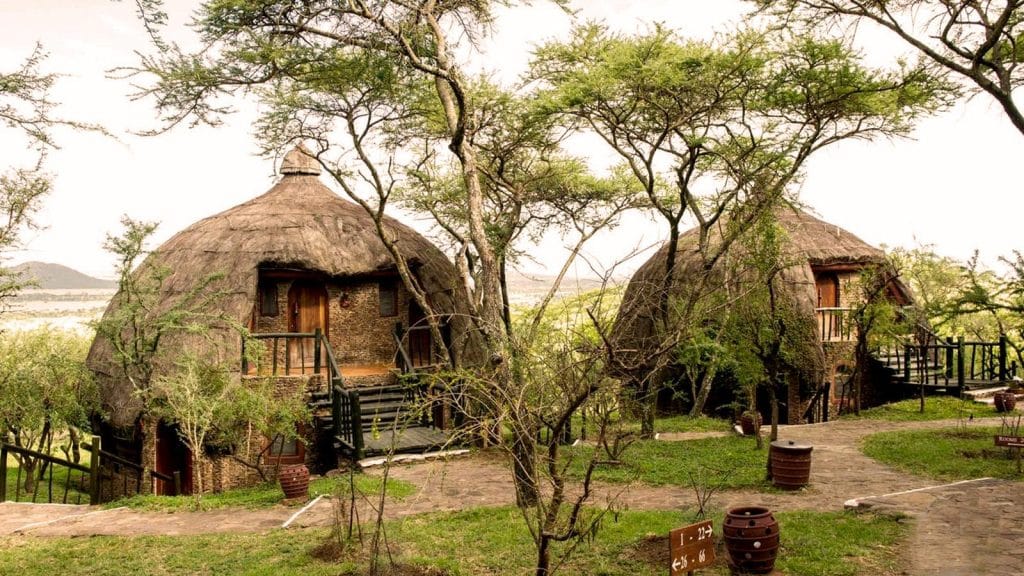
Serengeti Serena Lodge
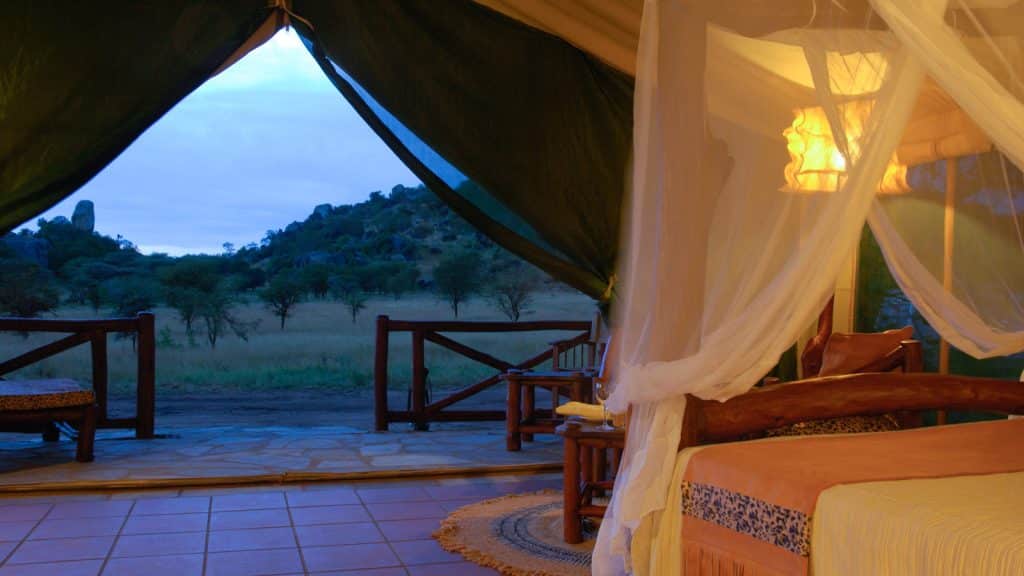
Mbuzi Mawe Tented Lodge
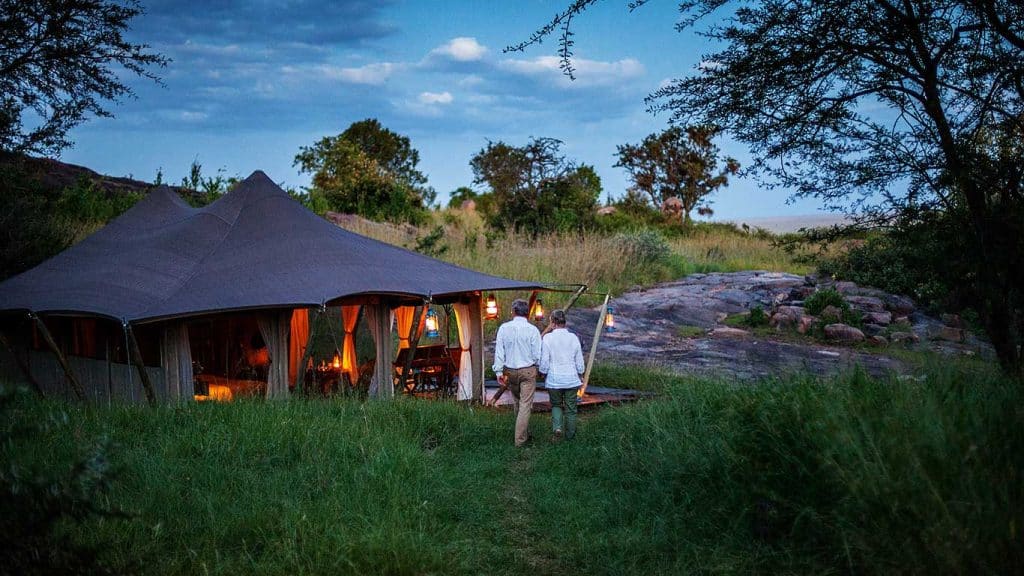
Serengeti Pioneer Camp
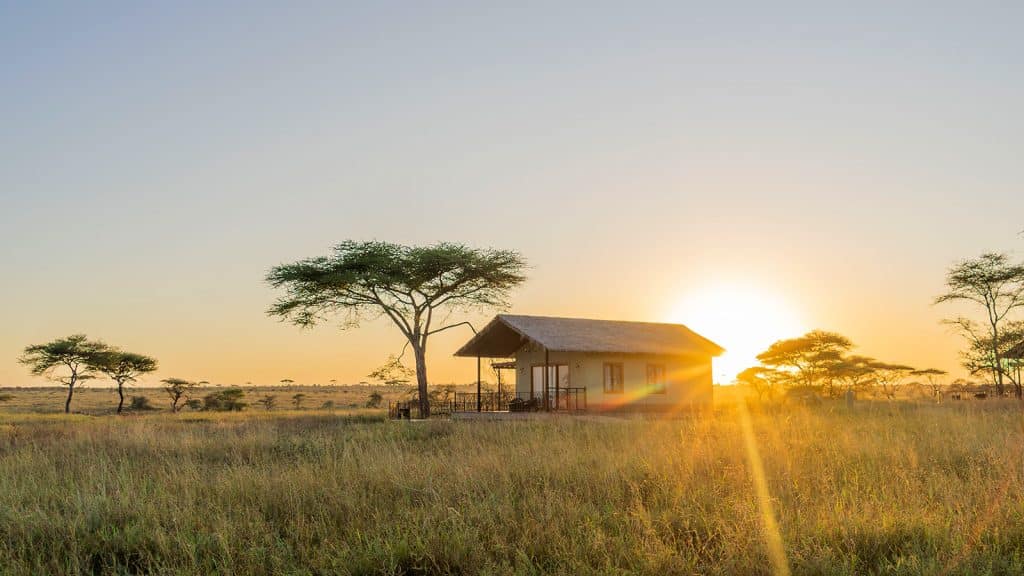
Sametu Camp
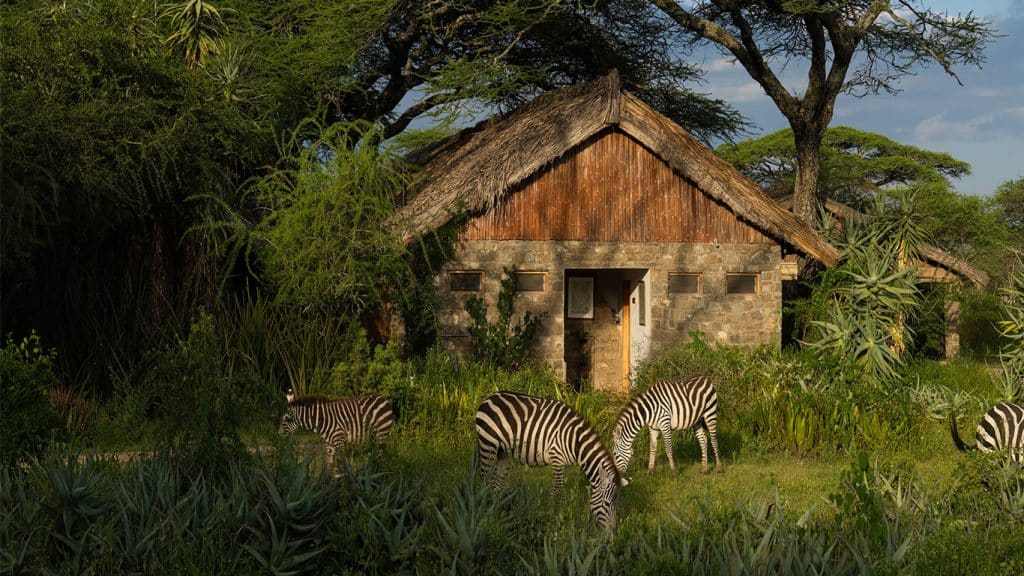
Ndutu Lodge
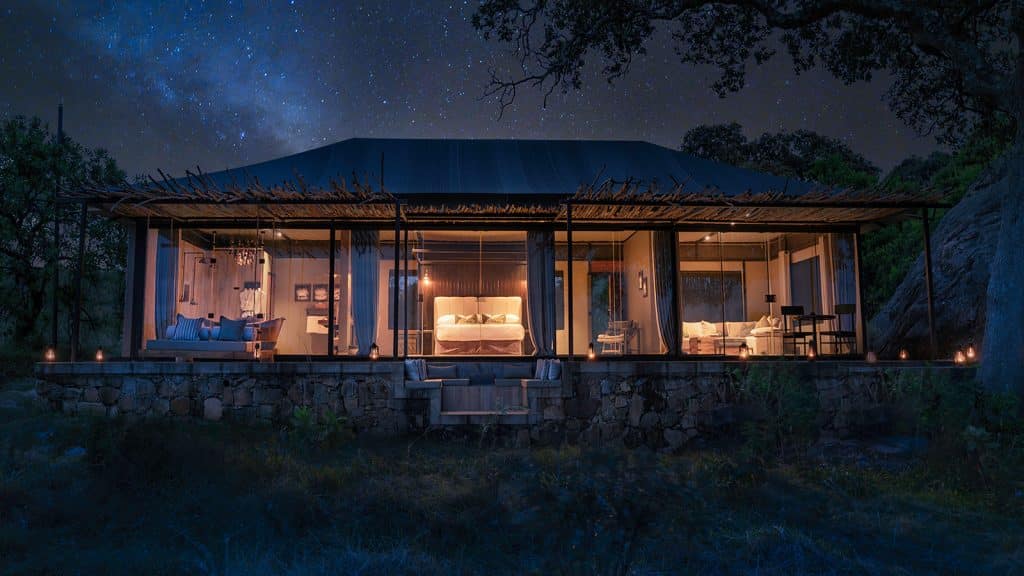
Nimali Mara Lodge
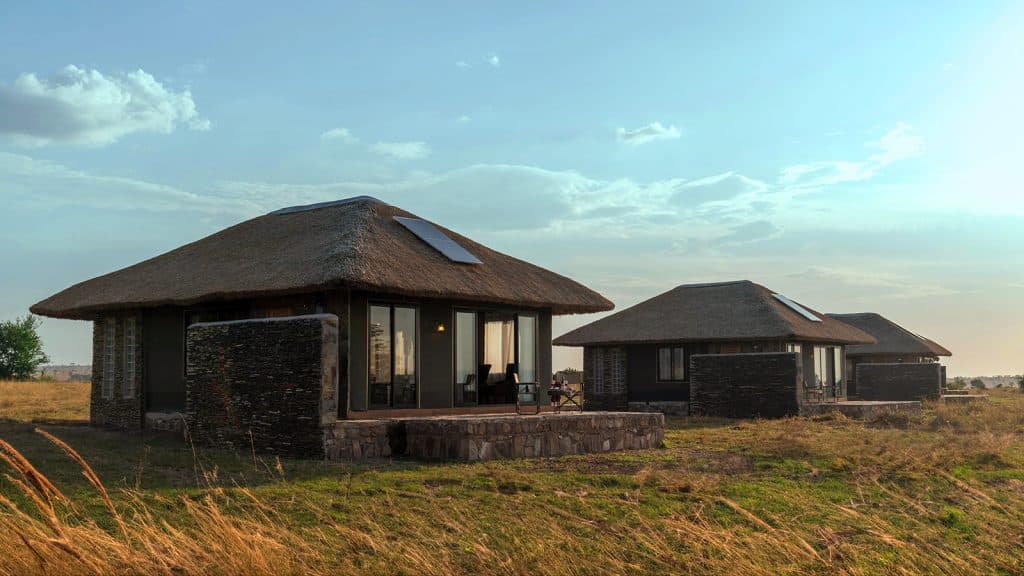
River Camp
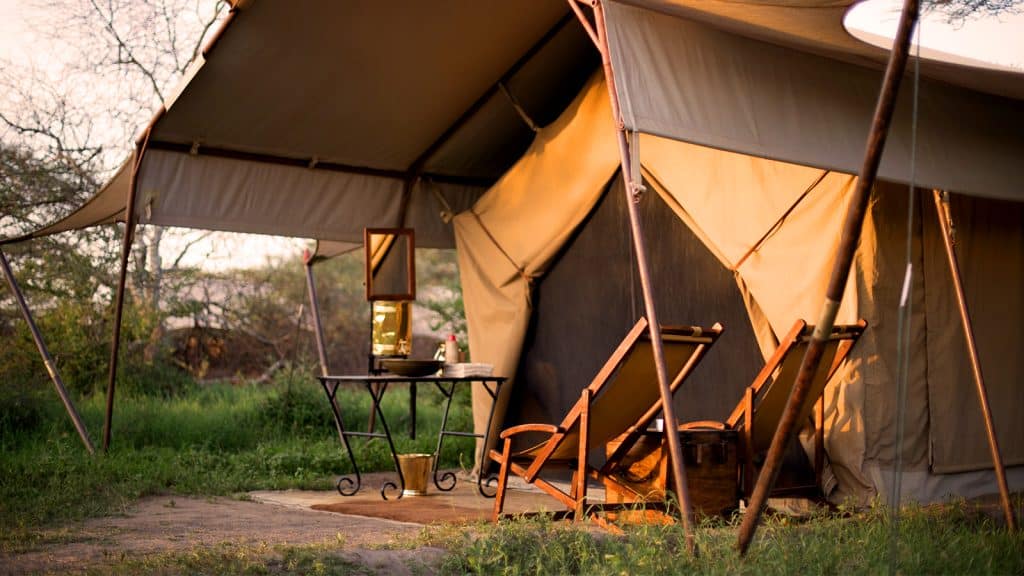
N. Serengeti Under Canvas
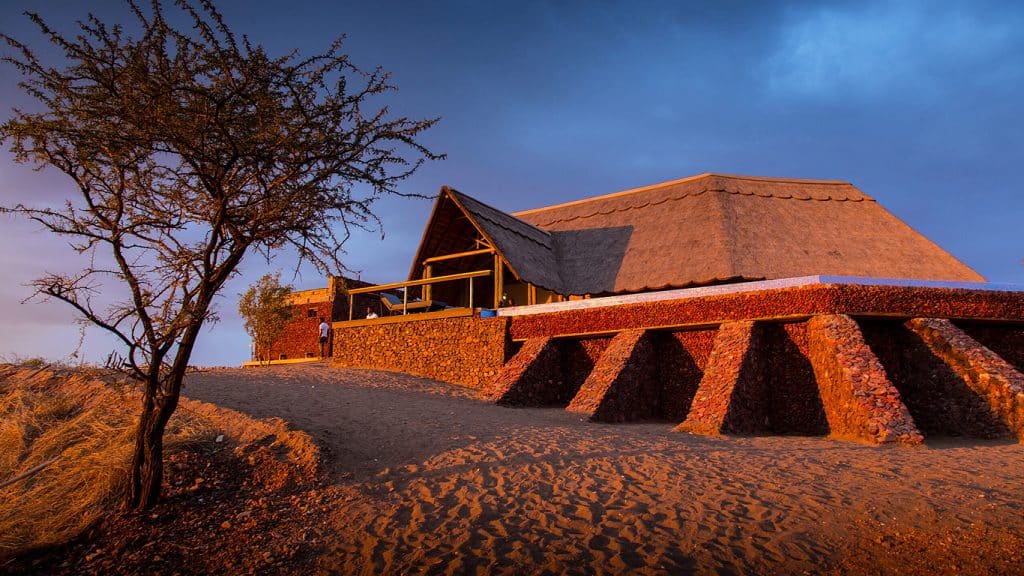
Lahia Tented Lodge
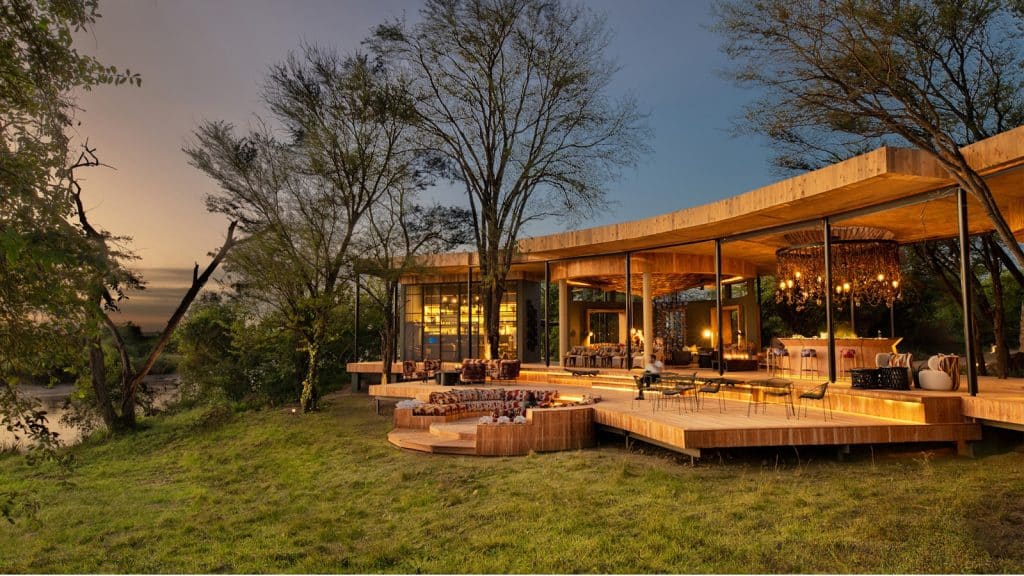
Grumeti River Lodge
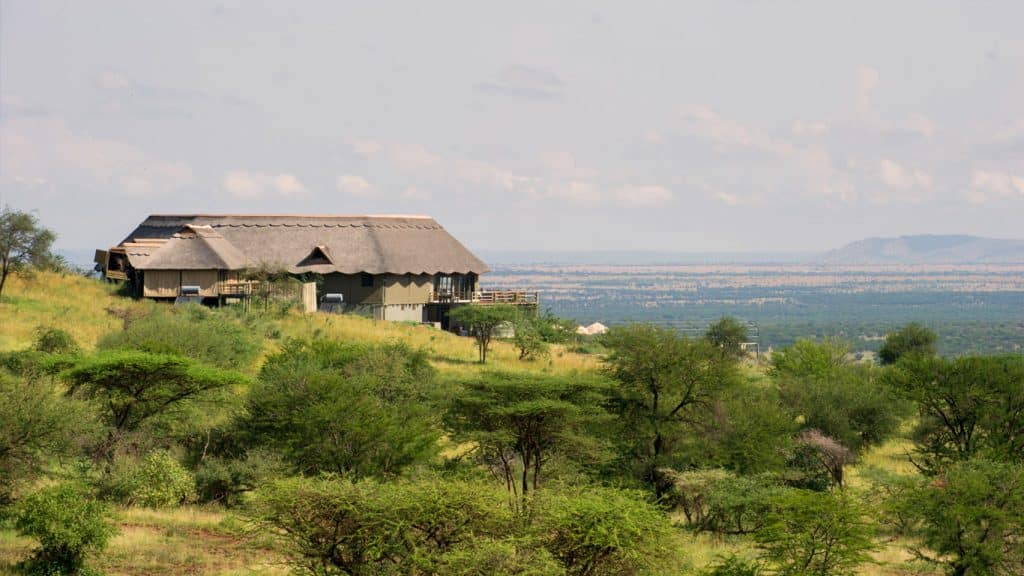
Kubu Kubu Tented Lodge

Four Seasons Lodge
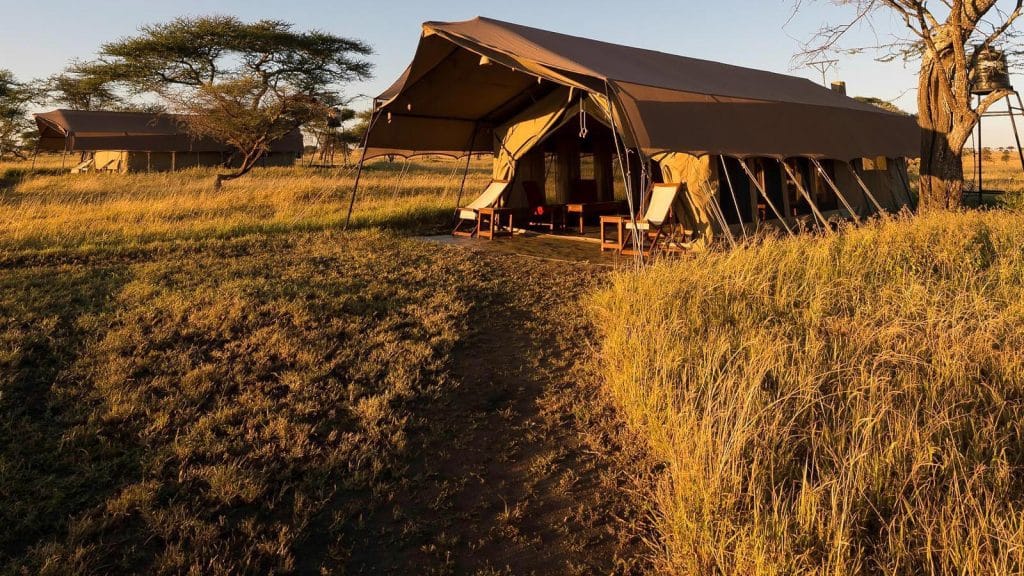
Private Mobile Camp
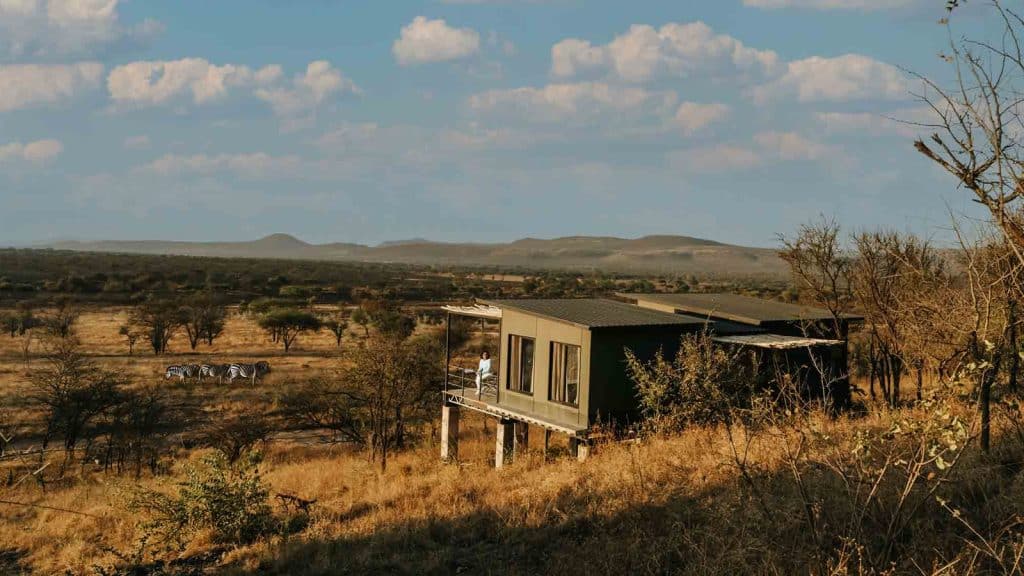
Nimali Serengeti Lodge
Nearby Attractions

What are you waiting for?
Create Your Own Itinerary
Receive instant day-by-day trip details designed just for you including rates, seasonal highlights, guest testimonials, photos & more!
Get In Touch
Our Safari Specialists Are Ready to Help Kickstart Your Adventure
Toll-Free
US Office
31244 Palos Verdes Dr. West, Suite 239 Rancho Palos Verdes, CA 90275
Hours: Daily 8AM - 8PM PST
Drop Us A Line
Leave your contact info below