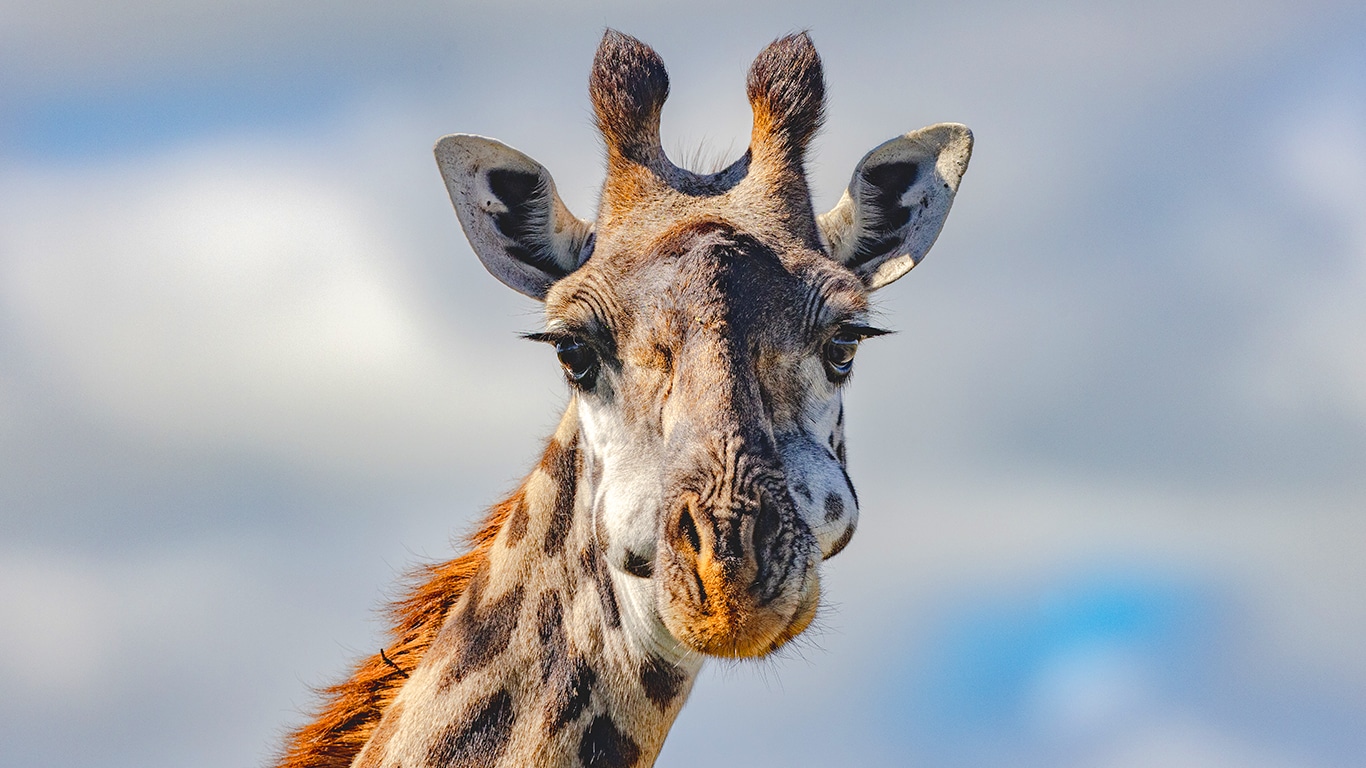
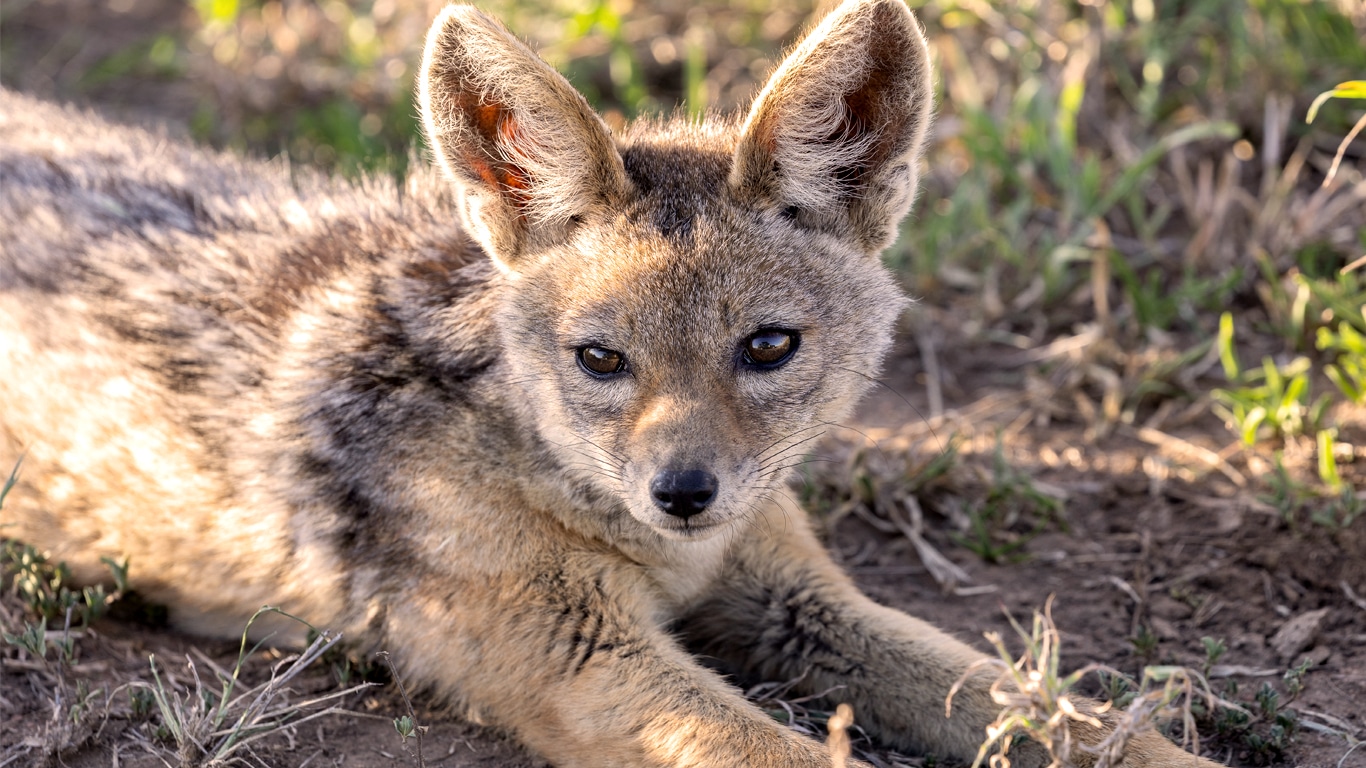
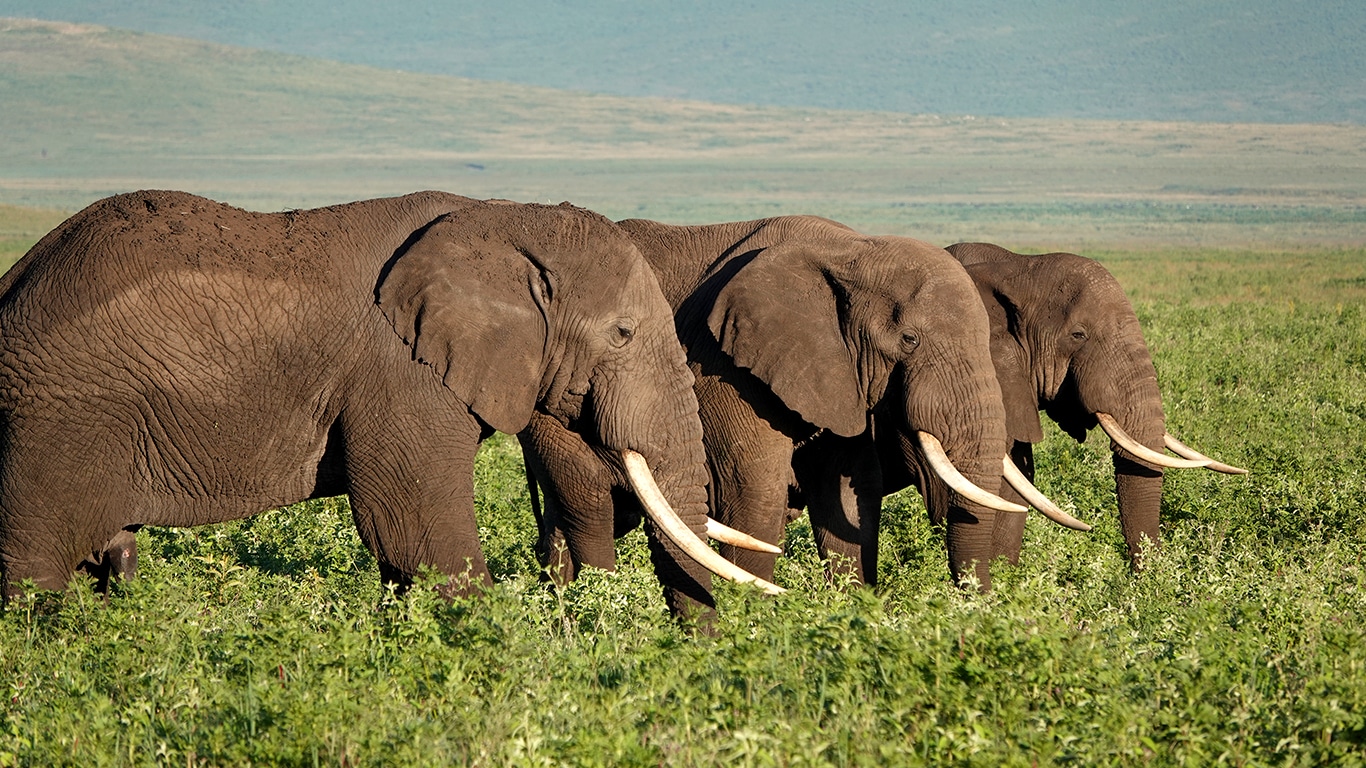
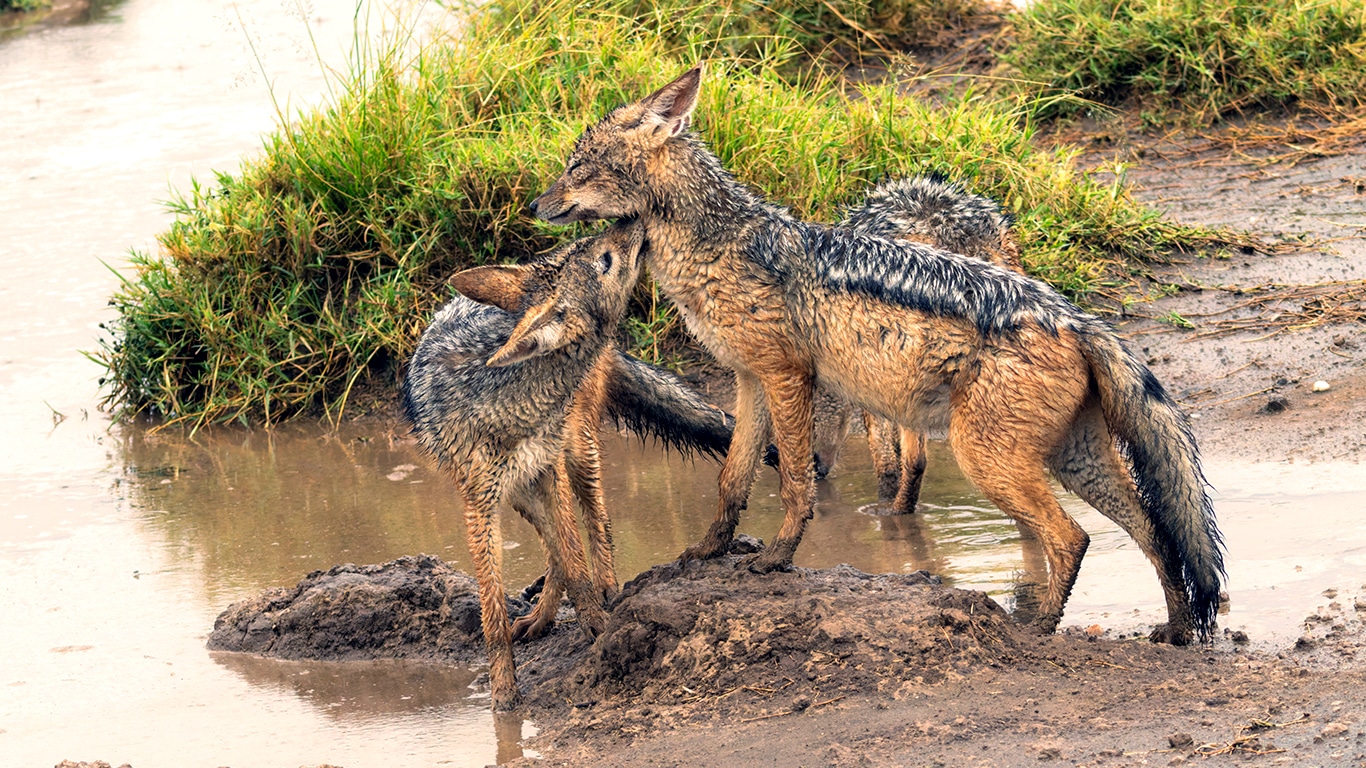
South Serengeti
The South Serengeti is the ultimate green season destination. From Dec to May, these nutrient-rich short-grass plains host over two million migratory animals, creating a high-biomass spectacle of calving wildebeest and peak predator action.
Details
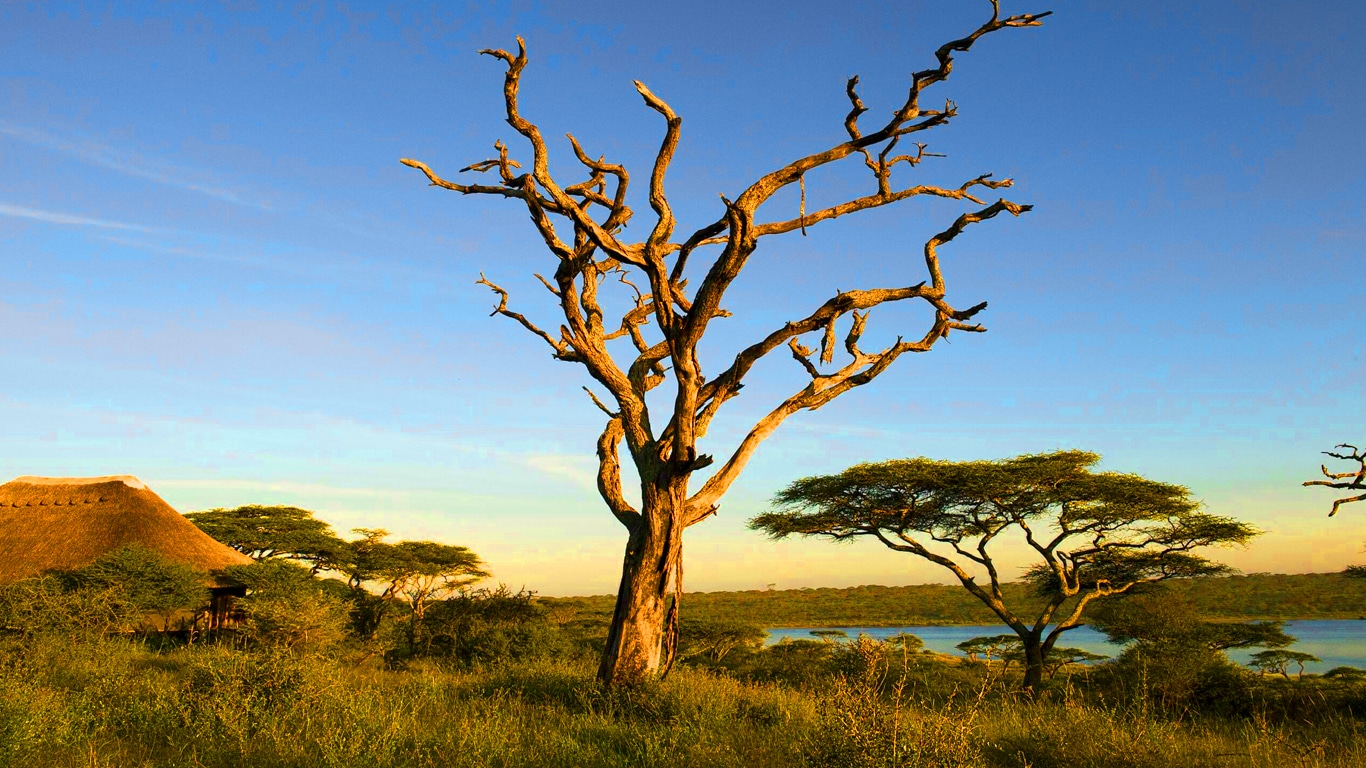
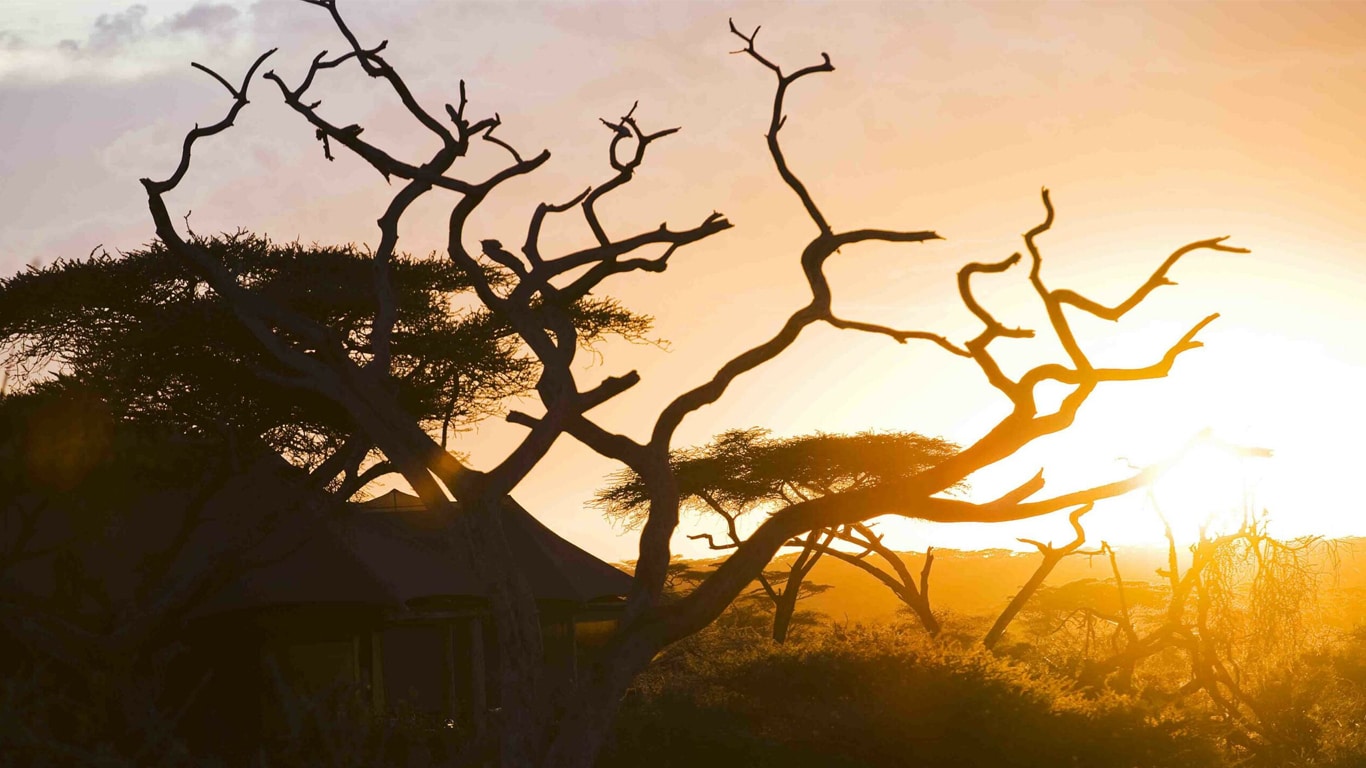
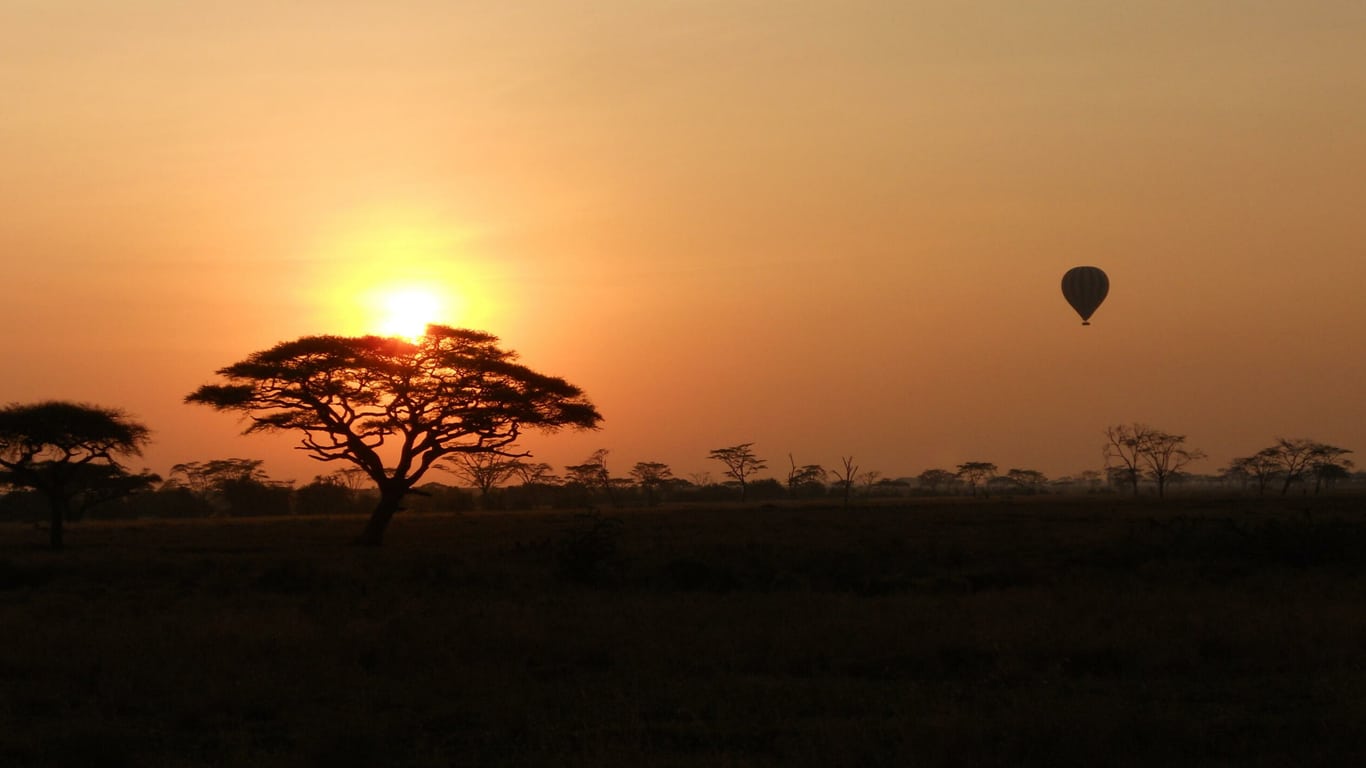
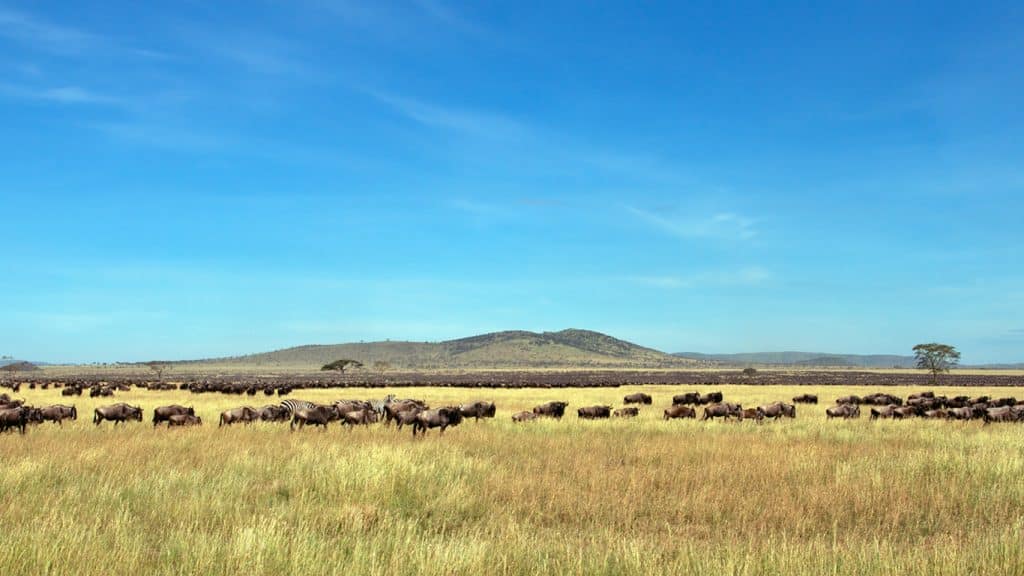
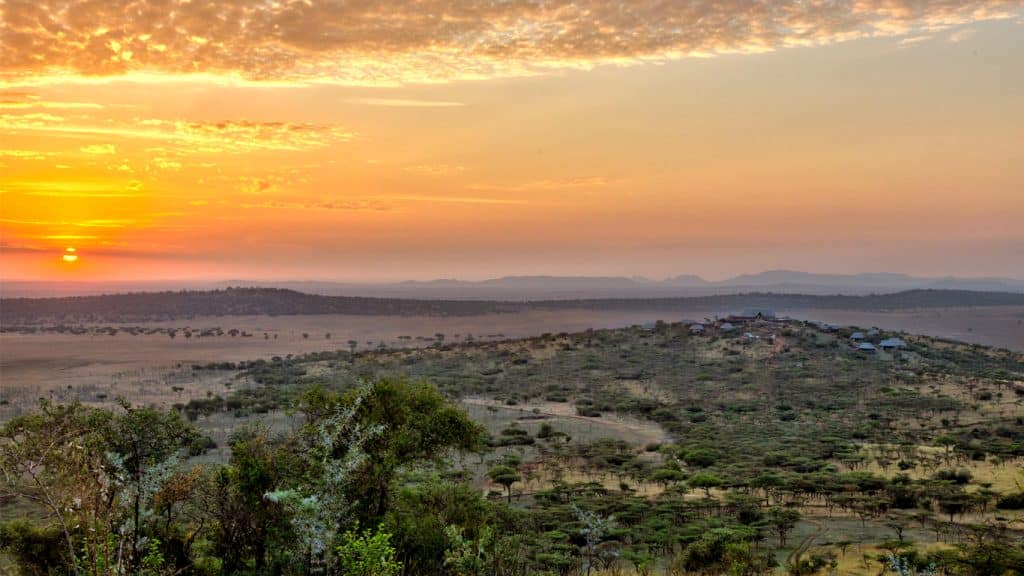
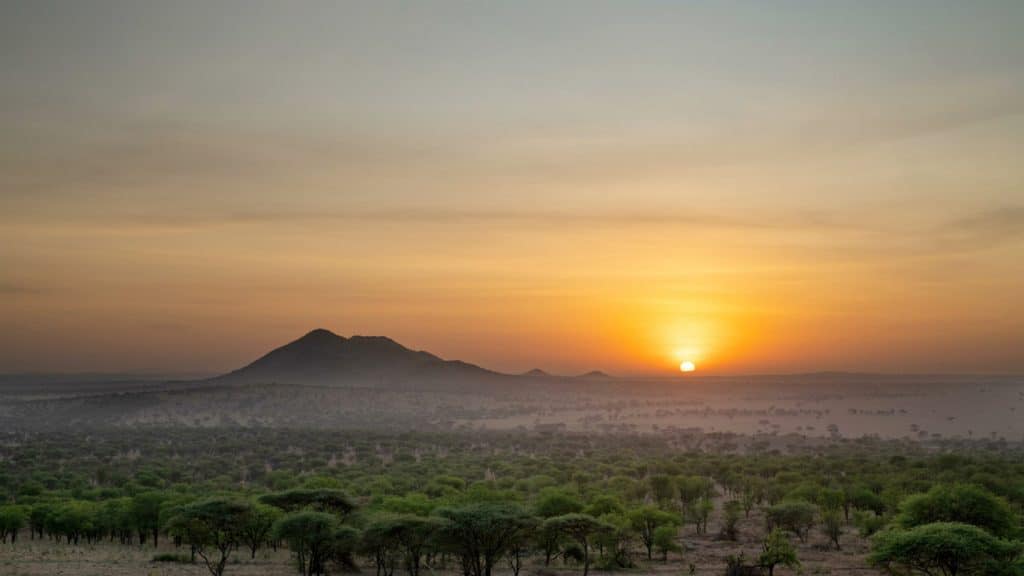
The southern Serengeti, including the northern Ngorongoro Conservation Area, is the quintessential image of East Africa. This is the “Siringit”—the endless plains—where the horizon stretches infinitely under a massive sky. From December to May, this region serves as the heartbeat of the entire ecosystem, acting as the primary residence for the Great Migration. It is a land of profound extremes; while the green season brings a “moveable feast” of millions of animals, the dry season transforms these lush pastures into a parched semi-desert. For any traveler, this is the Serengeti at its most iconic and awe-inspiring.
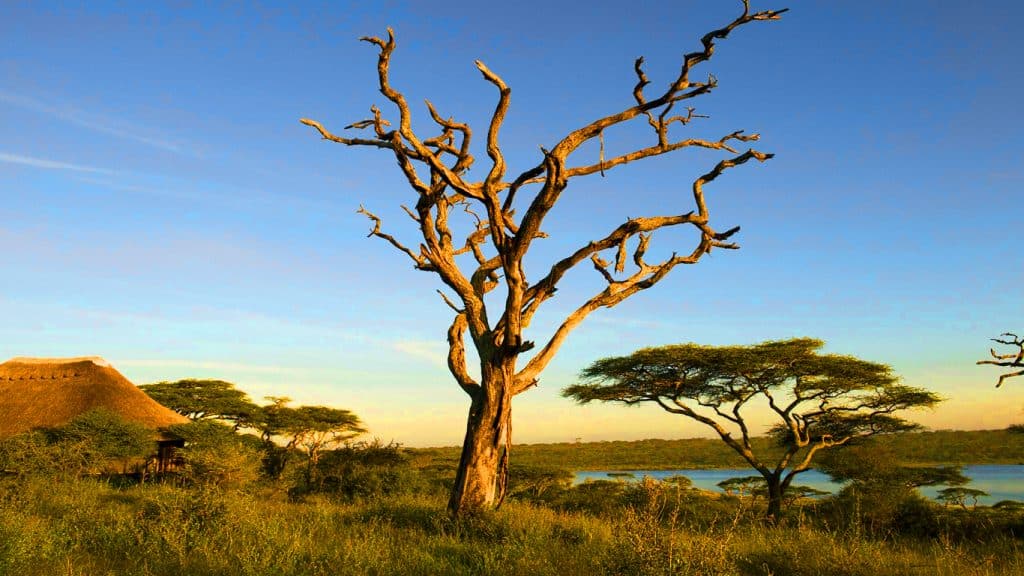
The topography is defined by vast, open short-grass plains that sit atop a deep foundation of volcanic ash from the nearby Highland volcanoes. These soils are exceptionally rich in phosphorus and calcium, producing highly nutritious grasses essential for the bone growth and lactation of the migratory herds. The terrain is mostly flat and unobstructed, providing the longest lines of sight in the park. While the landscape is an emerald sea of grass and wildflowers during the wet season, the lack of permanent water sources means that by June, the area becomes a stark, shimmering landscape occupied only by a few hardy, drought-resistant species.
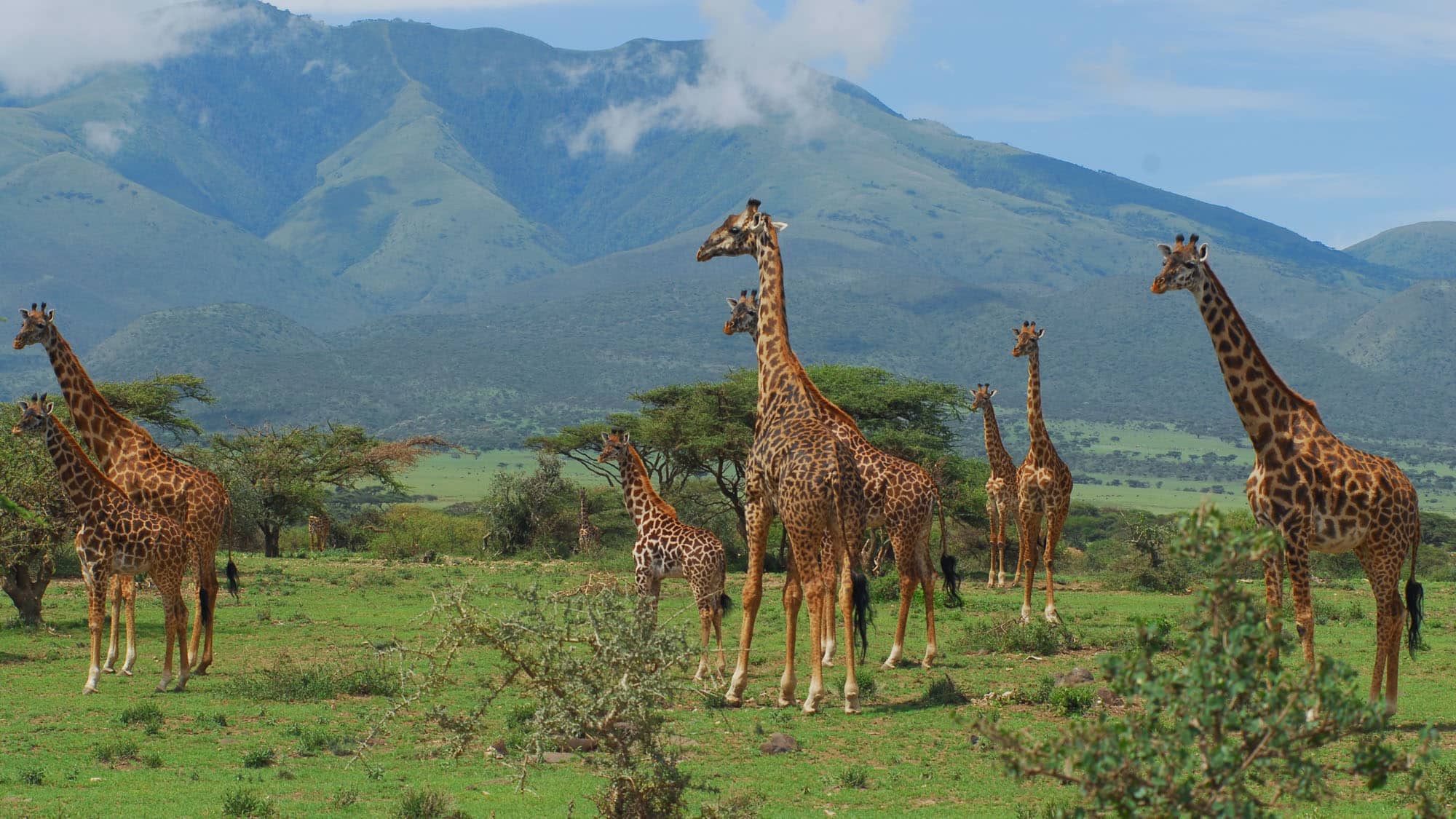
South Serengeti offers arguably the most spectacular wildlife viewing on Earth during the wet season, characterized by staggering numbers and intense predator-prey interactions:
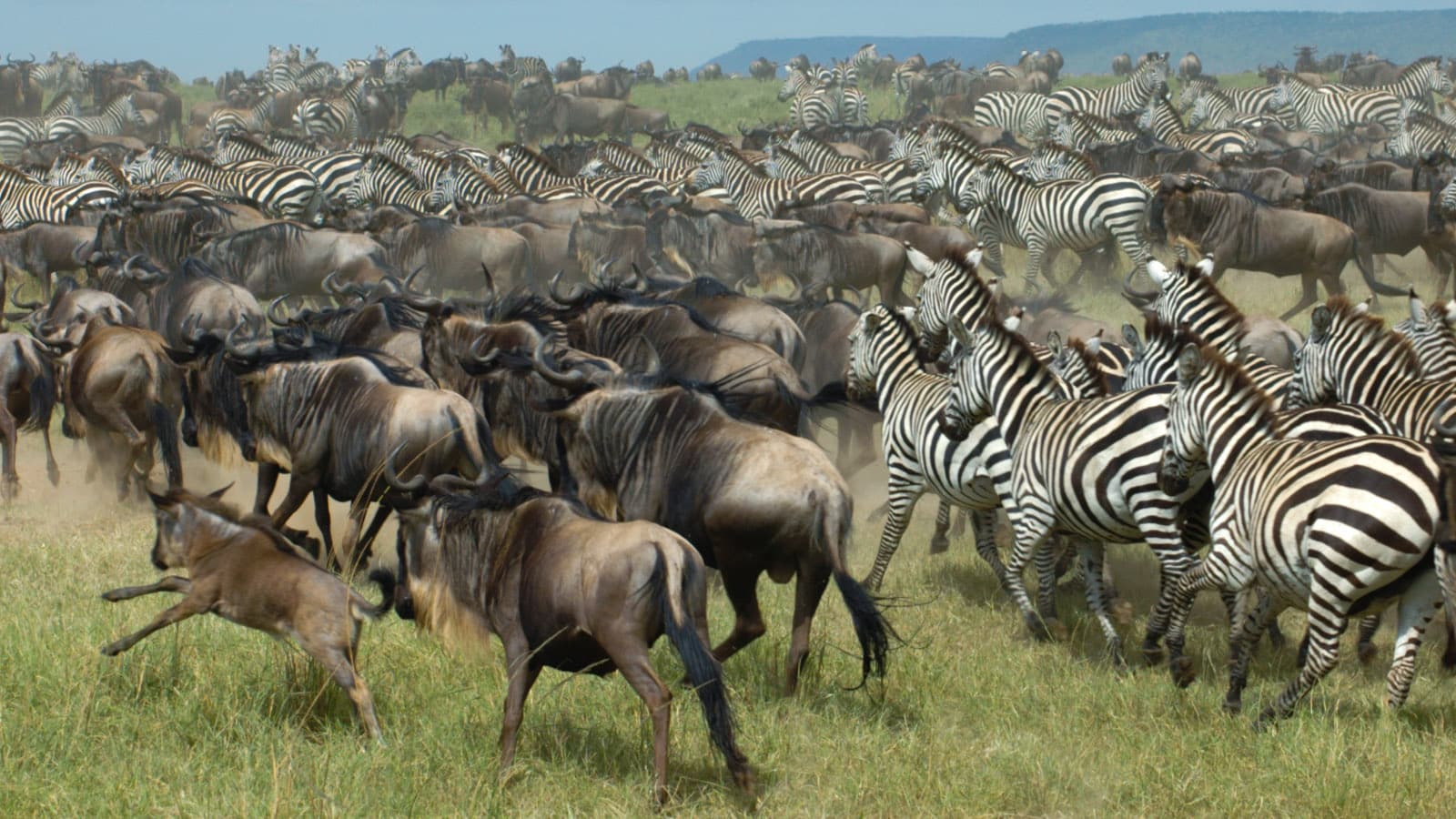
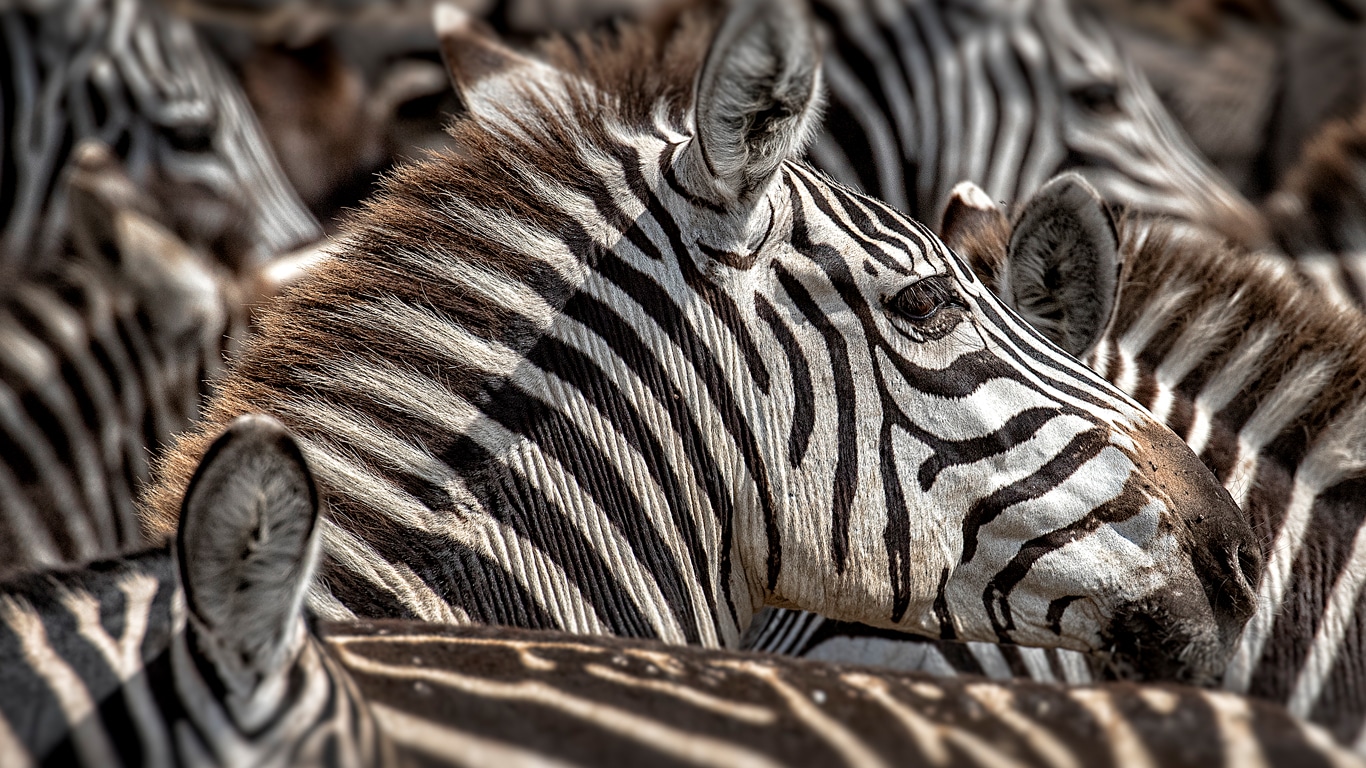
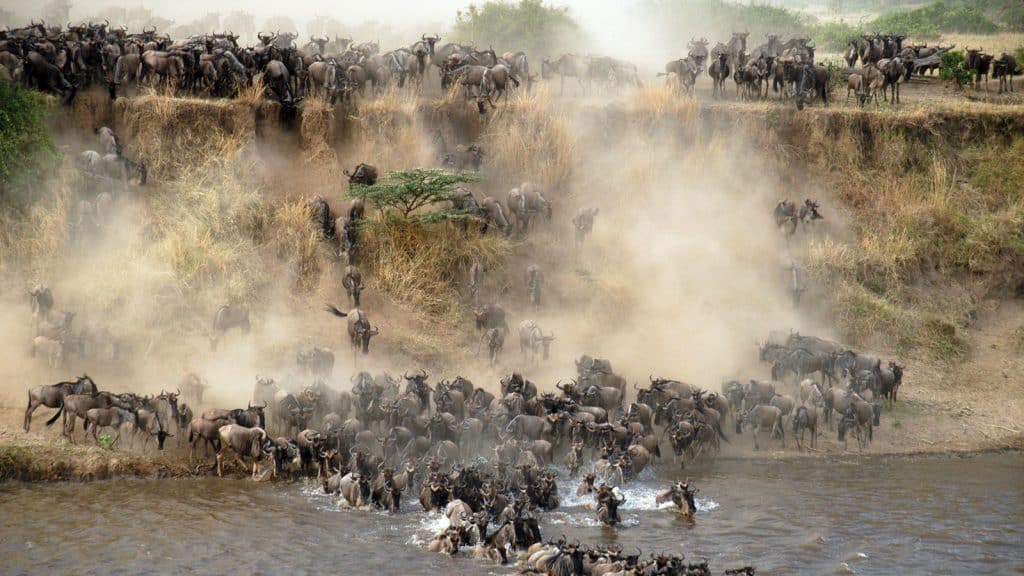
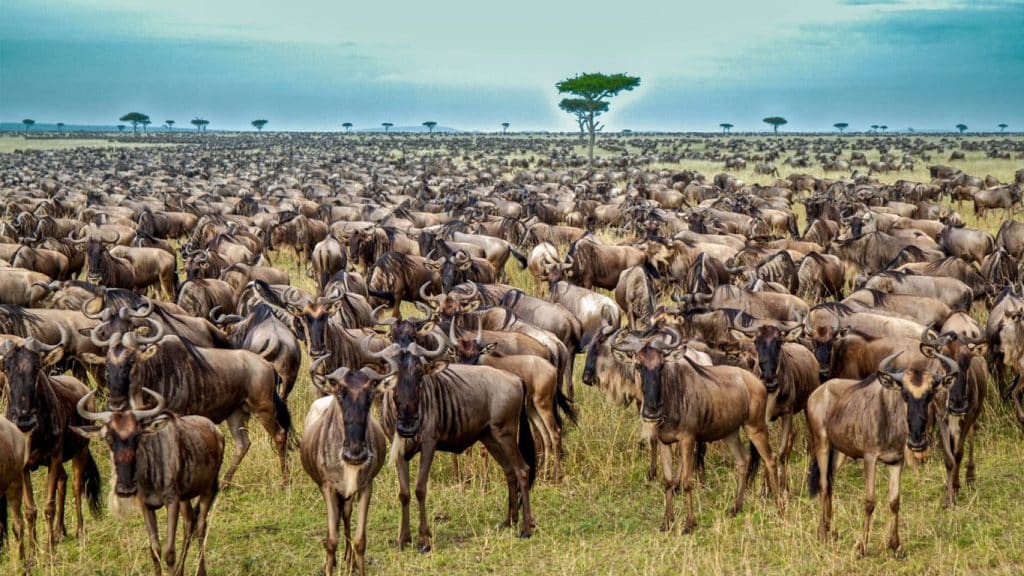
- The Great Migration: Over 1.7 million wildebeest, 250,000 zebra, and hundreds of thousands of Thomson’s gazelles and eland congregate here. The wildebeest act as a “giant lawnmower,” devouring the nutrient-rich grass as they move in a predictable clockwise cycle around the ecosystem.
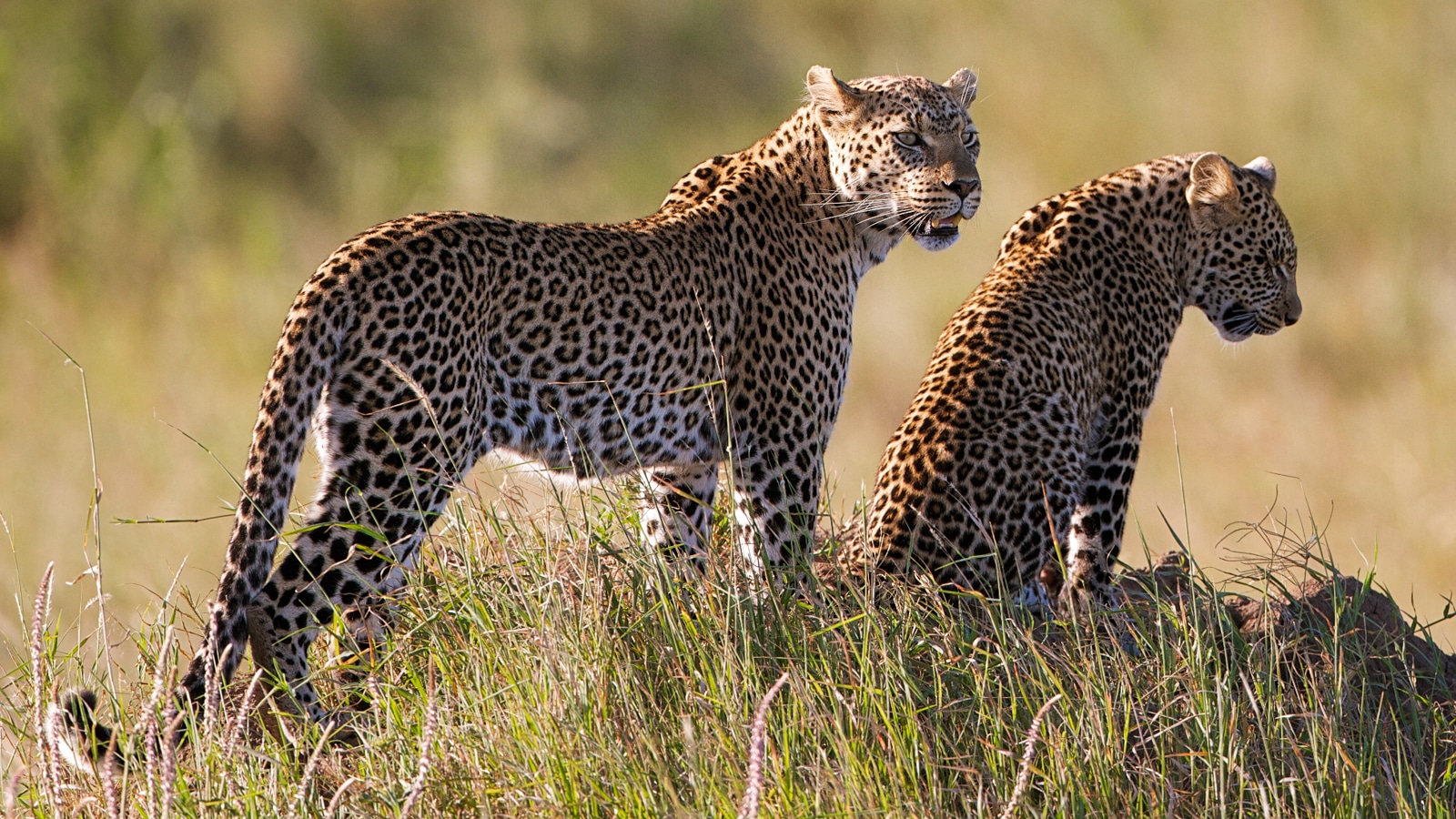
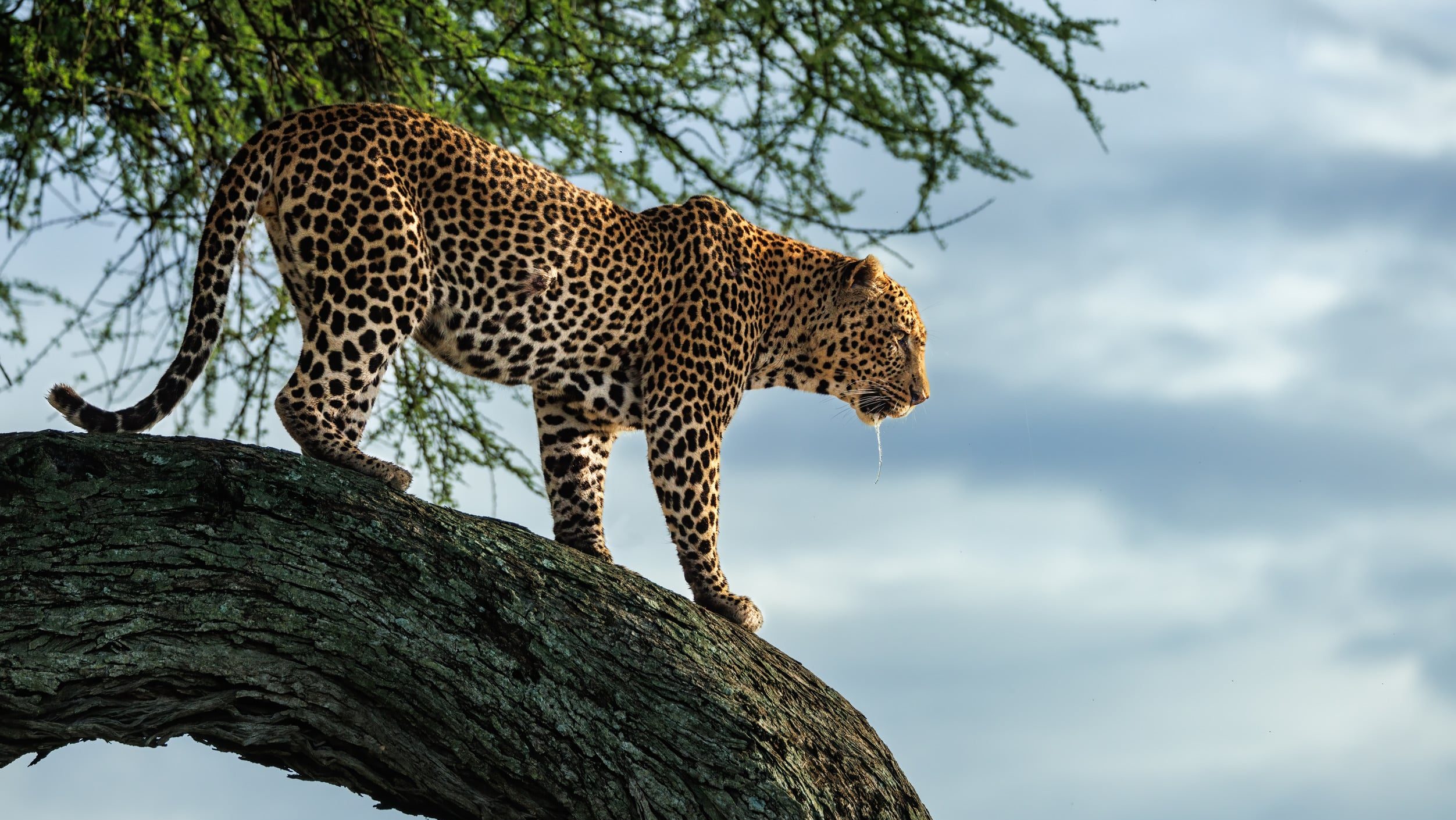
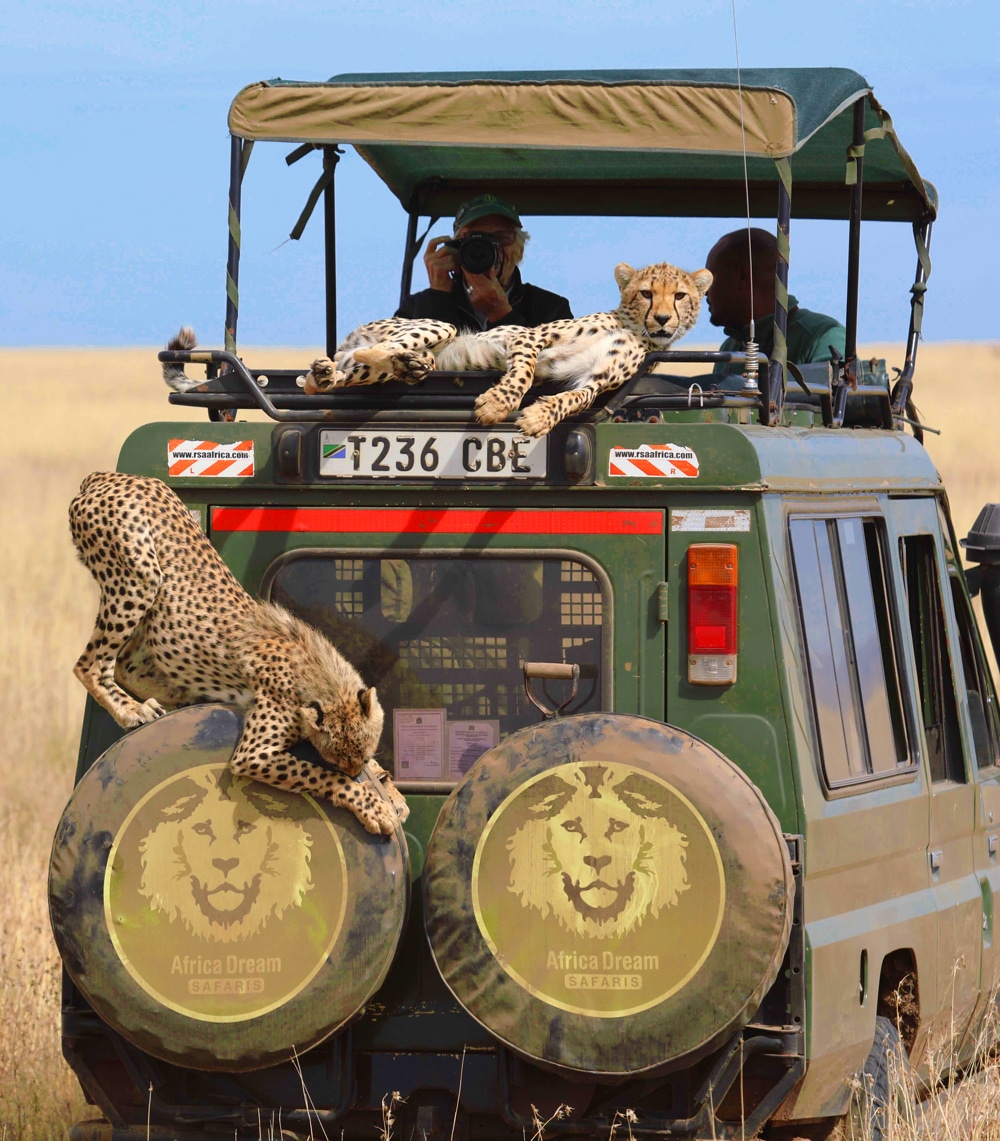
- Specialized Predators: * Cheetahs: Density is at its highest as these nomadic hunters follow the Thomson’s gazelles. Their diurnal (daytime) hunting habits and the open terrain make them exceptionally easy to spot.
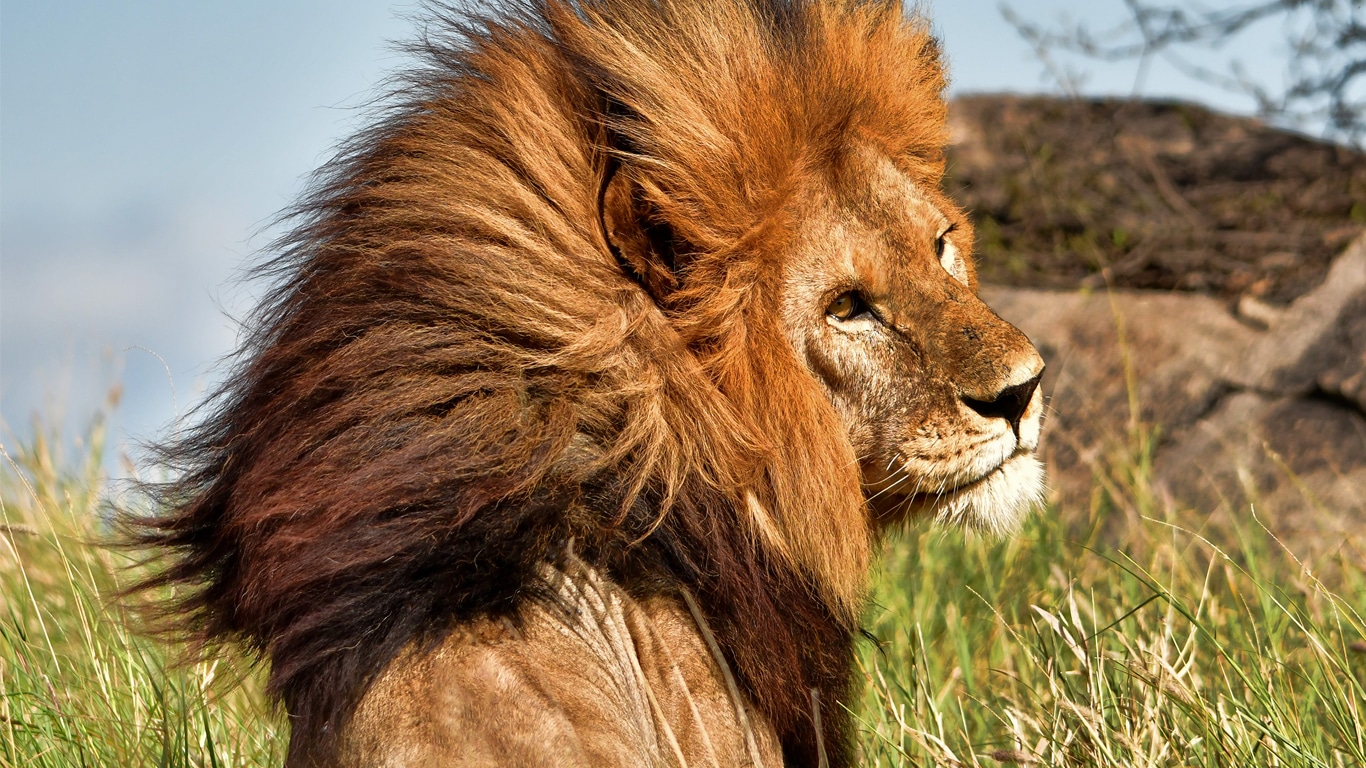
- Lions: The plains support both resident prides and “nomadic” lions that follow the herds. Without the cover of tall grass or trees, the drama of a lion hunt is often visible from start to finish.
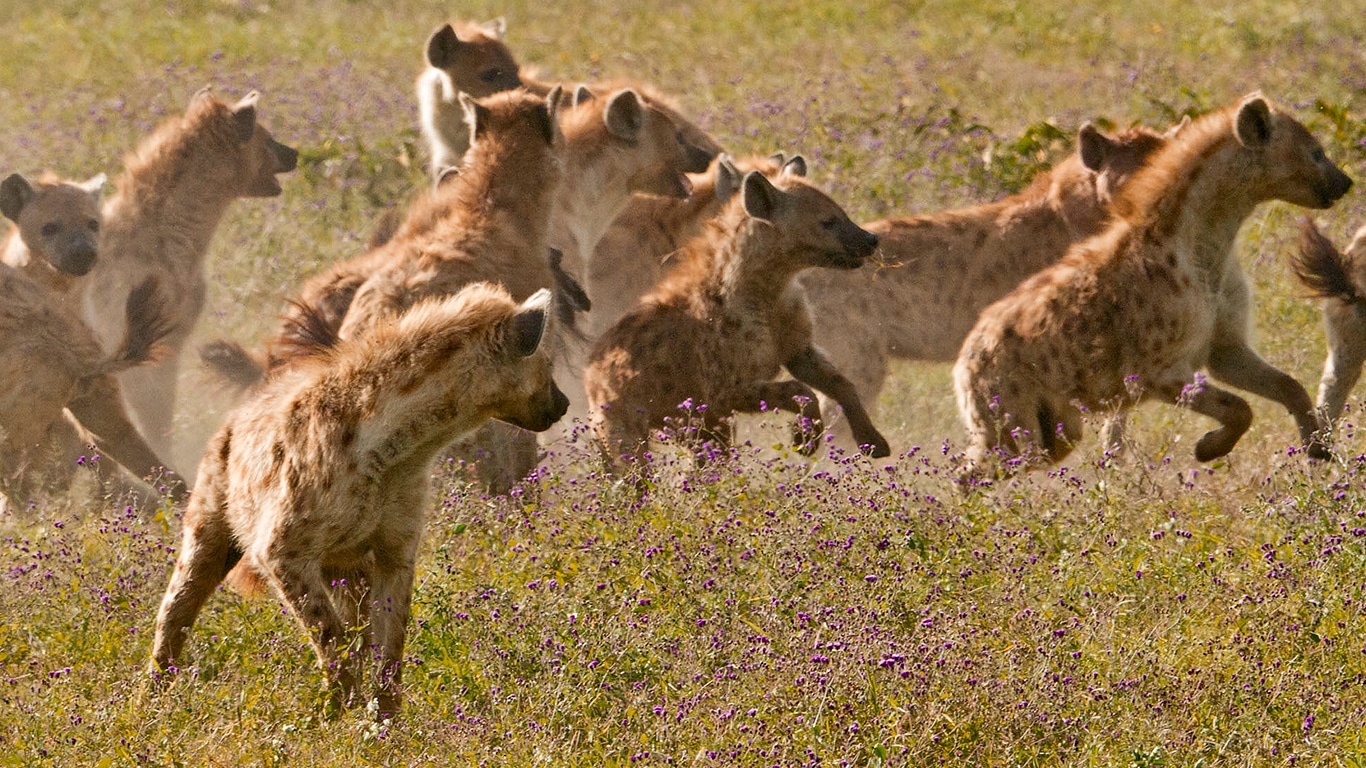
- Hyenas: As the most abundant predator, hyenas utilize a “commuting” system. They travel up to 50 miles from their permanent dens at the woodland border to forage and hunt on the plains, returning every few days to feed their cubs.
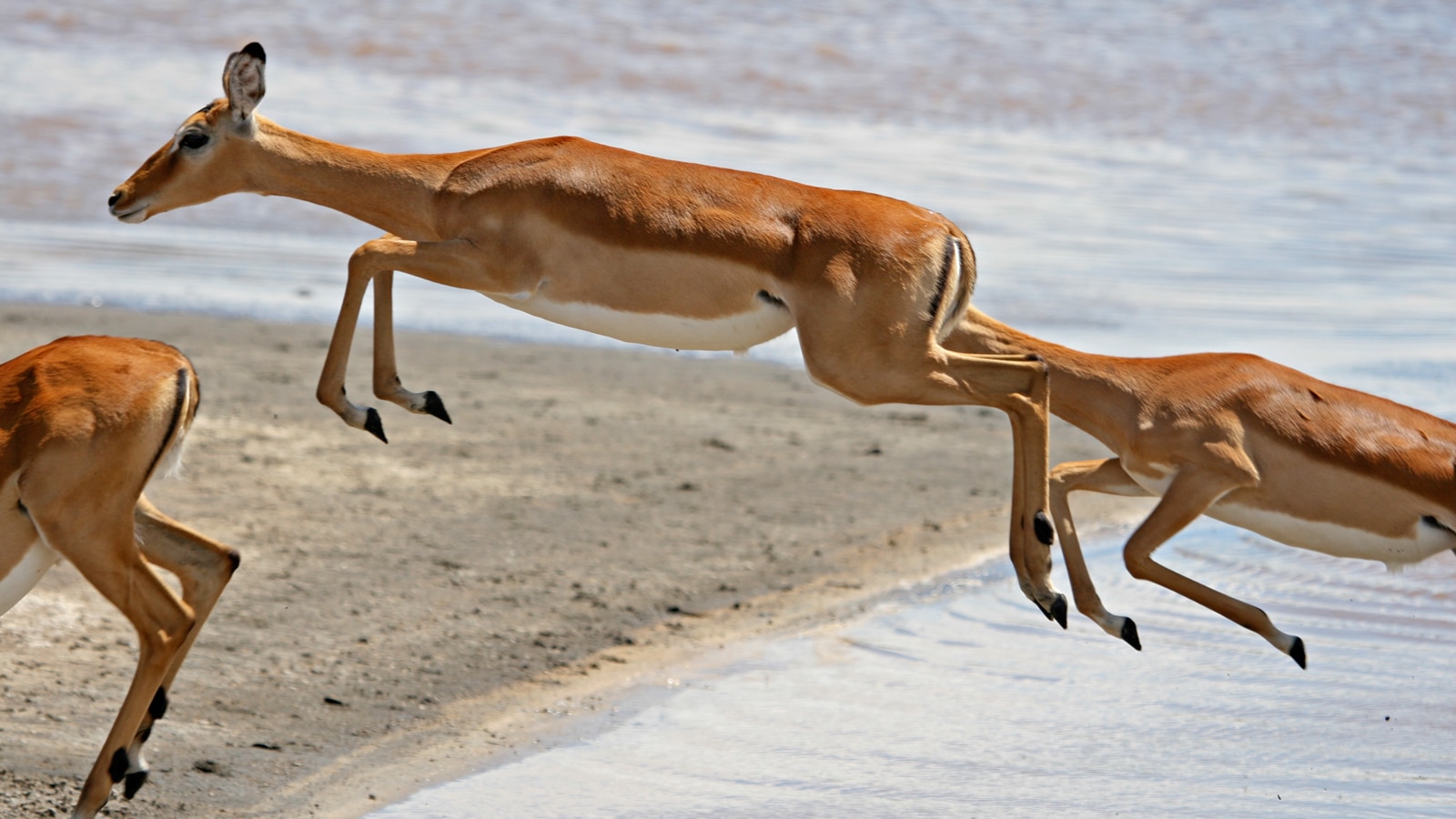
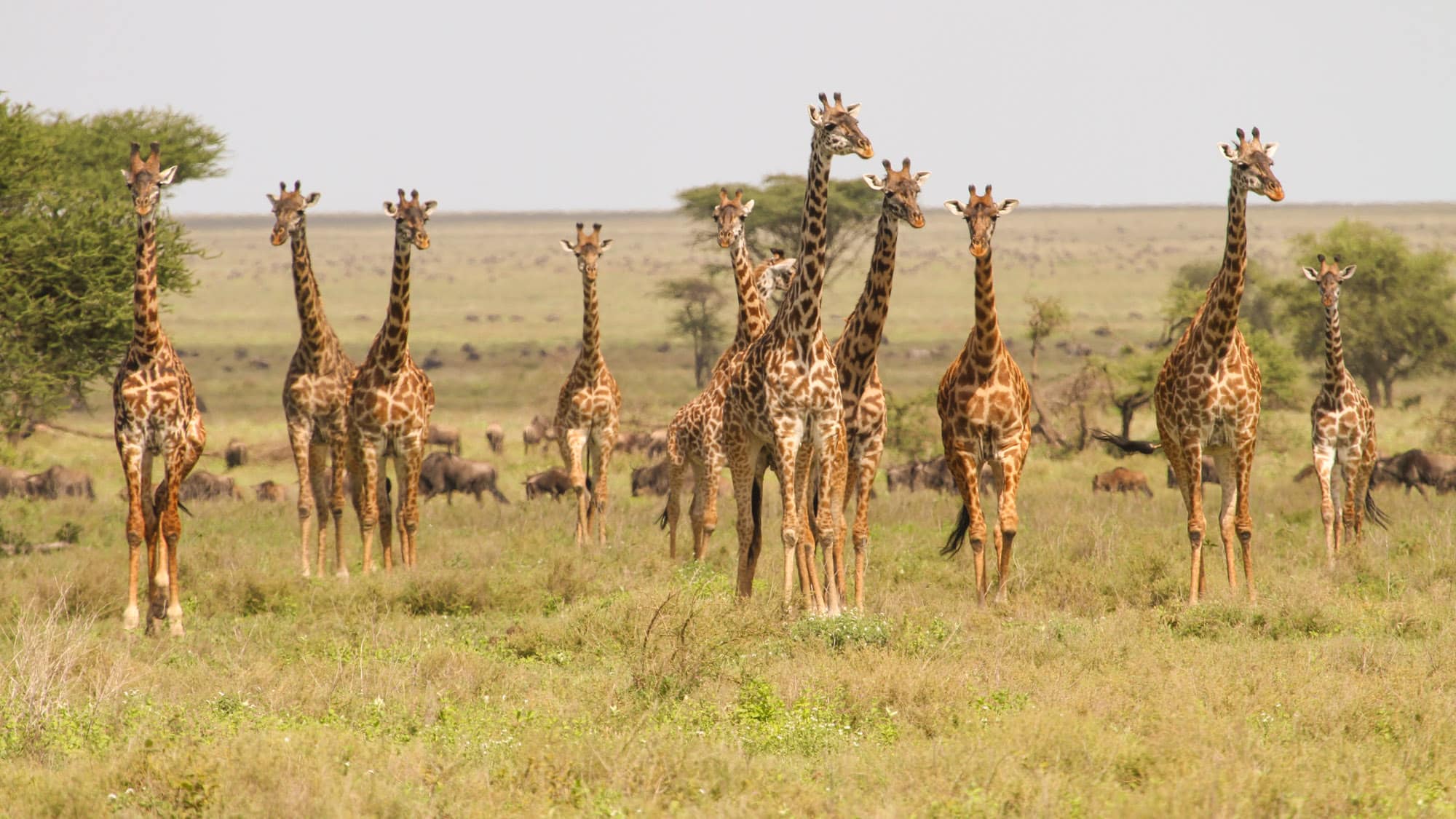
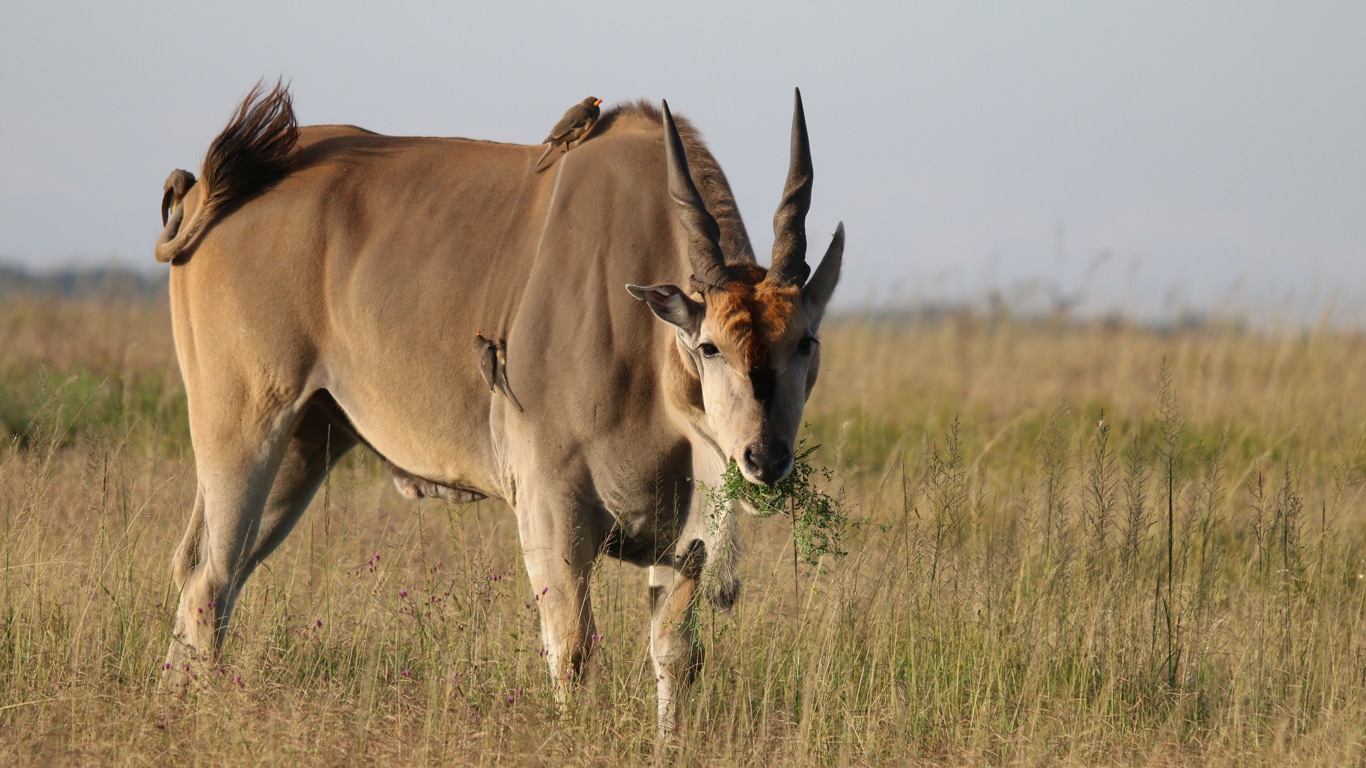
- The Herbivore Spectrum: Guests can observe the “grazing succession” in real-time, from the massive Eland (weighing up to 2,000 pounds) to the fleet-footed Thomson’s Gazelle, the fastest animal on the plains.
- The Calving Season: The highlight of the year is the mass calving in February. To combat predators, the wildebeest drop 90% of their calves within a two-week window—a strategy known as “predator swamping” that ensures the survival of the species through sheer numbers.
Seasonal Highlights
| Month | Season | Weather | Wildlife Sightings | Rec. |
|---|---|---|---|---|
| Jan | Green Season | 60 - 85 F Mostly sunny with few showers |
Wildebeest Migration and Zebra Migration, Lion, Cheetah, Elephant | Yes |
| Feb | Green Season | 60 - 85 F Mostly sunny with few showers |
Wildebeest Migration and Zebra Migration, Lion, Cheetah, Elephant, Wildebeest Calving | Yes |
| Mar | Green Season | 60 - 83 F Mostly sunny with few showers |
Wildebeest Migration and Zebra Migration, Lion, Cheetah, Elephant | Yes |
| Apr | Green Season | 60 - 83 F Mostly sunny with few showers |
Wildebeest Migration and Zebra Migration, Lion, Cheetah, Elephant | Yes |
| May | Northward Migration | 56 - 81 F Mostly sunny |
Wildebeest Migration and Zebra Migration, Lion, Cheetah, Elephant | Yes |
| Jun | Beginning of Dry Season | 56 - 81 F Mostly sunny |
Wildebeest Migration and Zebra Migration, Lion, Cheetah, Elephant (early June only) | Yes |
| Jul | Dry Season | 60 - 83 F Mostly sunny |
- - - - - | No |
| Aug | Dry Season | 55 - 81 F Mostly sunny |
- - - - - | No |
| Sep | Dry Season | 55 - 81 F Mostly sunny |
- - - - - | No |
| Oct | Dry Season | 60 - 83 F Mostly sunny |
- - - - - | No |
| Nov | Southward Migration | 60 - 83 F Mostly sunny with few showers |
Giraffe, gazelle, Walking Safaris and Cultural Interactions | Yes |
| Dec | Beginning of Green Season | 60 - 83 F Mostly sunny with few showers |
Wildebeest Migration and Zebra Migration, Lion, Cheetah, Elephant | Yes |
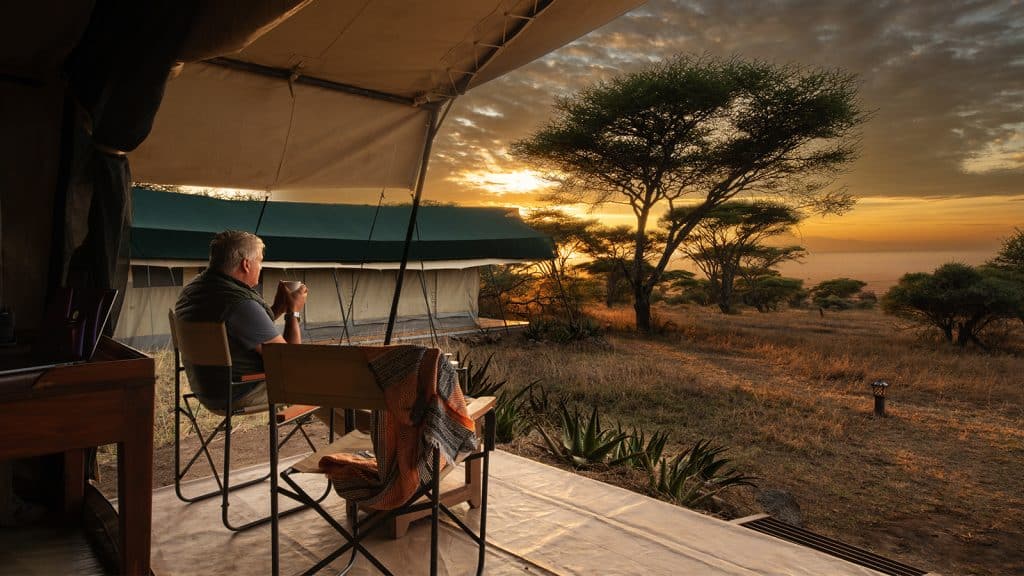
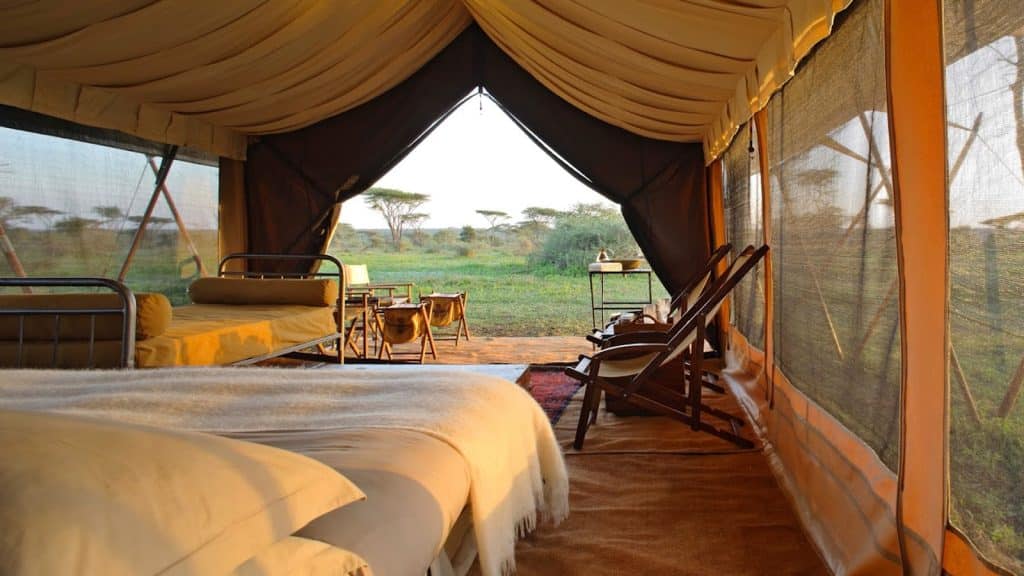
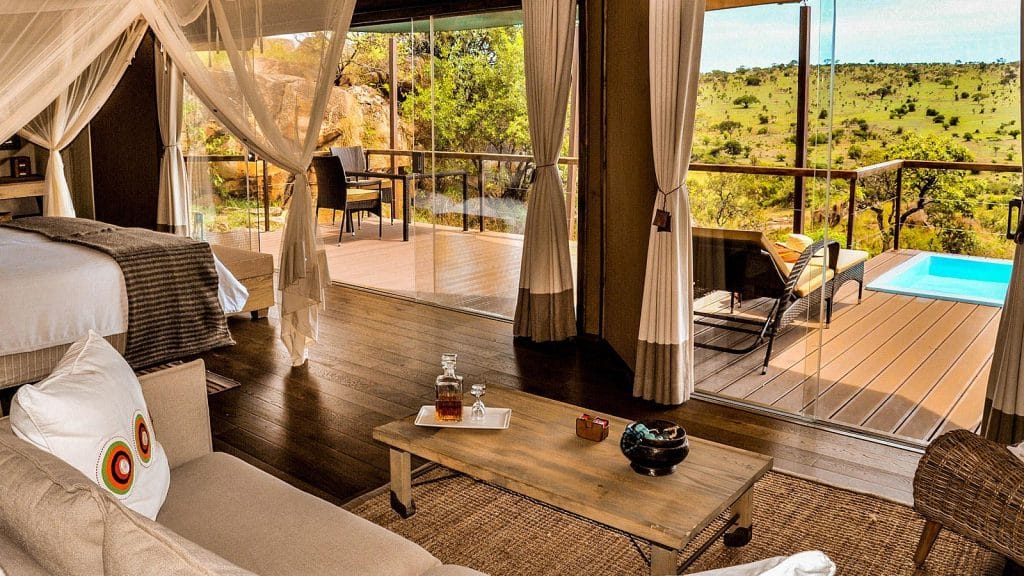
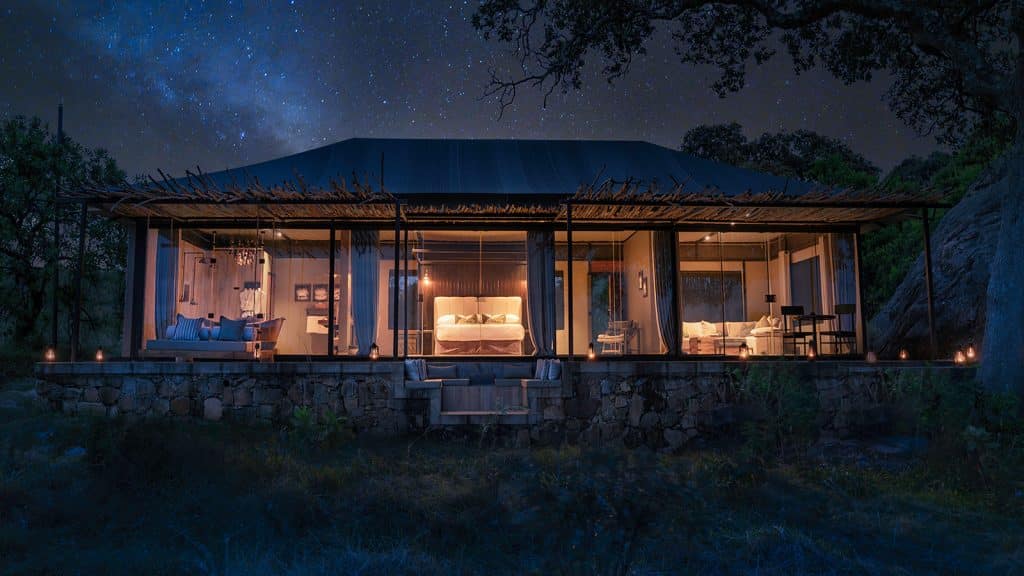
Nearby Lodges
Nearby Attractions

What are you waiting for?
Create Your Own Itinerary
Receive instant day-by-day trip details designed just for you including rates, seasonal highlights, guest testimonials, photos & more!
Get In Touch
Our Safari Specialists Are Ready to Help Kickstart Your Adventure
Toll-Free
US Office
31244 Palos Verdes Dr. West, Suite 239 Rancho Palos Verdes, CA 90275
Hours: Daily 8AM - 8PM PST
Drop Us A Line
Leave your contact info below