The Triangle
The Triangle is an 80-sq-mile stretch of seasonal plains that becomes a lush feeding ground for the Great Migration from Dec to Apr. This predator-rich area is famous for high-speed hunts, serval cats, and vast herds under infinite green horizons.
Details
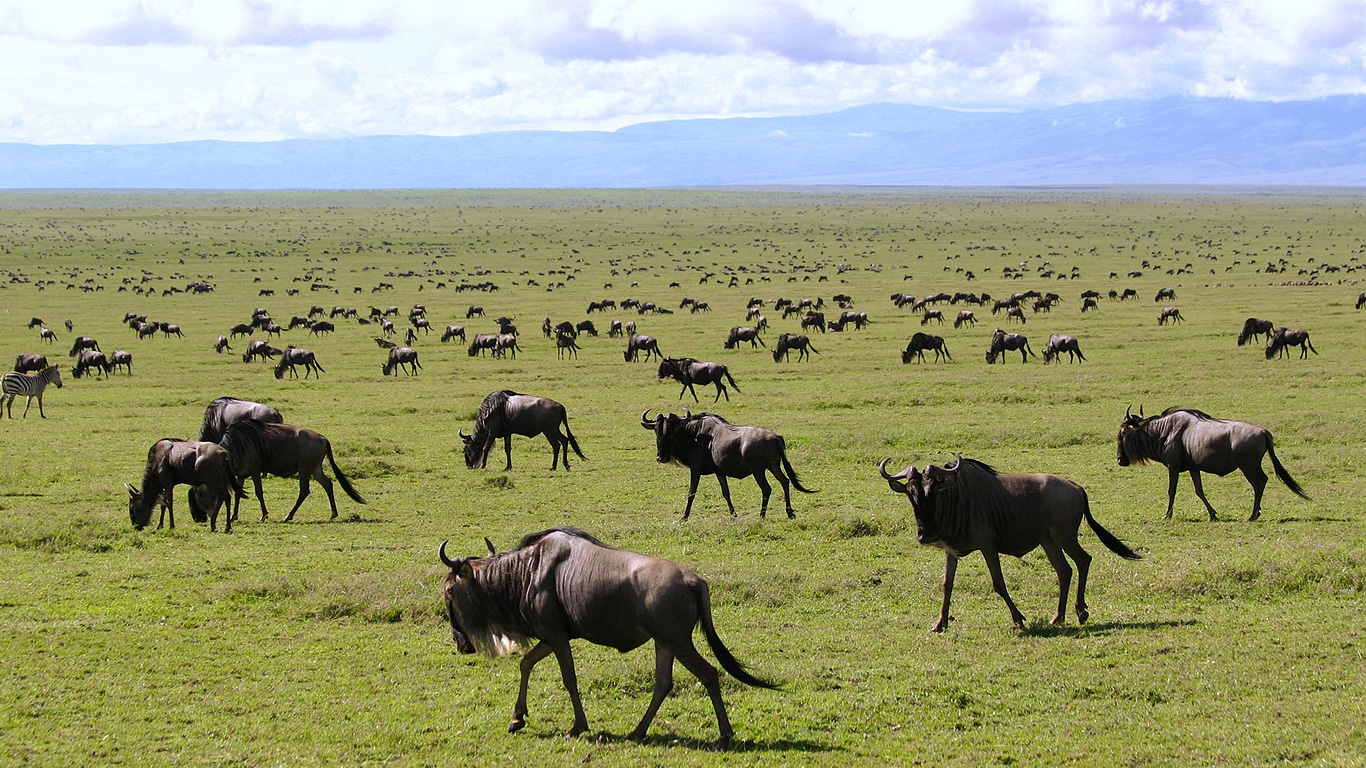
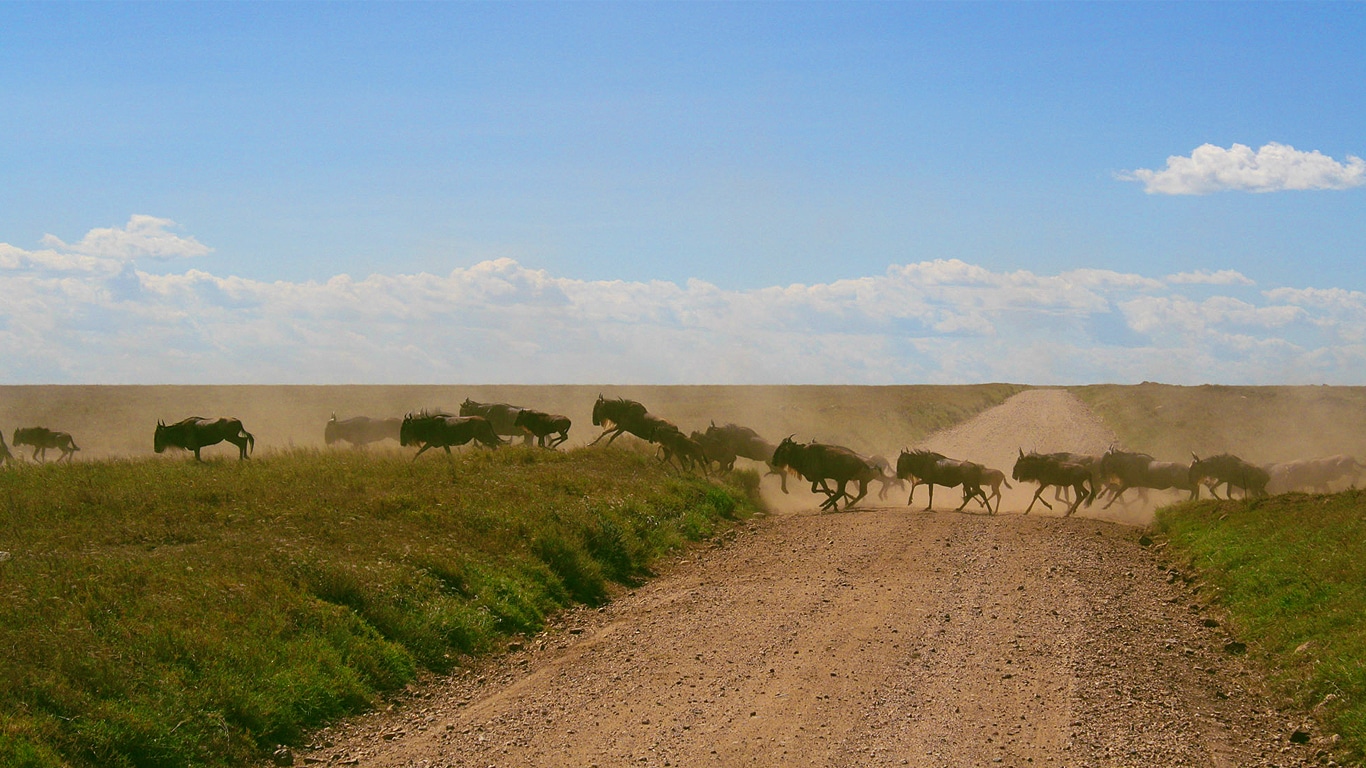
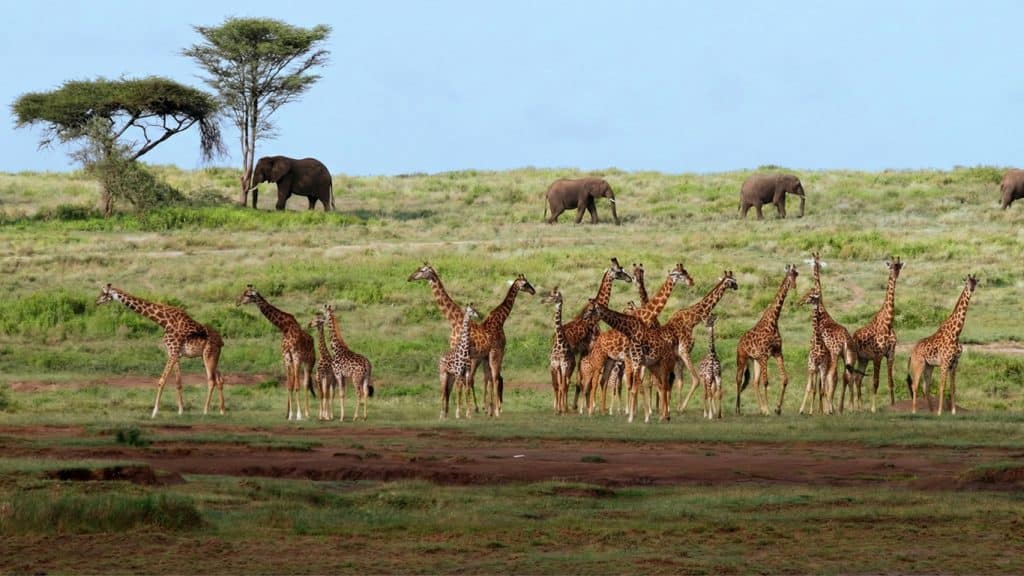
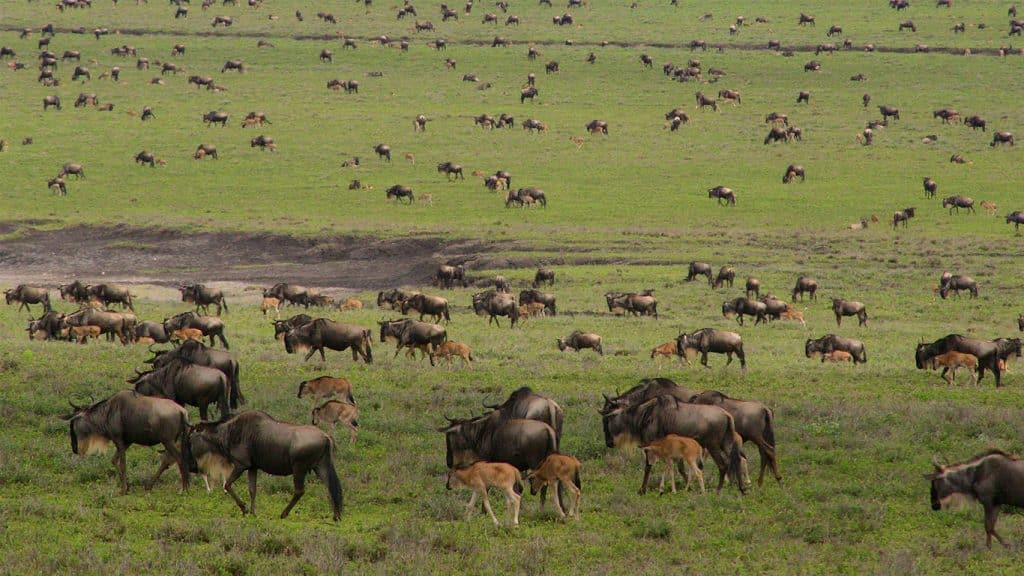
The Triangle is a stunning expanse of 80 square miles that serves as a primary engine for the Serengeti ecosystem during the green season. Best visited from December through April, this triangular-shaped region acts as a high-density feeding ground for a staggering number of migratory herbivores. Because the area lacks permanent water sources, its activity is strictly tied to the seasonal rains; when the moisture arrives, the plains transform into a vibrant theater of life. It is widely considered one of the premier locations in the park to witness the raw interactions between the Great Migration and the carnivores—both large and small—that shadow their every move.
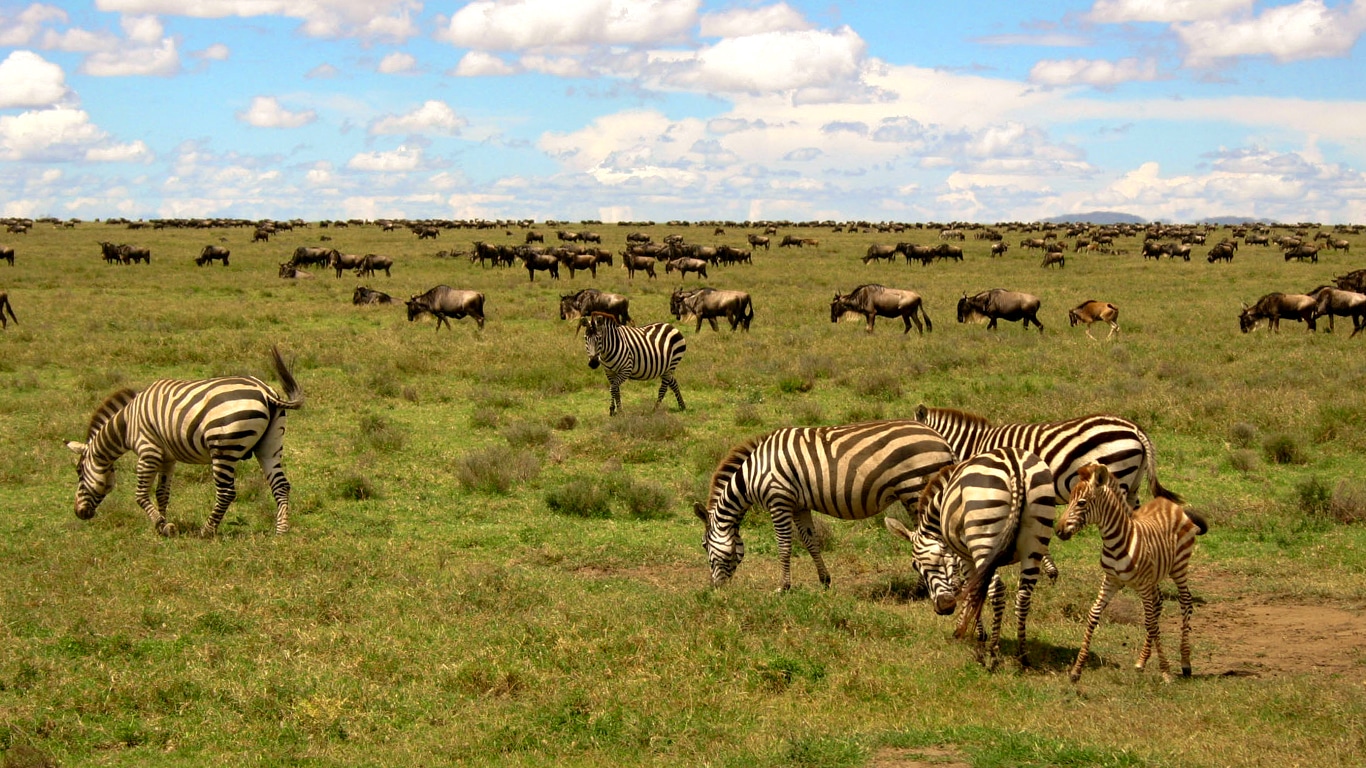
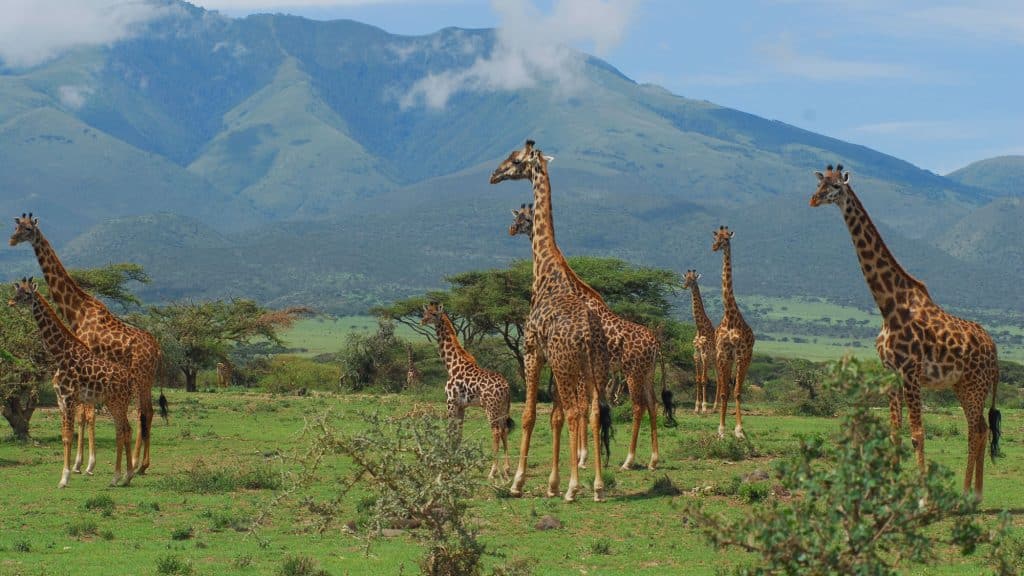
As its name suggests, the region is defined by a distinct triangular layout of short-grass plains. The landscape is mostly flat but is punctuated by small depressions and hollows that collect seasonal rainwater, creating temporary life-giving pools. The grass here is highly nutritious, but ephemeral; at the onset of the dry season, the vegetation withers quickly, forcing the wildlife to migrate elsewhere. This cycle of boom and bust creates a pristine, wide-open environment with long lines of sight, perfect for observing the “infinite” nature of the Serengeti plains.
Wildlife viewing in the Triangle is prolific and varied during the wet months:
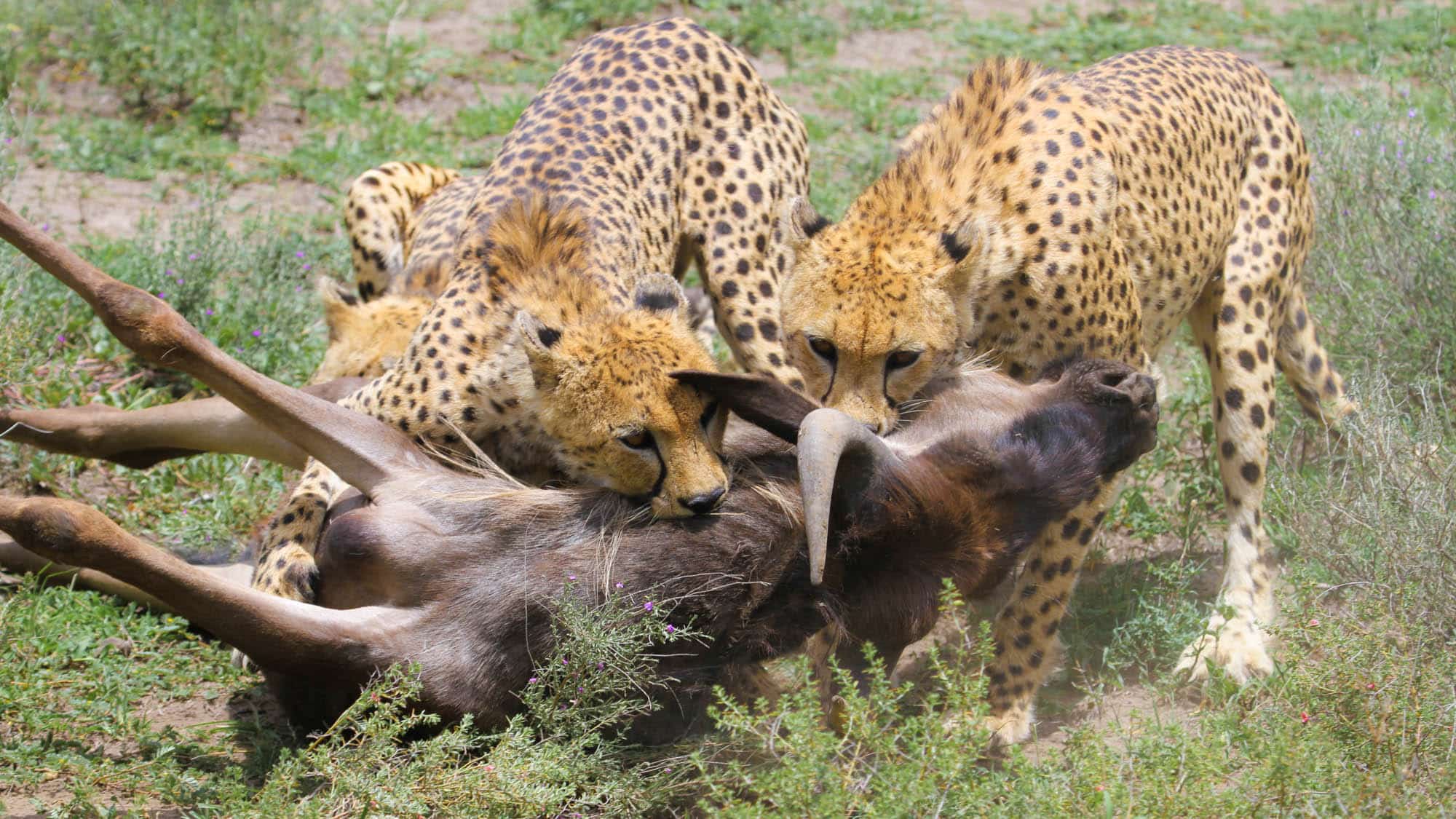
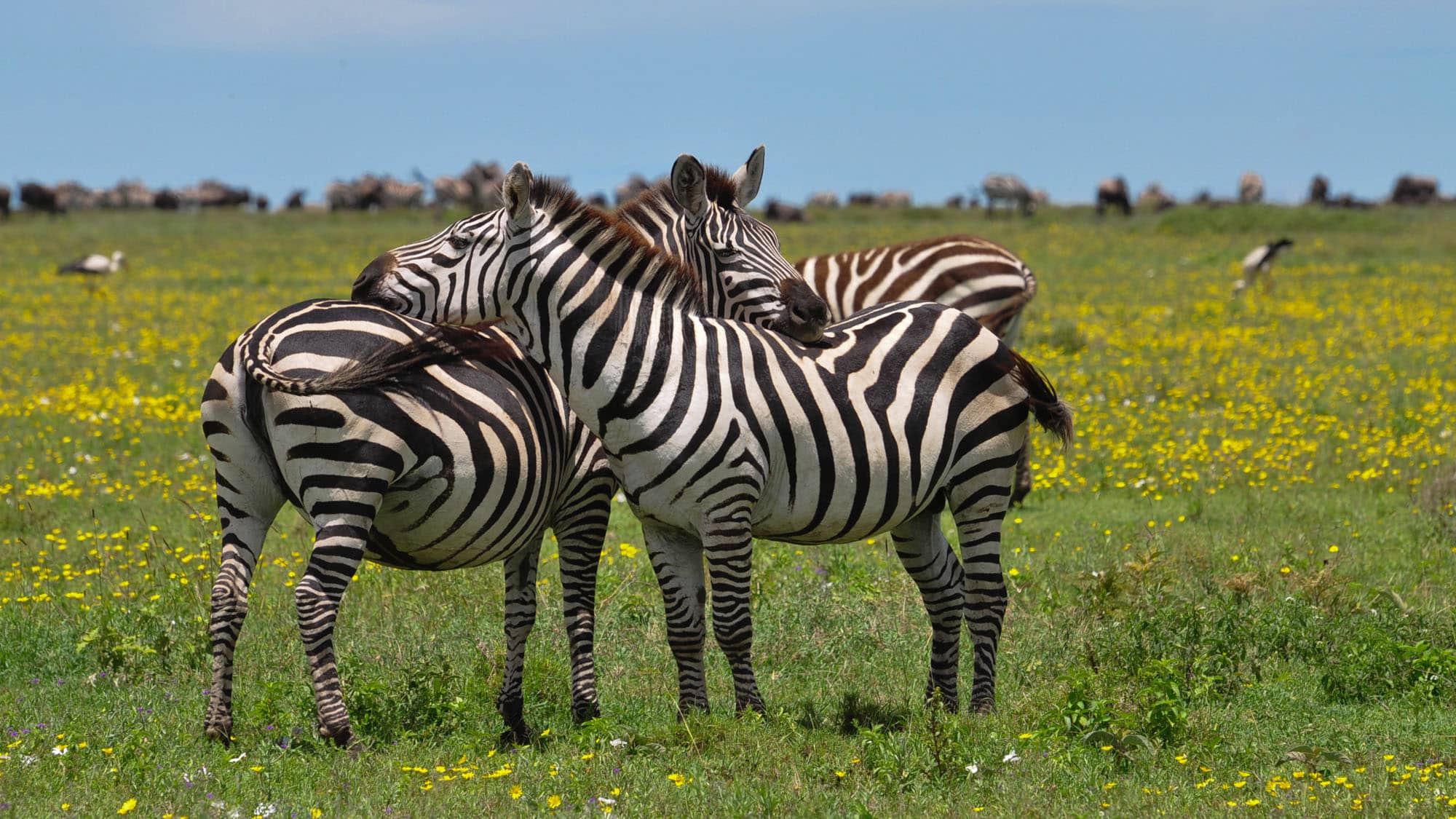
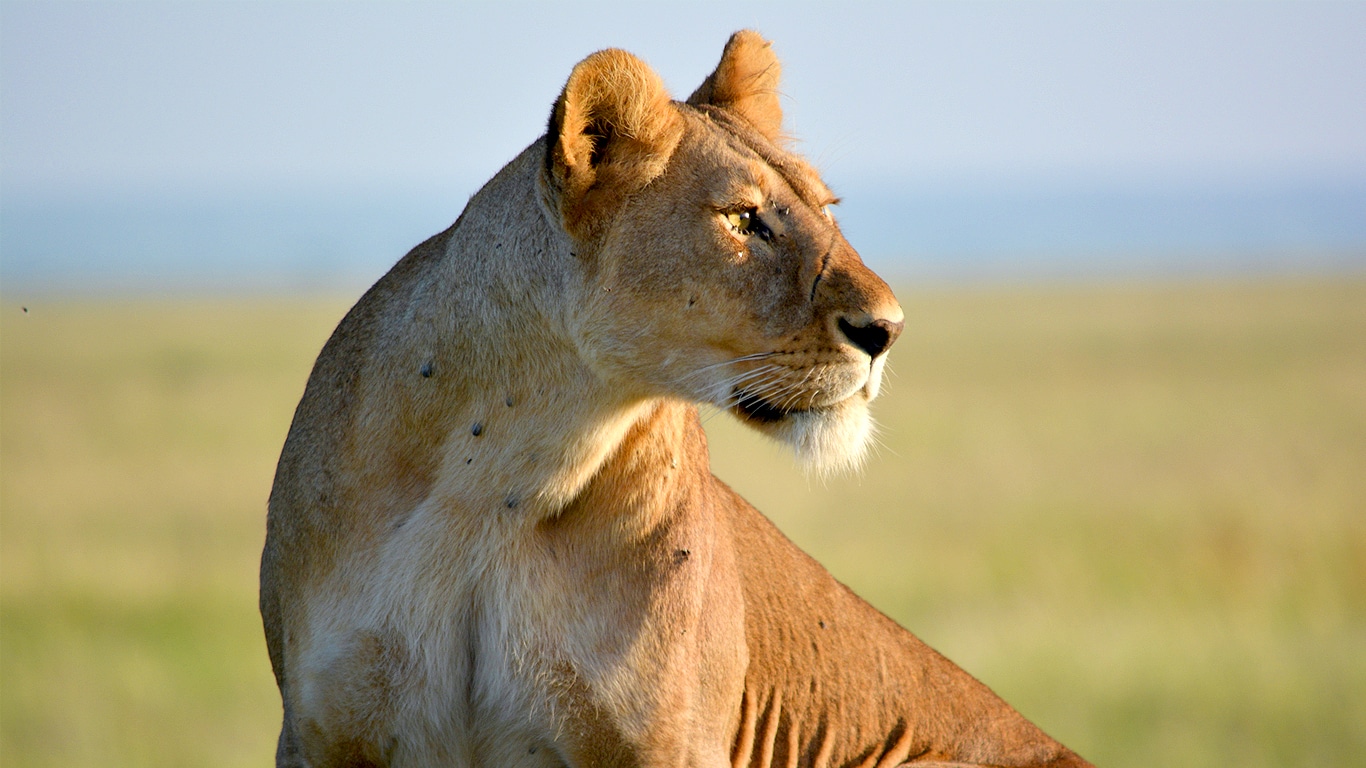
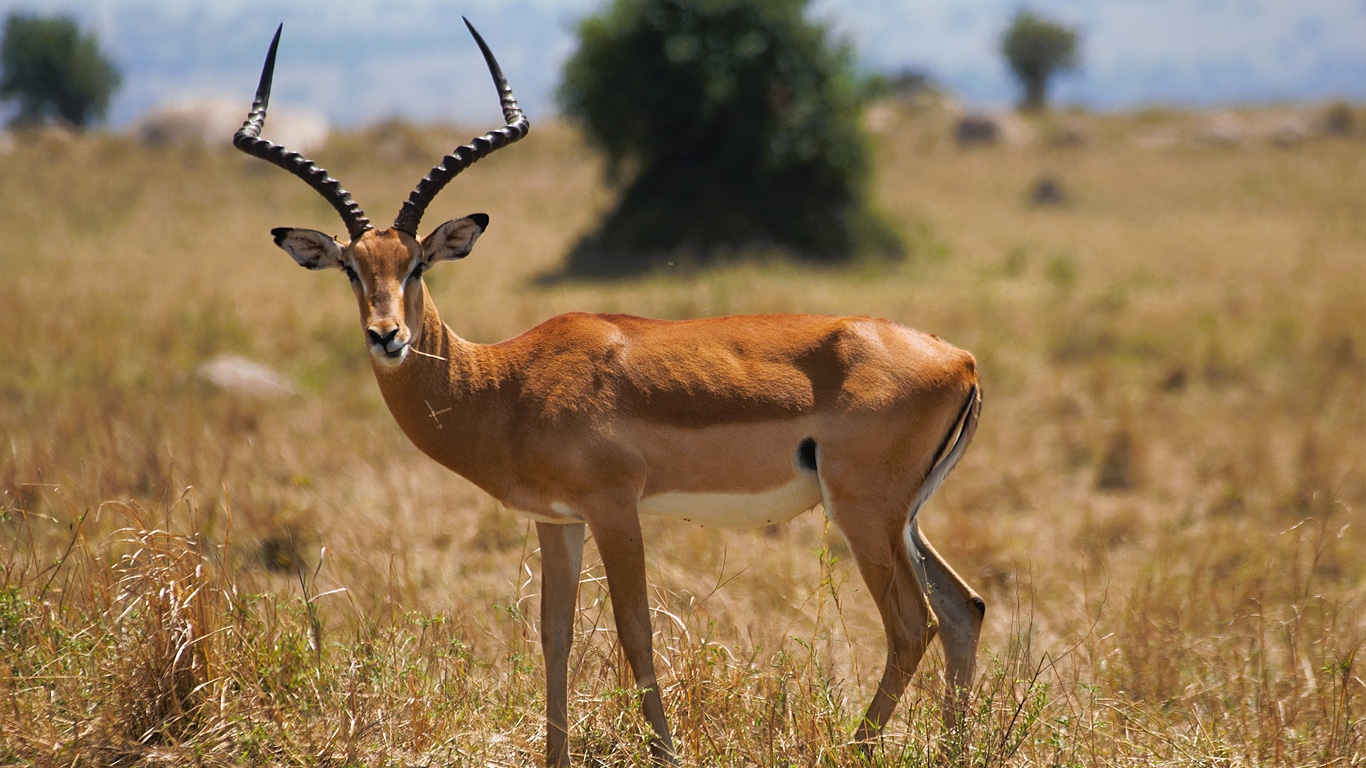
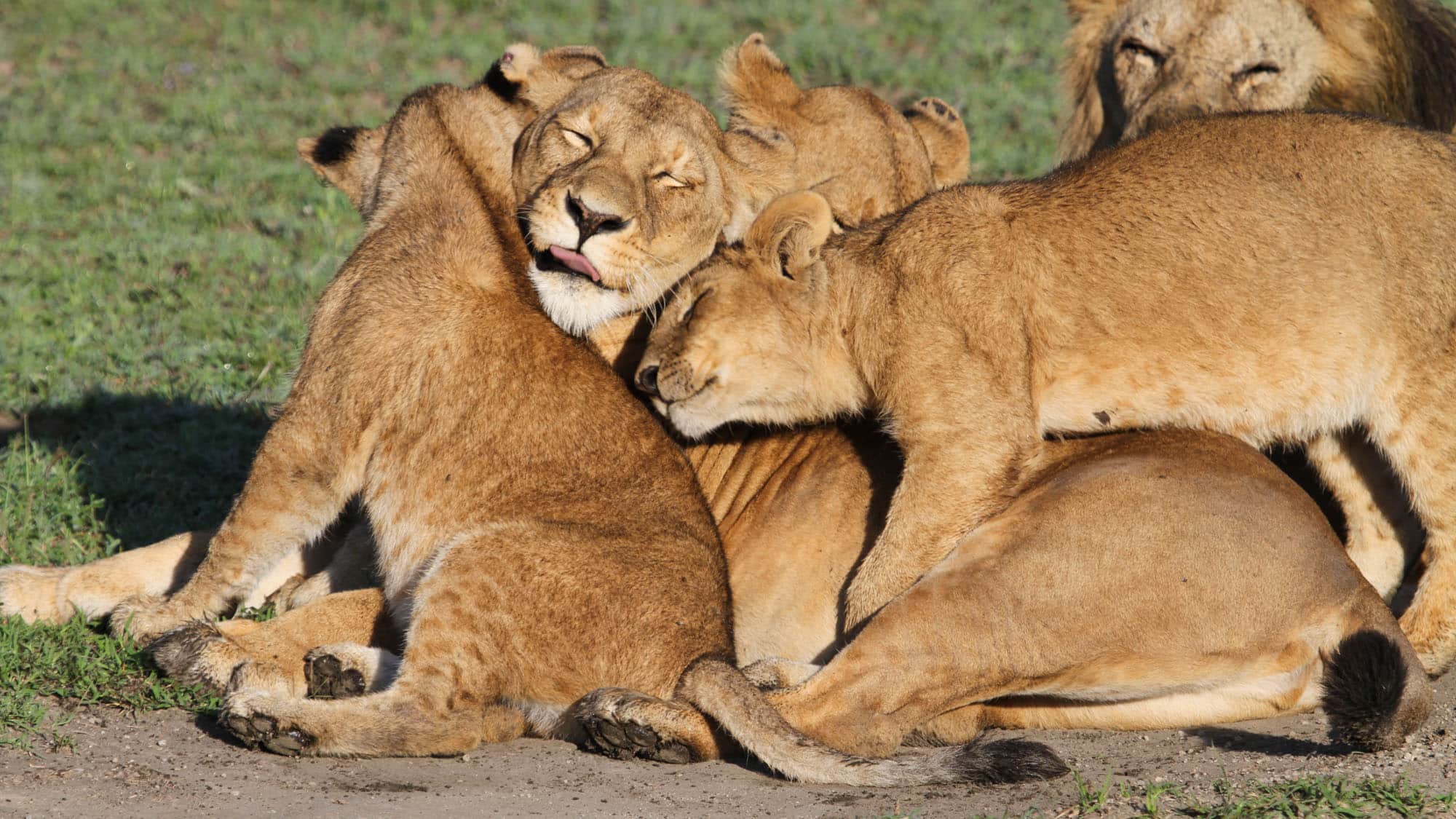
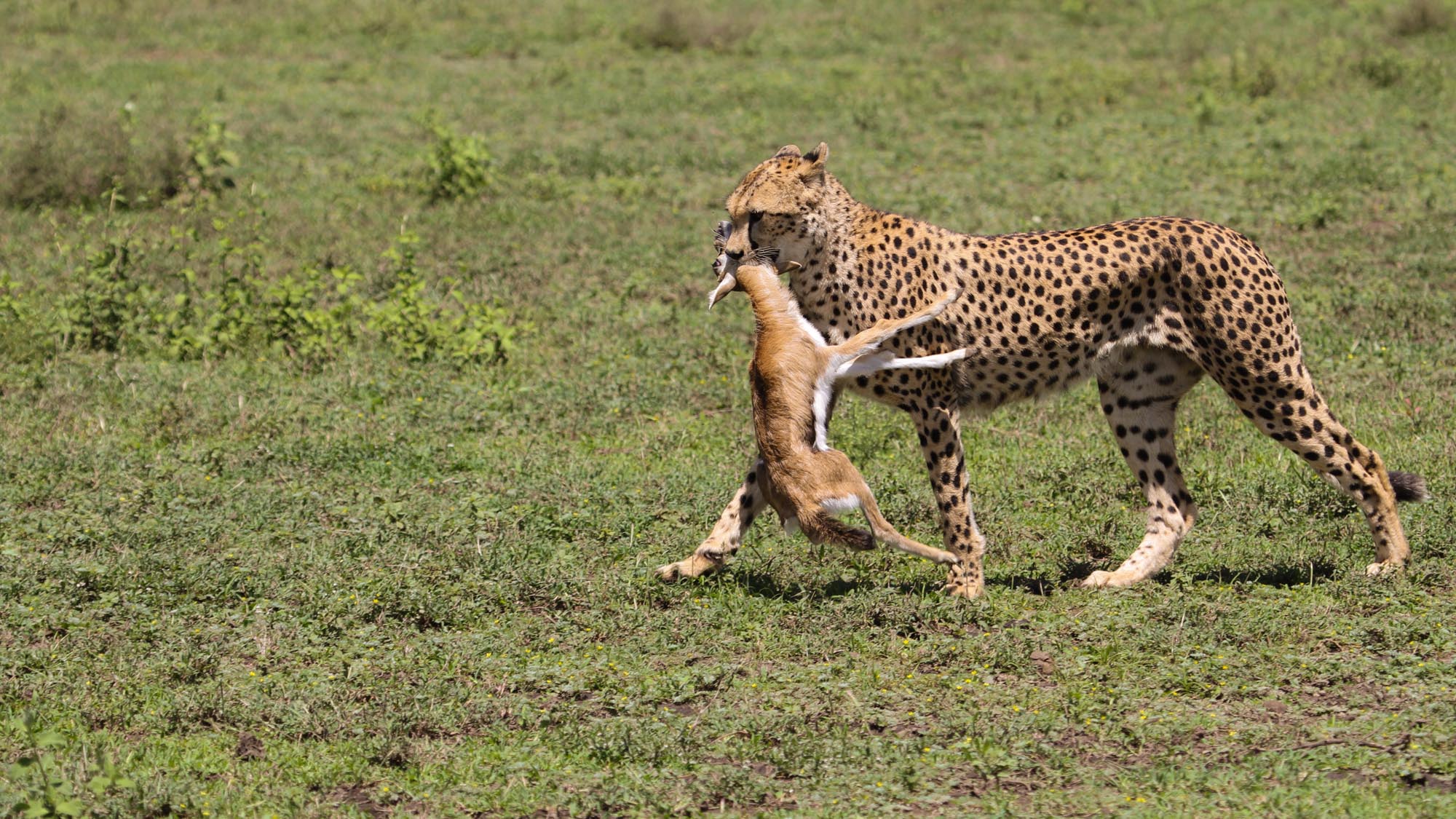
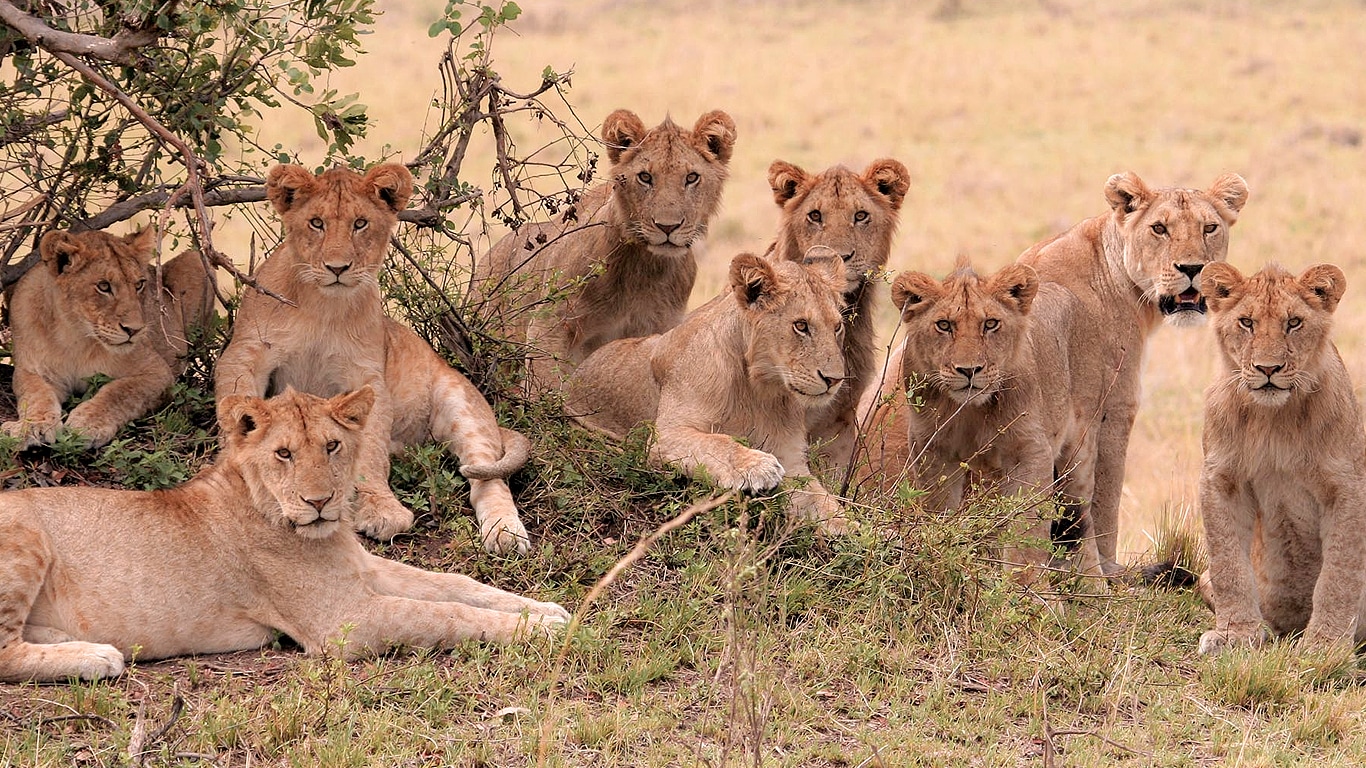
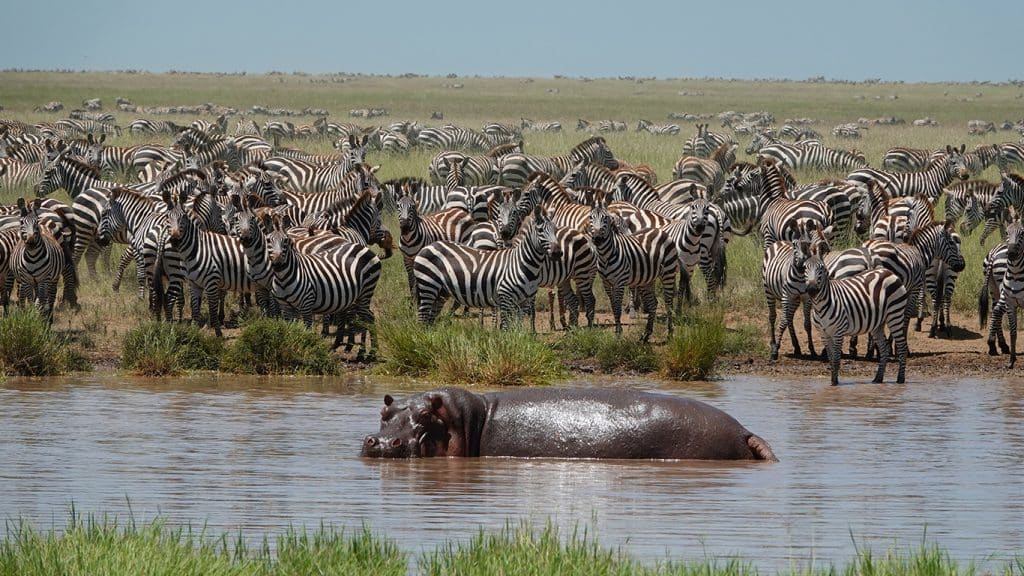
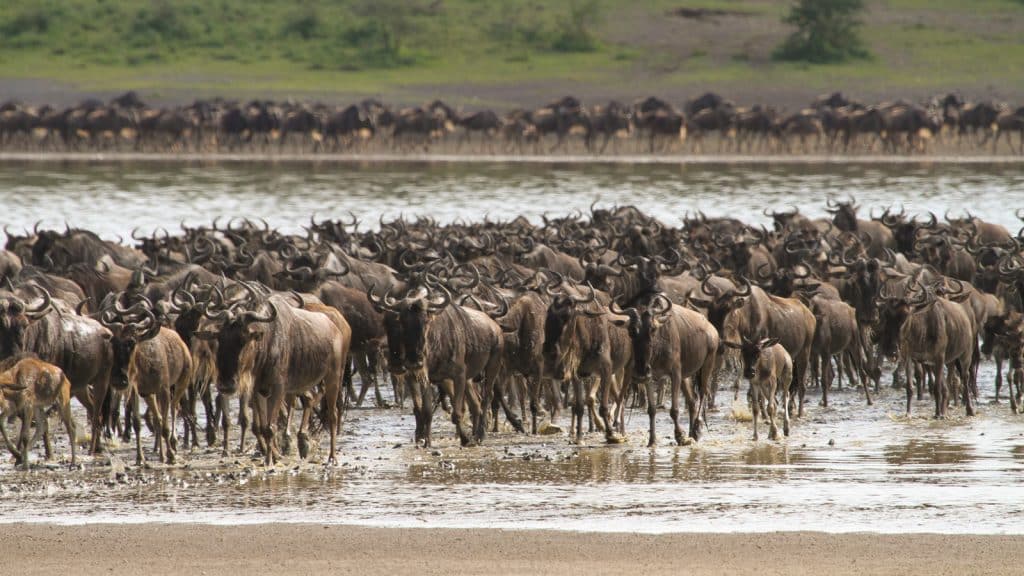
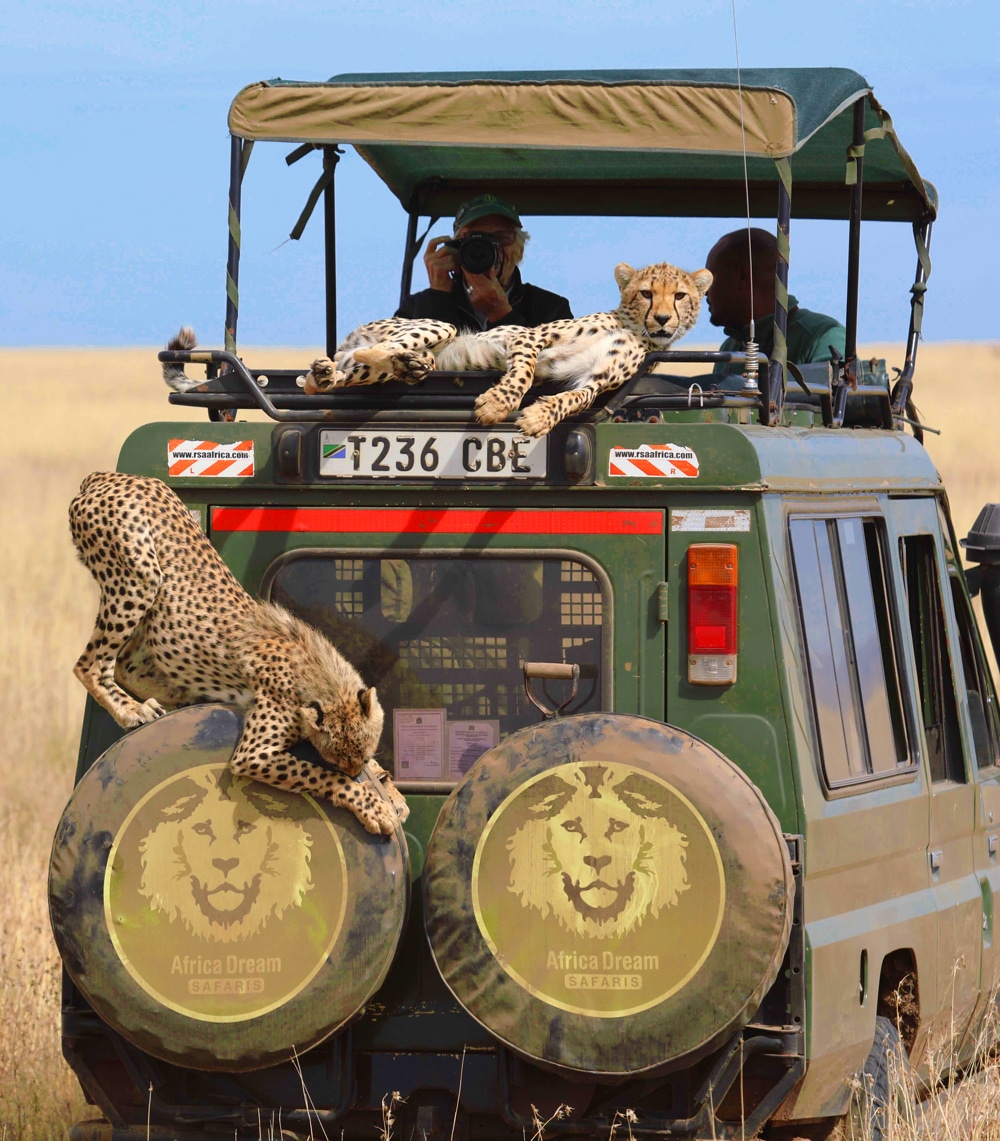
- Predation and the Great Migration: As a main feeding ground, the area is flooded with hundreds of thousands of wildebeest, zebra, and gazelles. This concentration makes it an exceptional place to witness predation, as lions and cheetahs take advantage of the abundance of prey on the open flats.
- The Serval Cat: One of the most interesting residents is the spotted serval. These elusive cats are frequently seen here using their oversized, “dish-antenna” ears to pinpoint rodents, birds, and reptiles in the grass before performing their characteristic vertical pounce.
- Warthog Antics: Warthogs are a common sight, often amusing guests with their habit of running with their thin tails held perfectly erect like radio antennas when disturbed.
- Migrant Birds: During the green season, the Triangle is a hotspot for European migrant storks, which congregate in the hollows and depressions alongside resident hartebeest and gazelles.
- Small Carnivores: Beyond the big cats, the Triangle supports a diverse array of smaller predators, including the golden jackal, which thrives in the wake of the larger migratory herds.
Seasonal Highlights
| Month | Season | Weather | Wildlife Sightings | Rec. |
|---|---|---|---|---|
| Jan | Green Season | 60 - 85 F Mostly sunny with few showers |
Wildebeest Migration and Zebra Migration, Lion, Cheetah, Elephant | Yes |
| Feb | Green Season | 60 - 85 F Mostly sunny with few showers |
Wildebeest Migration and Zebra Migration, Lion, Cheetah, Elephant, Wildebeest Calving | Yes |
| Mar | Green Season | 60 - 83 F Mostly sunny with few showers |
Wildebeest Migration and Zebra Migration, Lion, Cheetah, Elephant | Yes |
| Apr | Green Season | 60 - 83 F Mostly sunny with few showers |
Wildebeest Migration and Zebra Migration, Lion, Cheetah, Elephant | Yes |
| May | Northward Migration | 56 - 81 F Mostly sunny |
Wildebeest Migration and Zebra Migration, Lion, Cheetah, Elephant | Yes |
| Jun | Beginning of Dry Season | 56 - 81 F Mostly sunny |
Wildebeest Migration and Zebra Migration, Lion, Cheetah, Elephant (early June only) | Yes |
| Jul | Dry Season | 60 - 83 F Mostly sunny |
- - - - - | No |
| Aug | Dry Season | 55 - 81 F Mostly sunny |
- - - - - | No |
| Sep | Dry Season | 55 - 81 F Mostly sunny |
- - - - - | No |
| Oct | Dry Season | 60 - 83 F Mostly sunny |
- - - - - | No |
| Nov | Southward Migration | 60 - 83 F Mostly sunny with few showers |
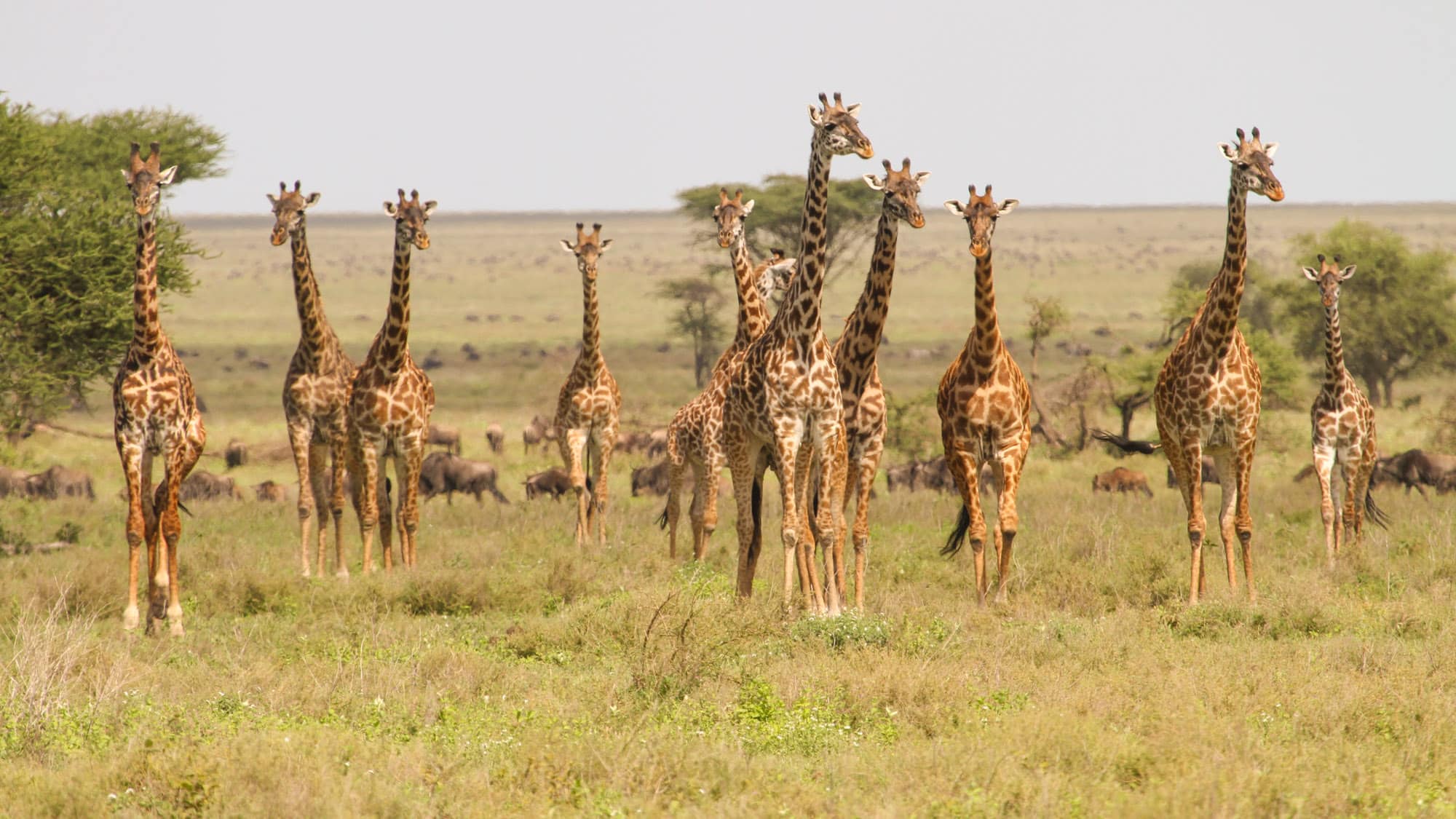
Giraffe, gazelle, Walking Safaris and Cultural Interactions | Yes |
| Dec | Beginning of Green Season | 60 - 83 F Mostly sunny with few showers |
Wildebeest Migration and Zebra Migration, Lion, Cheetah, Elephant | Yes |
Nearby Lodges
Nearby Attractions


What are you waiting for?
Create Your Own Itinerary
Receive instant day-by-day trip details designed just for you including rates, seasonal highlights, guest testimonials, photos & more!
Get In Touch
Our Safari Specialists Are Ready to Help Kickstart Your Adventure
Toll-Free
US Office
31244 Palos Verdes Dr. West, Suite 239 Rancho Palos Verdes, CA 90275
Hours: Daily 8AM - 8PM PST
Drop Us A Line
Leave your contact info below