
Turners Spring
Named after the Serengeti’s legendary first chief warden, Turner’s Spring is a secluded dry-season sanctuary. This 5-mile-long woodland track offers some of the park’s most intimate encounters with habituated giraffes and "park-place" lion prides.
Details
Turner’s Spring is a hidden gem located in the heart of the Central Serengeti, tucked within a dense thicket of acacia and scrub. This remote area is named in honor of Myles Turner, the park’s chief game warden from 1956 to 1972, whose tireless anti-poaching efforts during the Serengeti’s “darkest days” ensured the survival of the great herds we see today. The springs themselves are a critical magnet for wildlife during the dry season (July to November). Because of its isolation and thick cover, Turner’s Spring offers an exclusive atmosphere far from the busier Seronera loops, making it a favorite for those seeking the “old Africa” safari experience.
“Myles Turner epitomized the Serengeti. Others visited it, he was part of it; others observed it, he knew it; others analyzed it, he comprehended it; others enjoyed it, he loved it.” — Norman Myers
The Woodland Corridor
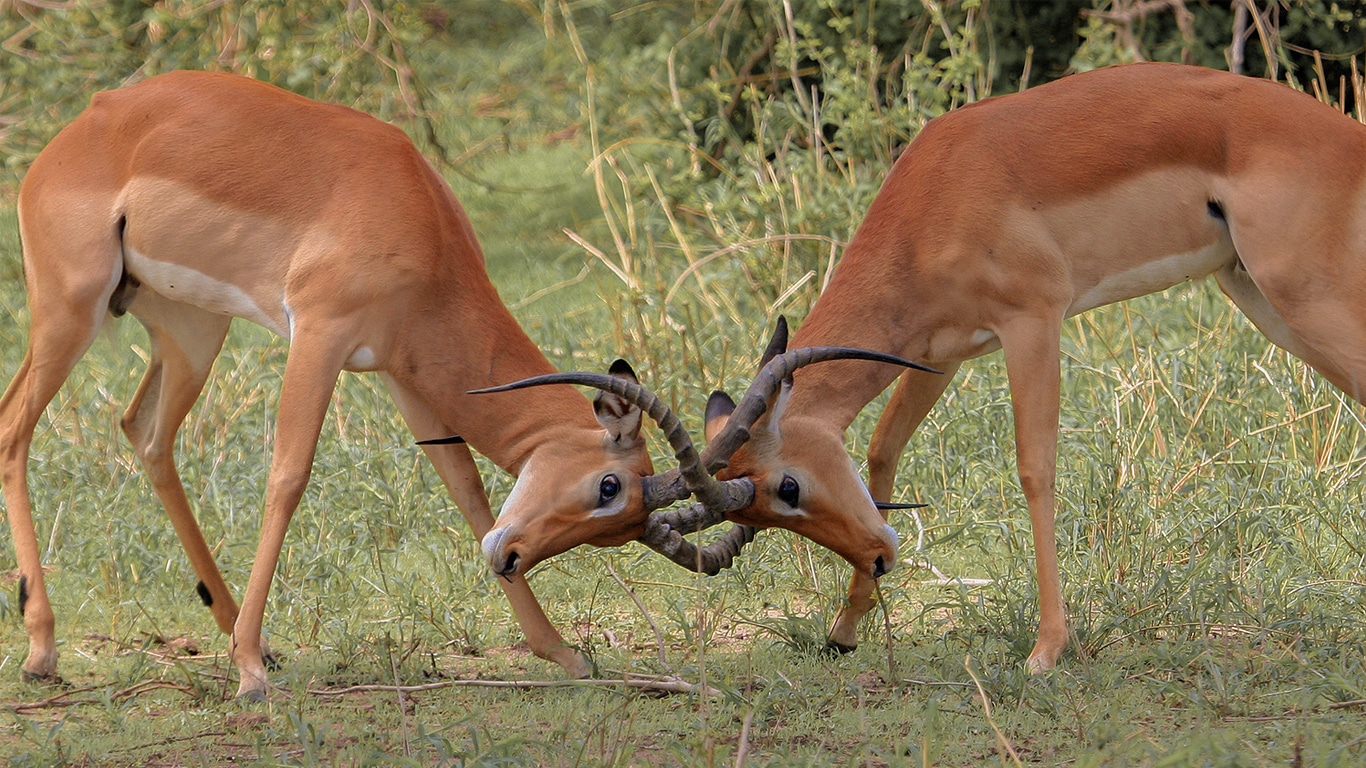
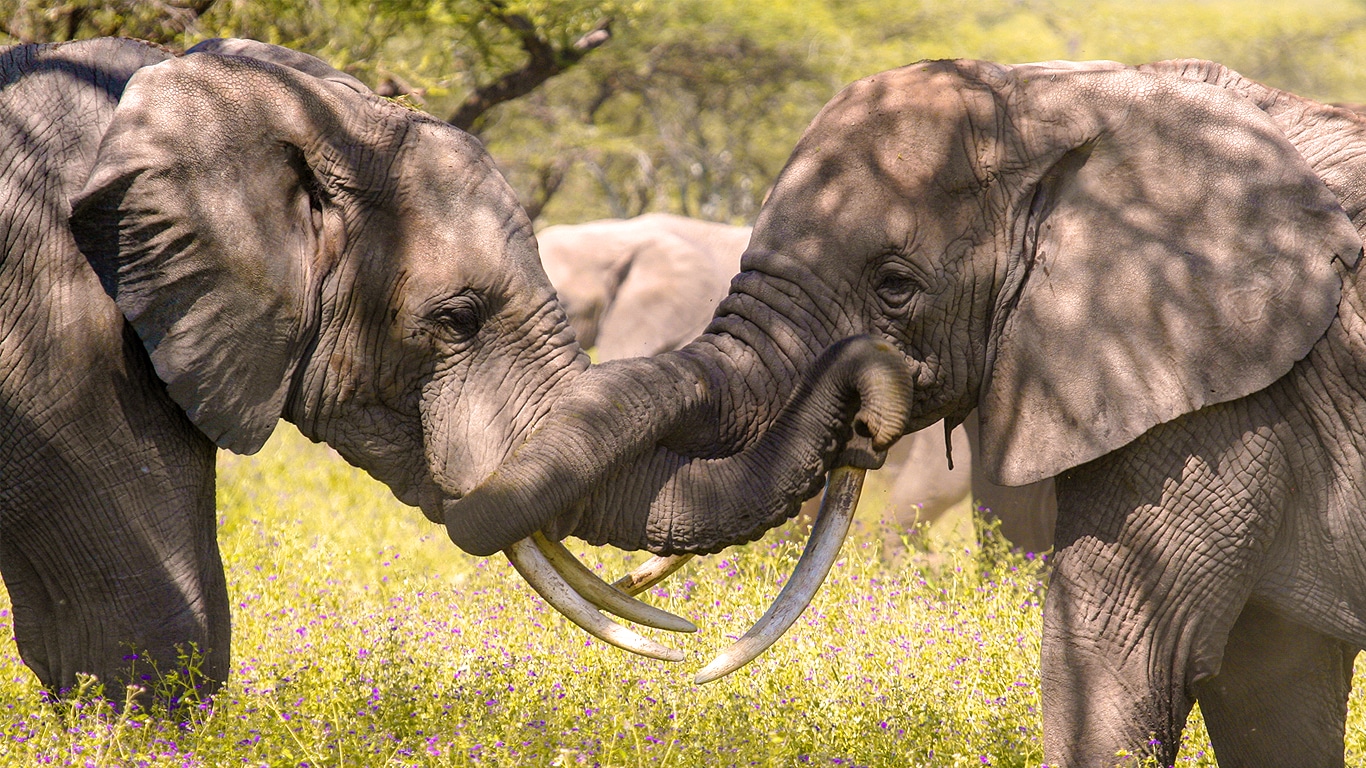
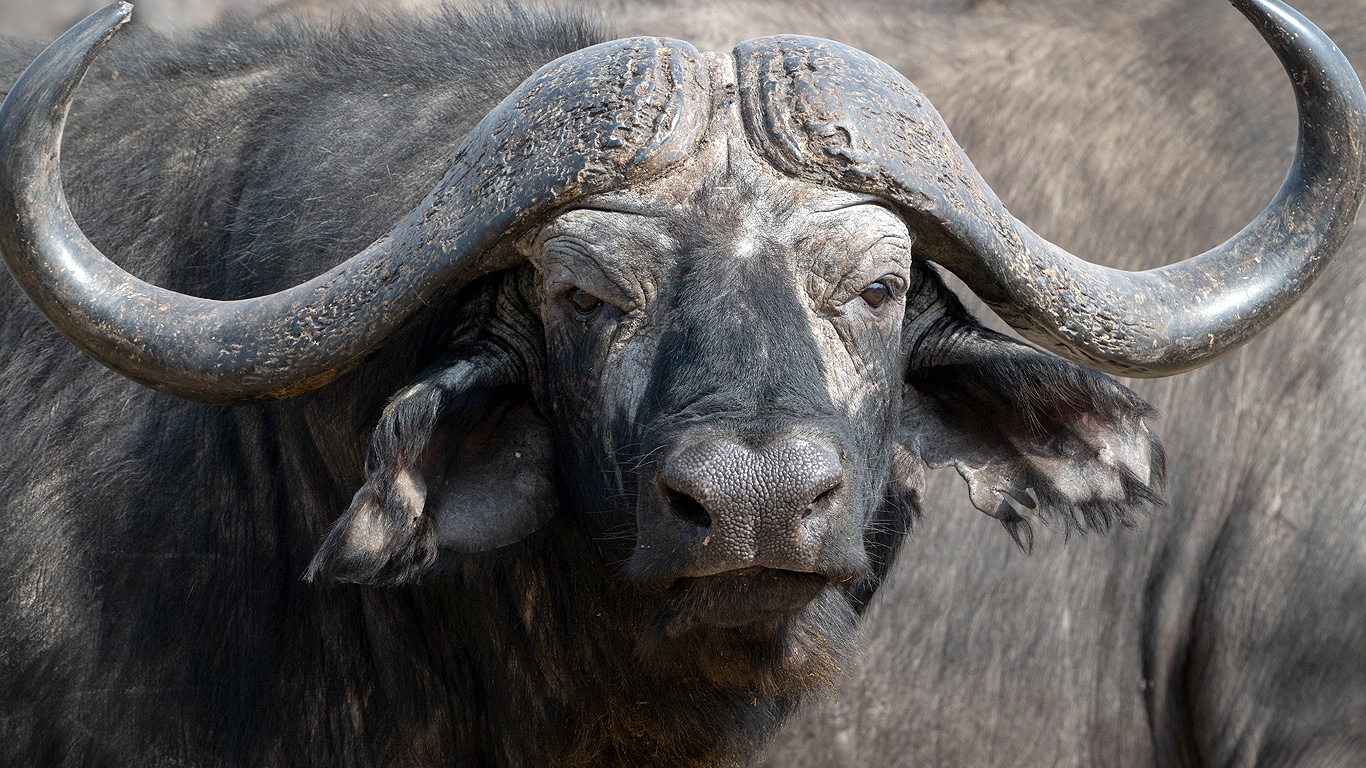
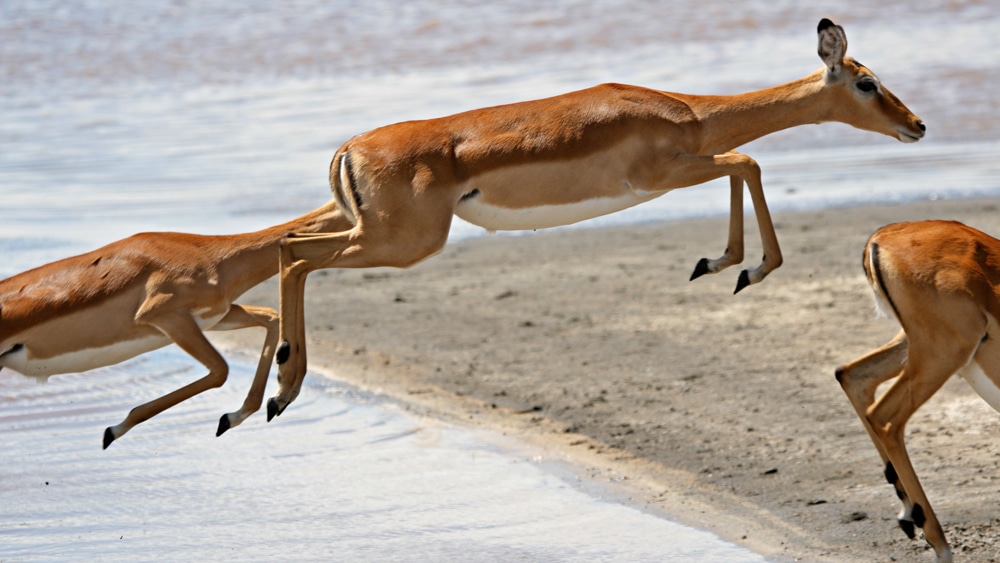
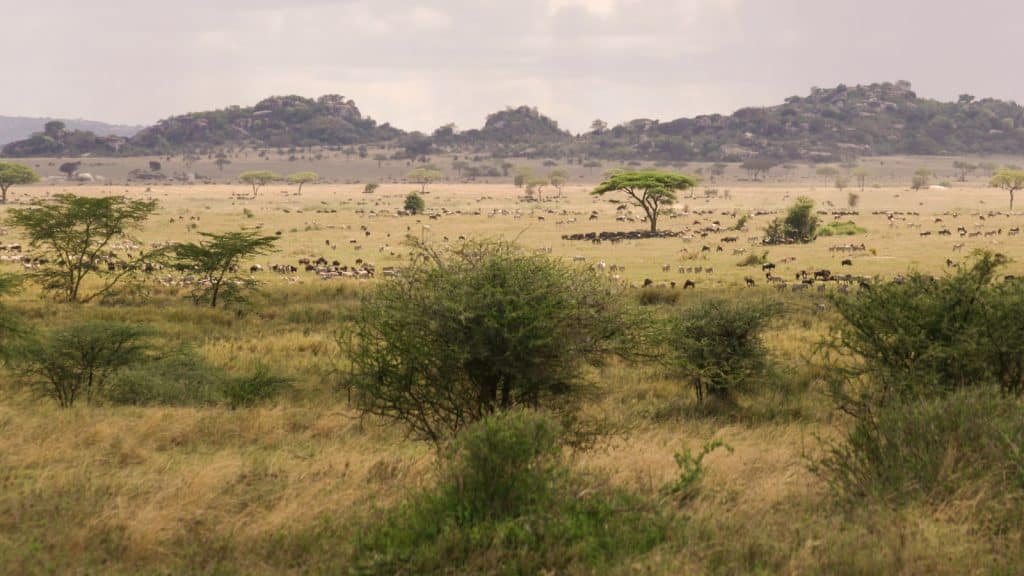
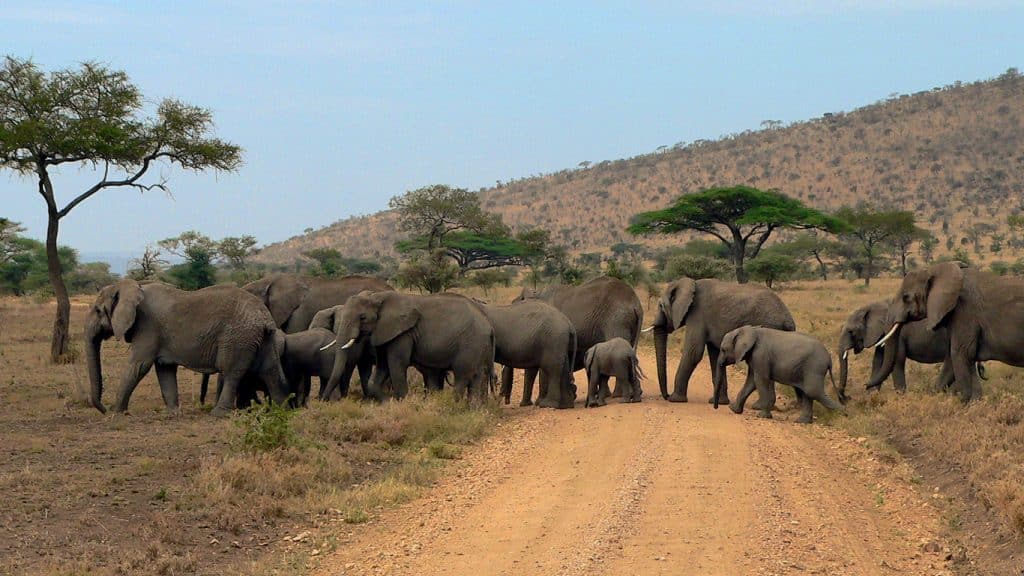
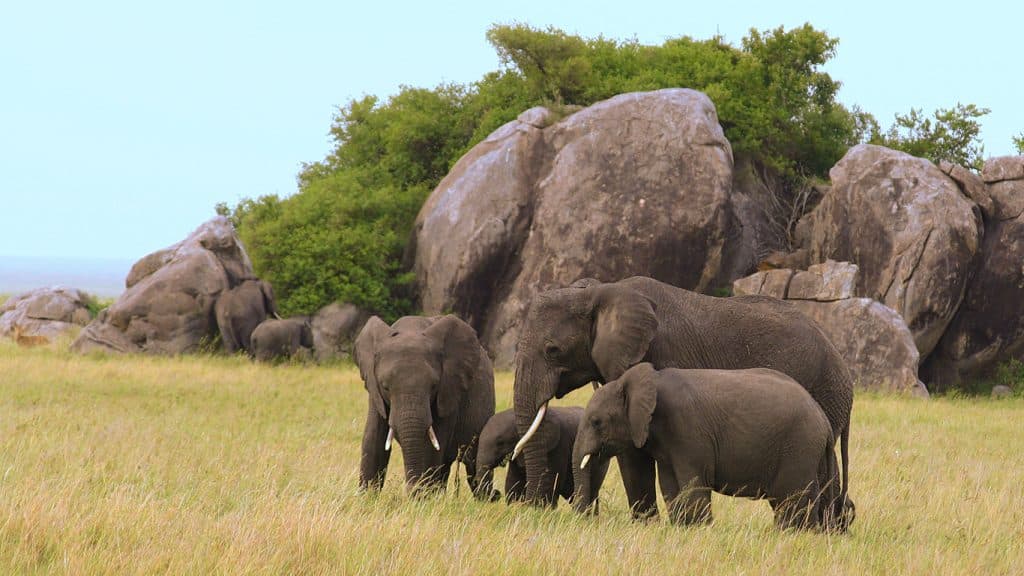
The topography consists of thick acacia woodlands punctuated by small, sun-drenched clearings where animals congregate to drink. The game track into the springs is a 5-mile stretch heading east from Seronera, cutting through a high-biomass region of various acacia species and large, heavily vegetated kopjes. During the dry season, the lack of water elsewhere forces a diverse range of species—including buffalo, impala, and elephants—into this concentrated woodland corridor.
The Reign of the Big Cats
Turner’s Spring is a premier location for predator enthusiasts, particularly for those interested in the social dynamics of the Serengeti’s resident carnivores:
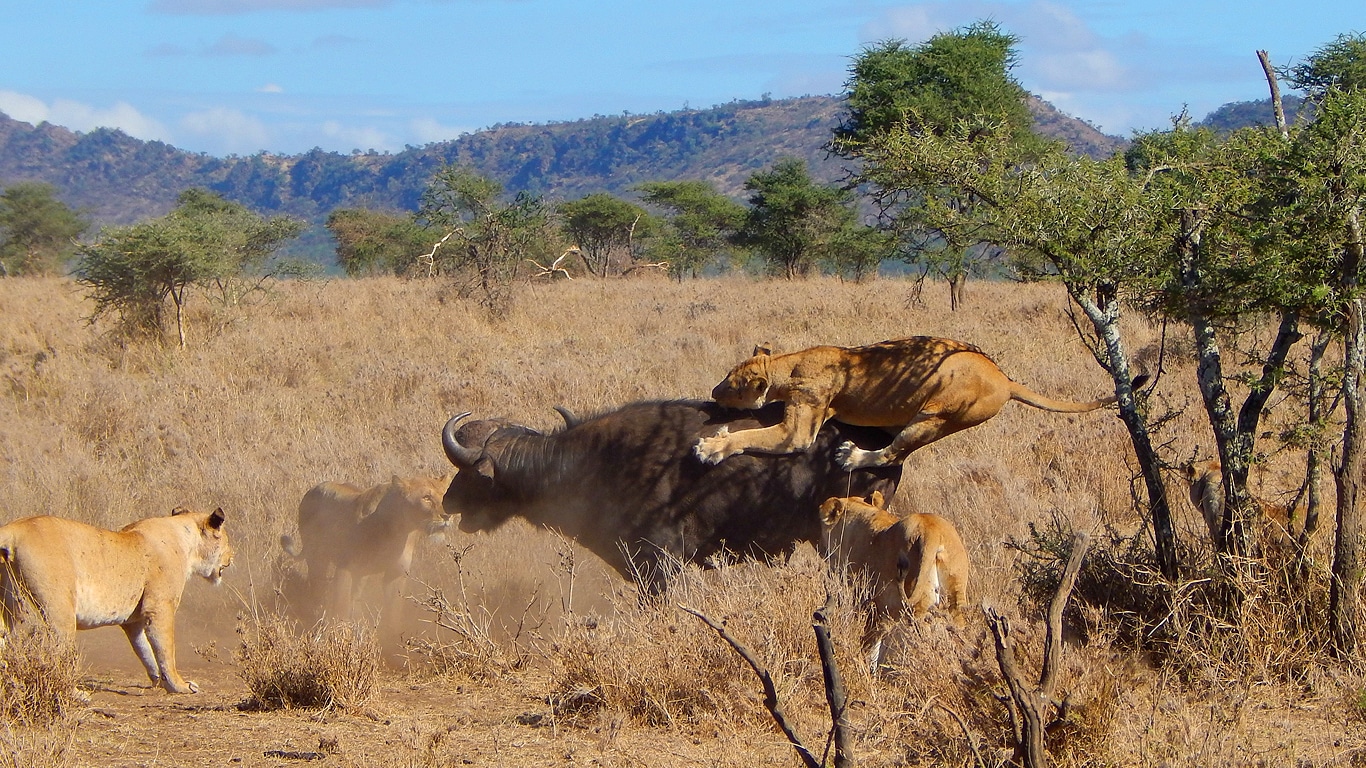
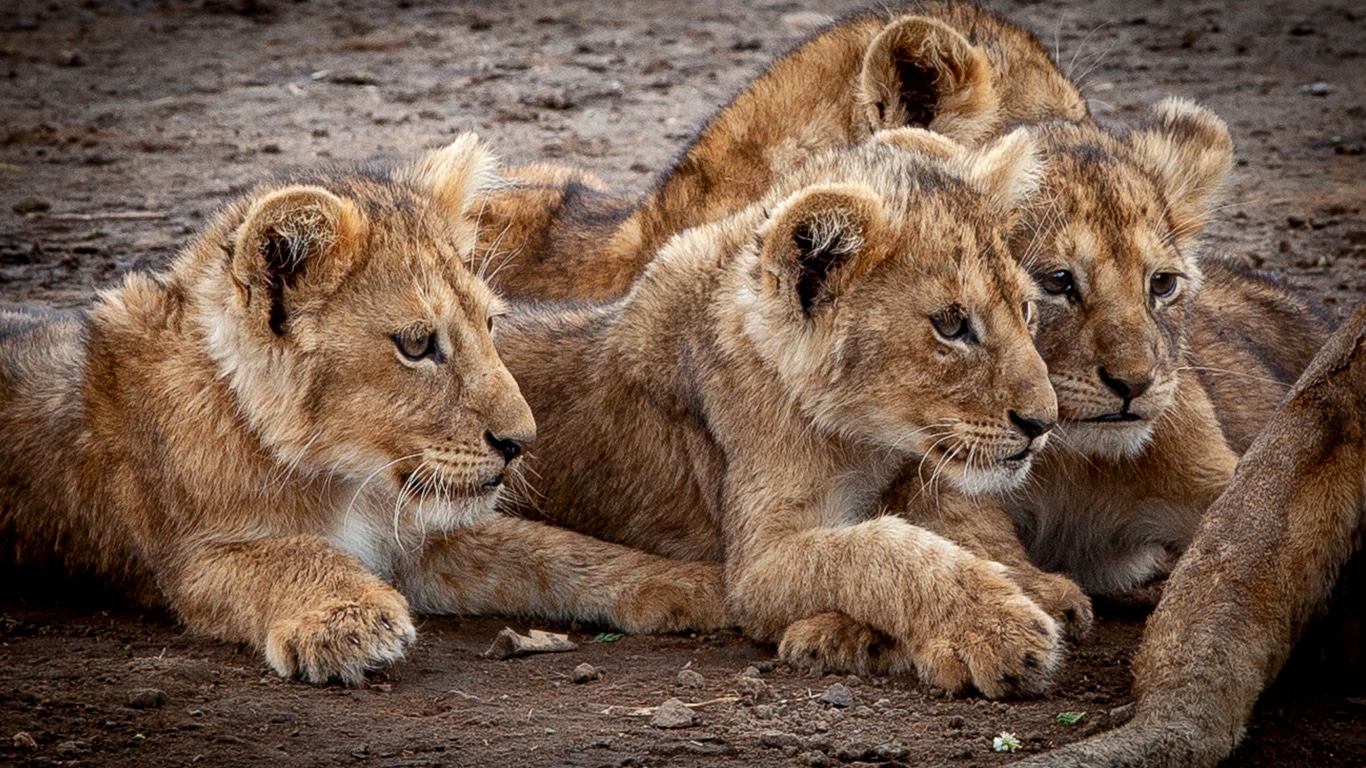
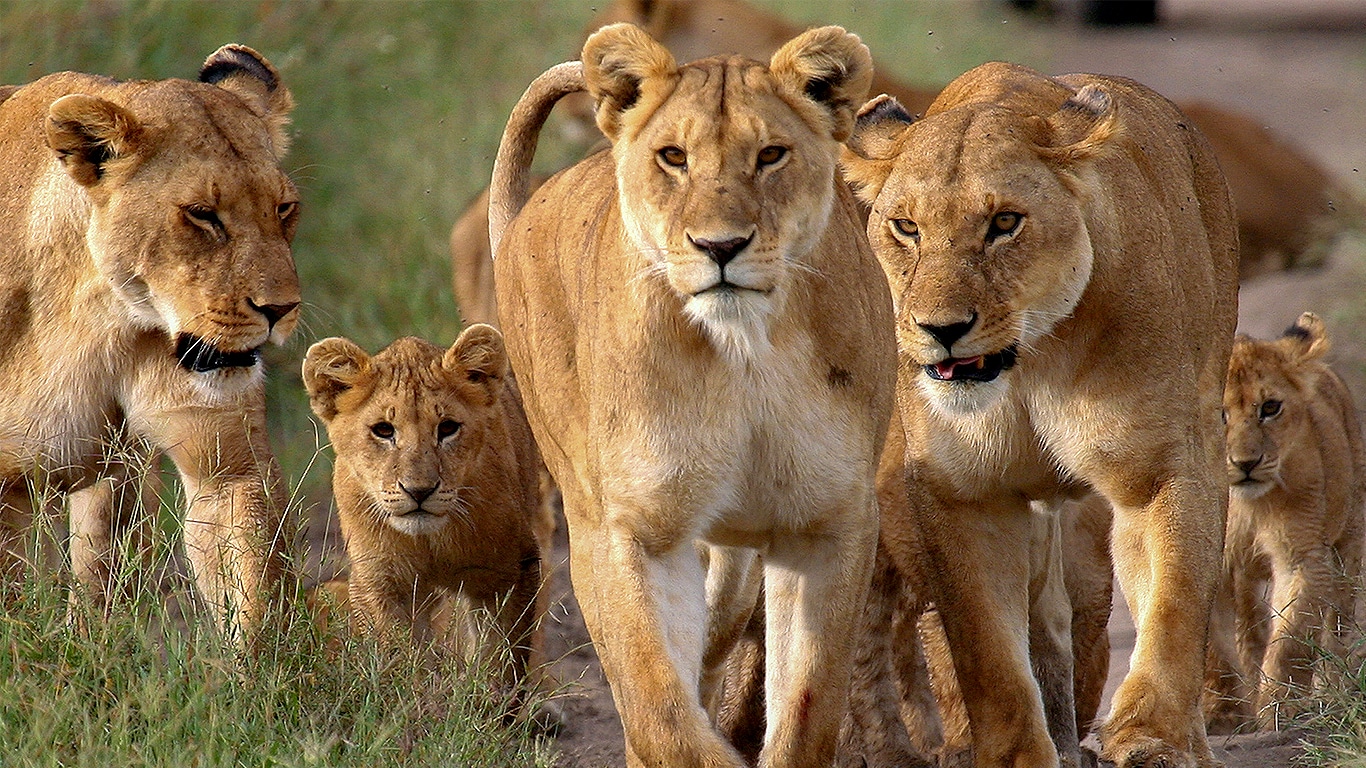
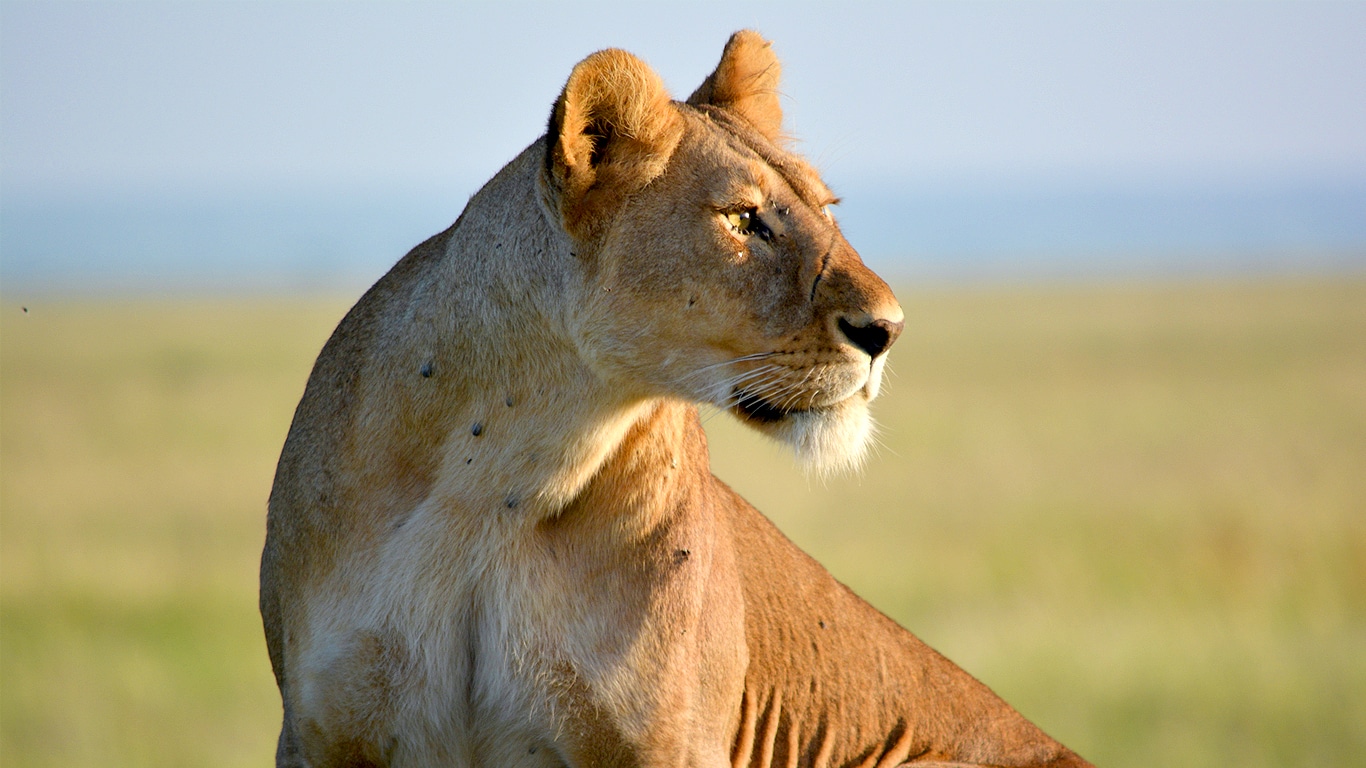
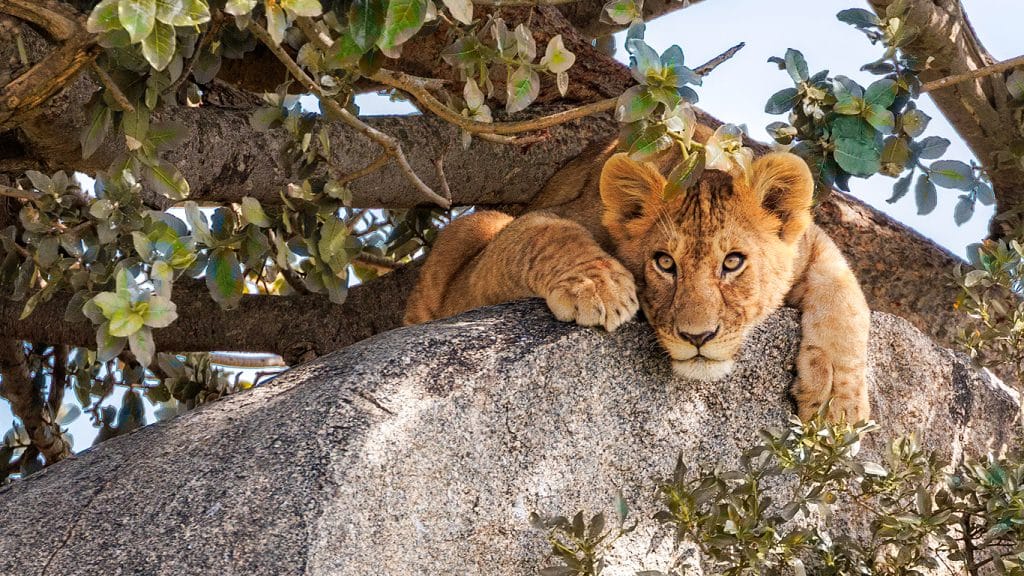
- The Resident Prides: There are three distinct lion prides within a 10-mile radius, all closely monitored by the Serengeti Lion Project. The area is considered “park-place” territory due to the permanent water and high prey density.
- The Sound of the Serengeti: If camping nearby, the night is dominated by the spine-tingling roars of lions. As Craig Packer notes, roaring is a territorial advertisement:
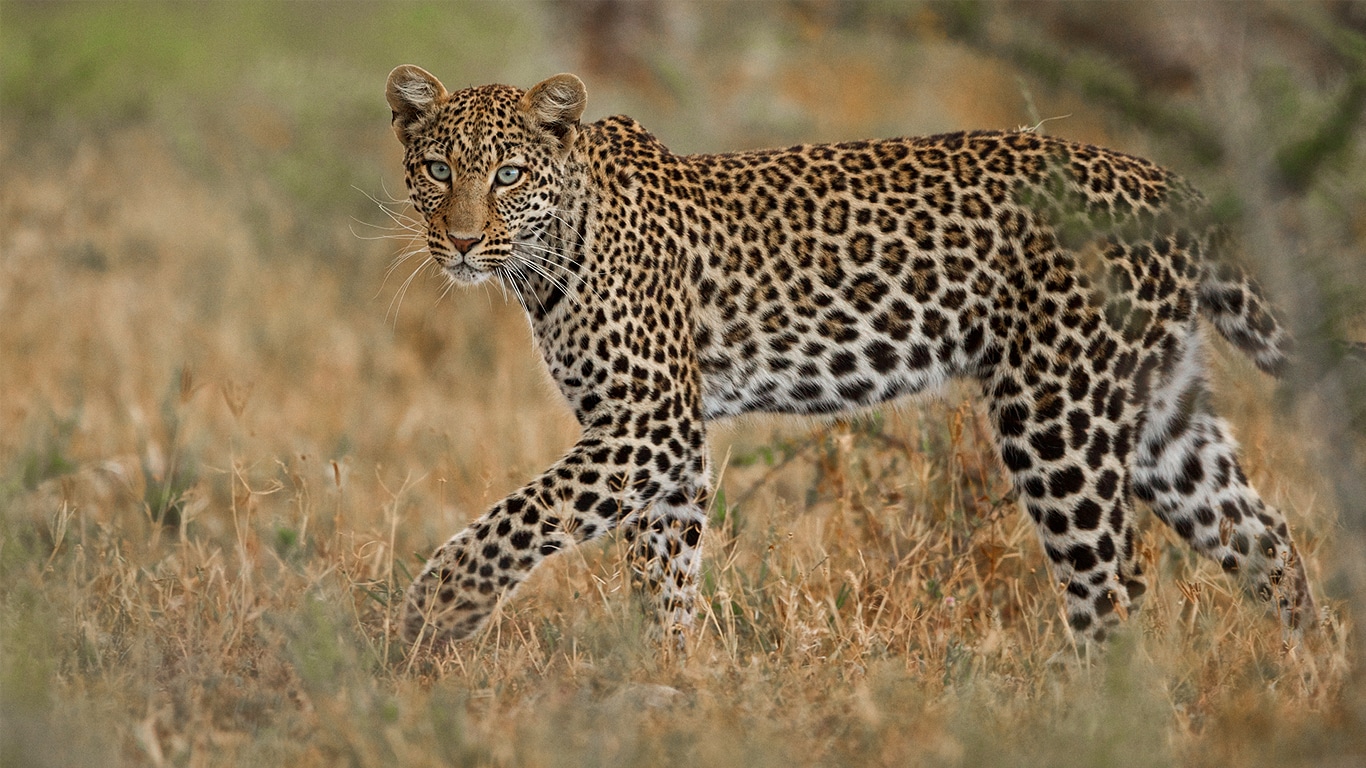
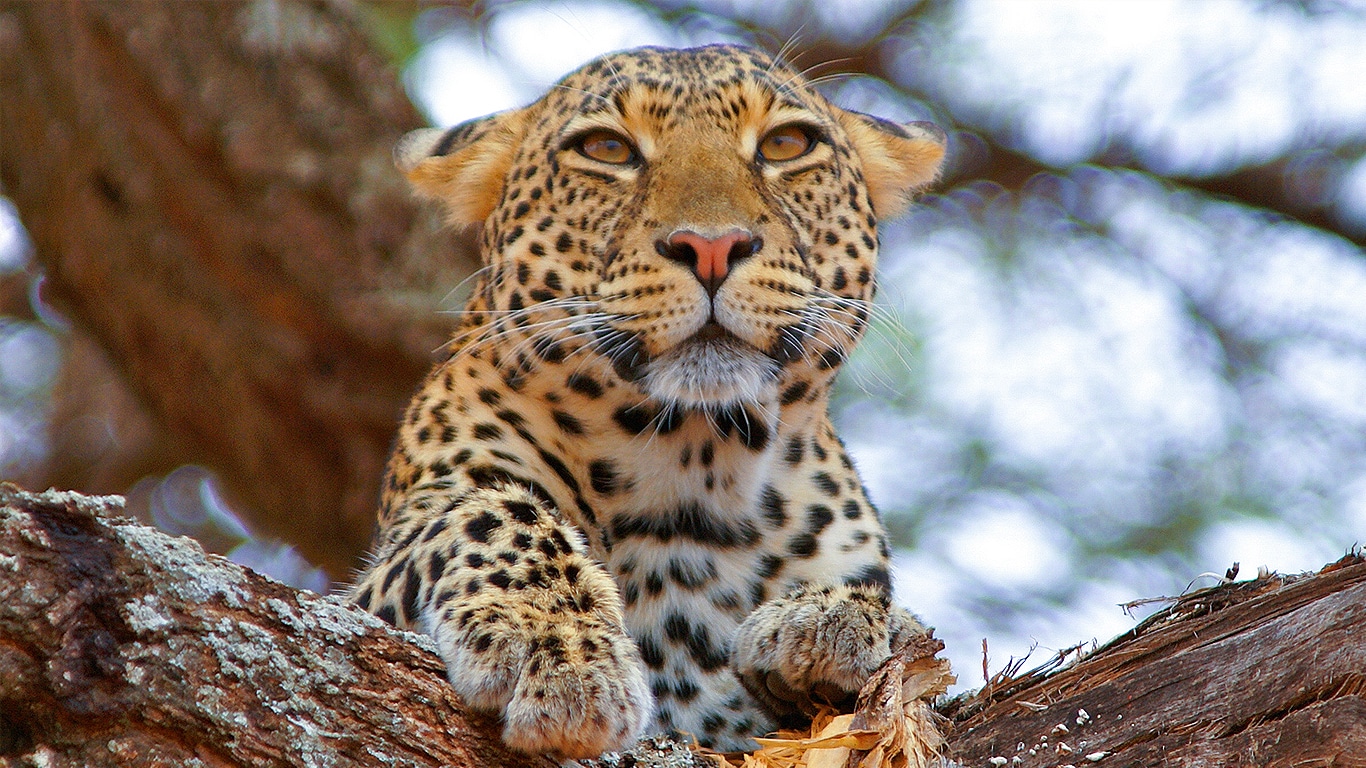
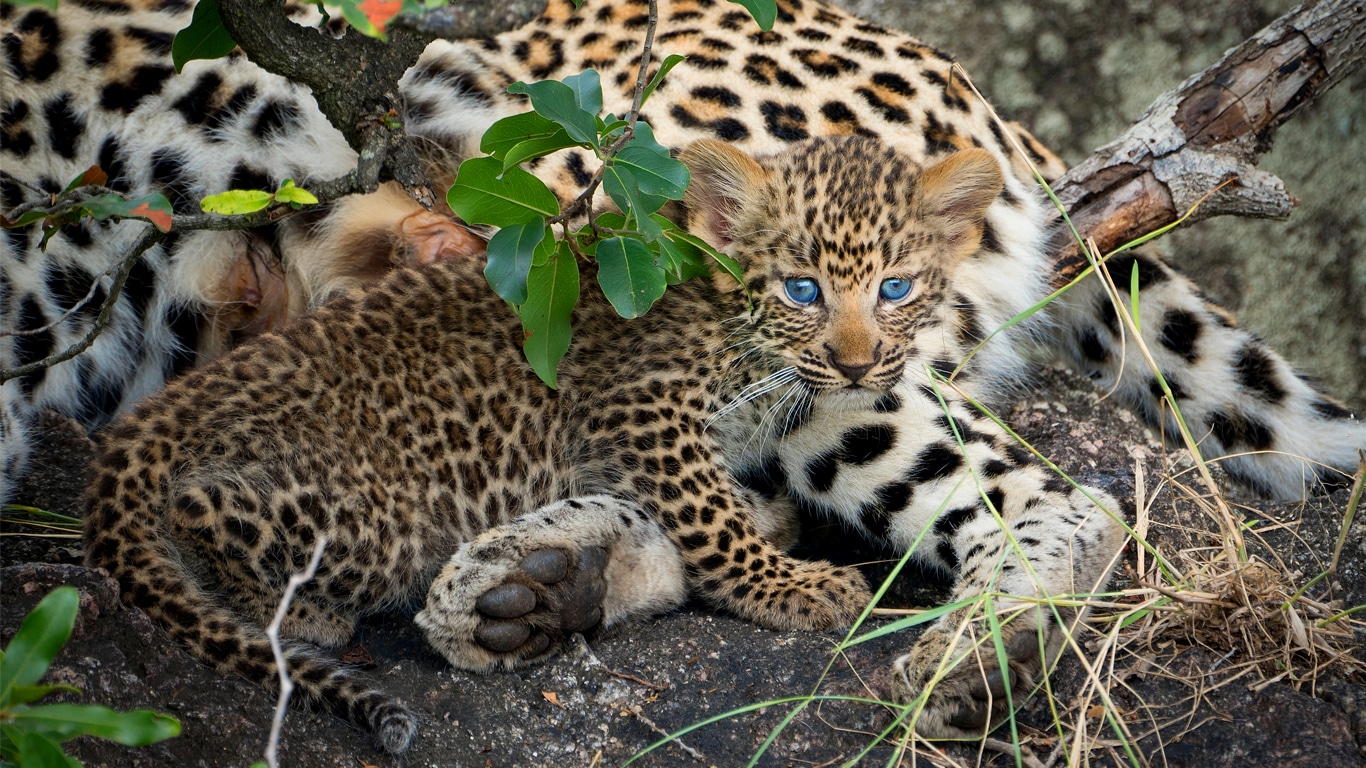
“Roaring tells the strangers how many lions occupy a given territory and where they are at the moment… Males are on the constant lookout to keep other males away from ‘their’ pride.” - Leopard Viewing: The acacia trees lining the track provide perfect “shadow perches” for leopards. These elusive cats are so comfortable here that they are often seen lounging just a few feet from the road, with only a flicking white-tipped tail giving them away.
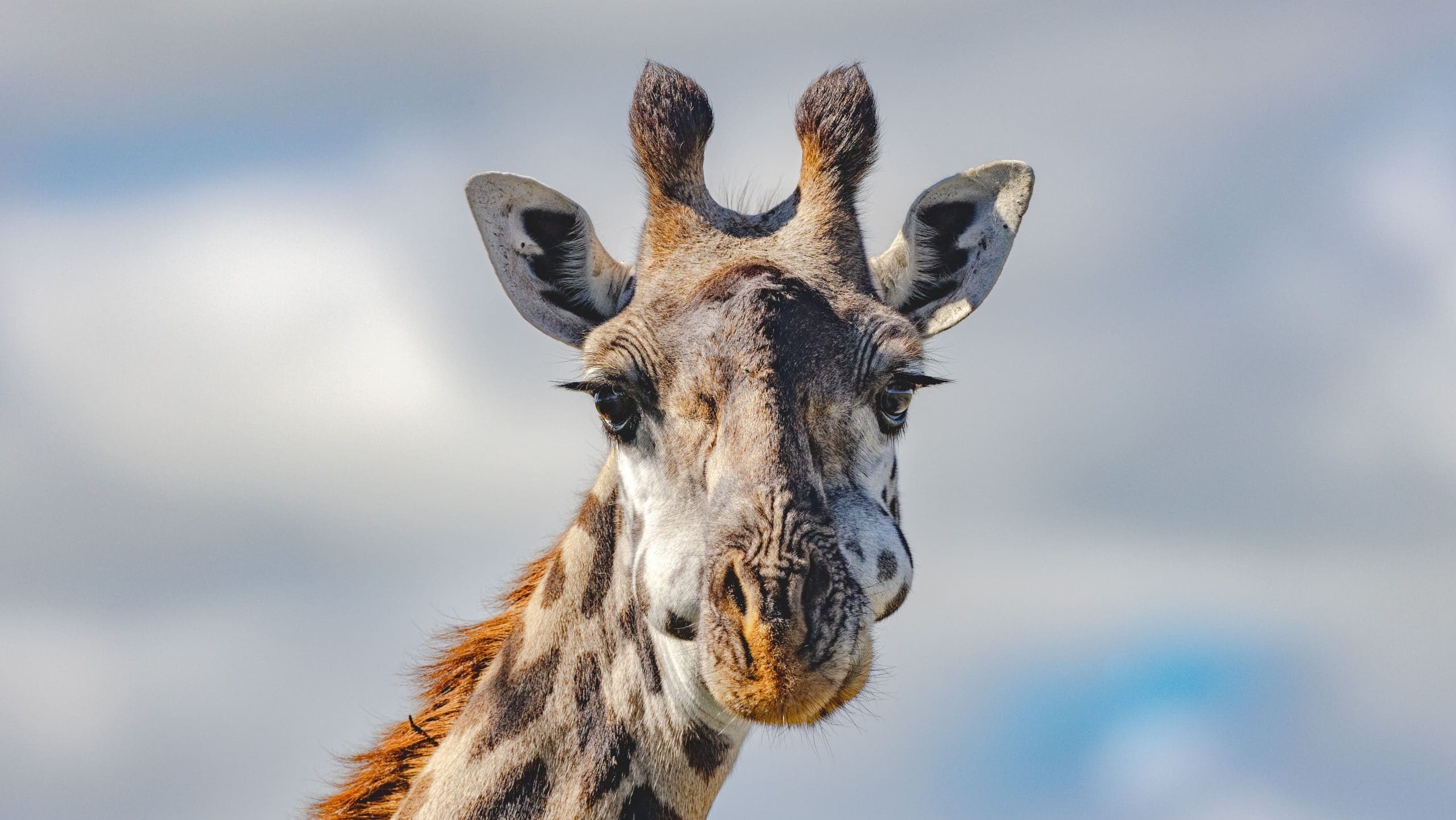
- Habituated Giraffes: The giraffes at Turner’s Spring are famously relaxed around vehicles. They will often browse on whistling thorn trees within a few feet of the car, offering unparalleled opportunities for close-up photography.
While the lion’s roar is legendary, the Spotted Hyena is actually the most vocal resident of Turner’s Spring. Researcher Hans Kruuk identified a wide vocabulary of sounds here, from the “who-oop” to the “maniacal giggle.”
“The giggles, yells and growls which accompany the attacks over food around a kill may attract hyenas from a great distance… I sometimes found myself watching the hyenas over a kill and wishing for their own sakes that they would be quiet, because their deafening noises attracted lions from miles away!” — Hans Kruuk
Recommended Reading
To truly appreciate the history of this area, guests are encouraged to read “My Serengeti Years” by Myles Turner and “Serengeti Home” by Kay Turner. Kay’s descriptions of camping in this very region capture the essence of the Turner’s Spring experience:
“The sky at night felt close on those treeless plains, and it glowed with a soft and enveloping radiance… we would be lulled to sleep by the rhythmic sound of the wildebeest bleating, interspersed by the off-key moan of a hyena.”
Seasonal Highlights
| Month | Season | Weather | Wildlife Sightings | Rec. |
|---|---|---|---|---|
| Jan | Green Season | 60 - 85 F Mostly sunny with few showers |
Leopard, Lion, Giraffe, Impala, Buffalo, Hippo | Yes |
| Feb | Green Season | 60 - 85 F Mostly sunny with few showers |
Leopard, Lion, Giraffe, Impala, Buffalo, Hippo | Yes |
| Mar | Green Season | 60 - 83 F Mostly sunny with few showers |
Leopard, Lion, Giraffe, Impala, Buffalo, Hippo | Yes |
| Apr | Green Season | 60 - 83 F Mostly sunny with few showers |
Leopard, Lion, Giraffe, Impala, Buffalo, Hippo | Yes |
| May | Northward Migration | 56 - 81 F Mostly sunny |
Leopard, Lion, Giraffe, Impala, Buffalo, Hippo, Possibility of the Wildebeest Migration in mid to late May | Yes |
| Jun | Beginning of Dry Season | 56 - 81 F Mostly sunny |
Wildebeest Migration, Zebra Migration, Thomson's Gazelle Migration, Cheetah, Leopard, Lion, Giraffe, Buffalo, Hippo | Yes |
| Jul | Dry Season | 60 - 83 F Mostly sunny |
Thomson's Gazelle Migration, Cheetah, Leopard, Lion, Giraffe, Impala, Buffalo, Hippo | Yes |
| Aug | Dry Season | 55 - 81 F Mostly sunny |
Thomson's Gazelle Migration, Cheetah, Leopard, Lion, Giraffe, Impala, Buffalo, Hippo | Yes |
| Sep | Dry Season | 55 - 81 F Mostly sunny |
Thomson's Gazelle Migration, Cheetah, Leopard, Lion, Giraffe, Impala, Buffalo, Hippo | Yes |
| Oct | Dry Season | 60 - 83 F Mostly sunny |
Thomson's Gazelle Migration, Cheetah, Leopard, Lion, Giraffe, Impala, Buffalo, Hippo | Yes |
| Nov | Southward Migration | 60 - 83 F Mostly sunny with few showers |
Leopard, Lion, Giraffe, Impala, Buffalo, Hippo, Wildebeest Migration, Zebra Migration | Yes |
| Dec | Beginning of Green Season | 60 - 83 F Mostly sunny with few showers |
Leopard, Lion, Giraffe, Impala, Buffalo, Hippo | Yes |
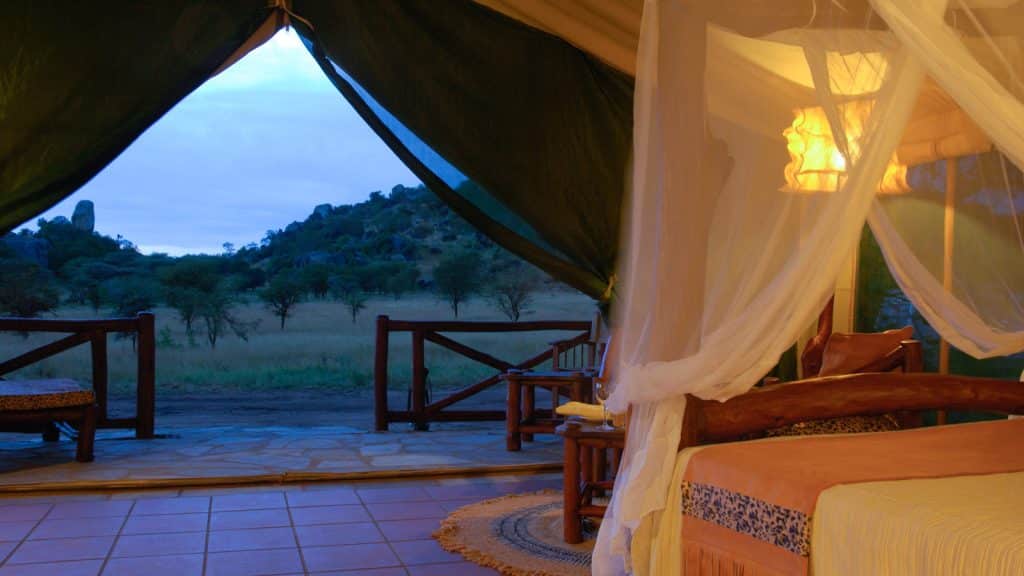
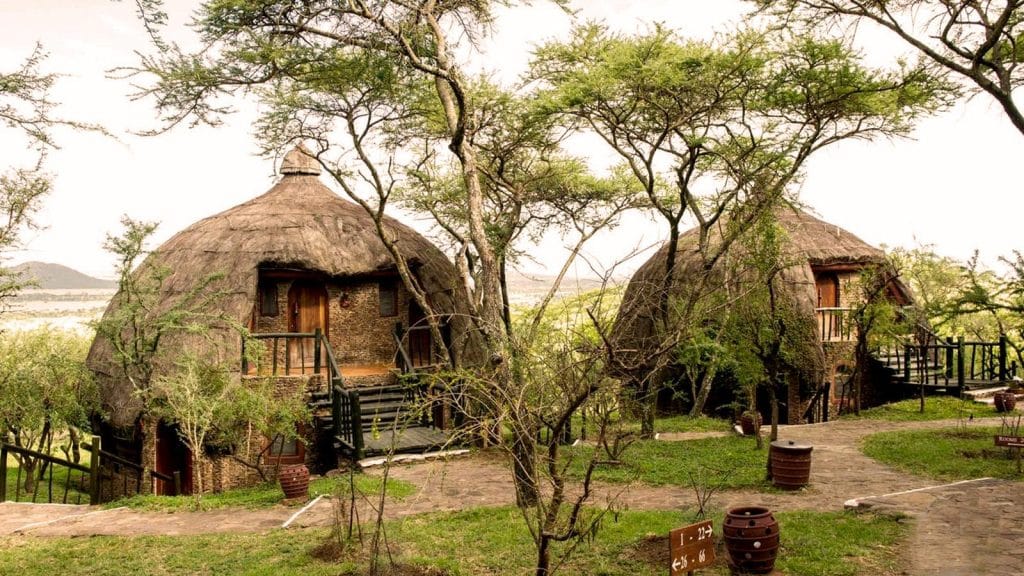
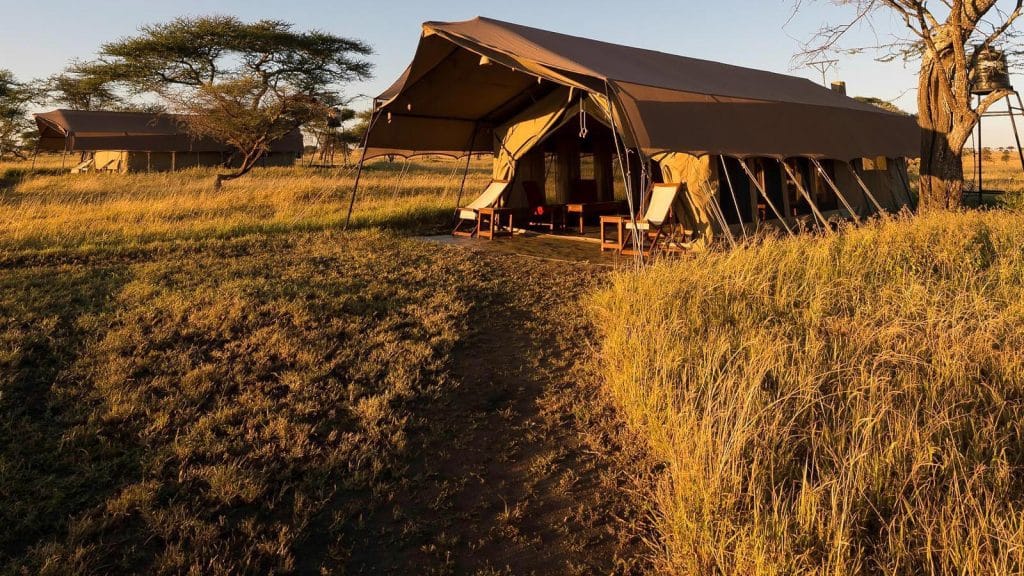
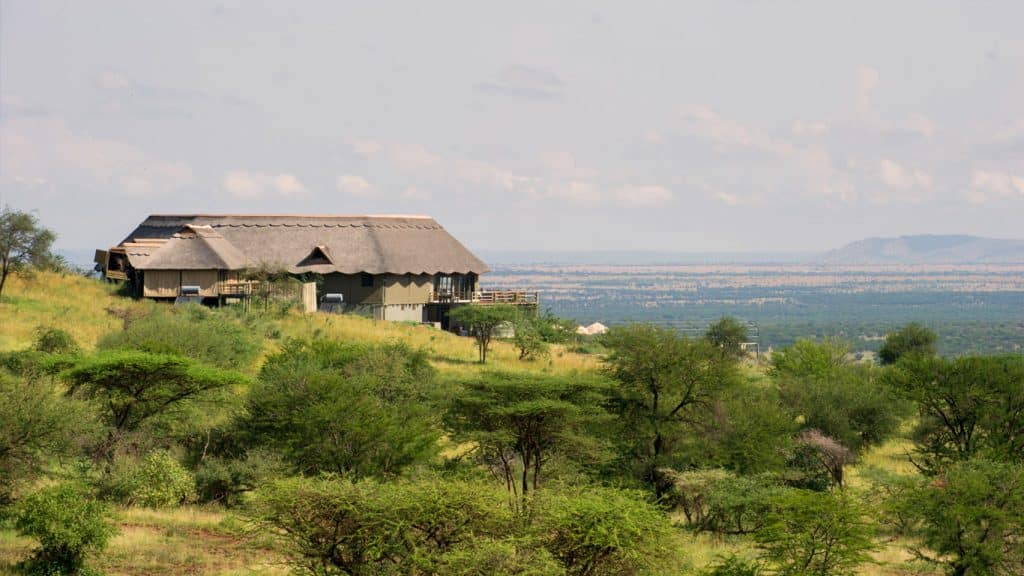
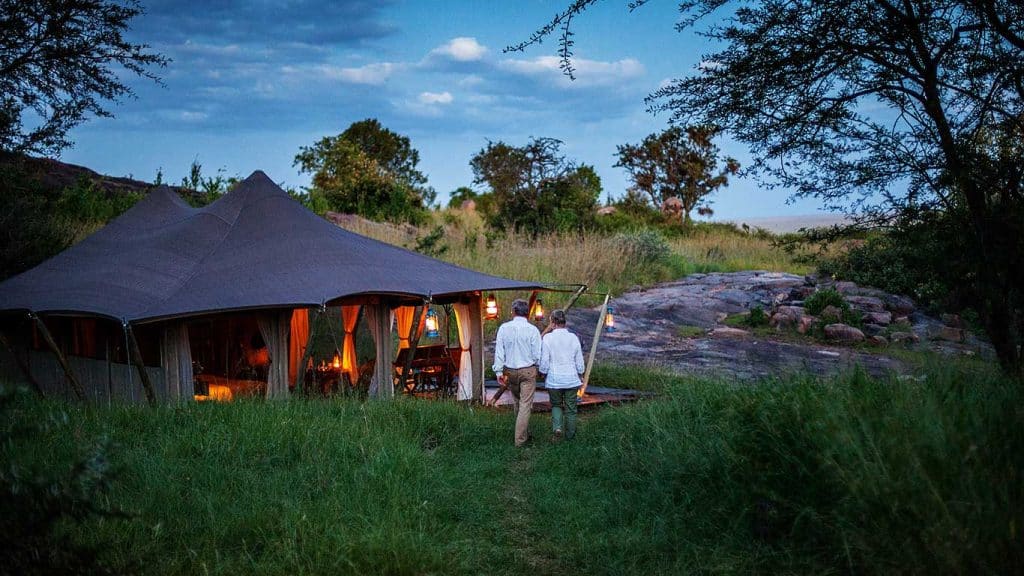
Nearby Lodges

Nearby Attractions


What are you waiting for?
Create Your Own Itinerary
Receive instant day-by-day trip details designed just for you including rates, seasonal highlights, guest testimonials, photos & more!
Get In Touch
Our Safari Specialists Are Ready to Help Kickstart Your Adventure
Toll-Free
US Office
31244 Palos Verdes Dr. West, Suite 239 Rancho Palos Verdes, CA 90275
Hours: Daily 8AM - 8PM PST
Drop Us A Line
Leave your contact info below