Munge Stream
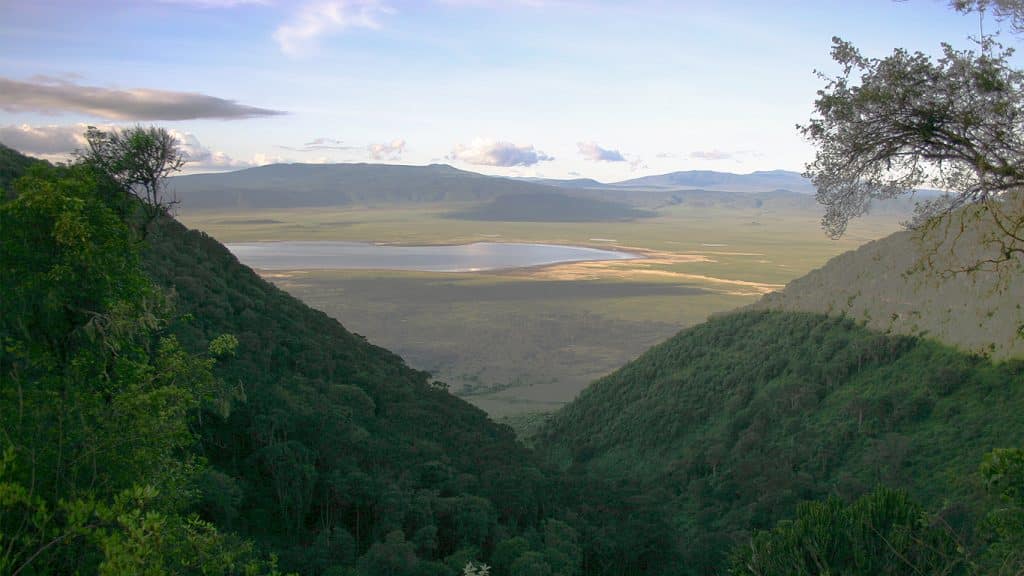
The Munge Stream is a life-giving artery that meanders from the Crater wall to Lake Magadi. This scenic waterway is a premier habitat for elusive leopards and the Crater's massive bull elephants, providing essential water and forage along its fig-lined banks.
Details
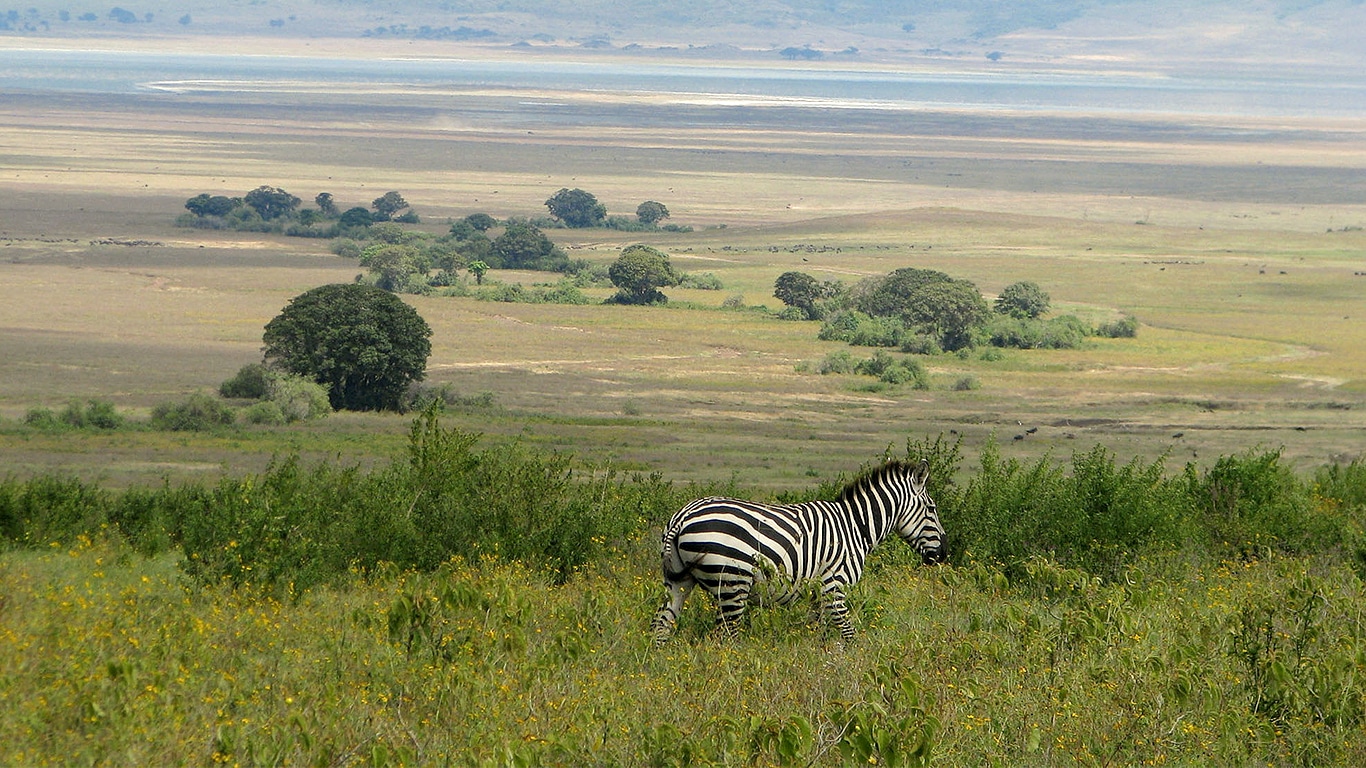
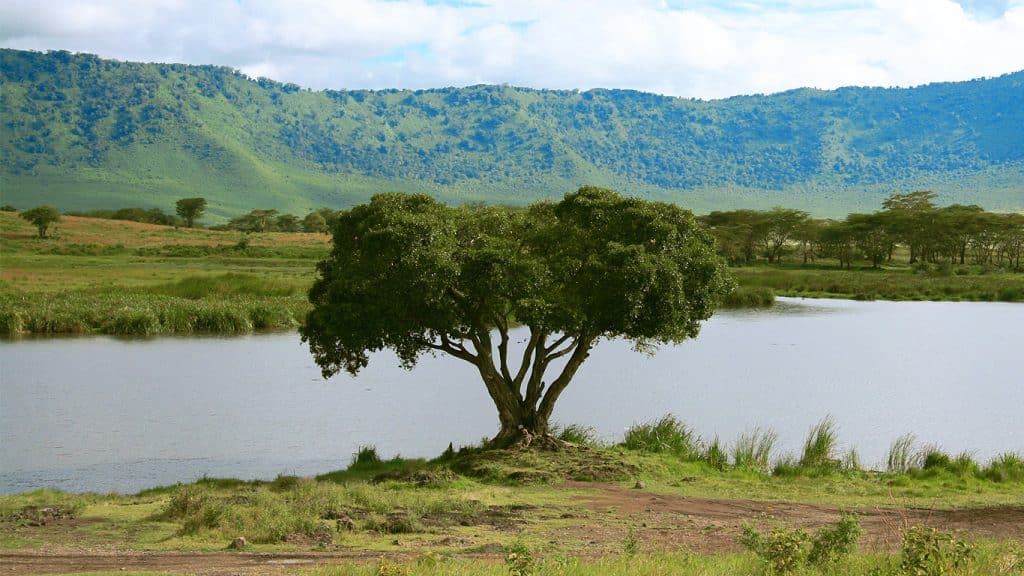
The Munge Stream is the primary freshwater source for the northern and eastern sections of the Ngorongoro Crater. It begins its journey by cutting through the northern crater wall, creating a lush corridor as it wanders across the caldera floor before finally emptying into the alkaline waters of Lake Magadi. The stream is not just a water source; it is a vital ecological transition zone. Its banks are decorated with beautiful, ancient fig trees and thick vegetation that provide a rare sense of enclosure and privacy in the otherwise wide-open landscape of the Crater floor.
The Meandering Corridor
The topography along the Munge is diverse, stretching roughly 10 miles in length:
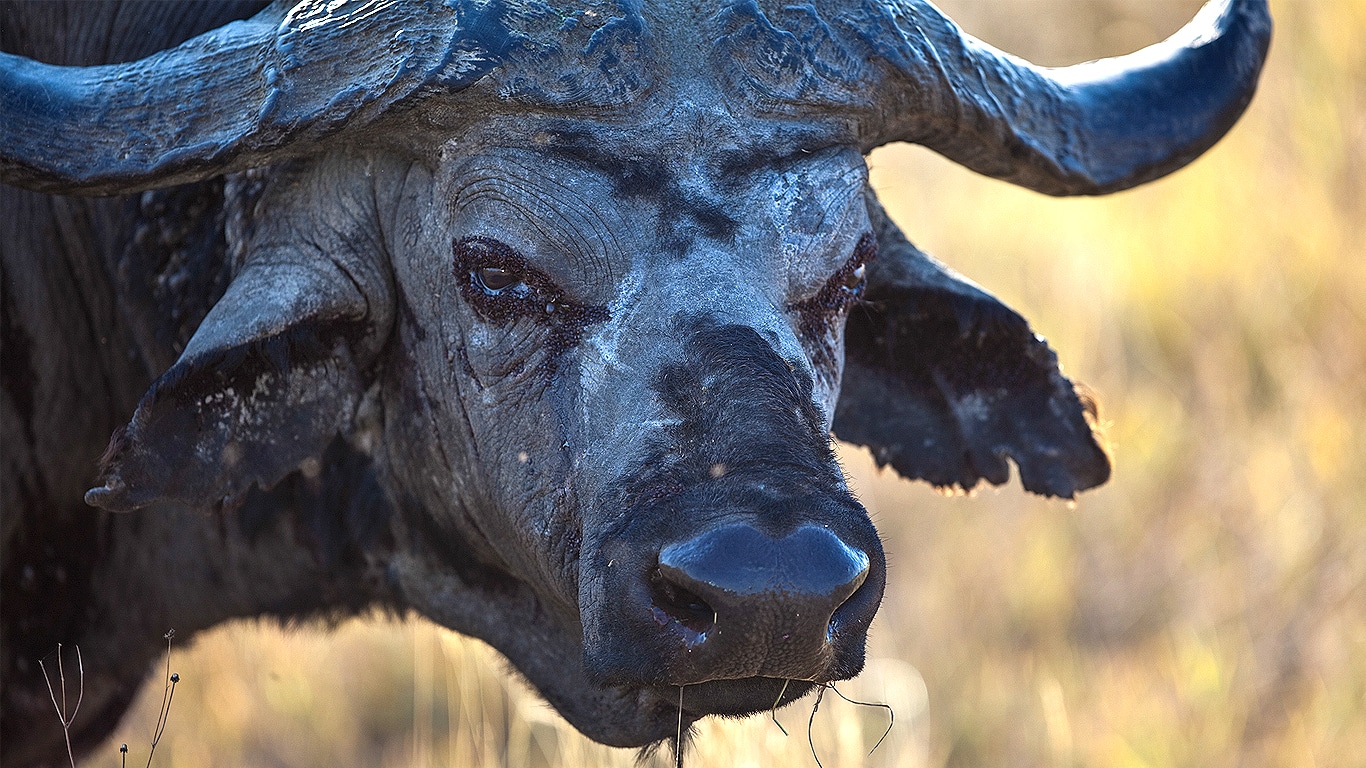
- The Upper Reaches: In the higher elevations of the Rumbe Hills, the stream flows through long grasslands that support massive herds of buffalo.
- The Riparian Border: As it reaches the floor, the stream is marked by gnarled fig trees and shallow pools. This “riverine” habitat creates a natural boundary where animals from the open plains come to drink and forage.
- The Magadi Delta: Where the stream meets the lake, the fresh water mixes with the soda-rich environment, creating a unique marshy habitat favored by waterbirds and smaller antelopes.
Secrets in the Shadows
The Munge Stream is one of the most strategically rewarding areas for game viewing, particularly for those looking for the Crater’s more “secretive” residents:
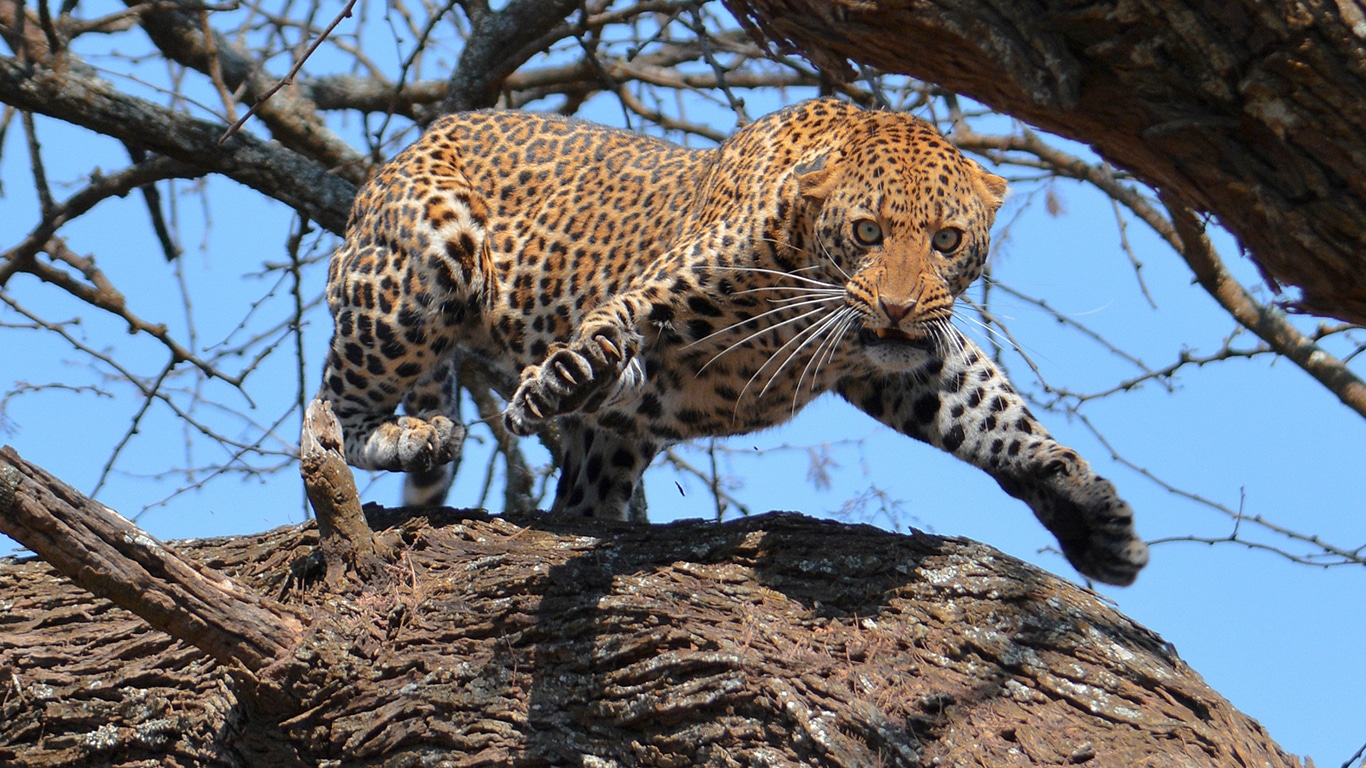
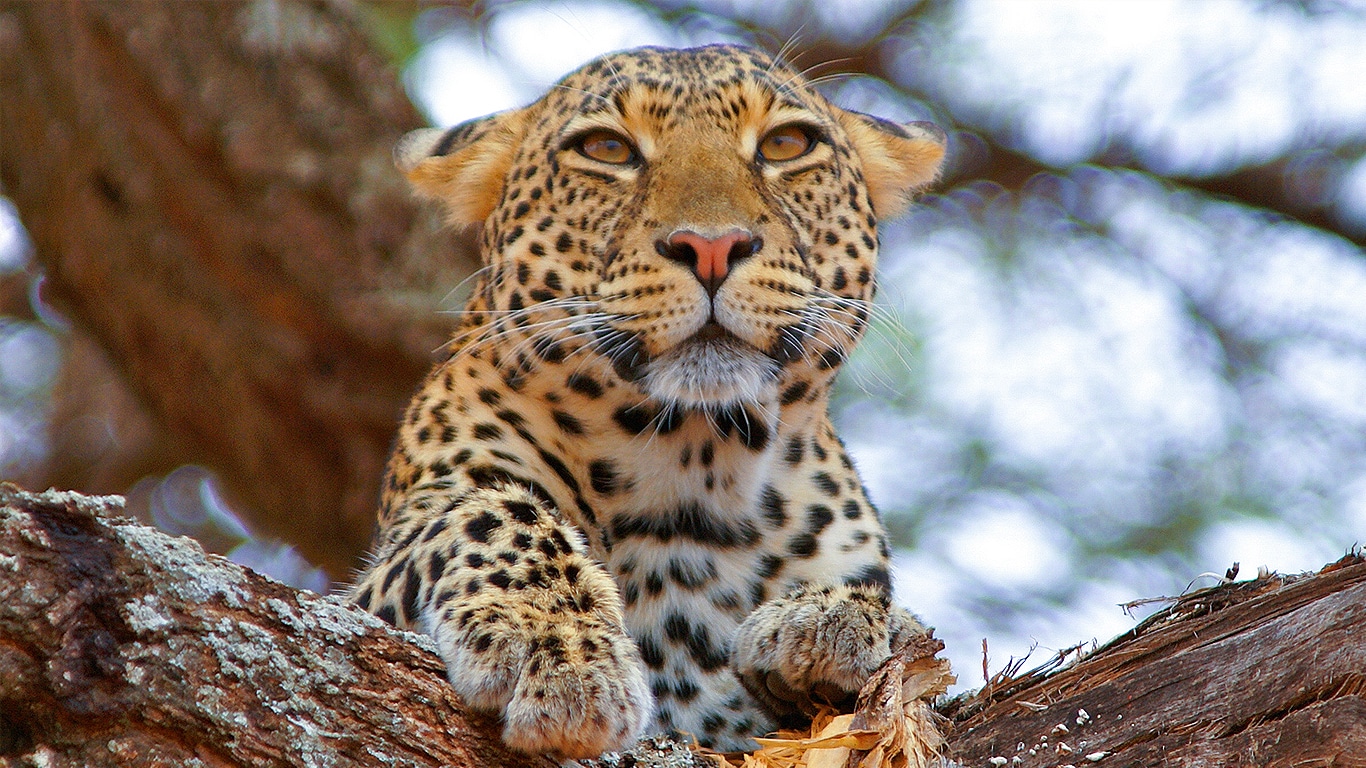
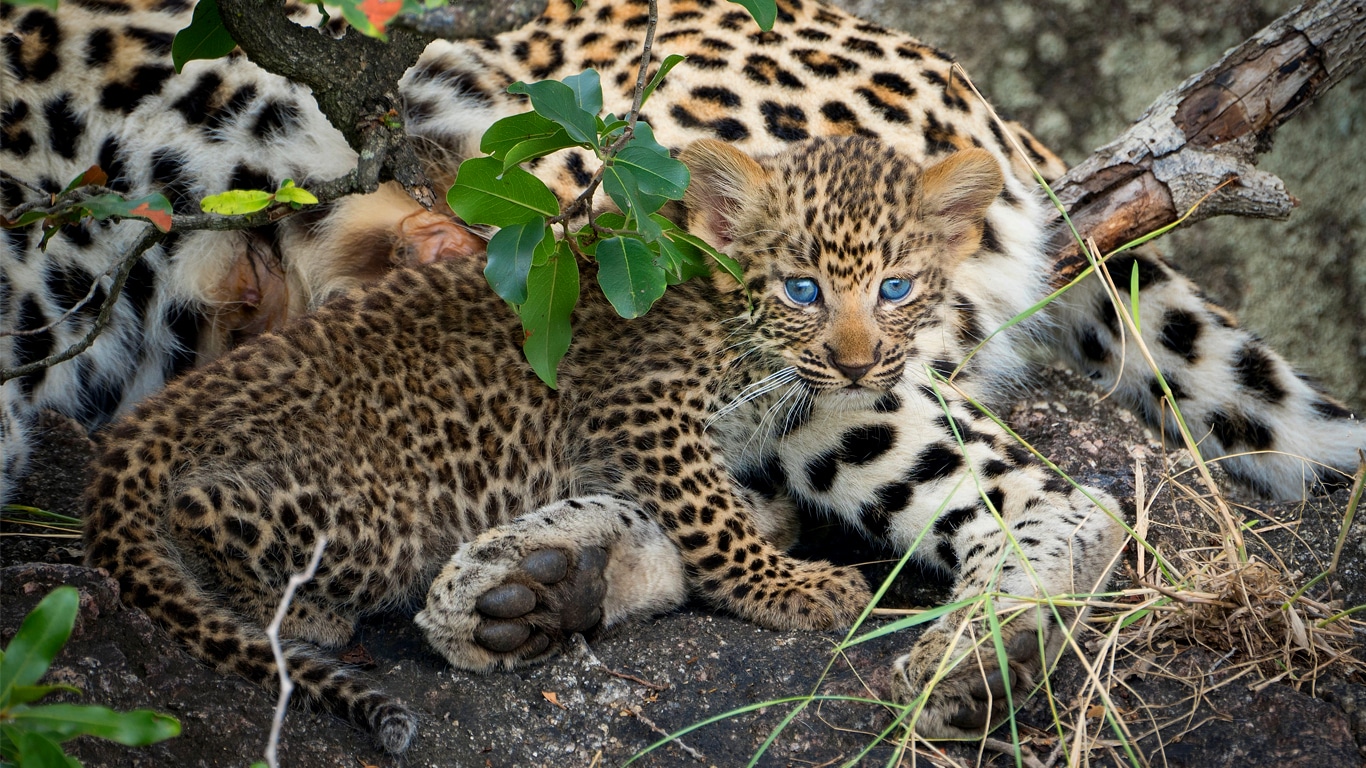
- Leopard Watch: While leopards are notoriously difficult to spot in the Crater, the trees lining the Munge Stream are their favorite hideouts. These “aristocratic cats” use the dense foliage of the fig trees for camouflage and as a vantage point for ambushing prey that comes to the water to drink.
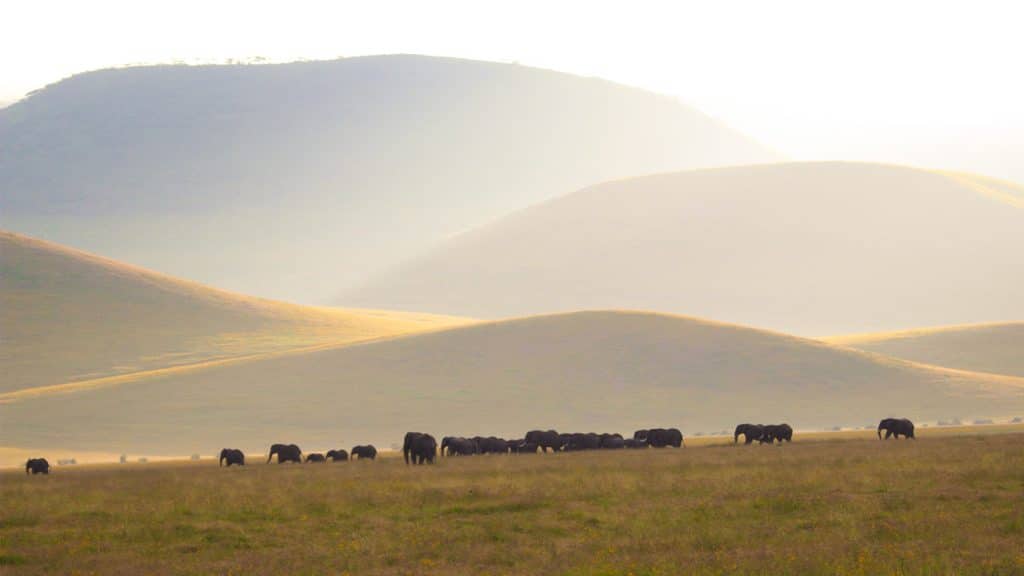
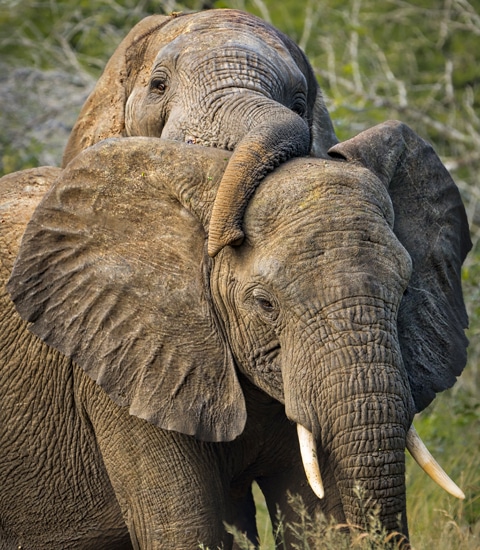
- The Elephant Passage: Massive “Giant Tusker” bull elephants are frequently found ambling through the thickets and tall grasses along the stream. The Munge provides the high-volume forage and water these old legends require.
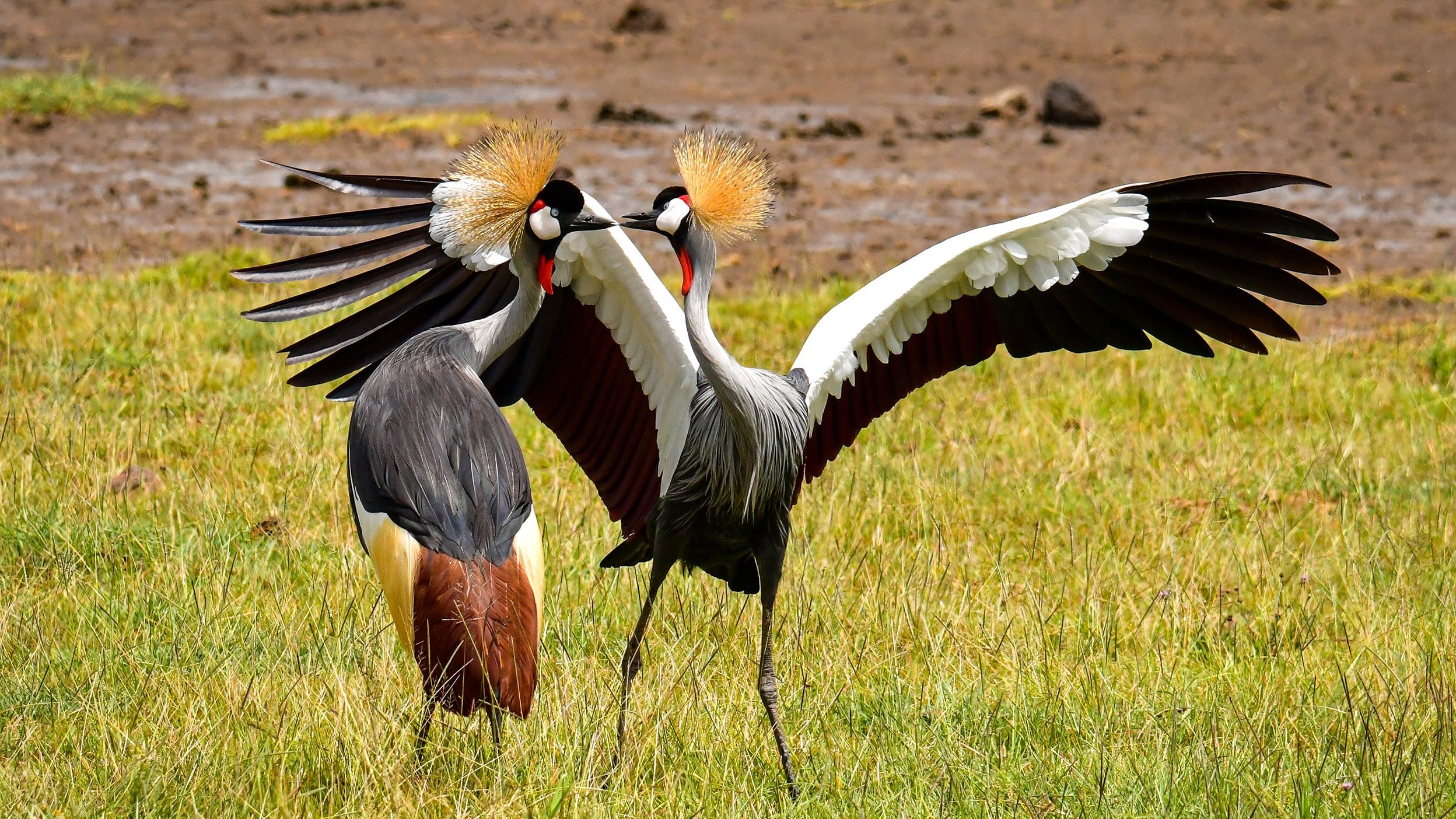
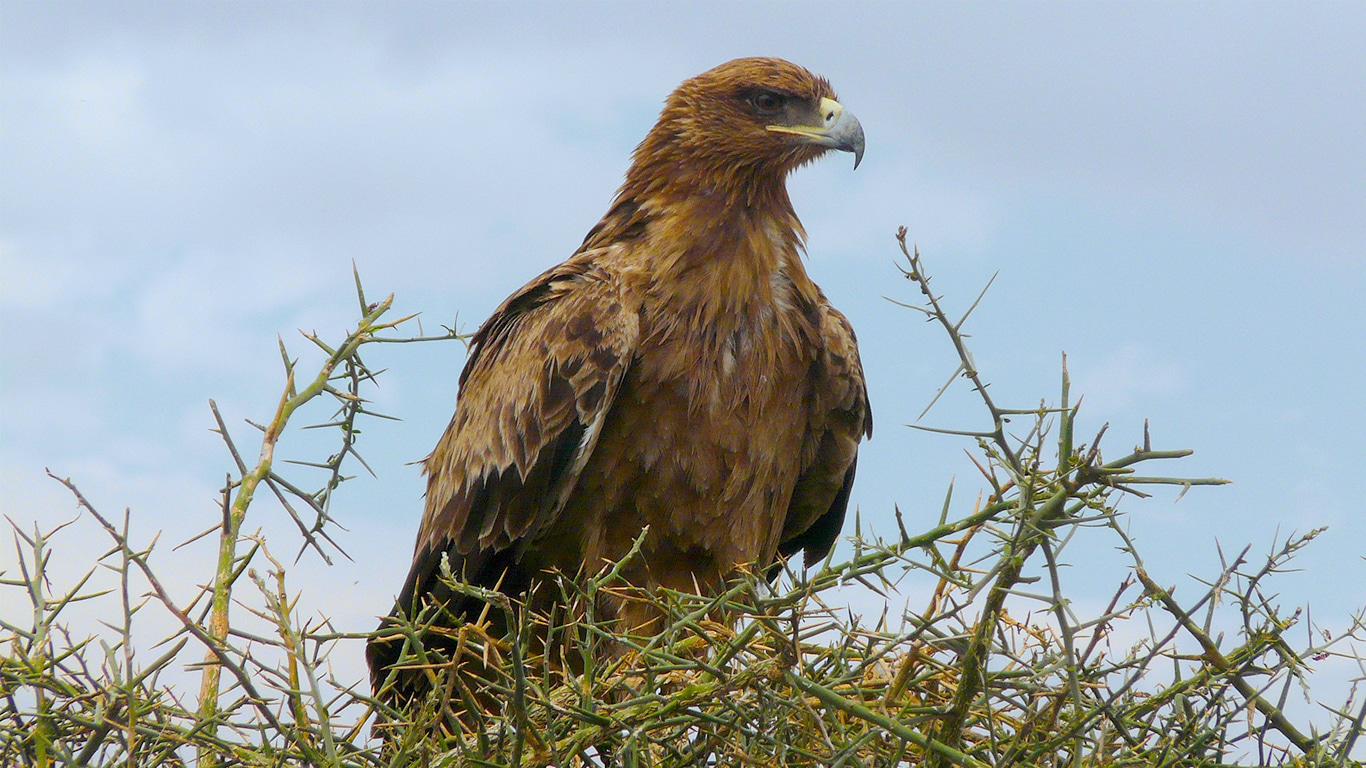
- Birding Brilliance: The stream is a haven for the Grey Crowned Crane, Tanzania’s national bird. Large flocks are often seen dancing and foraging in the nearby grasslands. Overhead, look for the Verreaux’s Eagle and the heavy-bodied Kori Bustard patrolling the riparian zone.
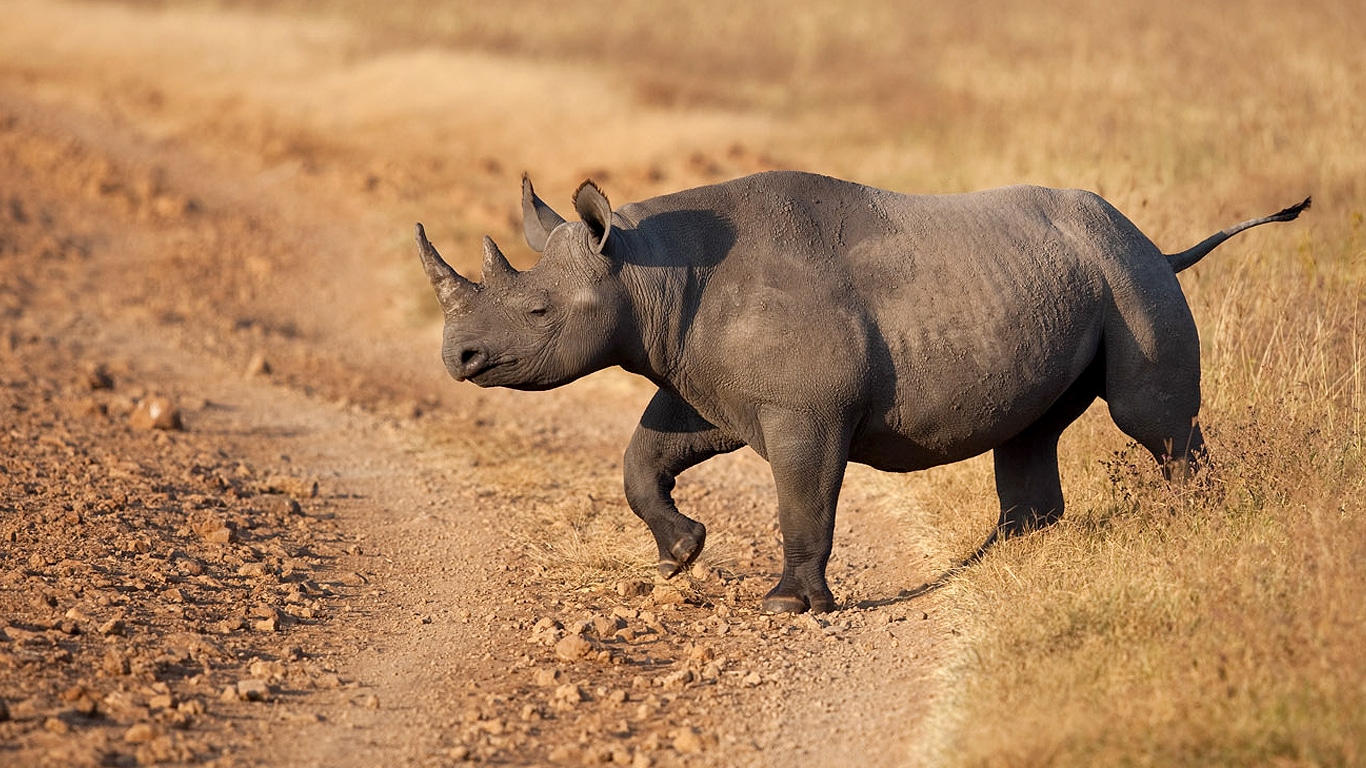
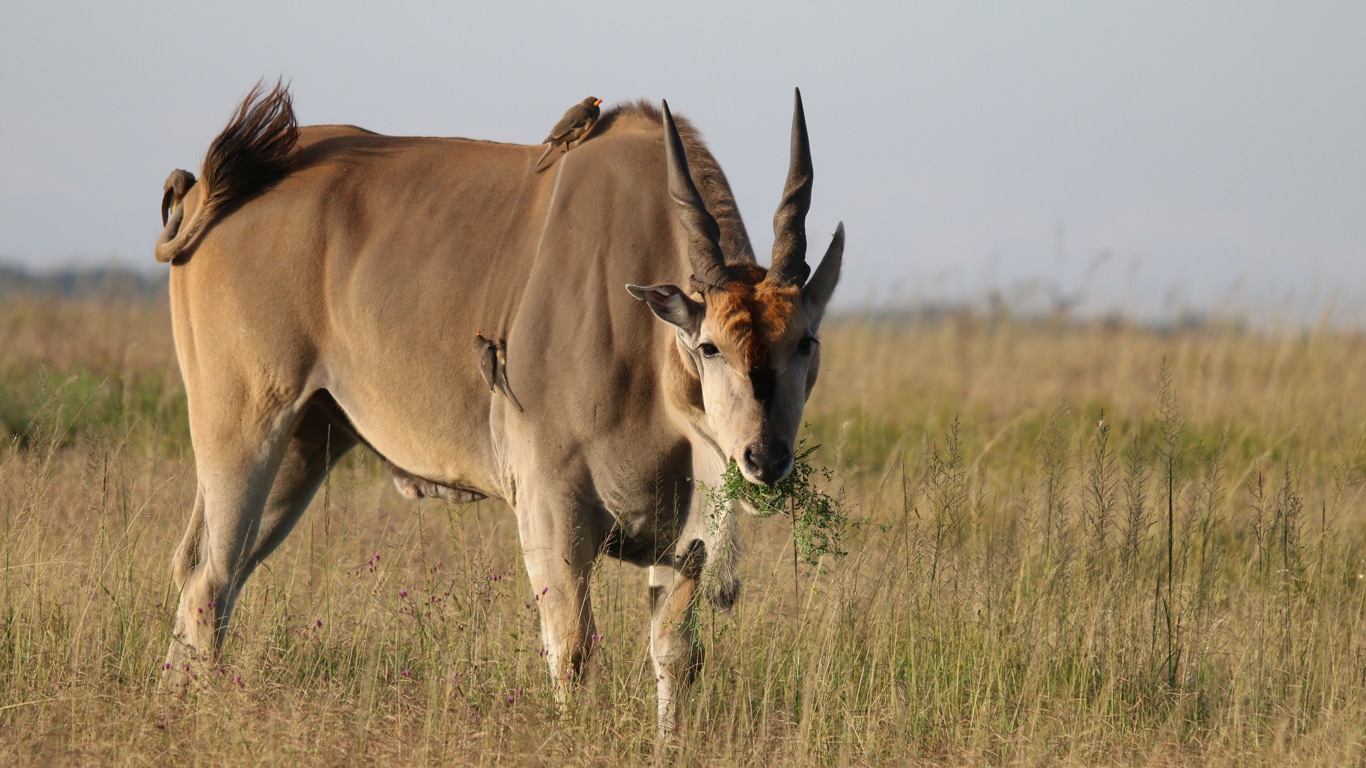
- Rare Residents: The reeds and long grasses near the water’s edge provide sanctuary for the shy Reedbuck, while the open stretches are regularly visited by Black Rhinos and huge Eland.
Seasonal Highlights
| Month | Season | Weather | Wildlife Sightings | Rec. |
|---|---|---|---|---|
| Jan | Green Season | 60 - 85 F Mostly sunny with few showers |
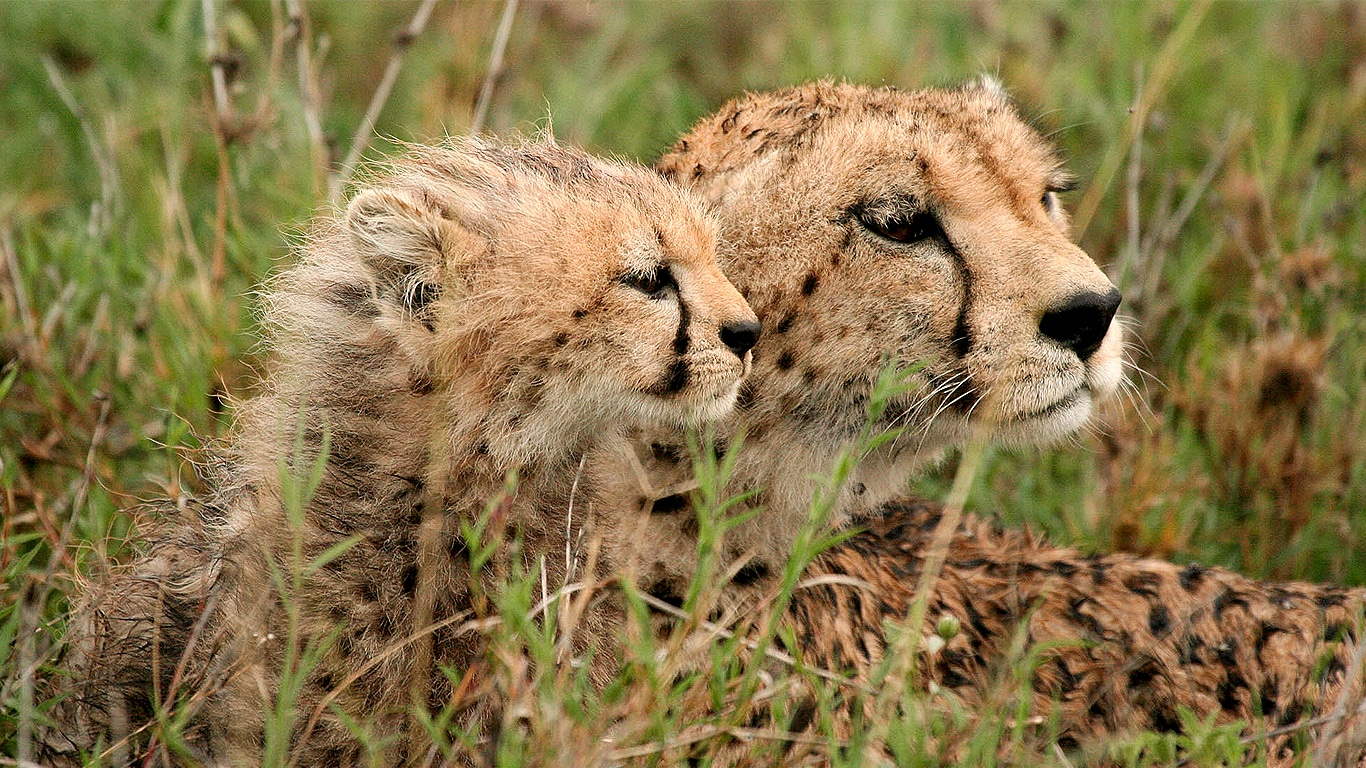
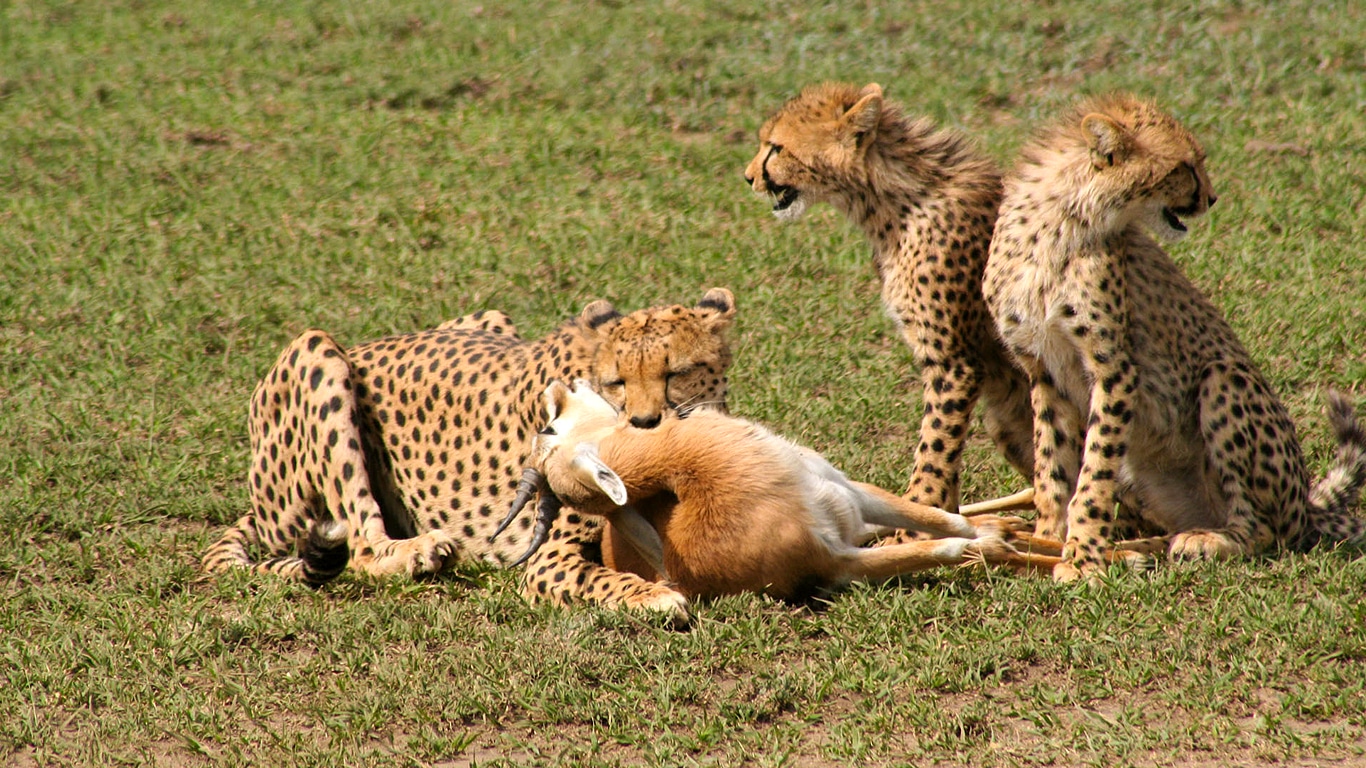
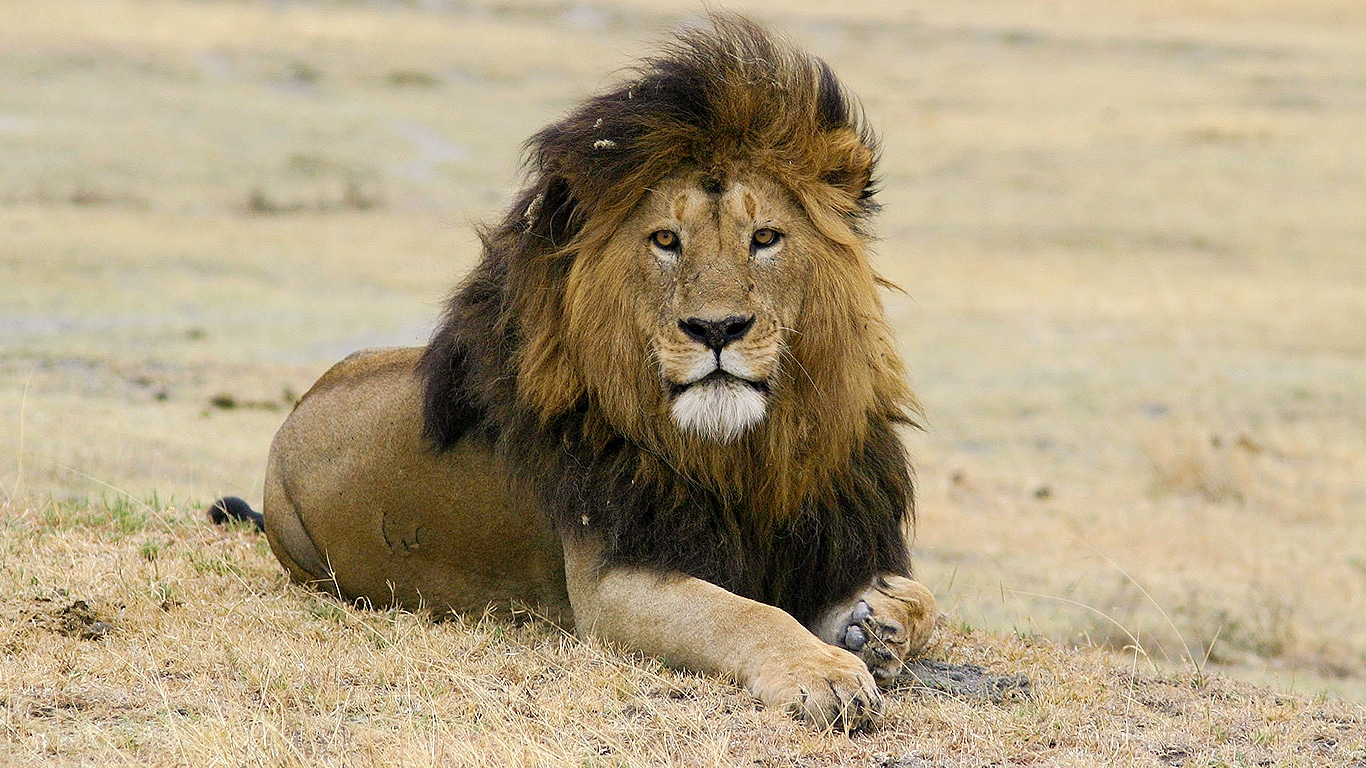
Black Rhino, Elephant, Buffalo, Lion, Cheetah | Yes |
| Feb | Green Season | 60 - 85 F Mostly sunny with few showers |
Black Rhino, Elephant, Buffalo, Lion, Cheetah | Yes |
| Mar | Green Season | 60 - 83 F Mostly sunny with few showers |
Black Rhino, Elephant, Buffalo, Lion, Cheetah | Yes |
| Apr | Green Season | 60 - 83 F Mostly sunny with few showers |
Black Rhino, Elephant, Buffalo, Lion, Cheetah | Yes |
| May | Northward Migration | 56 - 81 F Mostly sunny |
Black Rhino, Elephant, Buffalo, Lion, Cheetah | Yes |
| Jun | Beginning of Dry Season | 56 - 81 F Mostly sunny |
Black Rhino, Elephant, Buffalo, Lion, Cheetah | Yes |
| Jul | Dry Season | 60 - 83 F Mostly sunny |
Black Rhino, Elephant, Buffalo, Lion, Cheetah | Yes |
| Aug | Dry Season | 55 - 81 F Mostly sunny |
Black Rhino, Elephant, Buffalo, Lion, Cheetah | Yes |
| Sep | Dry Season | 55 - 81 F Mostly sunny |
Black Rhino, Elephant, Buffalo, Lion, Cheetah | Yes |
| Oct | Dry Season | 60 - 83 F Mostly sunny |
Black Rhino, Elephant, Buffalo, Lion, Cheetah | Yes |
| Nov | Southward Migration | 60 - 83 F Mostly sunny with few showers |
Black Rhino, Elephant, Buffalo, Lion, Cheetah | Yes |
| Dec | Beginning of Green Season | 60 - 83 F Mostly sunny with few showers |
Black Rhino, Elephant, Buffalo, Lion, Cheetah | Yes |
Nearby Lodges
Nearby Attractions


What are you waiting for?
Create Your Own Itinerary
Receive instant day-by-day trip details designed just for you including rates, seasonal highlights, guest testimonials, photos & more!
Get In Touch
Our Safari Specialists Are Ready to Help Kickstart Your Adventure
Toll-Free
US Office
31244 Palos Verdes Dr. West, Suite 239 Rancho Palos Verdes, CA 90275
Hours: Daily 8AM - 8PM PST
Drop Us A Line
Leave your contact info below