Serengeti Lion Project:The World’s Longest Study



The Legend of the Serengeti Lion
The lion (Panthera leo) is the undisputed symbol of the African wild, but our understanding of them changed forever in 1966. That year, George Schaller began a groundbreaking field study in the Central Serengeti that transformed global conservation. Before this study, park wardens often “culled” predators, believing they decimated prey populations. Schaller’s research proved the opposite: predators do not limit prey numbers, and a healthy ecosystem requires both to thrive.
Lion Biology & Social Dynamics
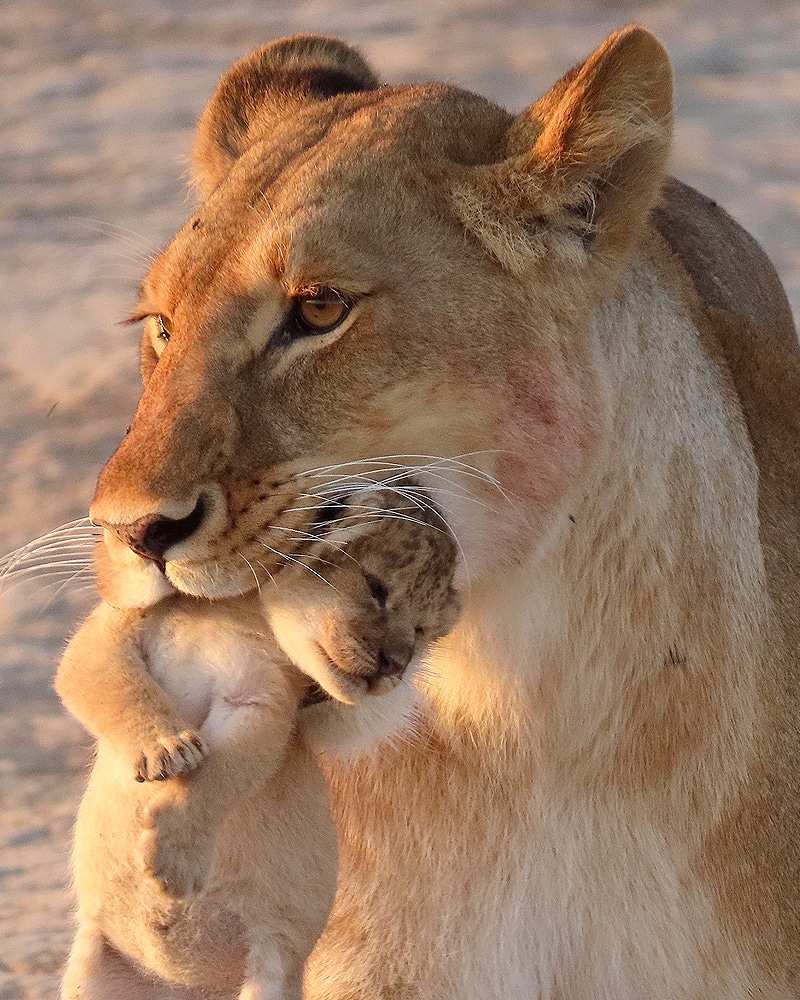
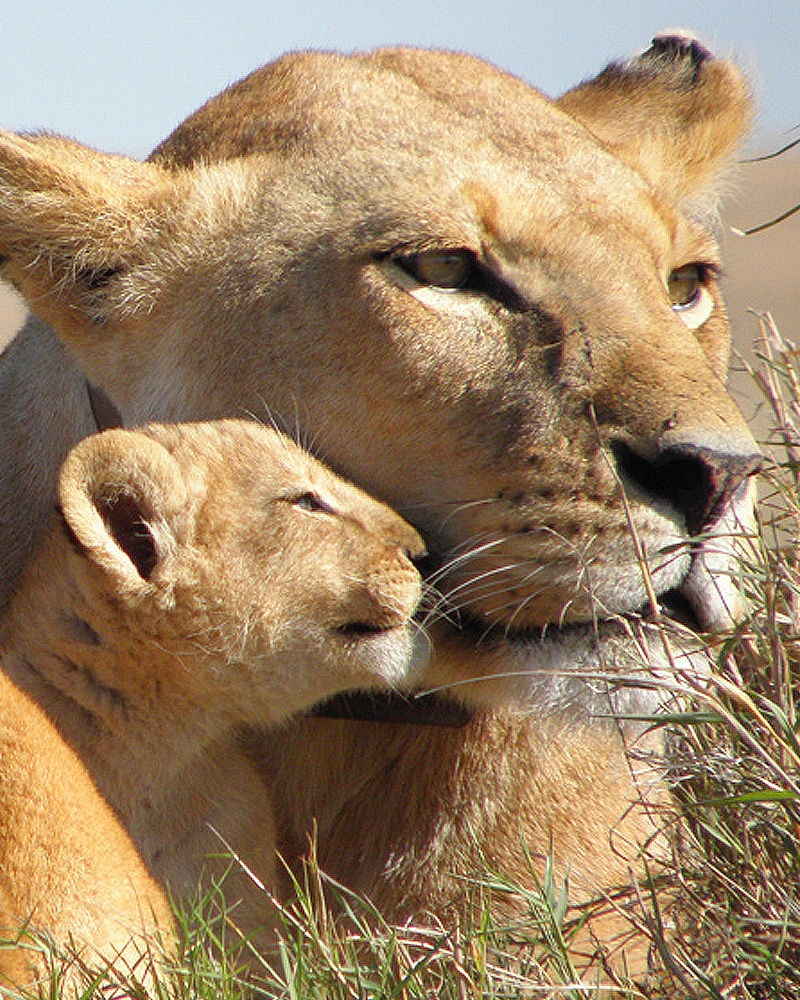
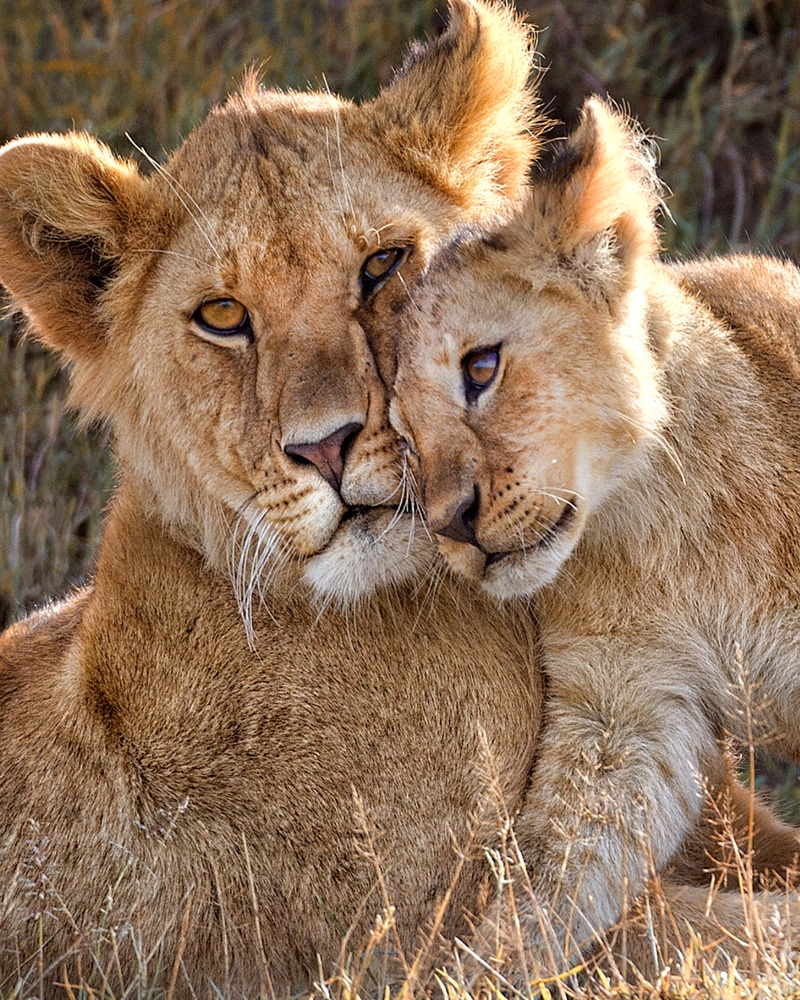
- The Pride Structure: Lions are the only truly social cats. A pride is a complex matriarchy consisting of related females and their cubs. This social bond allows for “communal crêching,” where lionesses suckle one another’s cubs.
- Coalitions: Males form “coalitions” (often brothers or half-brothers) to seize and hold a pride. Their iconic manes aren’t just for show; they protect the neck during fights and signal health and testosterone levels to potential mates.
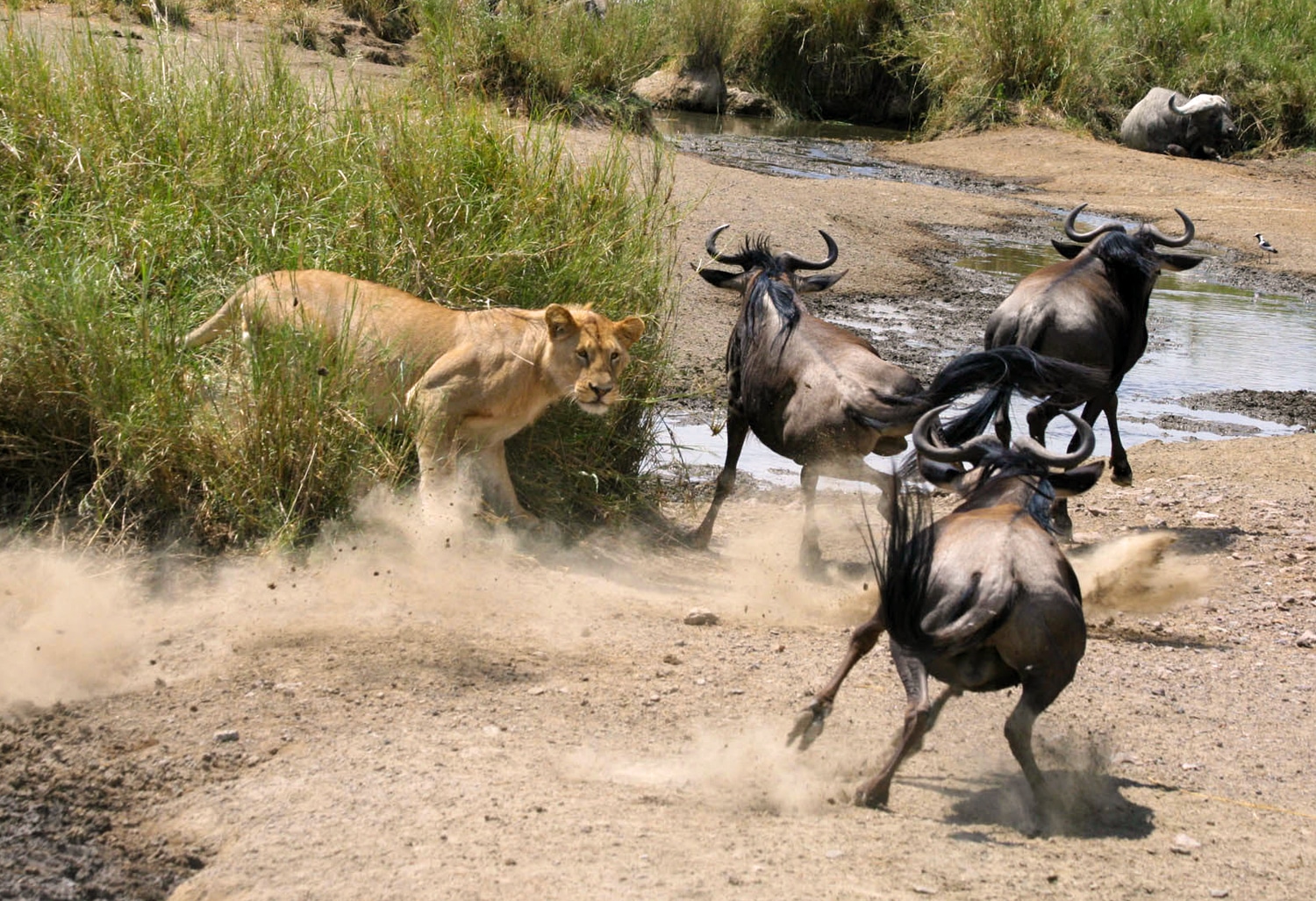
- The Apex Hunter: While they are famous for daytime lounging, lions are master nocturnal hunters. Their eyes possess a tapetum lucidum, a reflective layer that amplifies starlight, giving them vision six times better than a human’s in the dark.
The Project Today
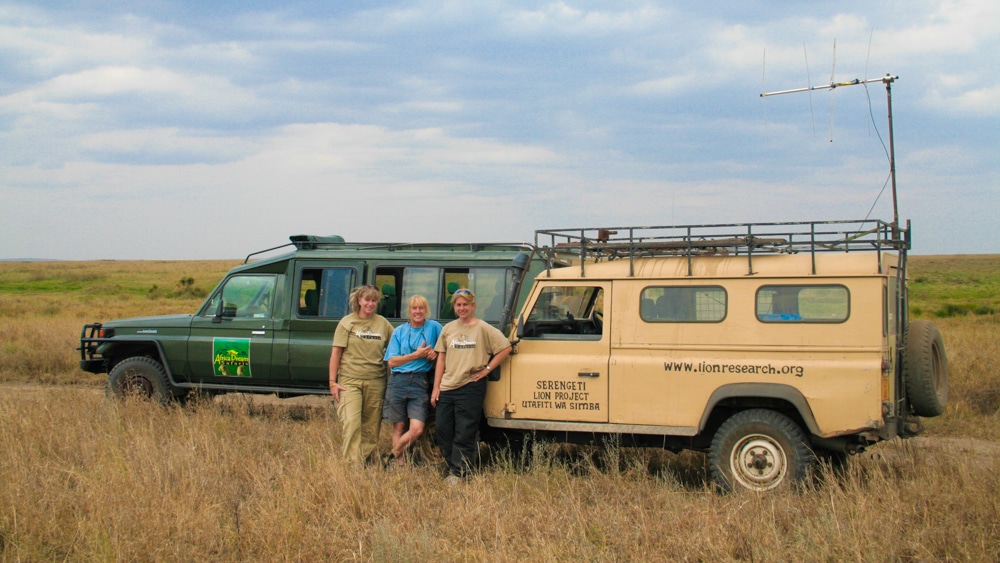
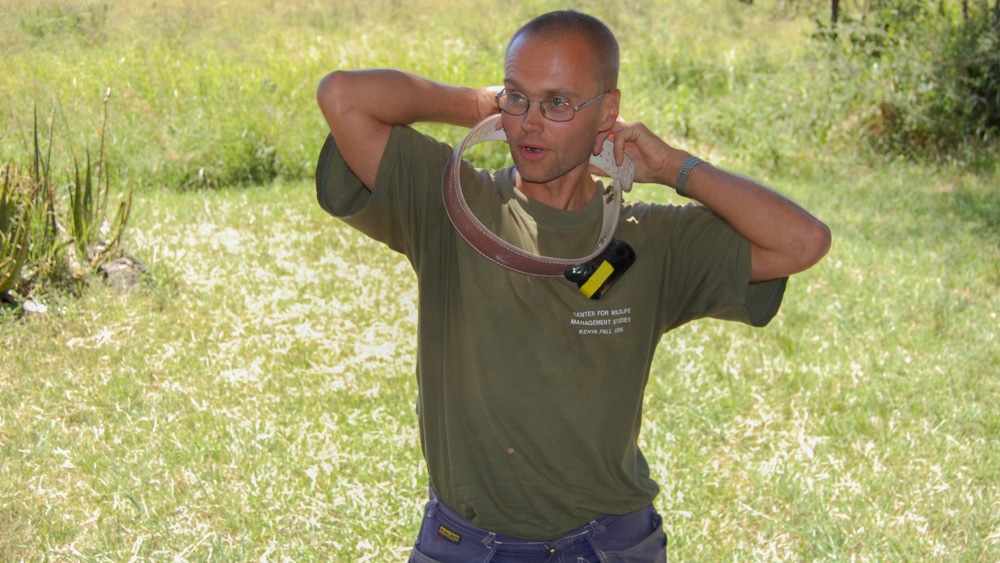
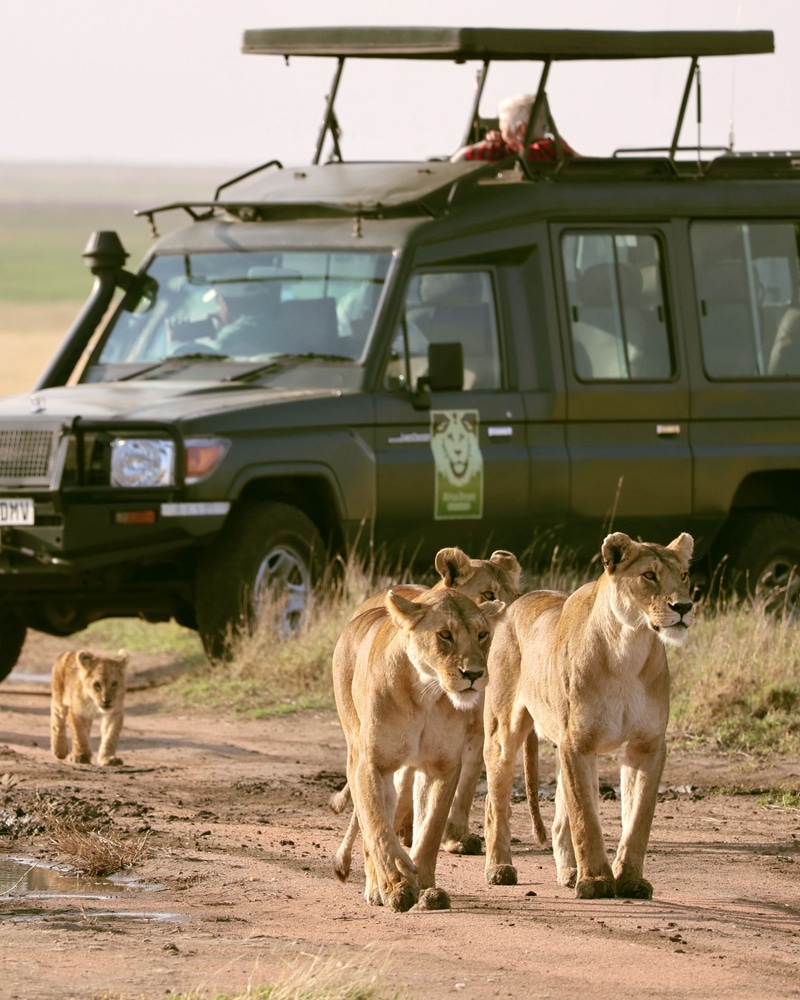
Managed by the University of Minnesota, the project monitors 26 resident prides. One female from each pride wears a radio collar, allowing biologists to track them weekly. This is the longest continuous study of any large land mammal in history.
Pro Tip for ADS Guests: We offer an exclusive opportunity to meet the scientists on the front lines.
- Lion House Visit: Arrange a private talk at the Lion House in Seronera.
- Sametu Camp Presentation: For guests at Sametu, we can arrange for biologists to visit for an intimate evening presentation.
- Group Donation: $600–$750.