Gibbs Farm
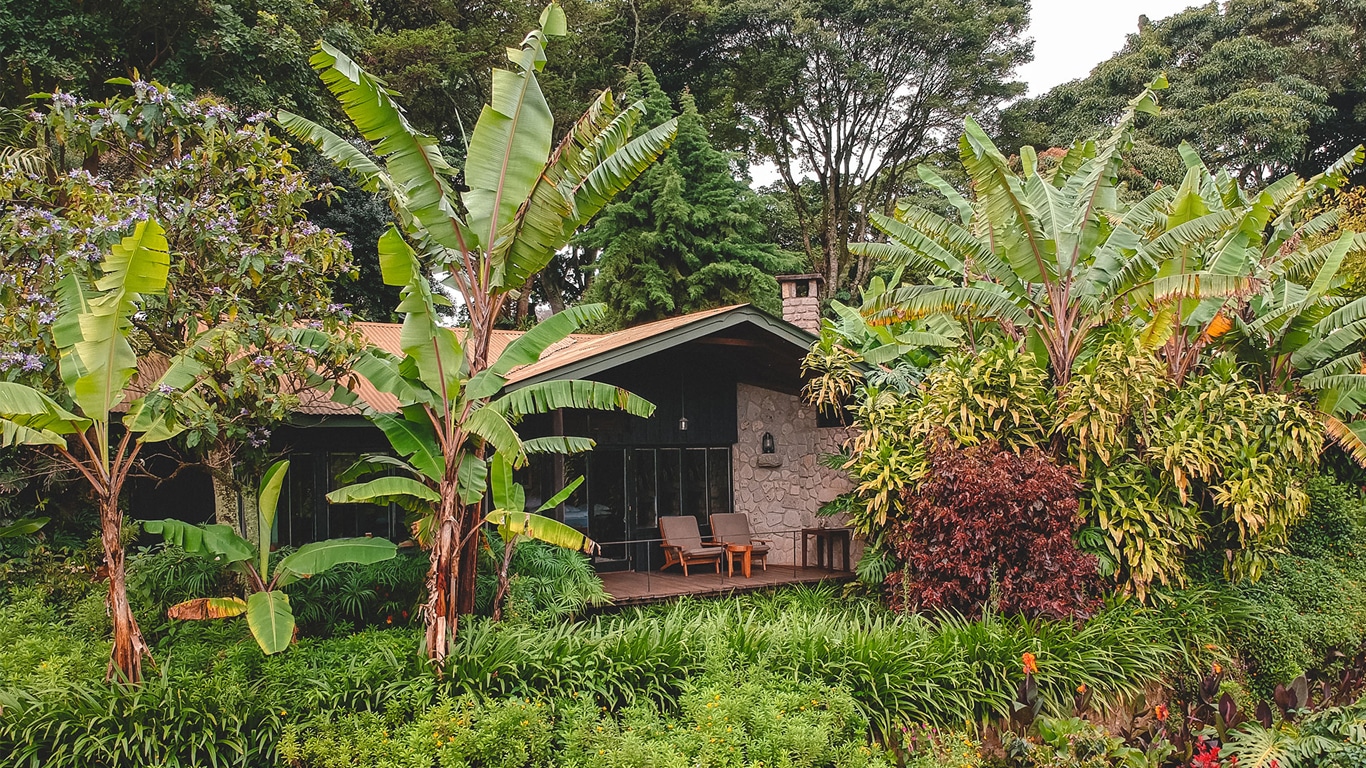
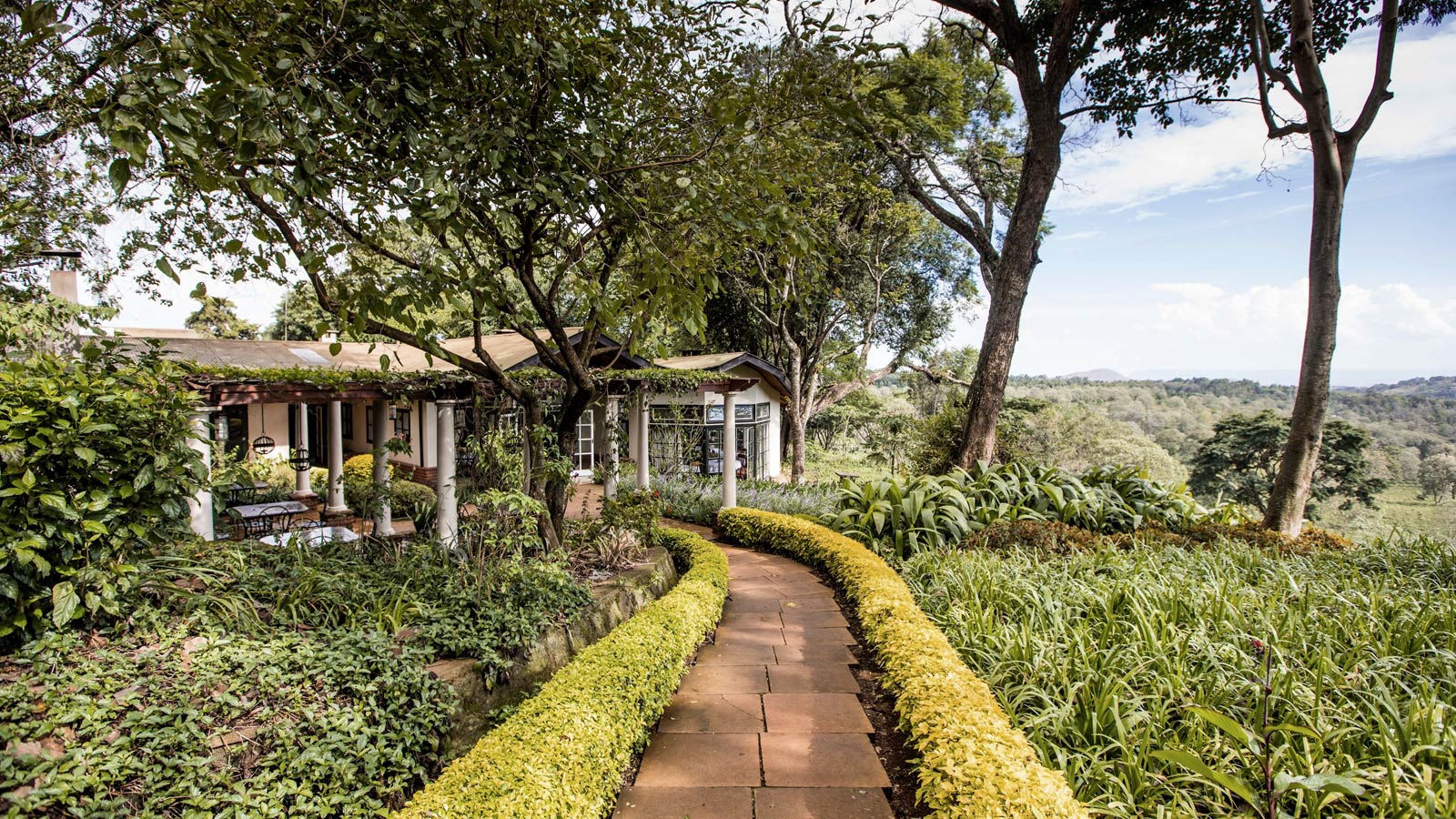
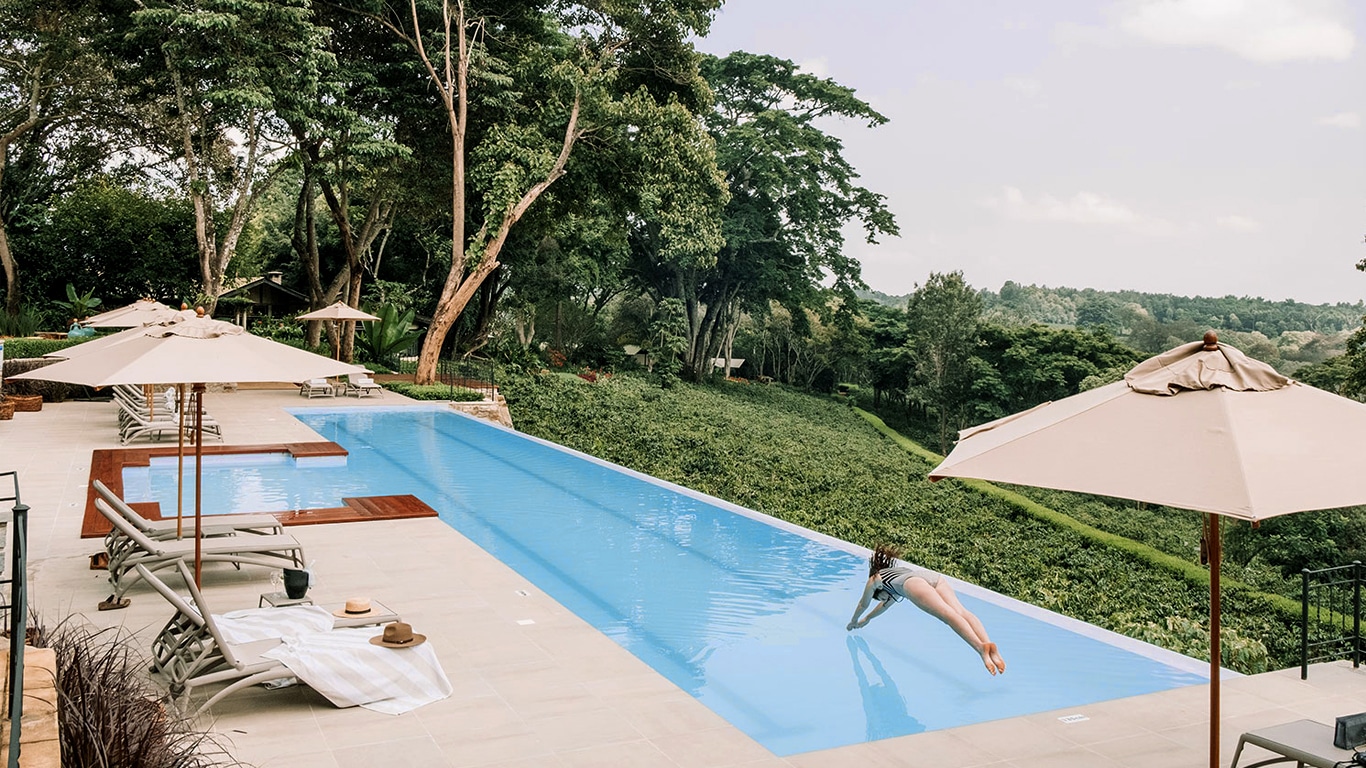
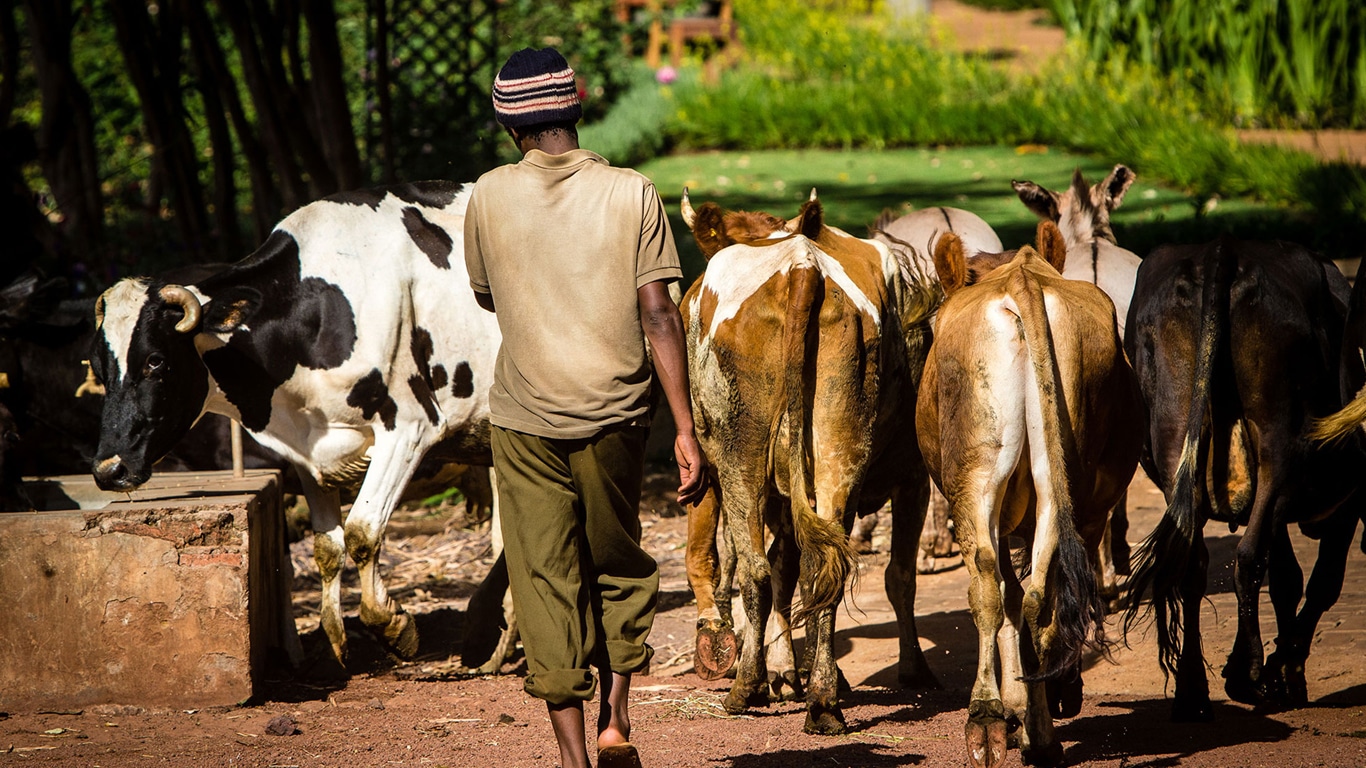
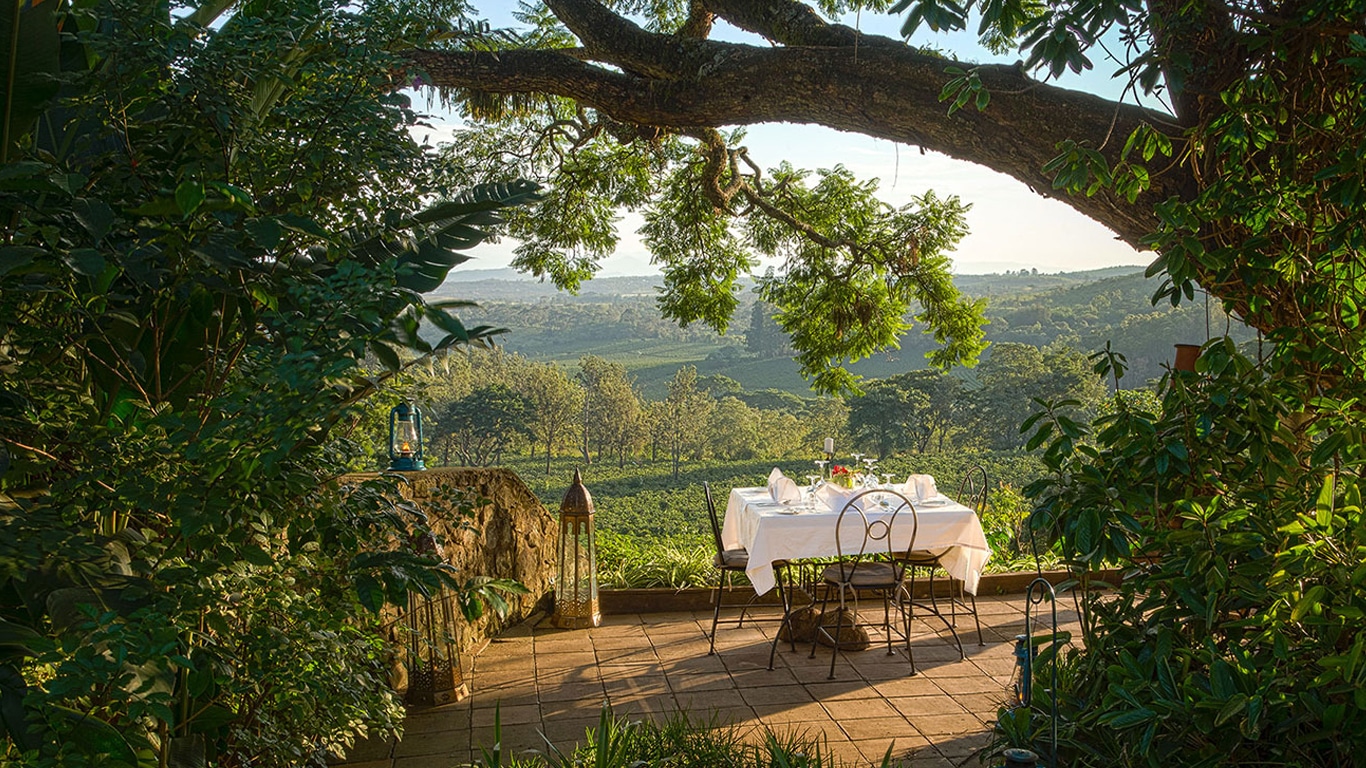
A historic sanctuary on the forested slopes of Ngorongoro. For over 40 years, this working coffee farm has restored weary safari-goers with its 10-acre organic gardens, farm-to-table cuisine, and charming cottages that celebrate the peaceful rhythm of highland life.
Details
Gibb’s Farm is a “fantasy turned reality” for those who seek to reconnect with the earth. Originally established as a coffee plantation in the late 1920s and famously restored by James and Margaret Gibb in 1948, this is one of the oldest and most beloved guesthouses in Northern Tanzania. It is a warm, friendly community where the “rhythm of farm life” serves as a natural medicine for the weary traveler.
A Legacy in Every Acre: The History of Gibb’s Farm
Gibb’s Farm isn’t just a place to stay; it is a living timeline of the Ngorongoro Highlands. Its history stretches from ancient migrations to colonial coffee pioneers and the birth of Tanzanian tourism.
- Ancient Roots (2,000 Years Ago): The fertile slopes were first cultivated by the Mbulu (Iraqw) people, a Cushitic group from Ethiopia and Yemen. Their agricultural expertise laid the foundation for the region’s productivity long before European arrival.
- The Maasai Influence: In the late 1700s, the Maasai arrived but eventually moved to lower lands better suited for cattle, leaving the highlands to their agricultural neighbors.
- The German Coffee Era (1920s): Following a period of German settlement in the late 1800s, a German farmer established the coffee farm in the late 1920s, subsidized by the German government.
- War and Neglect: During World War II, the British government seized the property as “enemy property.” The farm fell into a state of neglect throughout the war years.
- The Gibb Restoration (1948): James Gibb, a British war veteran, purchased the derelict farm in 1948 and returned it to its former glory. In 1959, he married Margaret, a local-born Tanzanian of British descent and a passionate gardener.
- Pioneering Tourism (1972): As the Ngorongoro Conservation Area gained international fame, the Gibbs built the first guest cottages in 1972. This made Gibb’s Farm one of the very first guesthouses in Northern Tanzania.
A New Chapter (2003): After Margaret Gibb ran the farm for decades following James’s death, the legacy was passed to new investors—long-time loyal guests—who have meticulously upgraded the cottages while preserving the “rhythm of farm life.”
Gibb’s Farm offers an extensive menu of activities (note: extra costs may apply for some).
- African Living Spa: A complete sensory journey based on indigenous Maasai healing techniques passed down through generations.
- Indigenous Medicine Walk: Join Ole Labiki Menyengera, the farm’s Maasai healer, to discover over 20 medicines like Olemoran and Osinoni in the Ngorongoro Forest.
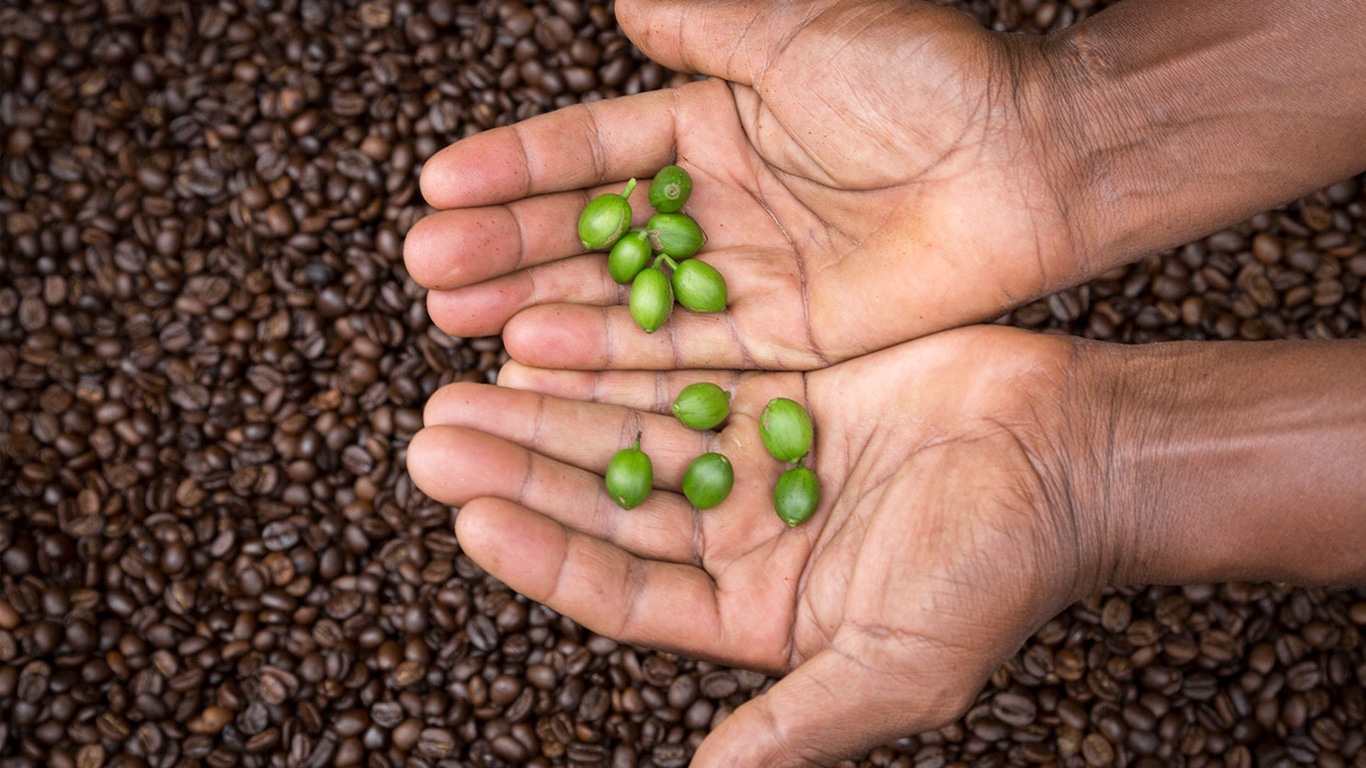
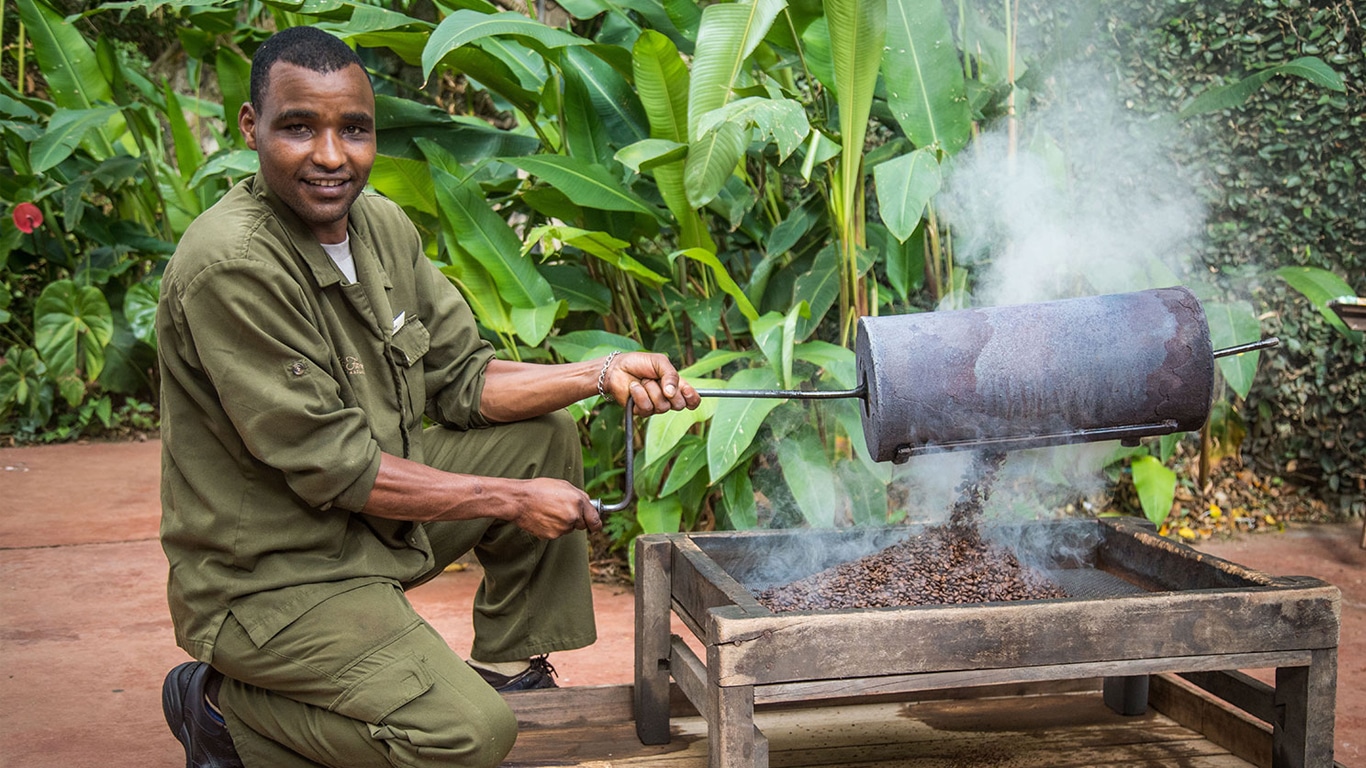
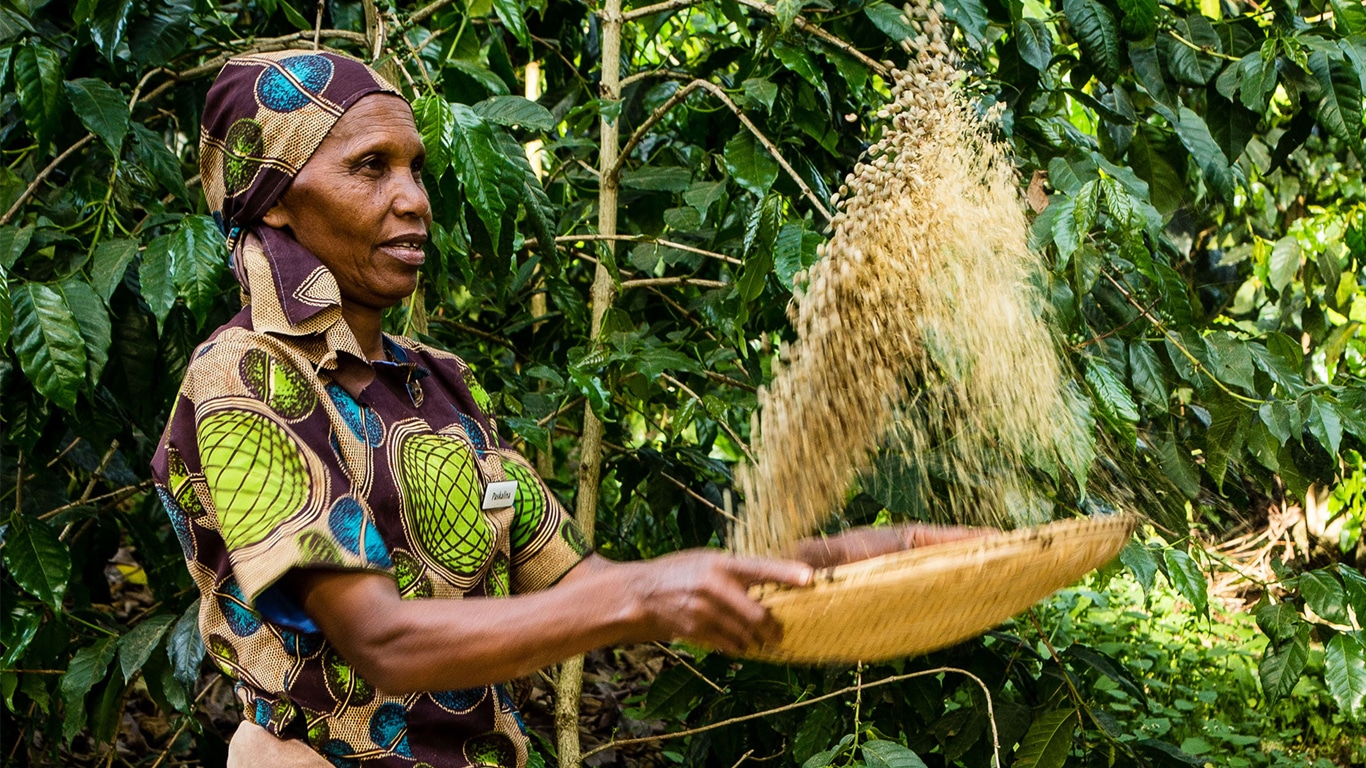
- Coffee Roasting: Experience the daily ritual of cultivating, processing, and roasting organic coffee right at the Farmhouse.
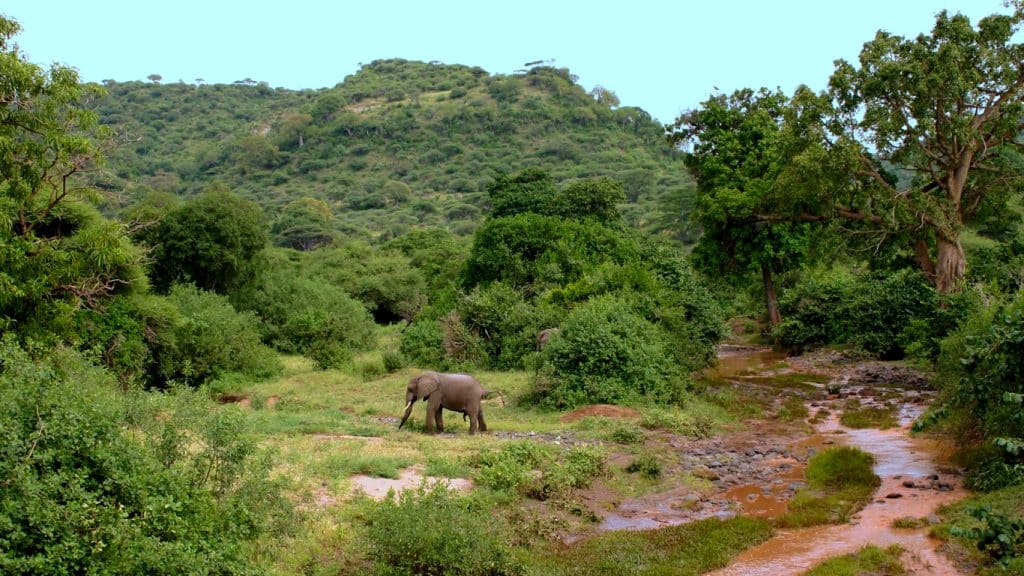
- Waterfall & Elephant Caves: A light hike into the forest highlands to a majestic waterfall and caves created by elephants digging for vitamin-rich soil.
- Cultural Village Journey: Explore Tloma Village by bike or foot. Meet a local family, learn about Iraqw pottery, and try your hand at pounding grain.
- Village & Town Tours: Take a 1–2 hour leisurely walk through Tloma Village or wander the markets and small businesses of Karatu Town.
- Tloma Primary School Visit: Visit the local school that Gibb’s Farm has supported for years to observe the challenges and triumphs of rural education.
- Bicycling: Explore the back roads of the village or take a more adventurous mountain bike day trip to Rotiea.
The Tactical Advantage:
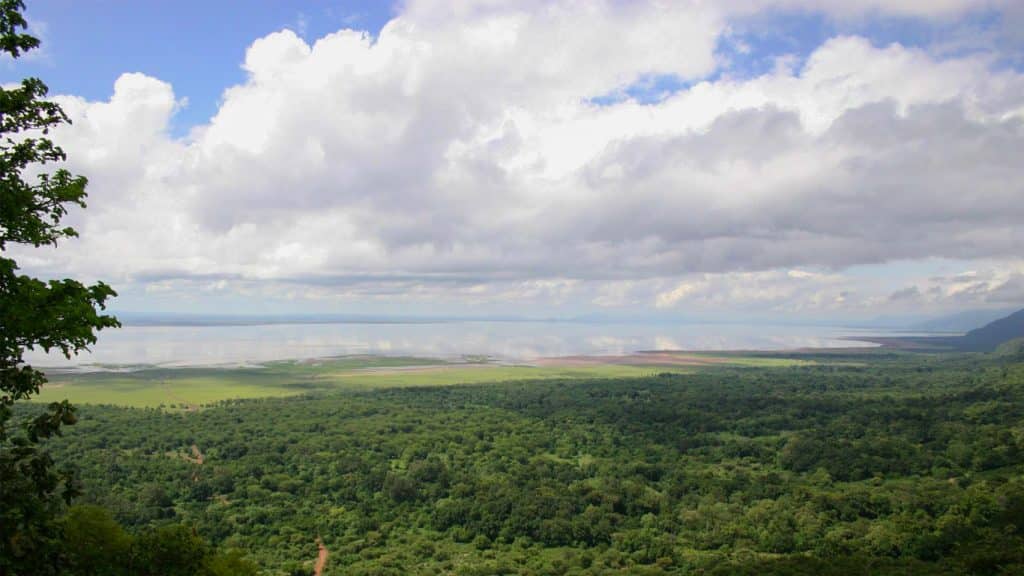
- Strategic Reset: Positioned exactly halfway between Lake Manyara and the Ngorongoro Crater, it is the ultimate “restoration point” between game drives.
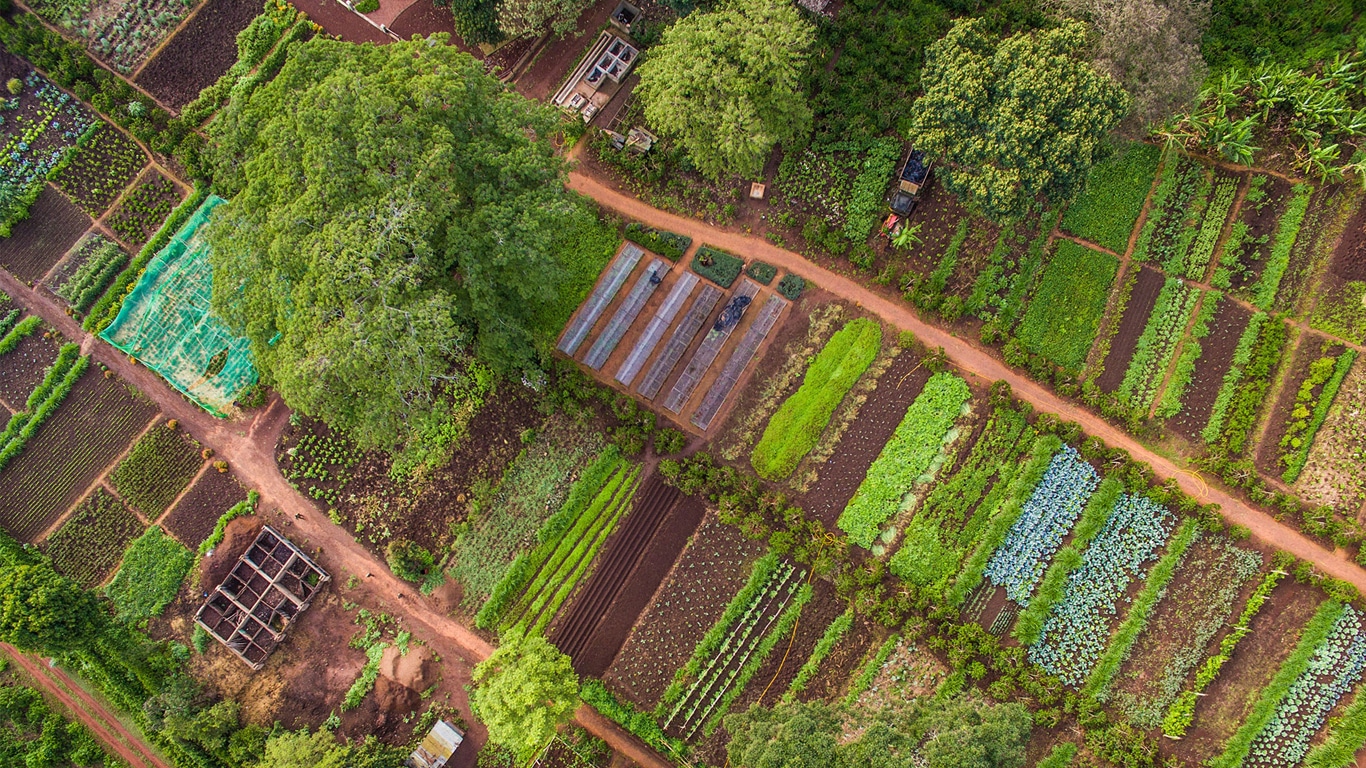
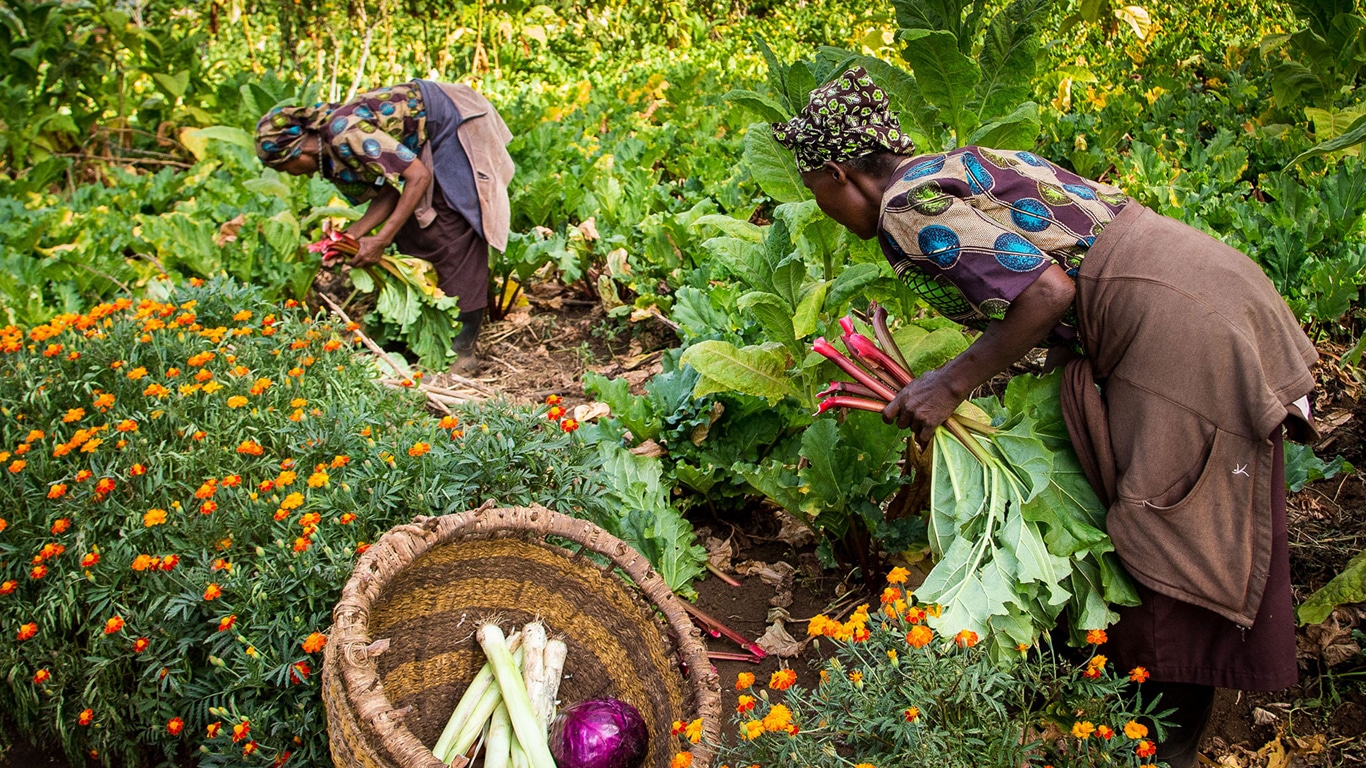
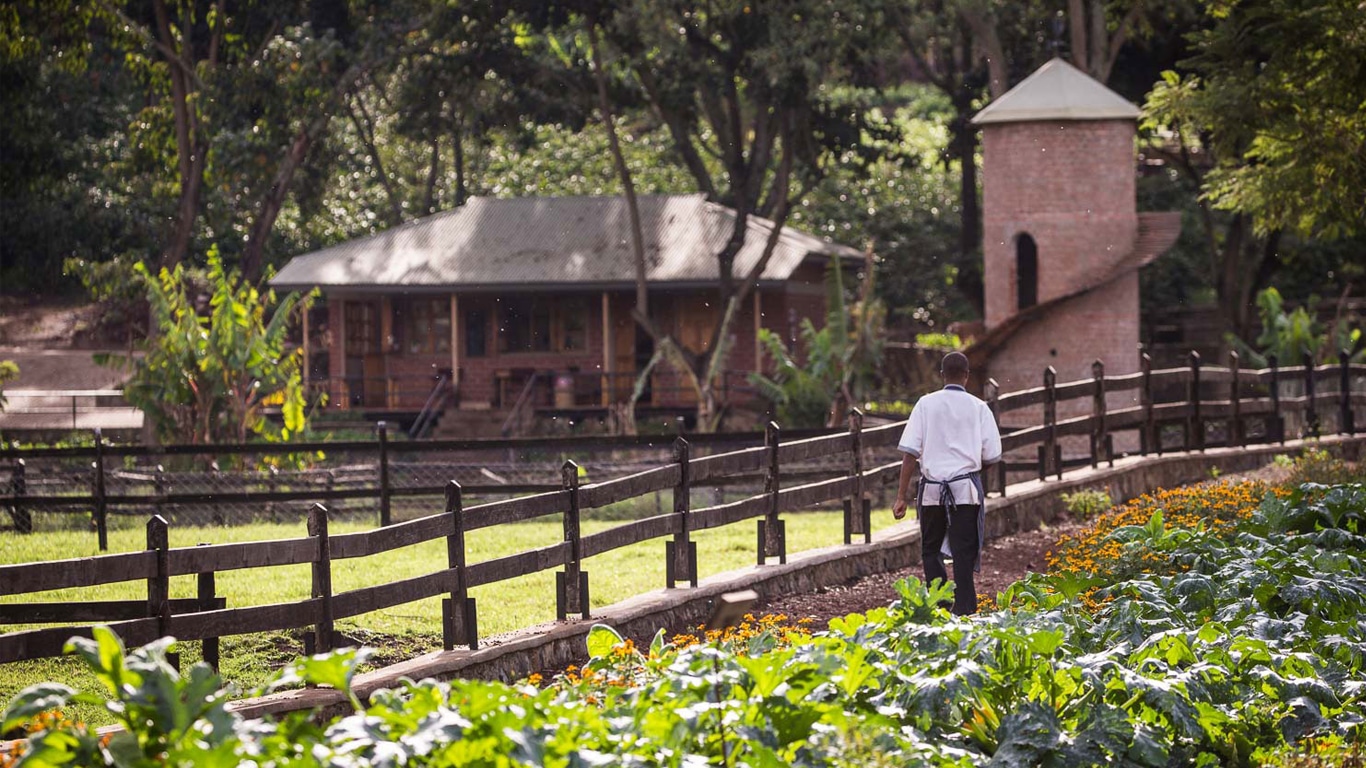
The 90% Rule: A vast 10-acre organic garden provides 90% of the ingredients for the farm’s home-cooked meals.
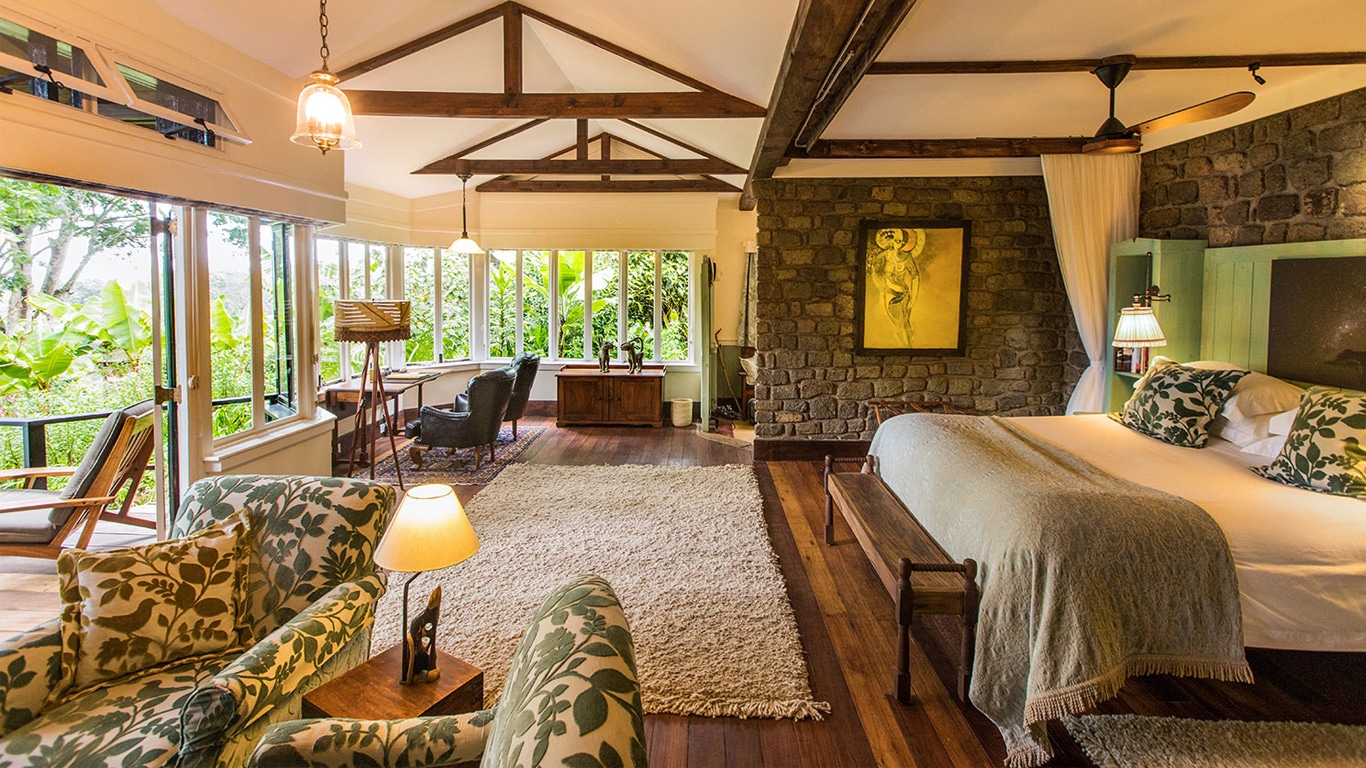
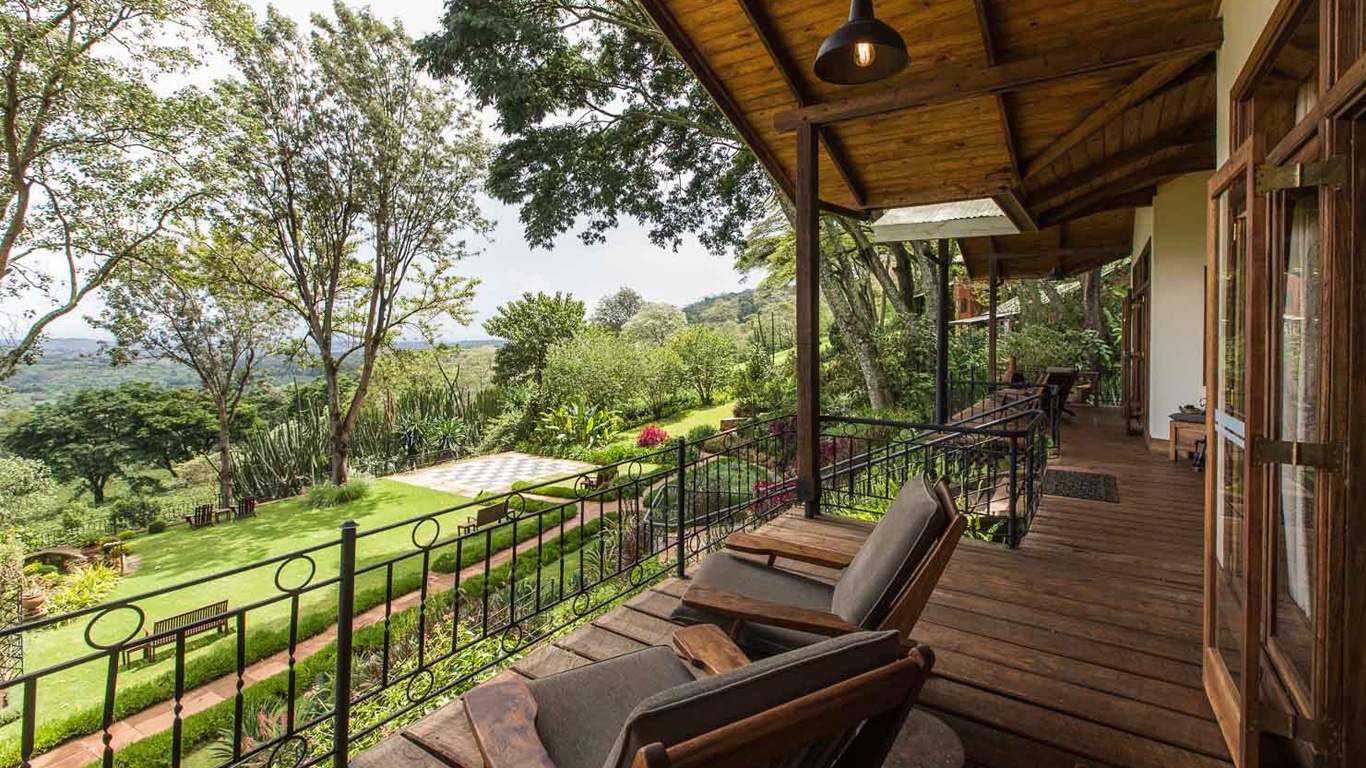
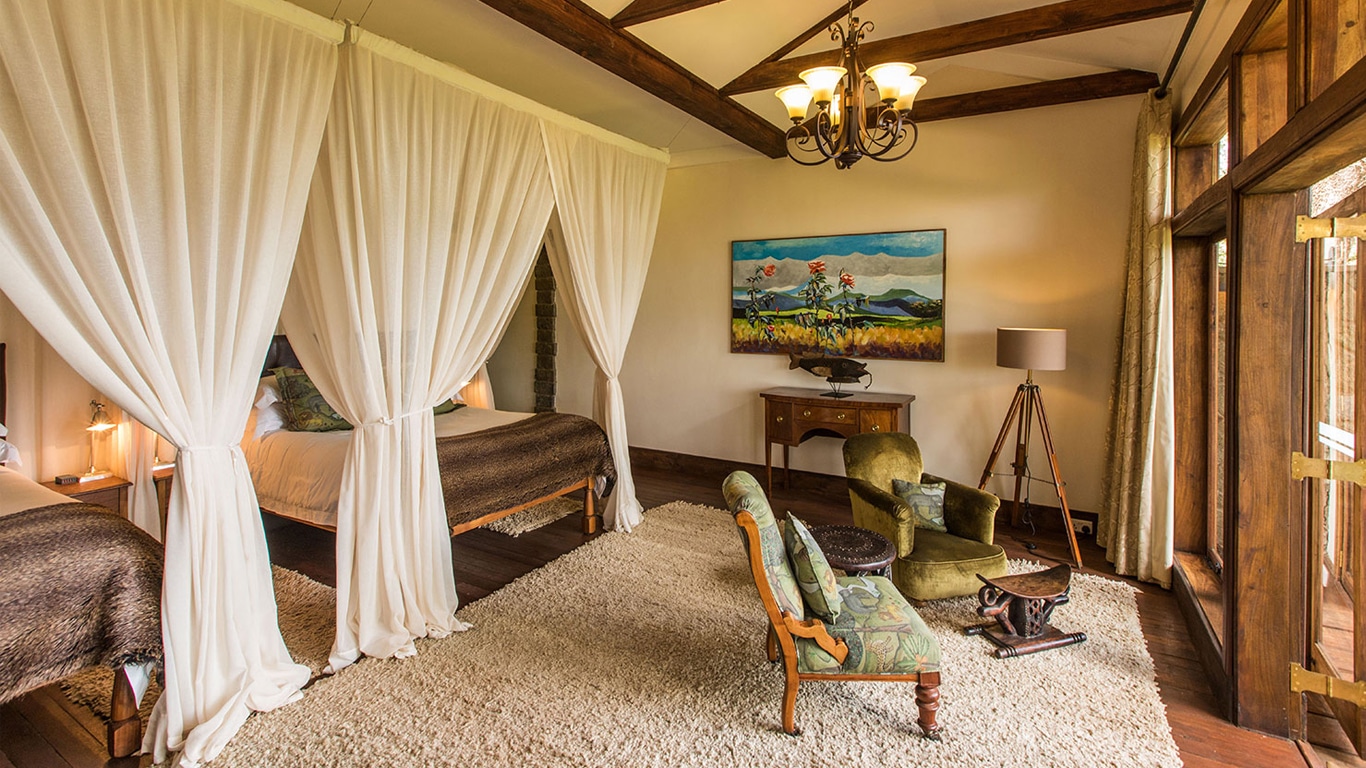
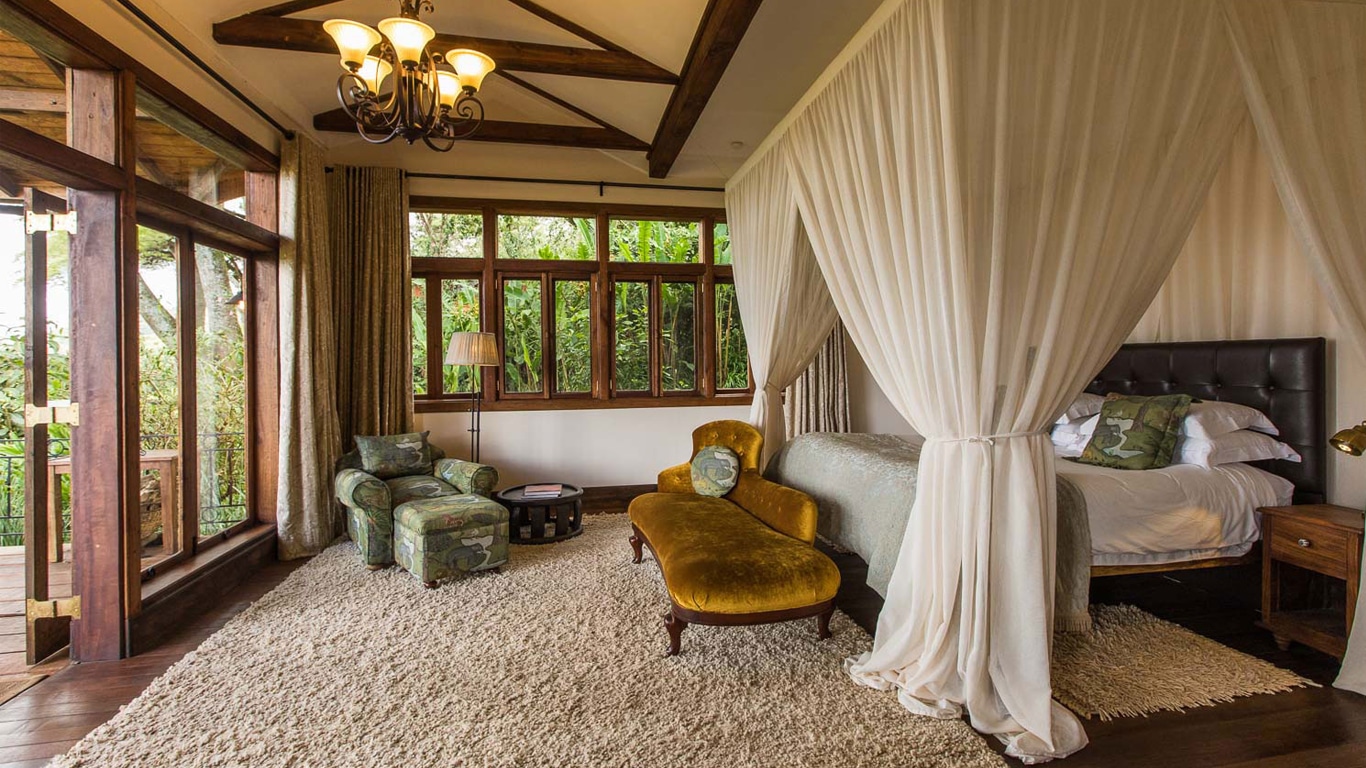
The Farm Cottages The 20 en-suite cottages have been recently upgraded with more windows to bring the Ngorongoro Forest Reserve into view.
- Classic Interiors: Featuring rich wooden floors, wraparound windows, and private verandas with direct garden access.
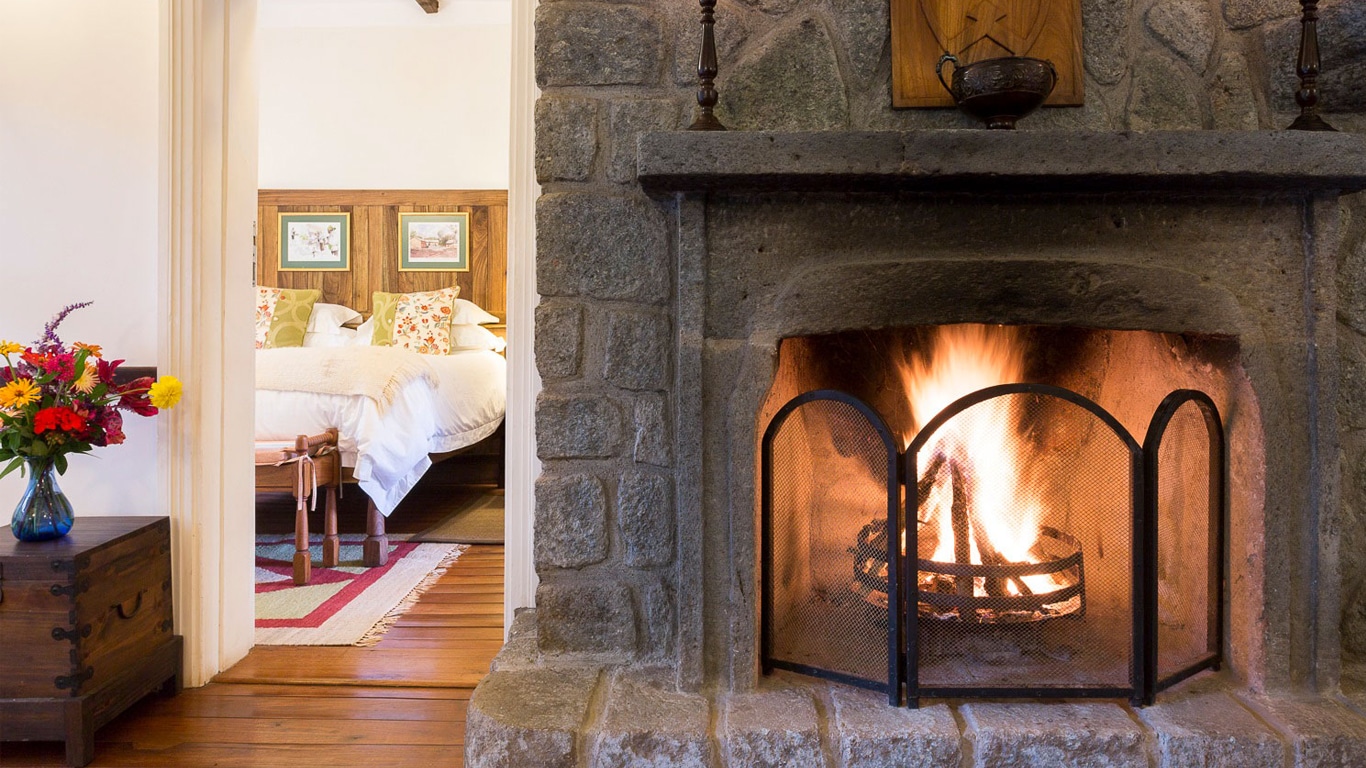
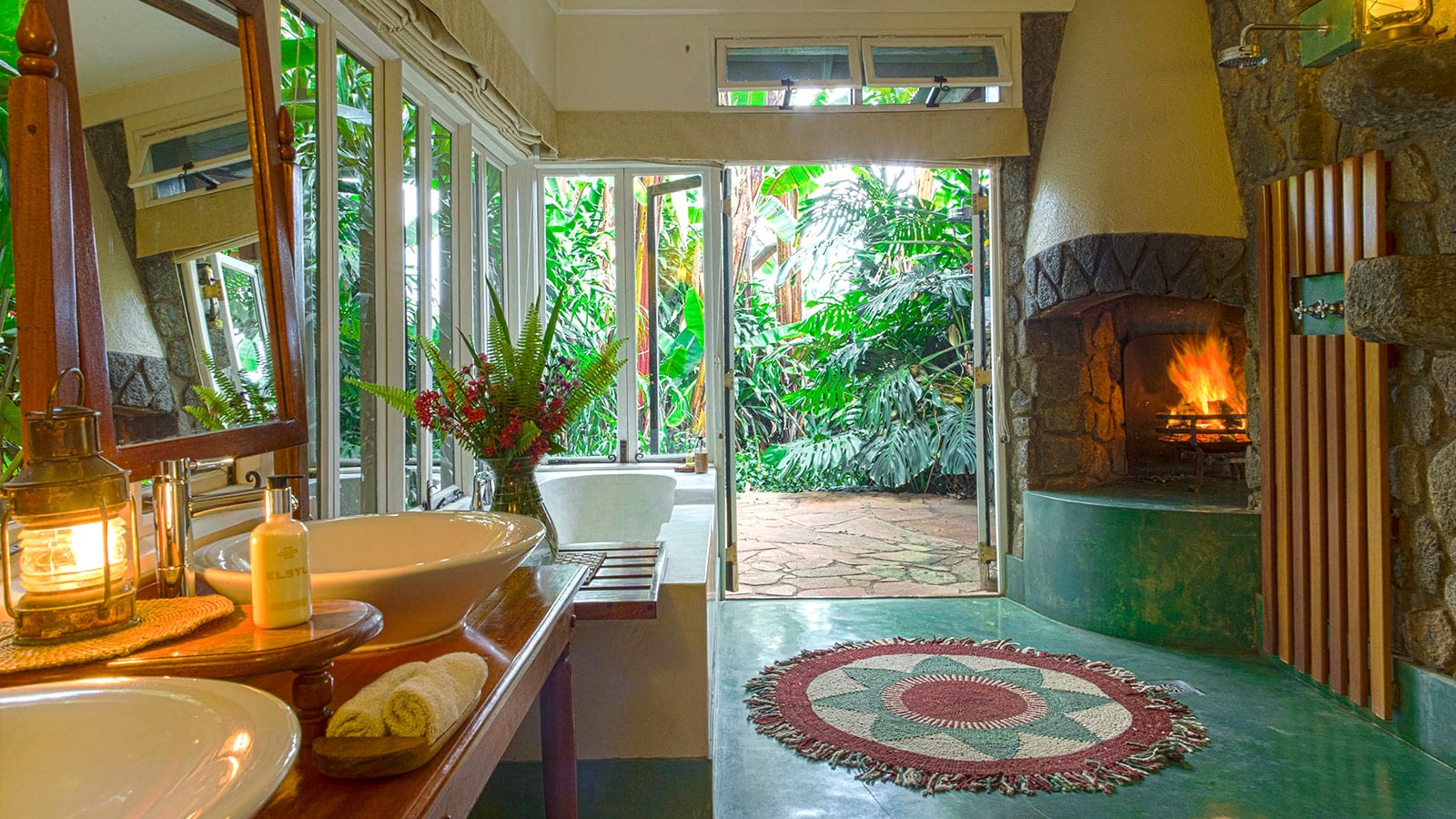
- Double Warmth: A wraparound fireplace warms both the living area and the bathroom simultaneously.
Garden Bathrooms: Spacious retreats featuring twin basins, luxurious bathtubs, and the signature choice of indoor or outdoor showers.
The Harvest Table
- Seed-to-Cup: Enjoy the aroma of coffee grown, processed, and roasted daily on the farm.
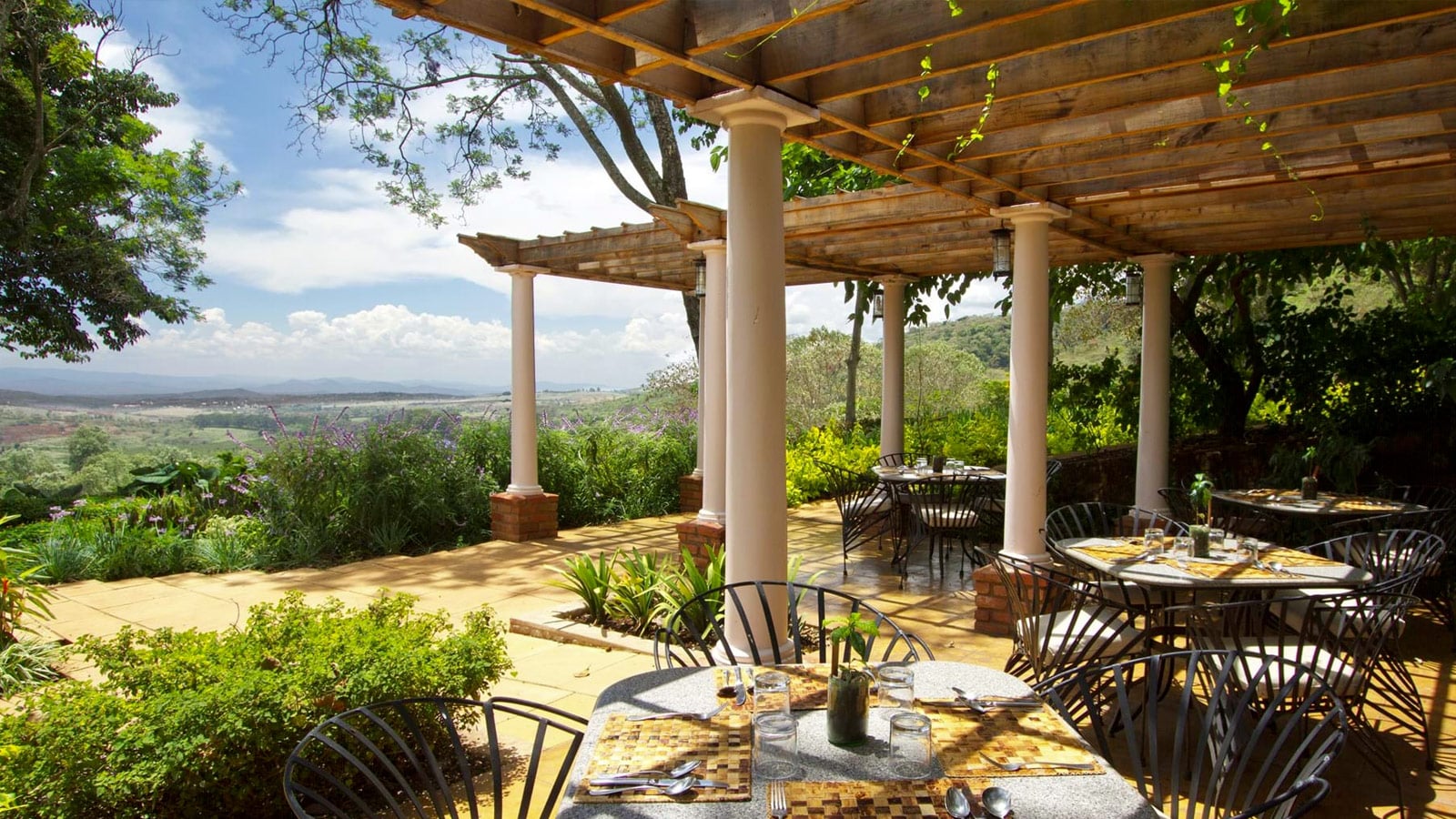
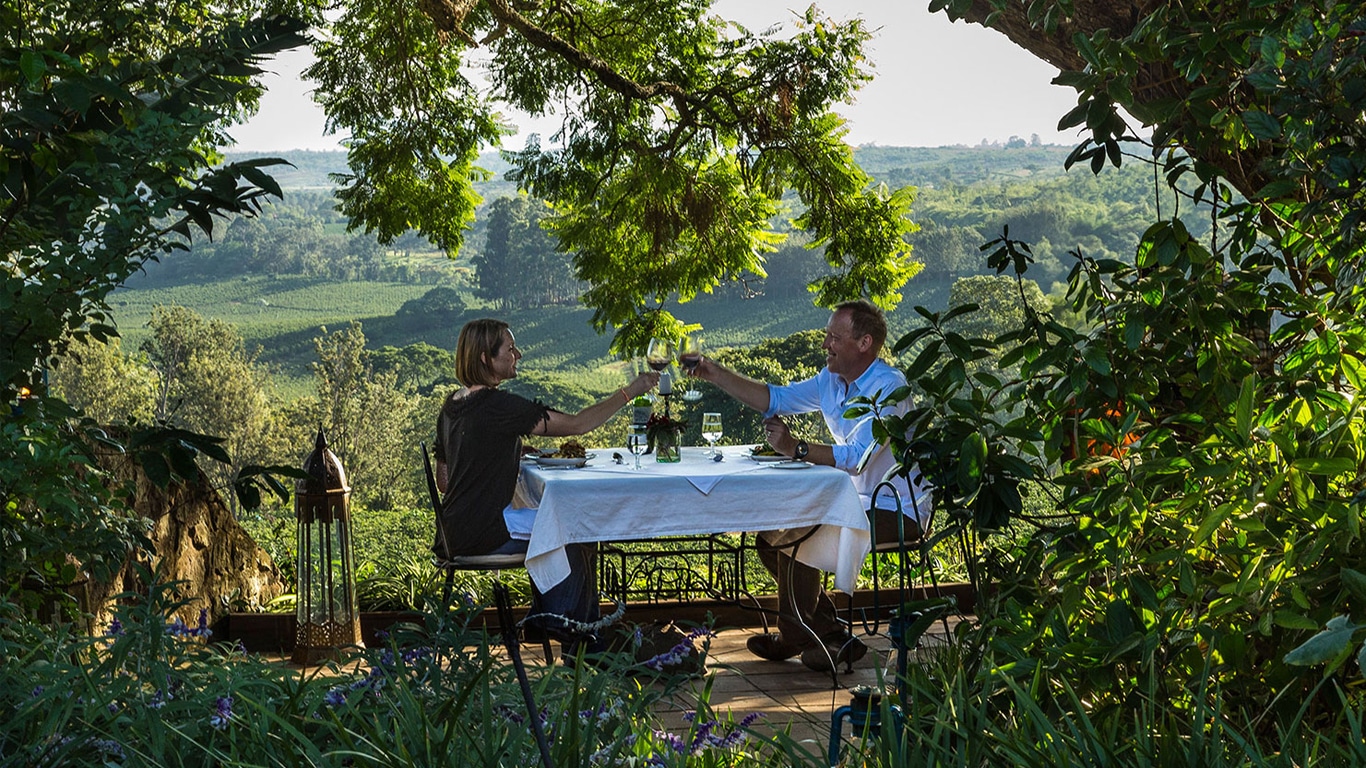
- Farm-to-Table: Fresh, organic meals are prepared daily using the 10-acre garden’s bounty, offering a clean and restorative dining experience.
Nearby Attractions
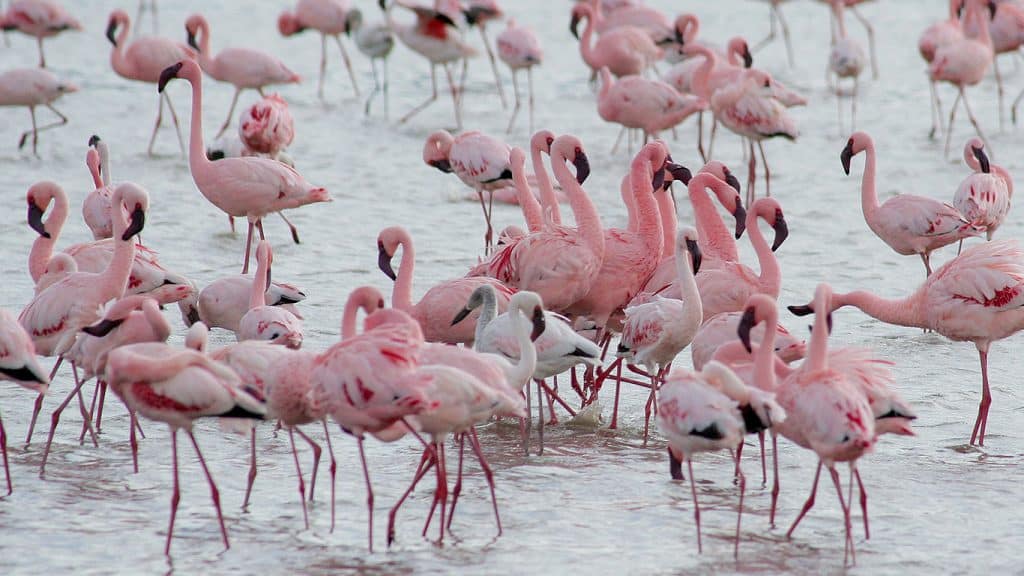
Seasonal Highlights
| Month | Season | Weather | Wildlife Sightings | Rec. |
|---|---|---|---|---|
| Jan | Green Season | 60 - 85 F Mostly sunny with few showers |
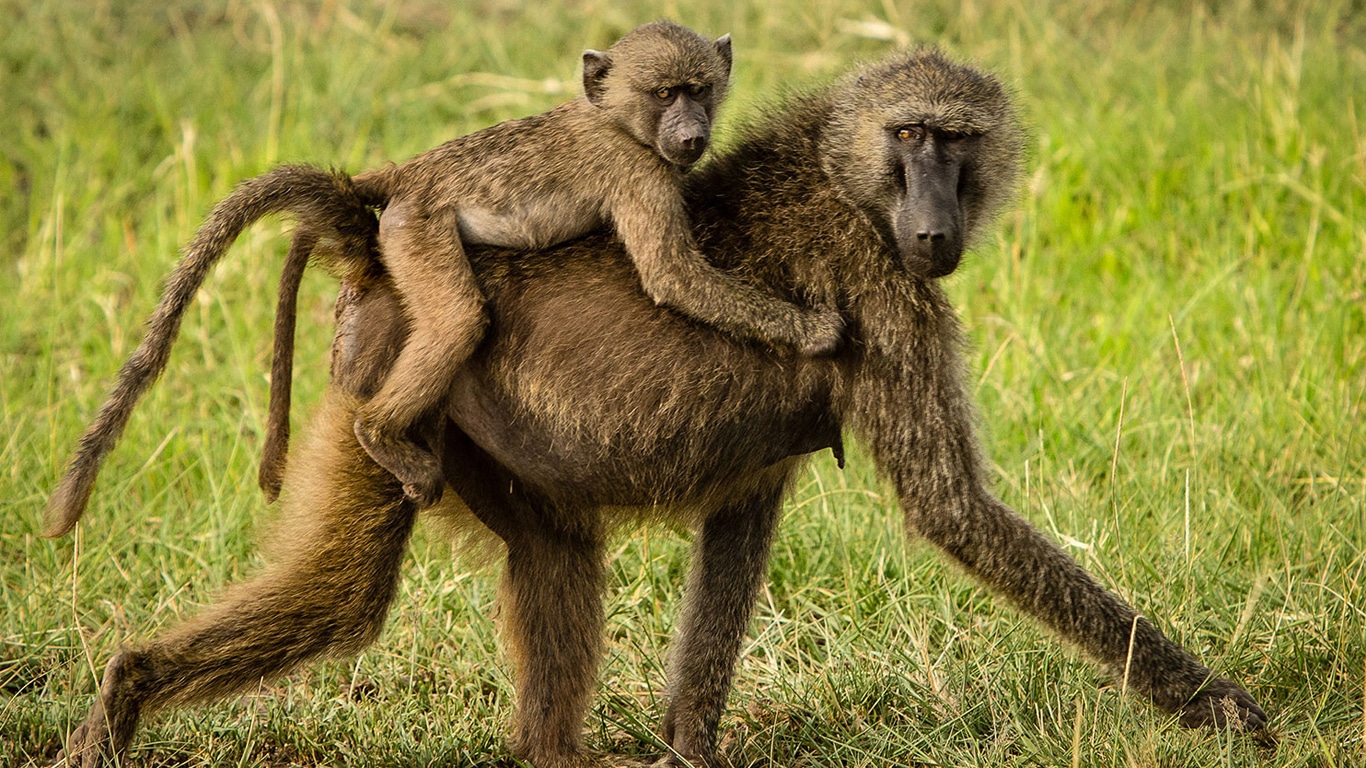
Elephant, Baboons, Giraffe, Impala, Birding | Yes |
| Feb | Green Season | 60 - 85 F Mostly sunny with few showers |
Elephant, Baboons, Giraffe, Impala, Birding | Yes |
| Mar | Green Season | 60 - 83 F Mostly sunny with few showers |
Elephant, Baboons, Giraffe, Impala, Birding | Yes |
| Apr | Green Season | 60 - 83 F Mostly sunny with few showers |
Elephant, Baboons, Giraffe, Impala, Birding | Yes |
| May | Northward Migration | 56 - 81 F Mostly sunny |
Elephant, Baboons, Giraffe, Impala, Birding | Yes |
| Jun | Beginning of Dry Season | 56 - 81 F Mostly sunny |
Elephant, Baboons, Giraffe, Impala, Birding | Yes |
| Jul | Dry Season | 60 - 83 F Mostly sunny |
Elephant, Baboons, Giraffe, Impala, Birding | Yes |
| Aug | Dry Season | 55 - 81 F Mostly sunny |
Elephant, Baboons, Giraffe, Impala, Birding | Yes |
| Sep | Dry Season | 55 - 81 F Mostly sunny |
Elephant, Baboons, Giraffe, Impala, Birding | Yes |
| Oct | Dry Season | 60 - 83 F Mostly sunny |
Elephant, Baboons, Giraffe, Impala, Birding | Yes |
| Nov | Southward Migration | 60 - 83 F Mostly sunny with few showers |
Elephant, Baboons, Giraffe, Impala, Birding | Yes |
| Dec | Beginning of Green Season | 60 - 83 F Mostly sunny with few showers |
Elephant, Baboons, Giraffe, Impala, Birding | Yes |
Nearby Lodges
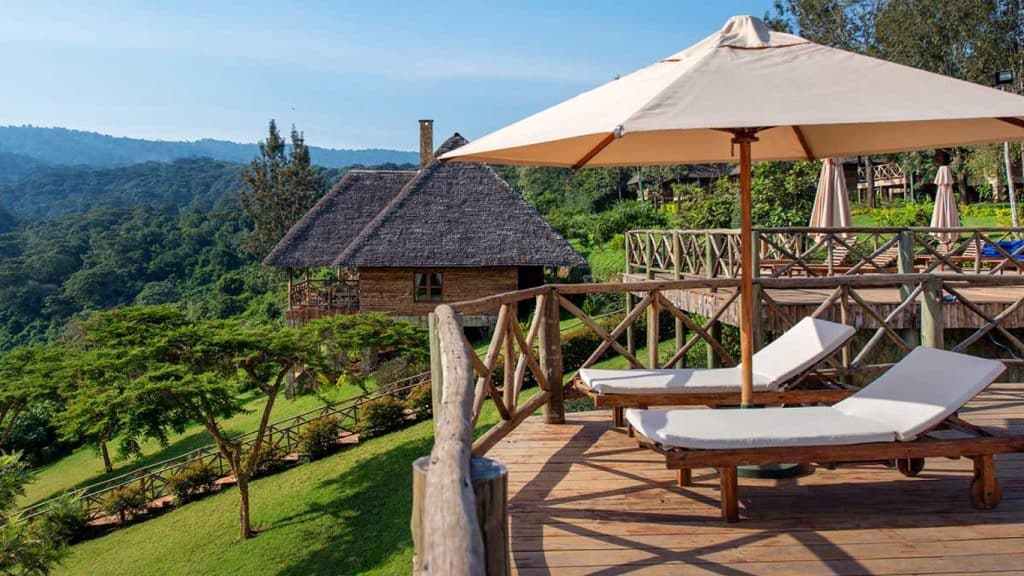
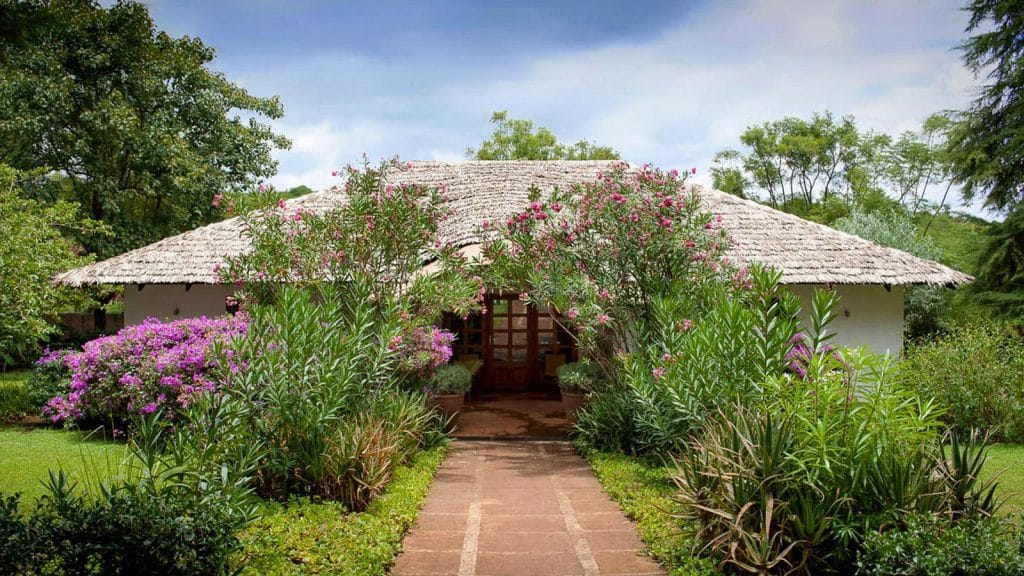
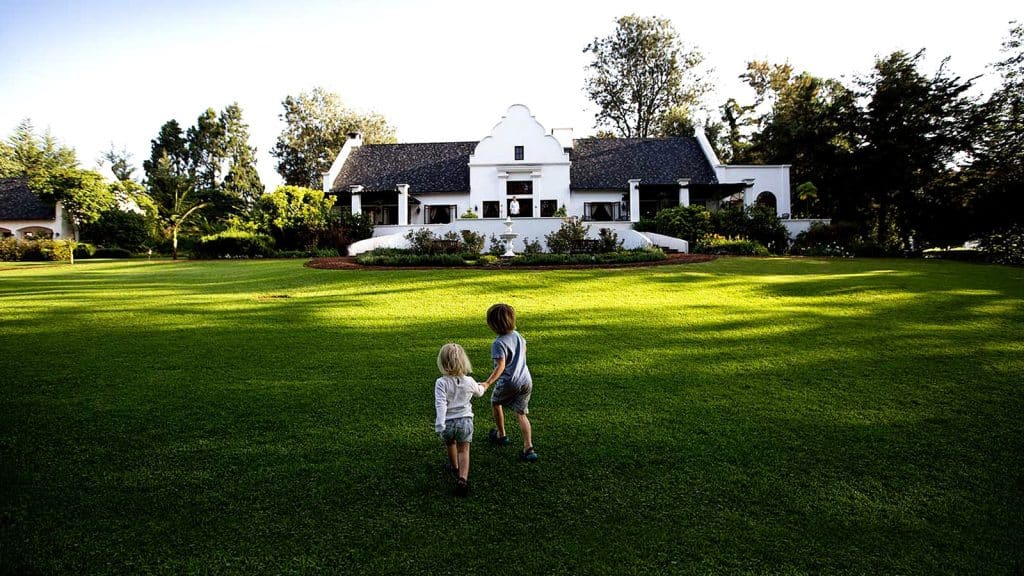



What are you waiting for?
Create Your Own Itinerary
Receive instant day-by-day trip details designed just for you including rates, seasonal highlights, guest testimonials, photos & more!
Get In Touch
Our Safari Specialists Are Ready to Help Kickstart Your Adventure
Toll-Free
US Office
31244 Palos Verdes Dr. West, Suite 239 Rancho Palos Verdes, CA 90275
Hours: Daily 8AM - 8PM PST
Drop Us A Line
Leave your contact info below