Serengeti Lion Project
Field Lecture
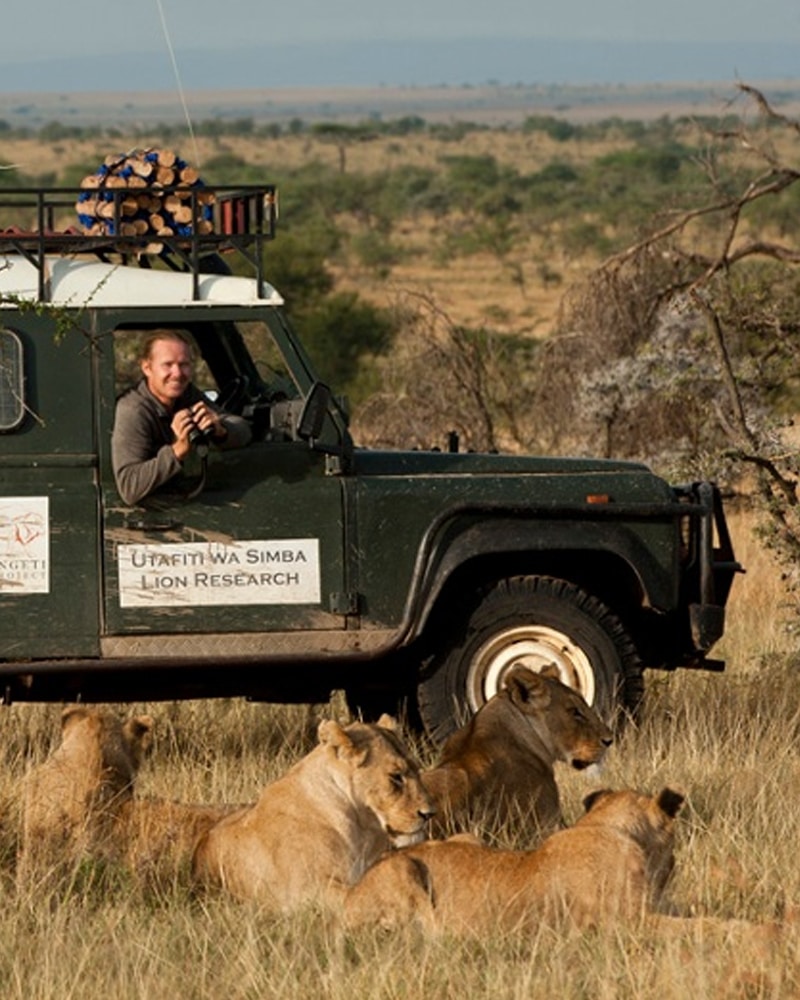
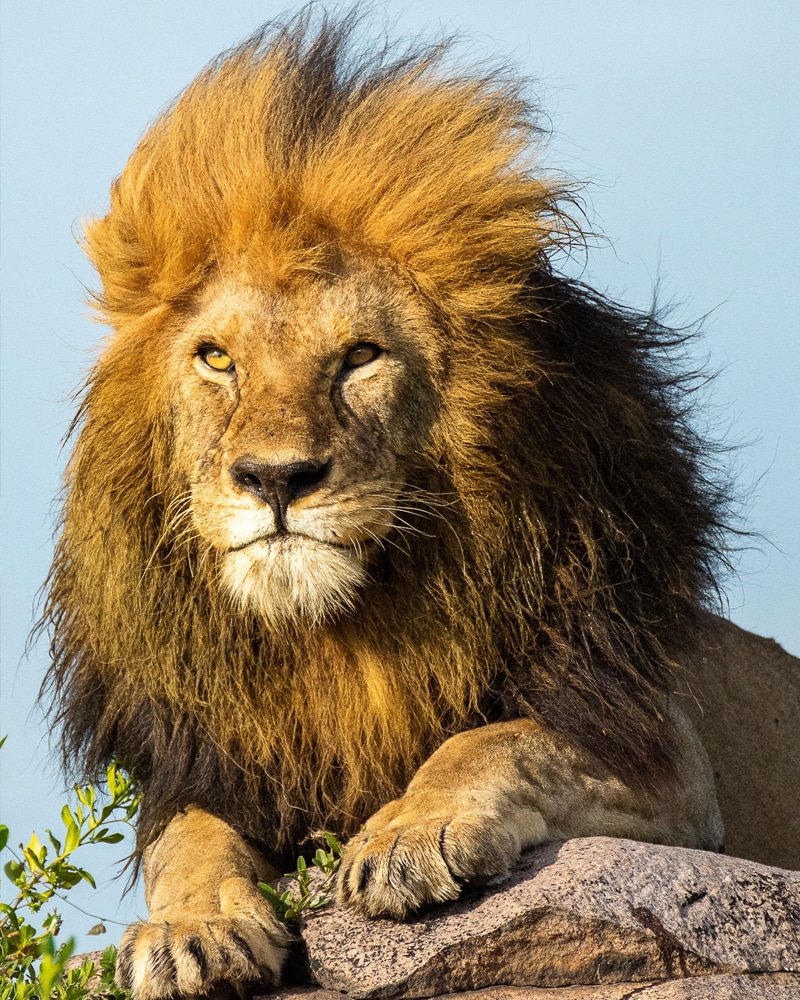
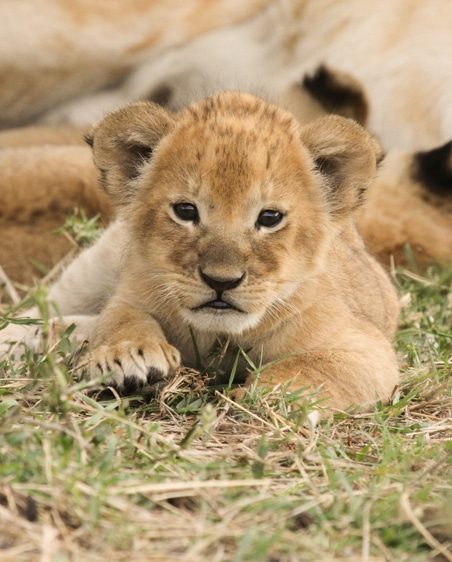
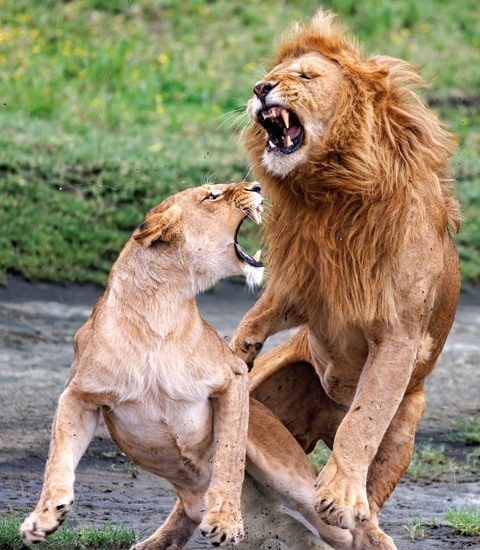
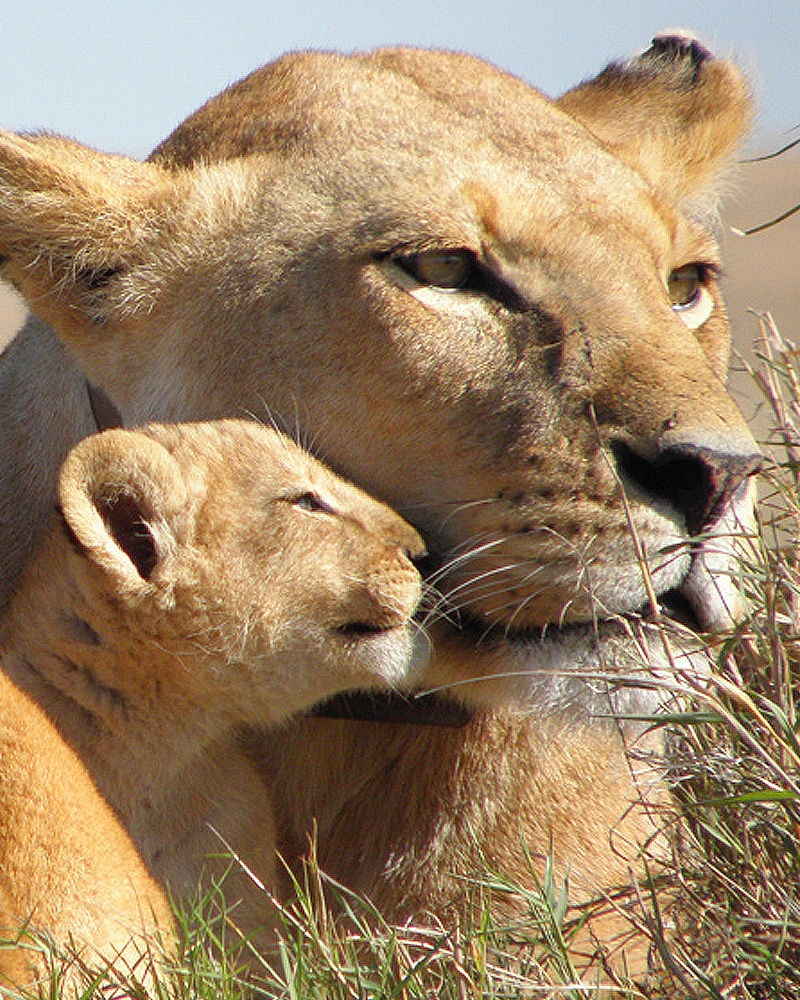
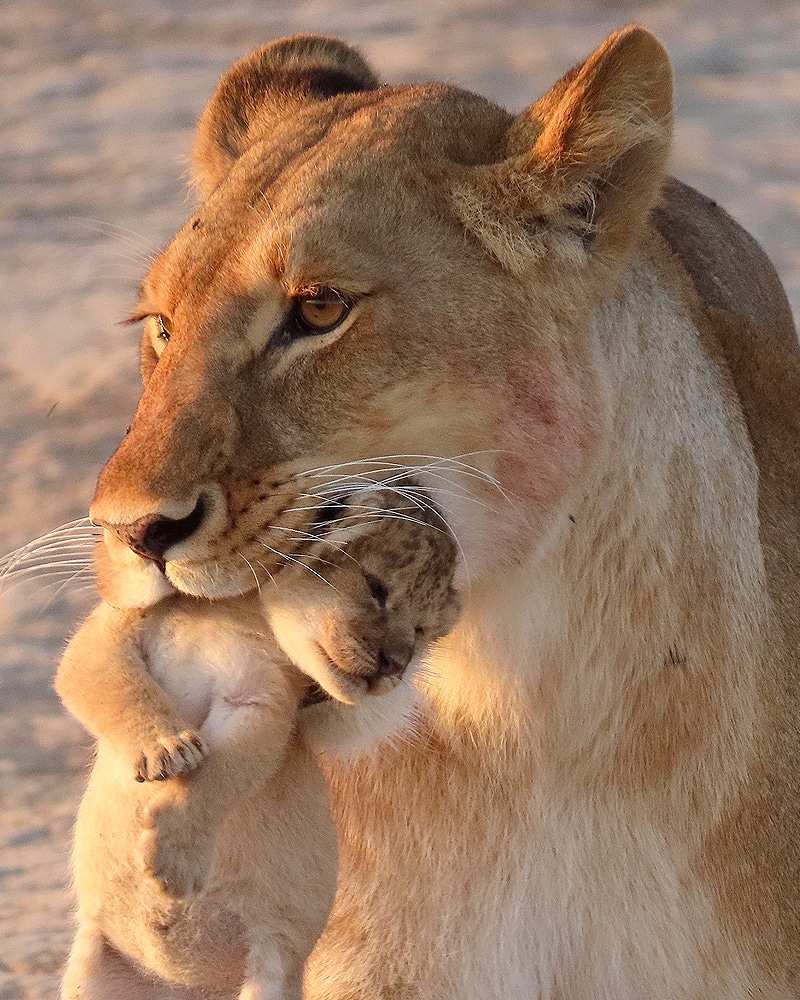
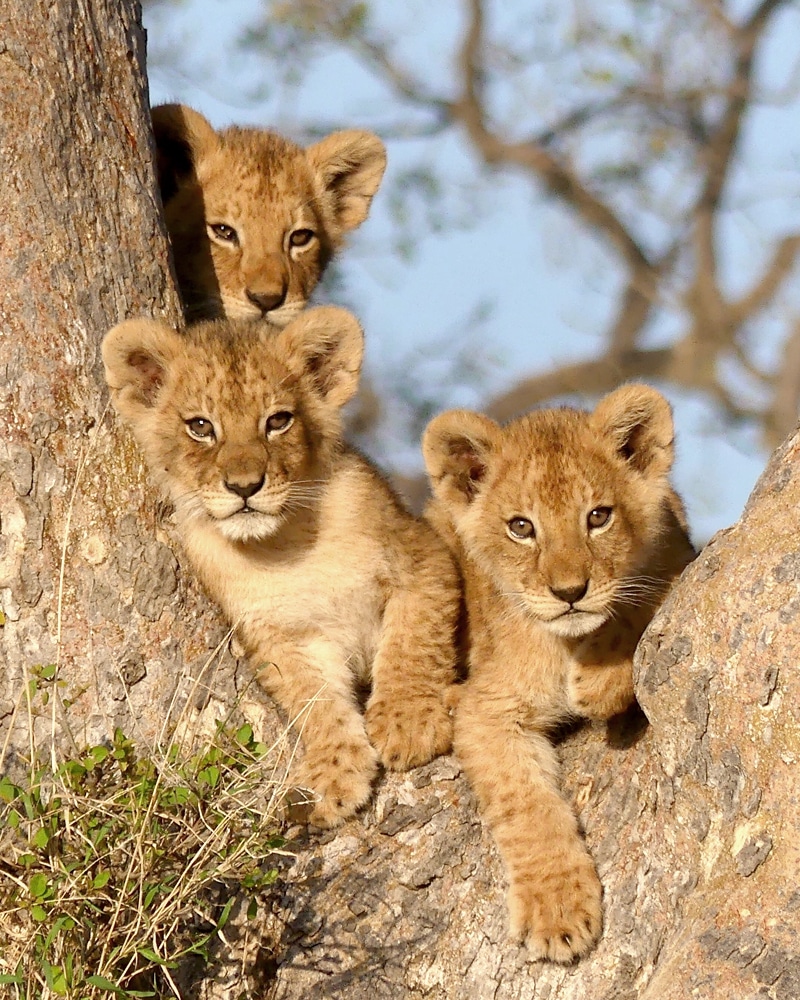
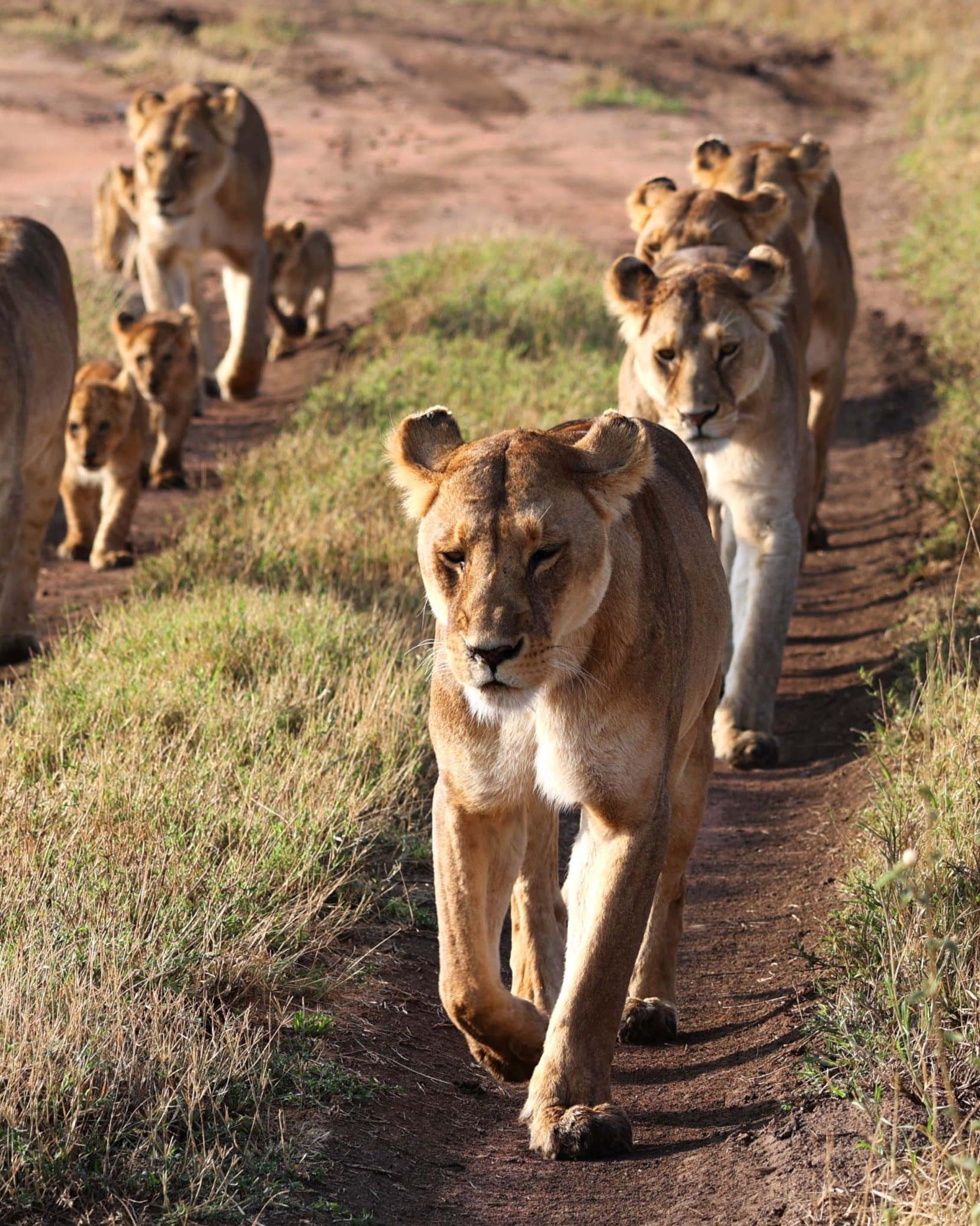
Dive into the world of the Serengeti’s apex predators with an exclusive private field lecture from expert lion biologists. Africa Dream Safaris is a proud sponsor of the Serengeti Lion Project, funding critical vaccination programs to protect these iconic big cats against disease.

Overview

Summary
A private field lecture to learn about the Serengeti's world-famous lions firsthand.

Price
$600 - $750 per group (donation-based)

Duration
2 Hours

Location
Seronera Valley, Central Serengeti
Join the World's Longest Predator Study
This is a rare opportunity to step behind the scenes of groundbreaking conservation history. Africa Dream Safaris was honored with the Tanzania Conservation Award for our dedicated work with the Serengeti Lion Project—a prestigious recognition presented by the Minister of Tourism and the Tanzania Tourist Board.
What makes this project legendary?
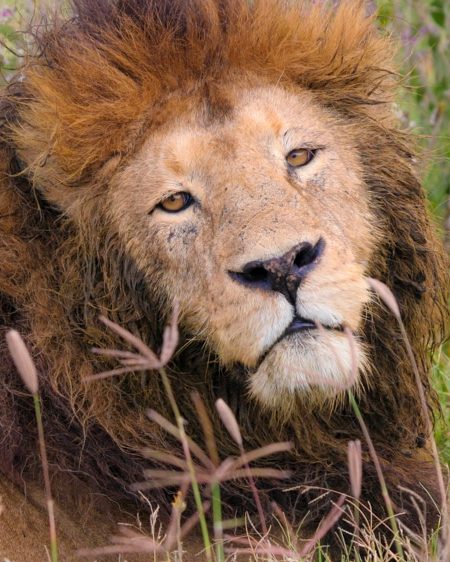
- A Legacy of Research: The study began in 1966 with George Schaller and remains the longest continuous field study ever conducted on a large mammal.
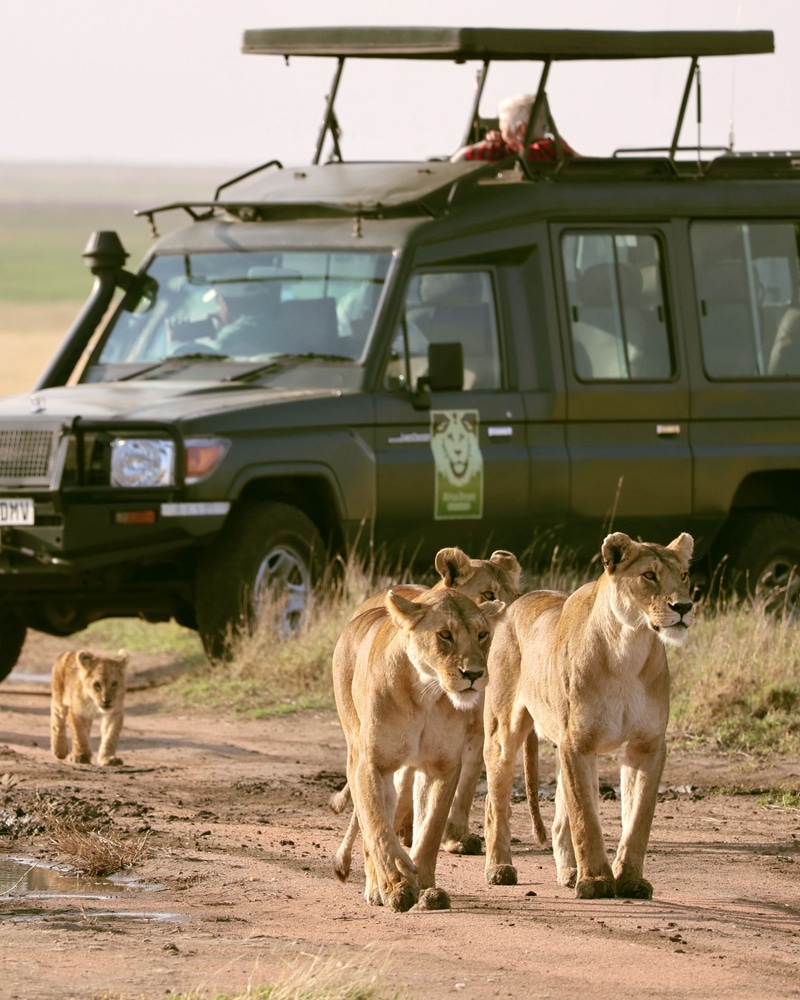
- The Pride of the Serengeti: Researchers continuously monitor twenty-six resident lion prides in the Central Serengeti.
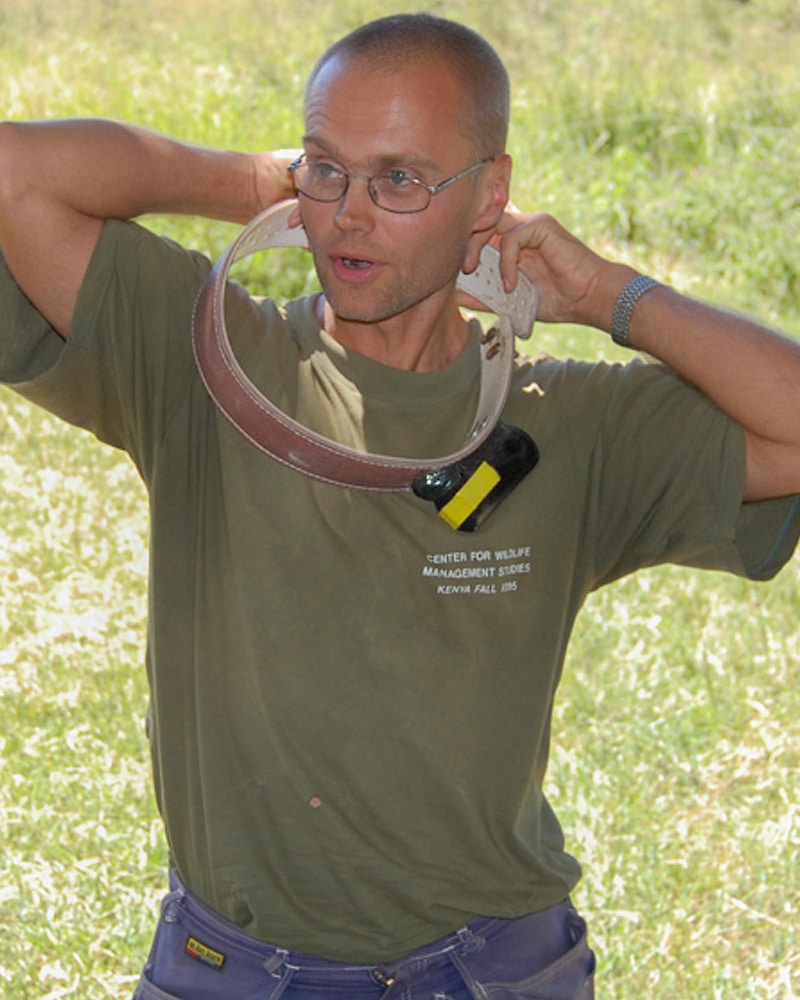
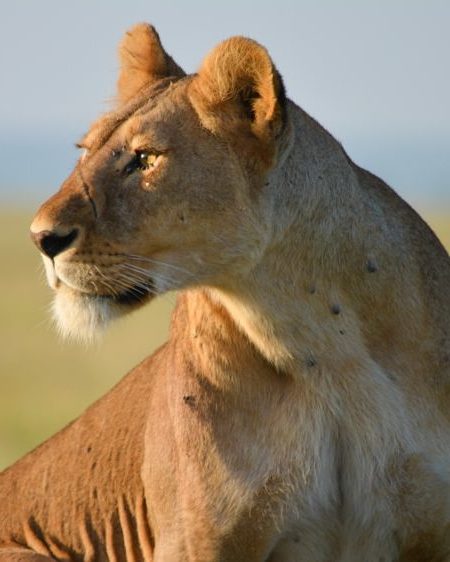
- High-Tech Tracking: One female from each of the 26 prides wears a radio collar, allowing biologists to track and study their movements and behavior on a weekly basis.
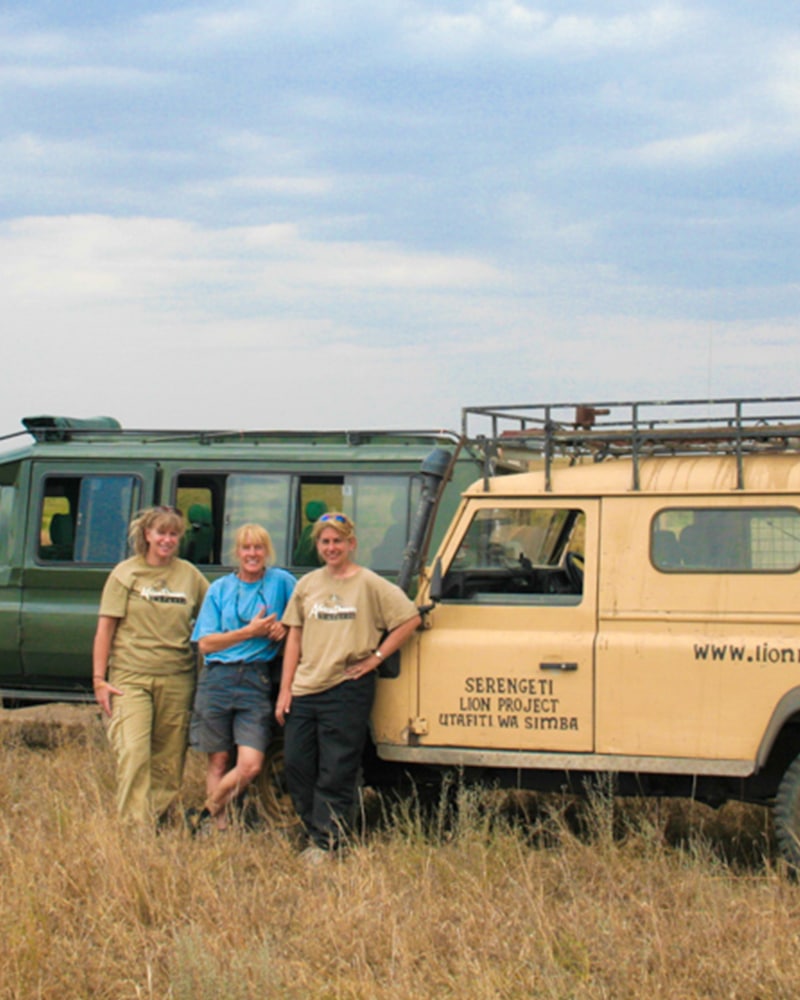
- Year-Round Dedication: Two field biologists are stationed in Seronera 365 days a year to maintain this vital long-term study.
Your Private Field Experience
For a group donation of $600 to $750 (depending on your group size), you can meet the scientists on the front lines of conservation. We can arrange a private talk at the Lion House in Seronera, where you’ll learn the secrets of the prides you’ve seen on your game drives. If you are staying at Sametu Camp, we can even arrange for the biologists to visit you for an intimate evening presentation.
Your donation goes directly toward protecting these magnificent creatures, including vital programs that vaccinate domestic dogs on the park’s periphery to prevent the spread of diseases like canine distemper to the lion populations.