Kusini Plains
Kusini is a remote sanctuary where sweeping long-grass plains fade into dense acacia woodlands. Home to the "Kusini Crater" and rare striped hyenas, this 60-square-mile region offers a secluded haven for massive resident prides and migrant storks.
Details
Kusini, located in the remote southwest corner of the Serengeti, is a beautiful and seldom-traveled region that showcases an extraordinary overlapping of habitats. Spanning 60 square miles, it serves as a transitional bridge where the open plains meet the western woodlands. This diversity allows a vast array of species to coexist simultaneously. Kusini is a favorite for travelers seeking solitude and “secret” locations, most notably the “Kusini Crater”—a magical, circular grassy plain completely encircled by ancient acacia trees that acts as a natural amphitheater for wildlife.
The topography of Kusini is a rich mosaic of long-grass plains, rolling hills, and granite kopjes. The presence of several perennial springs ensures that the area remains vibrant even when other parts of the plains begin to dry. As you move toward the Kusini Airstrip, the landscape shifts into the beginning of the western woodlands, dominated by “whistling thorn” acacias. These trees have evolved ingenious defense mechanisms, including long prickly thorns and symbiotic relationships with ants, to survive the intense pressure from the region’s many browsers.
The overlapping ecosystems of Kusini create a year-round wildlife powerhouse with several unique highlights:
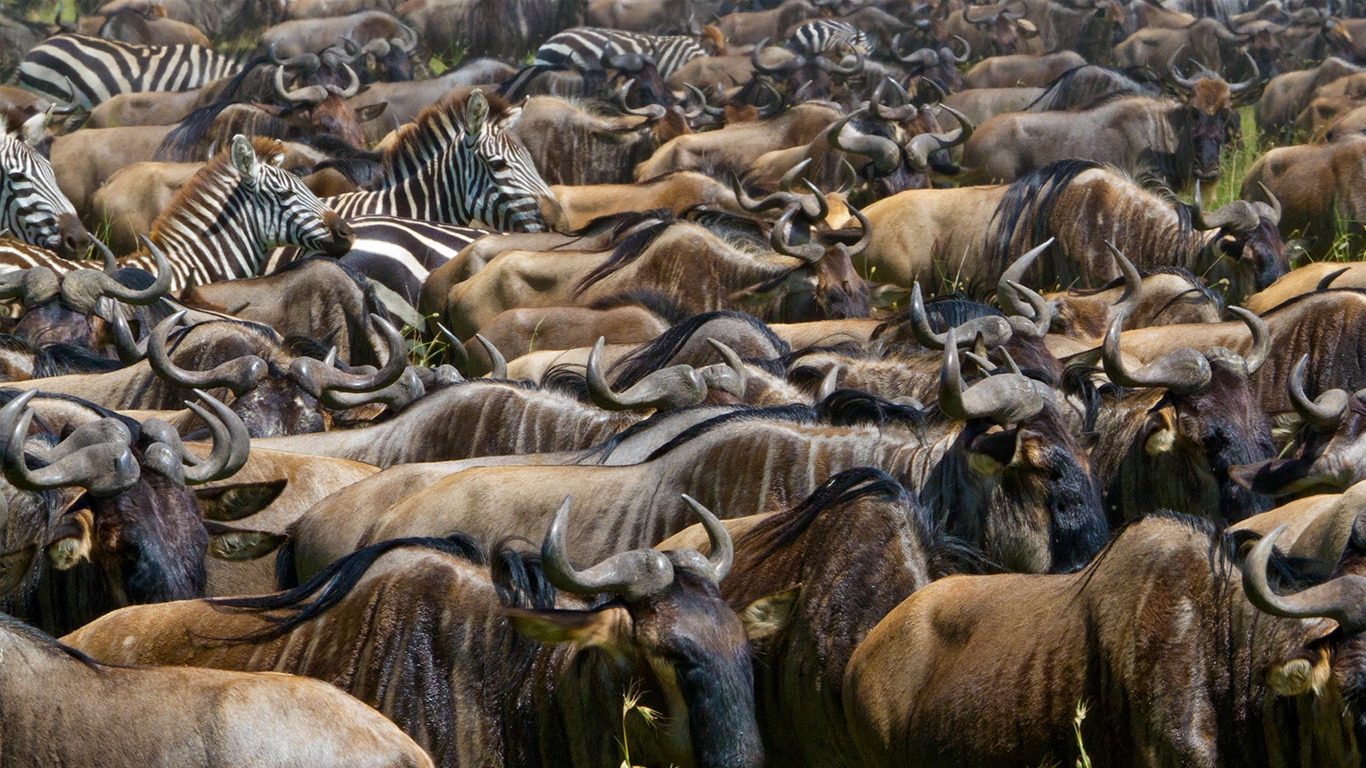
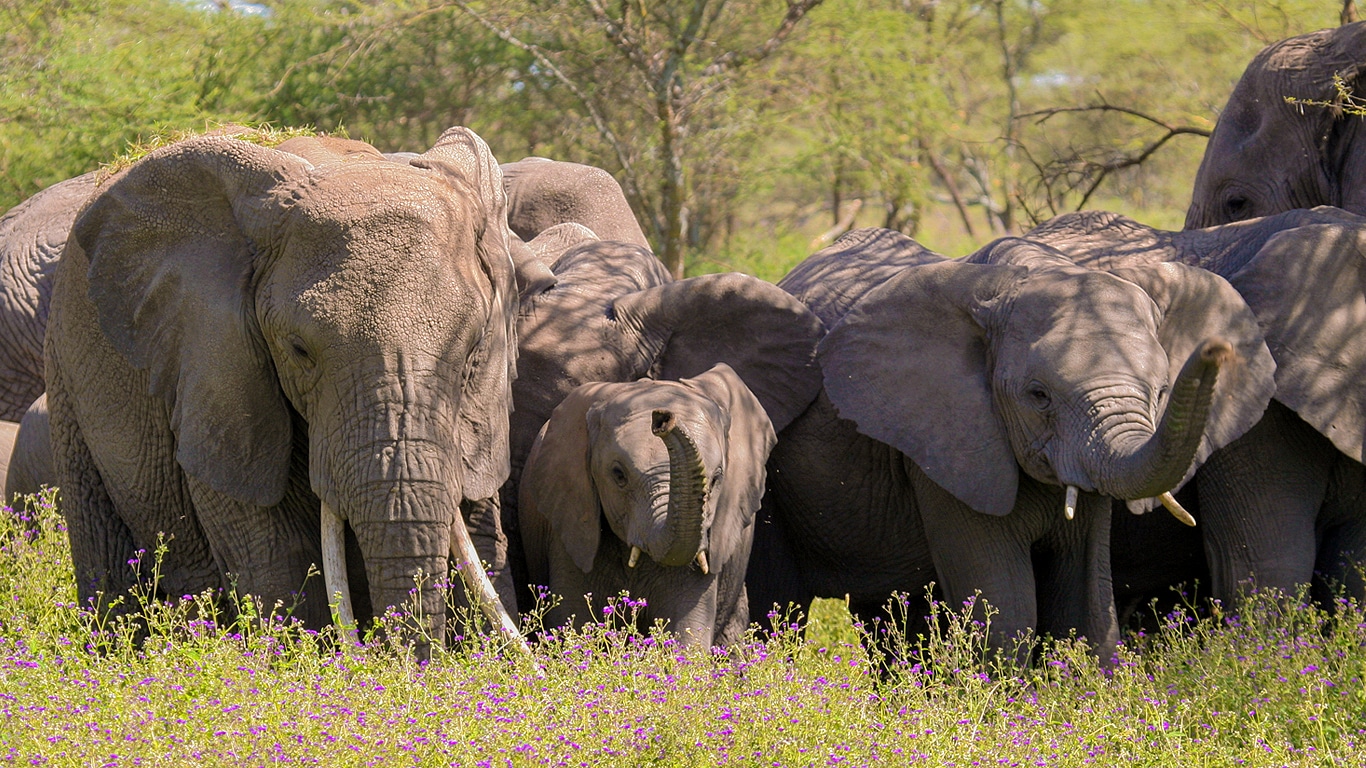
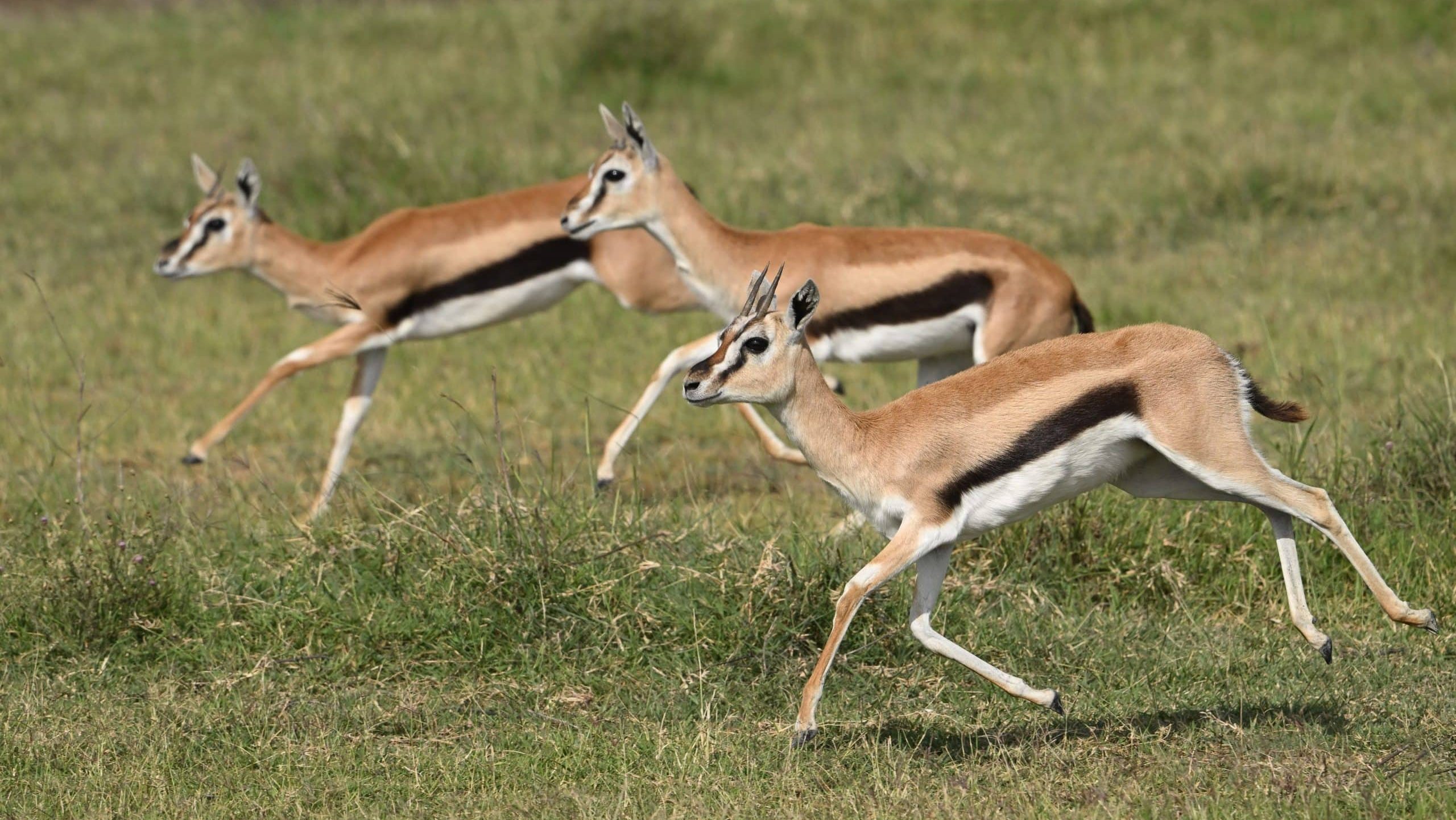
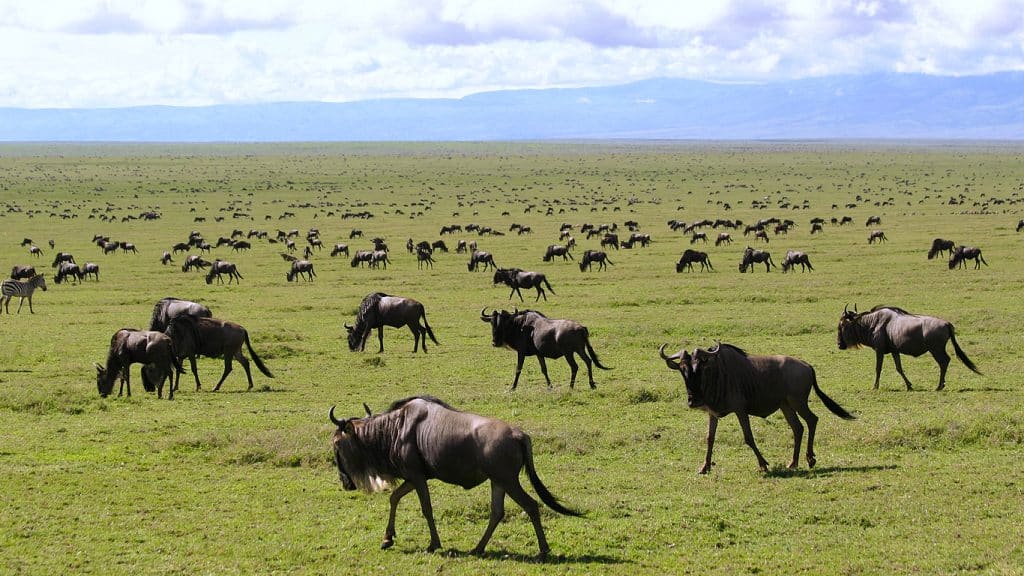
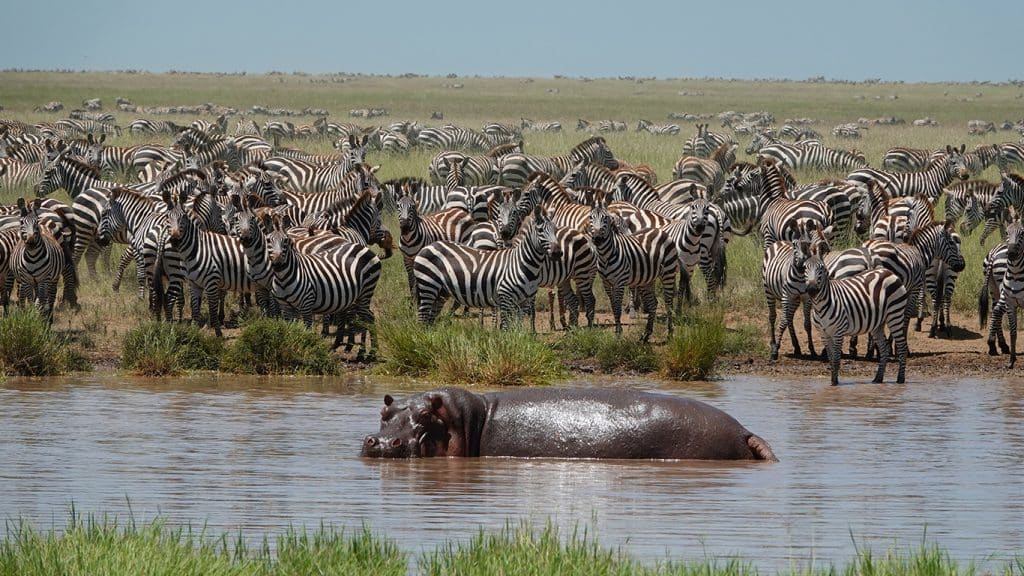
- The Grazing Succession: Kusini is one of the best places to observe “grazing succession.” Heavy grazers like elephants and buffalo trample coarse grasses, making them palatable for zebra and wildebeest, who in turn prepare the land for light herbivores like gazelles and warthogs.
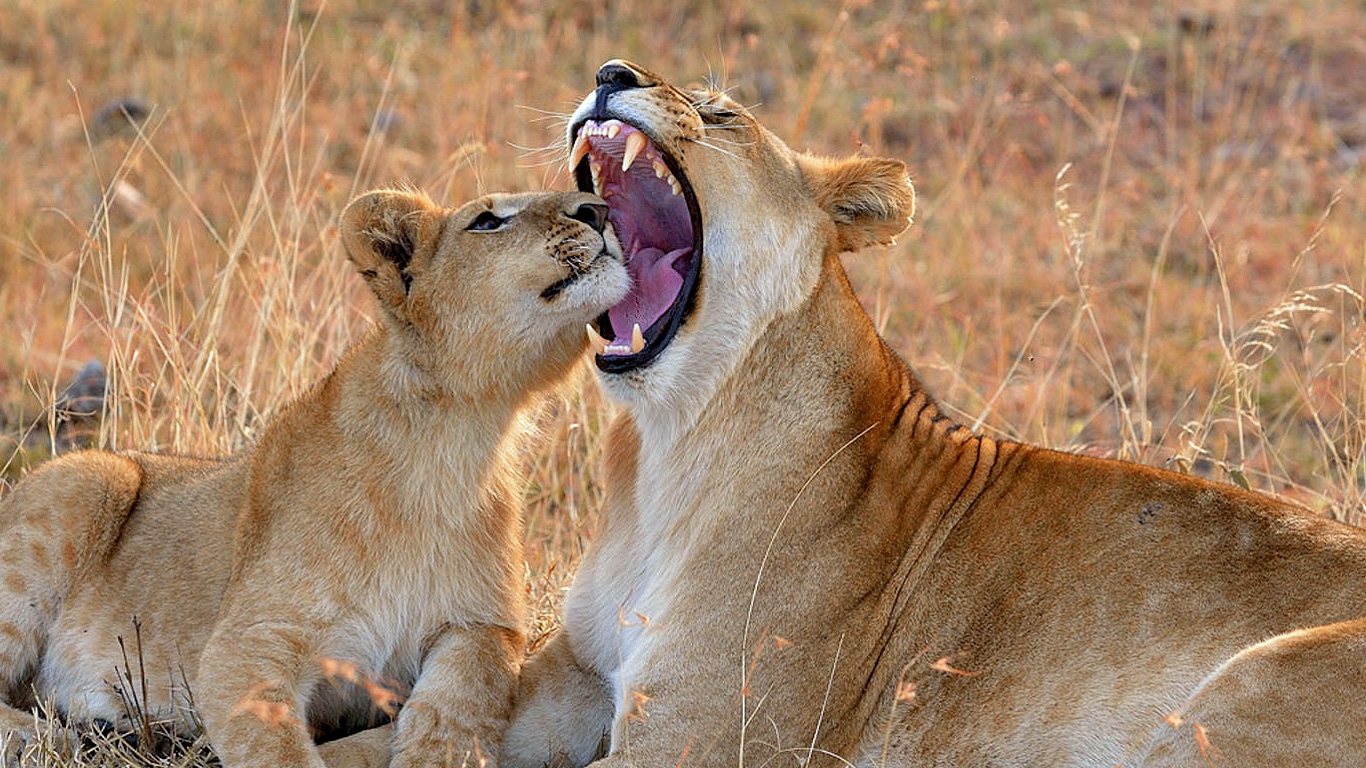
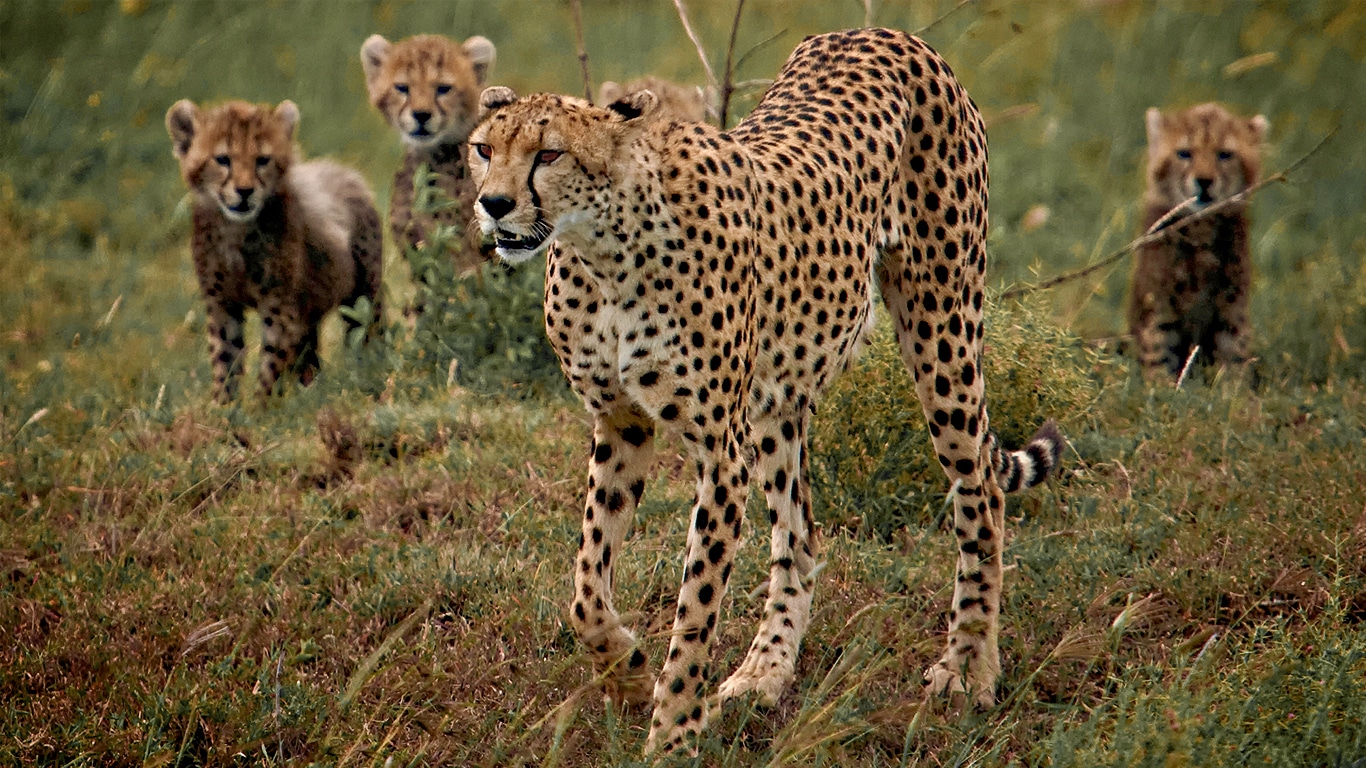
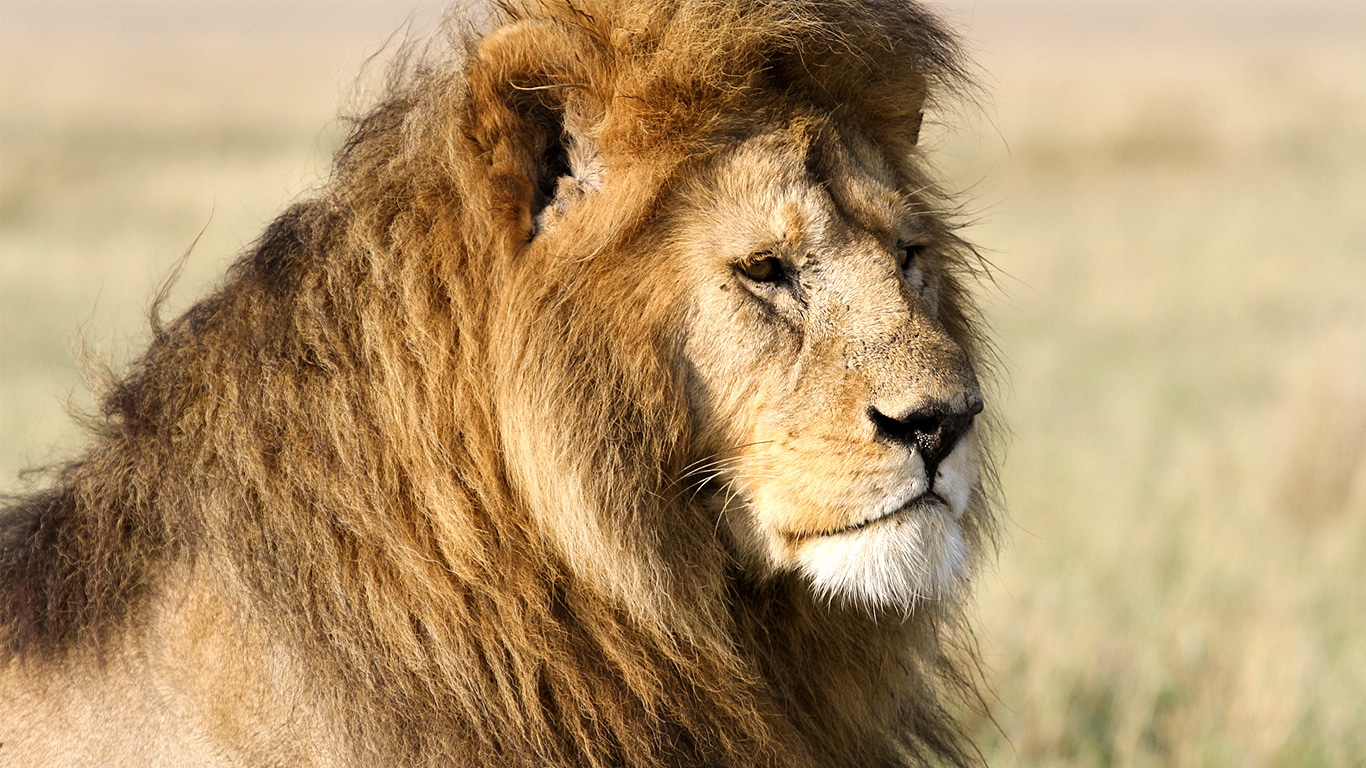
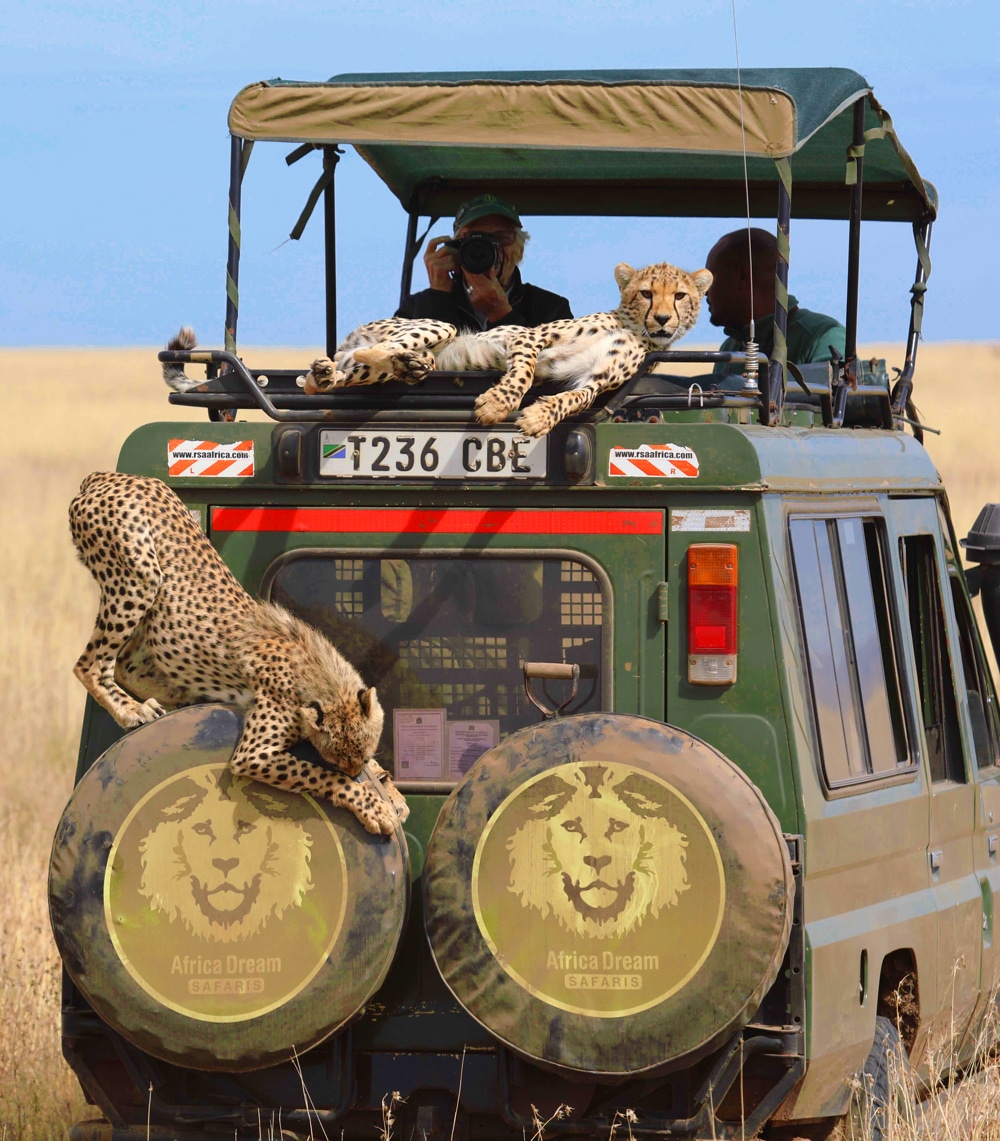
- The “Kusini Crater” and Big Cats: The secret crater is a magnet for large concentrations of wildlife, particularly cheetahs, who use the surrounding forest edge for cover. The area also supports two resident lion prides; the larger pride, often found near the airstrip, numbers well over 20 individuals.
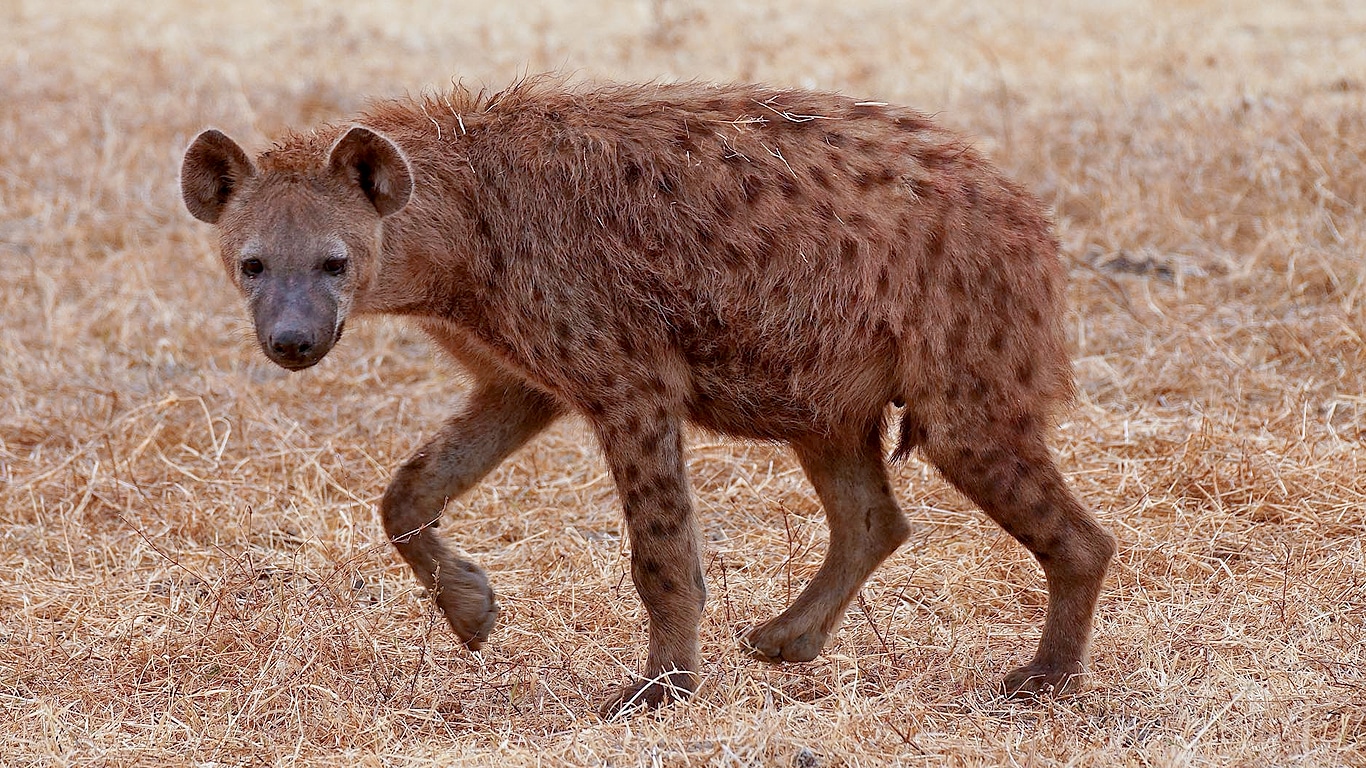
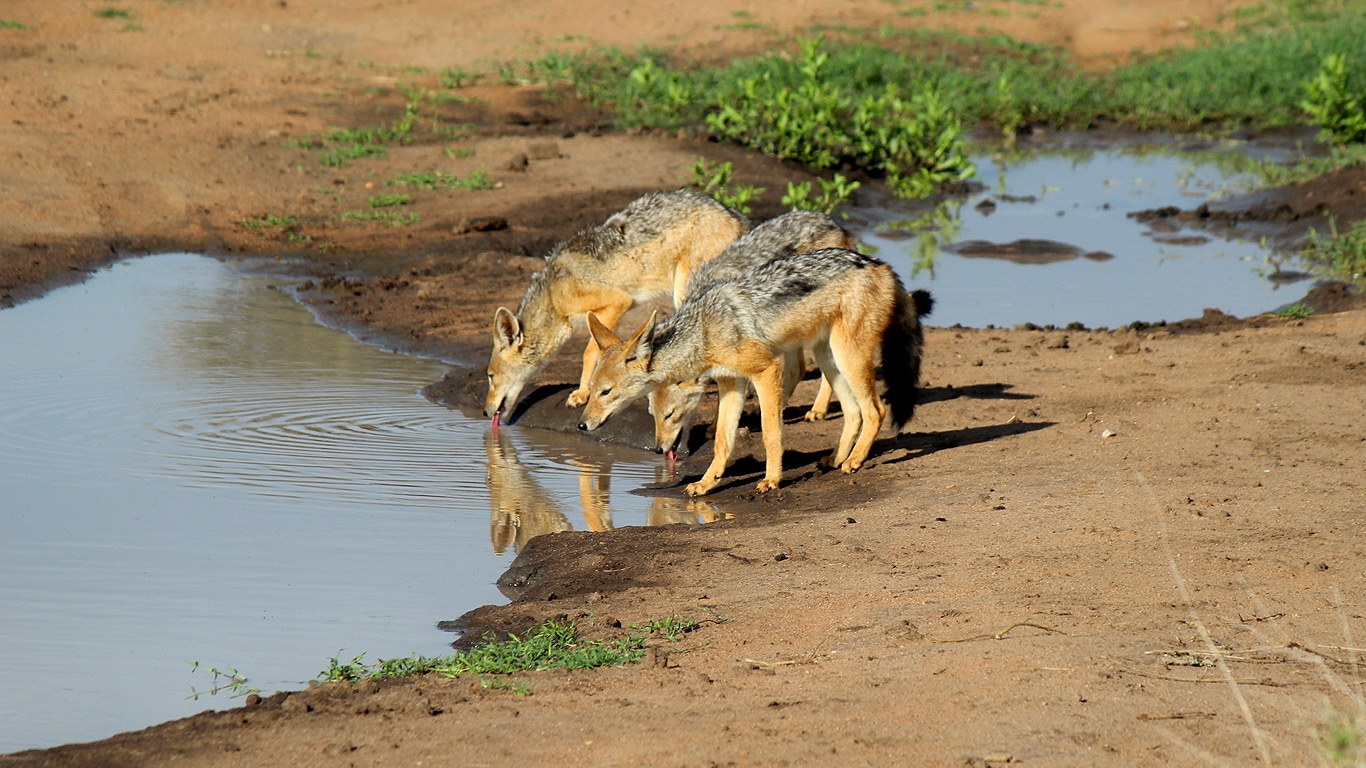
- Rare Hyenas and Predators: While spotted hyenas are common, the Kusini woodlands are one of the few places to spot the extremely rare striped hyena. You may also find the banded mongoose scurrying through the undergrowth or the Verreaux’s eagle-owl perched in the canopy.
- The Great Stork Migration: From October to April, the long-grass plains are blanketed by hundreds of thousands of white storks migrating from Europe and Russia. They descend on Kusini to feast on population explosions of grasshoppers and caterpillars.
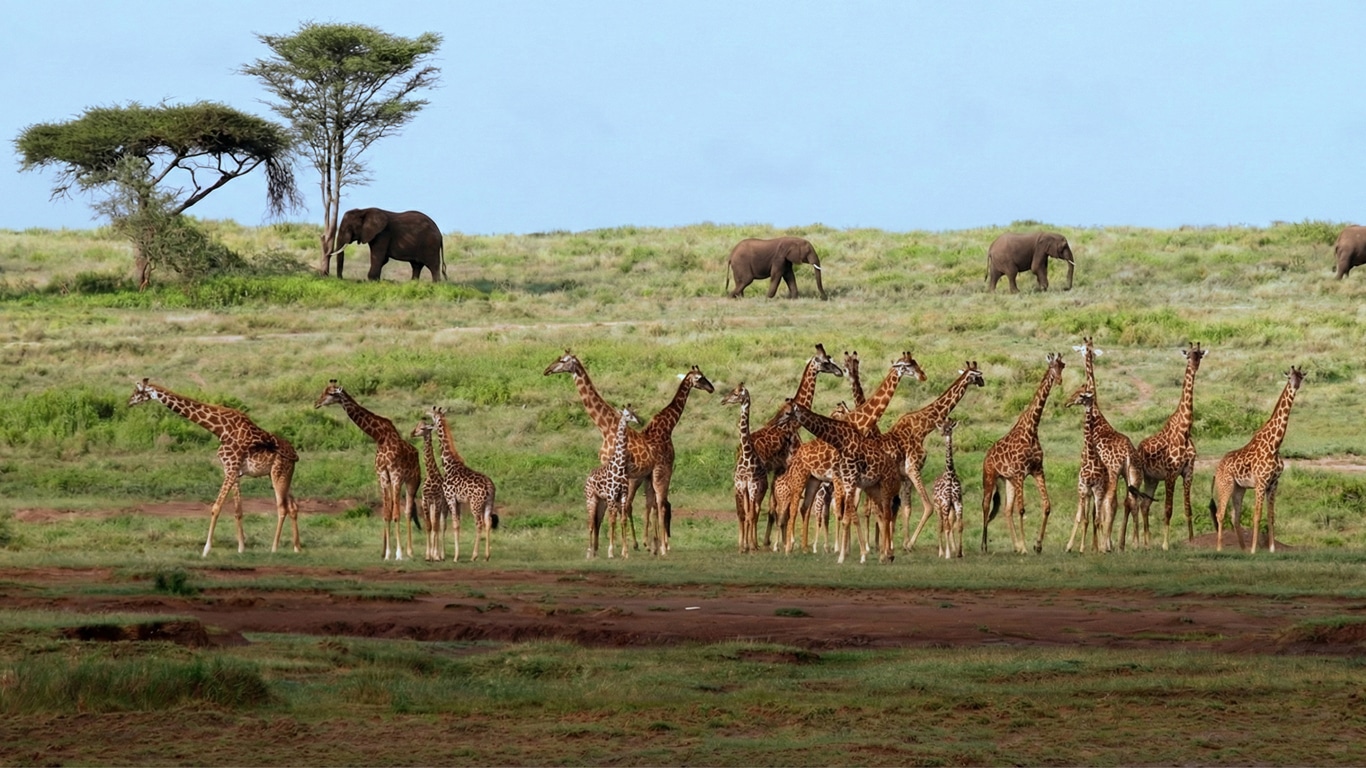
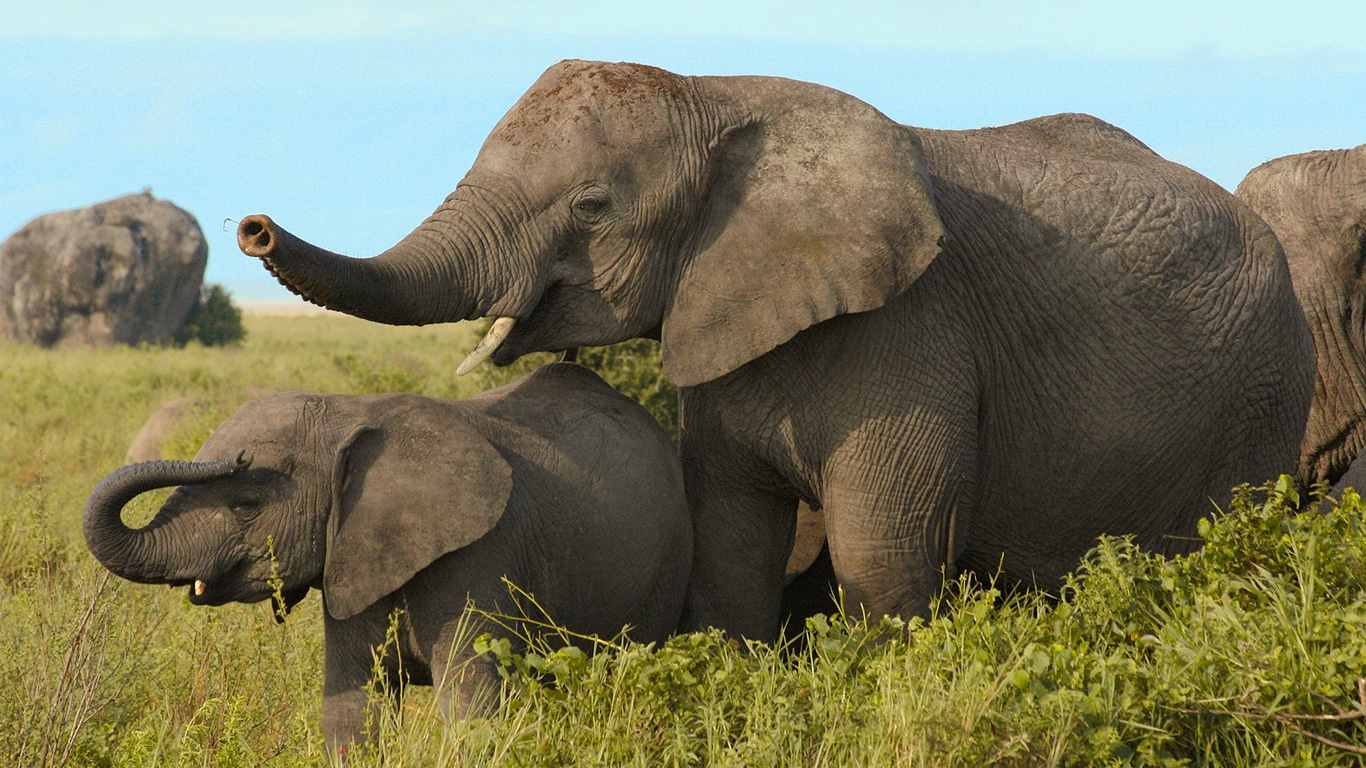
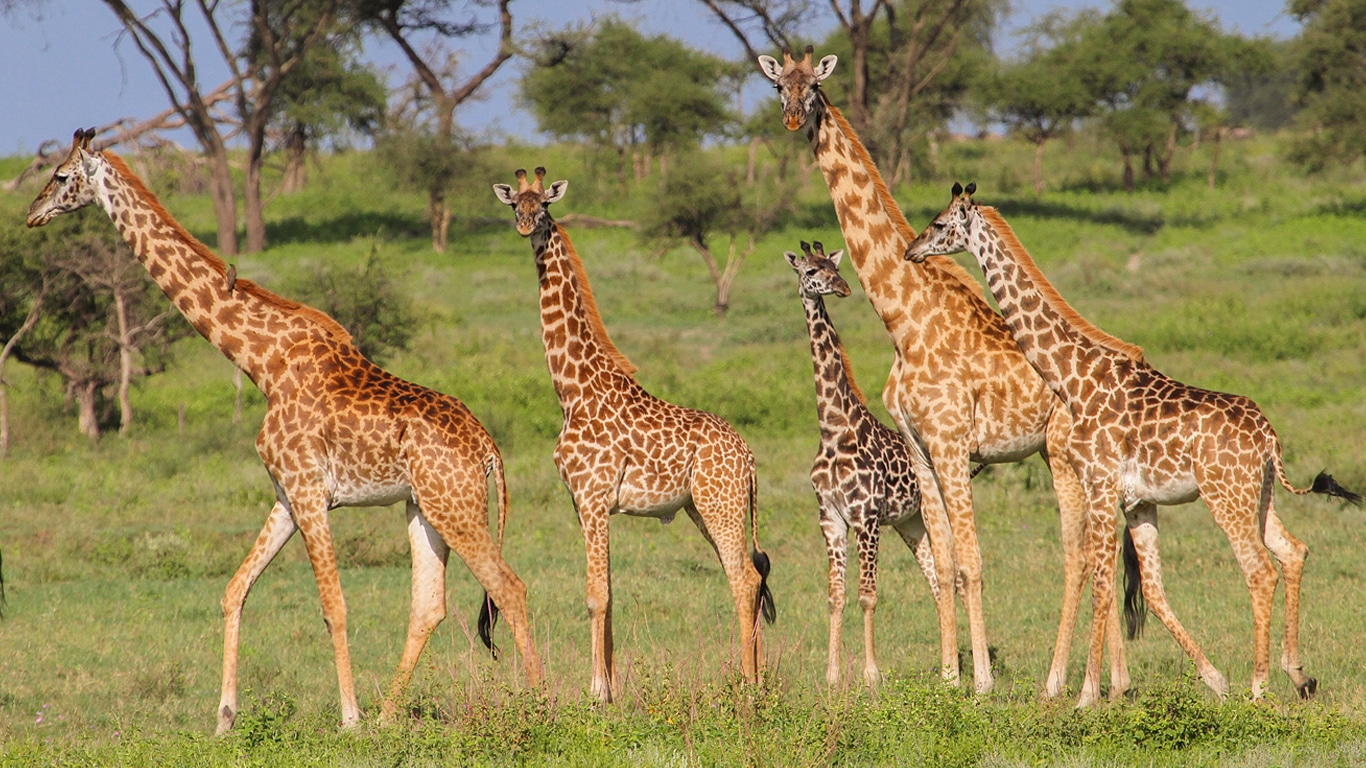
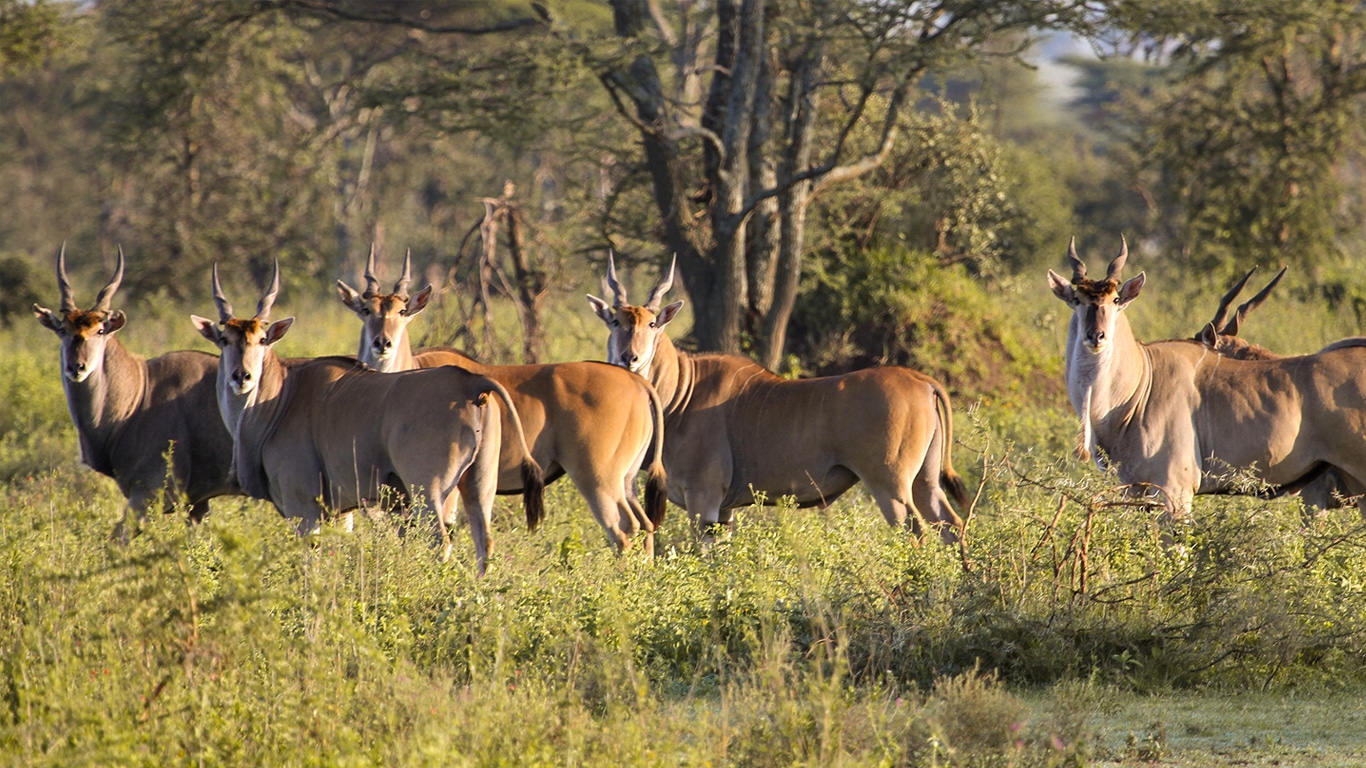
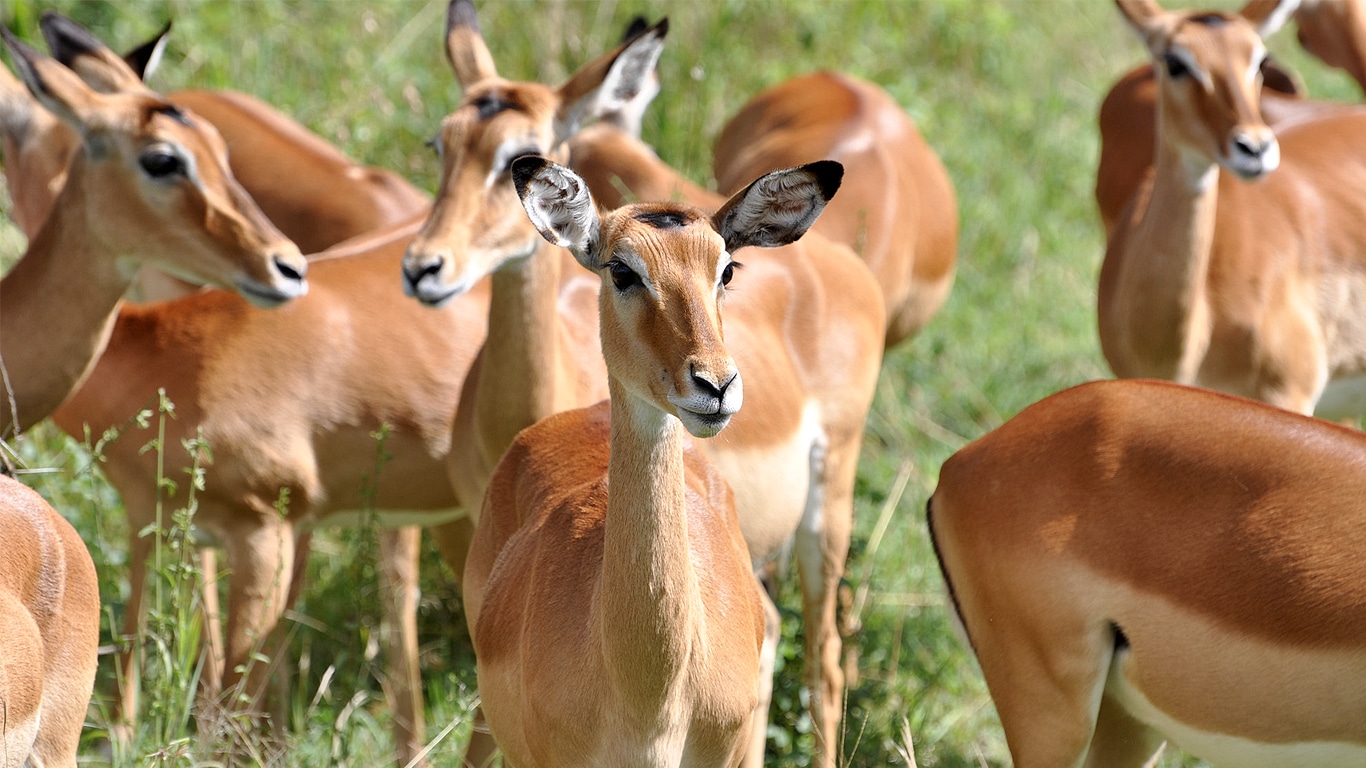
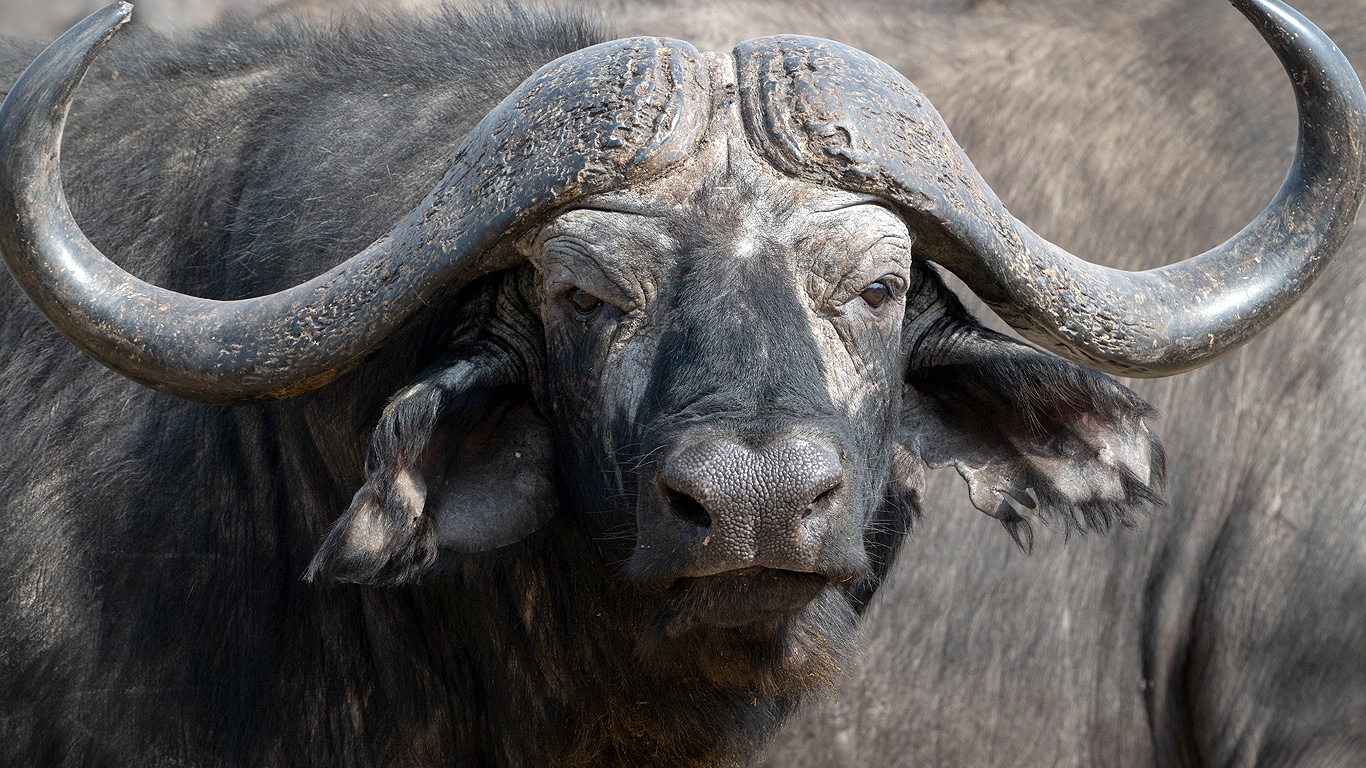
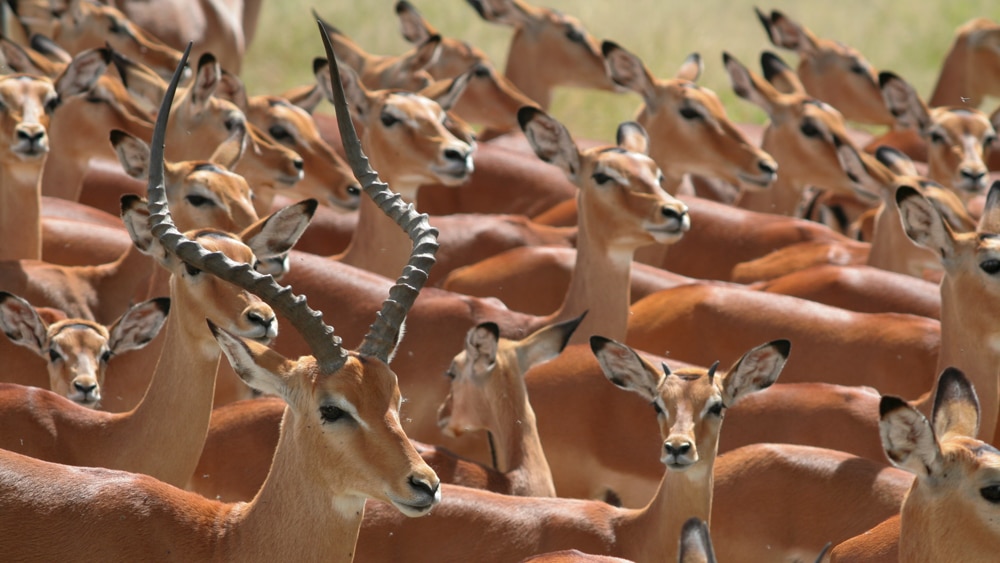
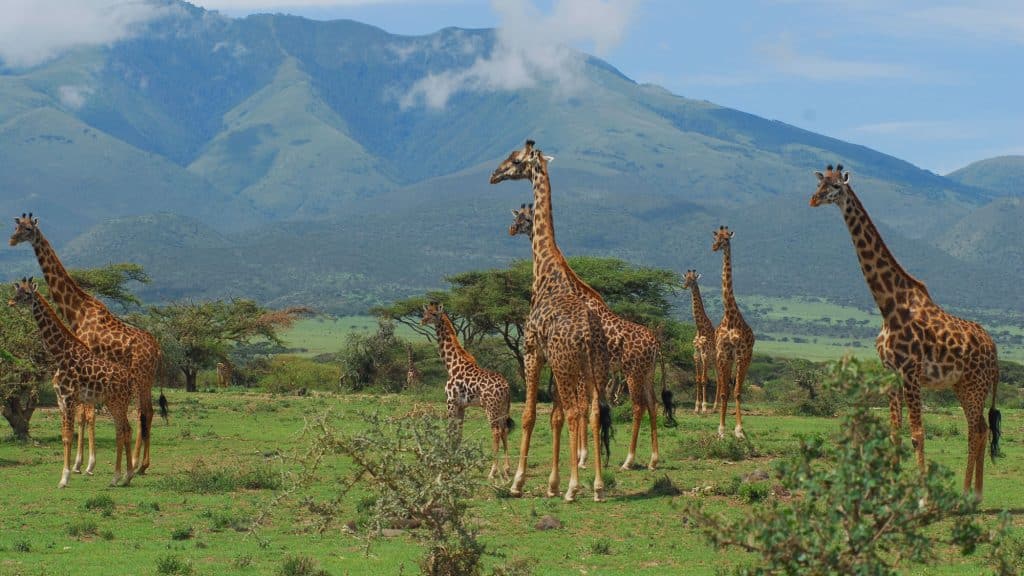
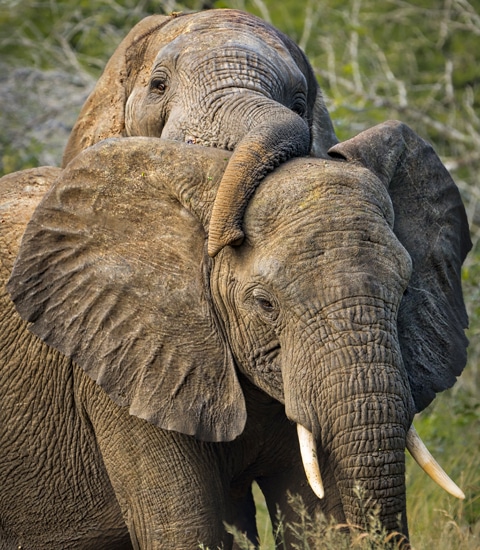
- Resident Giants: Thanks to the perennial springs and woodland cover, resident populations of elephant, giraffe, buffalo, and impala remain in the area year-round, independent of the Great Migration’s movement.
Seasonal Highlights
| Month | Season | Weather | Wildlife Sightings | Rec. |
|---|---|---|---|---|
| Jan | Green Season | 60 - 85 F Mostly sunny with few showers |
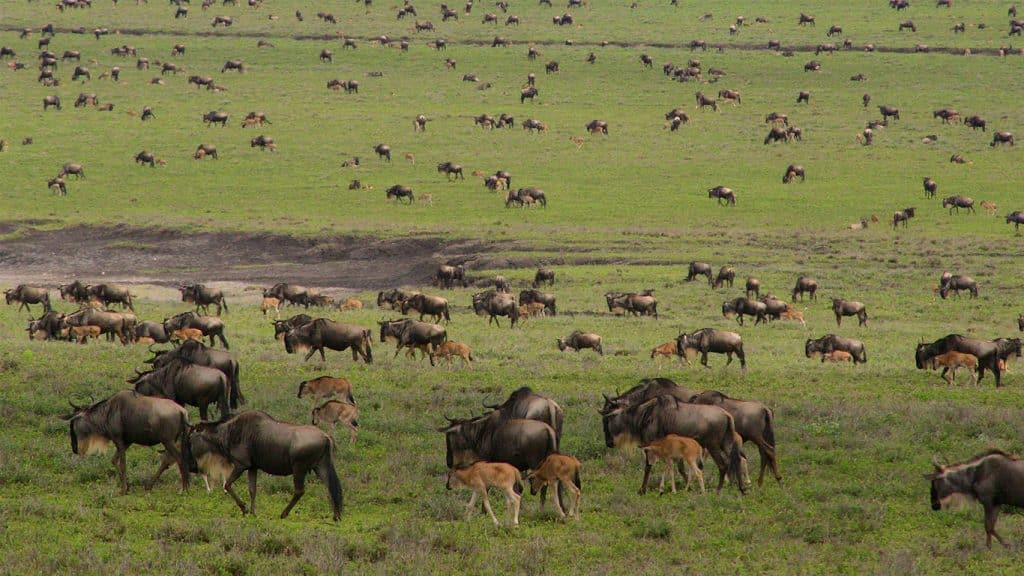
Wildebeest Migration and Zebra Migration, Lion, Cheetah, Elephant | Yes |
| Feb | Green Season | 60 - 85 F Mostly sunny with few showers |
Wildebeest Migration and Zebra Migration, Lion, Cheetah, Elephant, Wildebeest Calving | Yes |
| Mar | Green Season | 60 - 83 F Mostly sunny with few showers |
Wildebeest Migration and Zebra Migration, Lion, Cheetah, Elephant | Yes |
| Apr | Green Season | 60 - 83 F Mostly sunny with few showers |
Wildebeest Migration and Zebra Migration, Lion, Cheetah, Elephant | Yes |
| May | Northward Migration | 56 - 81 F Mostly sunny |
Wildebeest Migration and Zebra Migration, Lion, Cheetah, Elephant | Yes |
| Jun | Beginning of Dry Season | 56 - 81 F Mostly sunny |
Wildebeest Migration and Zebra Migration, Lion, Cheetah, Elephant (early June only) | Yes |
| Jul | Dry Season | 60 - 83 F Mostly sunny |
- - - - - | No |
| Aug | Dry Season | 55 - 81 F Mostly sunny |
- - - - - | No |
| Sep | Dry Season | 55 - 81 F Mostly sunny |
- - - - - | No |
| Oct | Dry Season | 60 - 83 F Mostly sunny |
- - - - - | No |
| Nov | Southward Migration | 60 - 83 F Mostly sunny with few showers |
Giraffe, gazelle, Walking Safaris and Cultural Interactions | Yes |
| Dec | Beginning of Green Season | 60 - 83 F Mostly sunny with few showers |
Wildebeest Migration and Zebra Migration, Lion, Cheetah, Elephant | Yes |
Nearby Lodges
Nearby Attractions


What are you waiting for?
Create Your Own Itinerary
Receive instant day-by-day trip details designed just for you including rates, seasonal highlights, guest testimonials, photos & more!
Get In Touch
Our Safari Specialists Are Ready to Help Kickstart Your Adventure
Toll-Free
US Office
31244 Palos Verdes Dr. West, Suite 239 Rancho Palos Verdes, CA 90275
Hours: Daily 8AM - 8PM PST
Drop Us A Line
Leave your contact info below