Seronera River
The Seronera River is the lifeline of the Central Serengeti and the premier location in Africa to view leopards and lions. With its deep pools and lush riverine forests, it provides a permanent sanctuary for the park's most iconic predators.
Details
The Seronera River is the largest and most famous of the four “green fingers”—the Seronera, Wandamu, Songore, and Nyamanje—that snake across the valley floor. These perennial watercourses flow northwest toward the Grumeti River and eventually Lake Victoria, creating a lush corridor in an otherwise seasonal landscape. Each river is fringed by a magnificent canopy of yellow-barked fever trees, umbrella acacias, and sausage trees. For over half a century, this river system has been the focal point for researchers and travelers alike, offering a “paradise of grass and game” that remains vibrant regardless of the season.
The topography along the river is characterized by meandering watercourses, seasonal swamps, and permanent deep-water pools. These features create a high-contrast environment: the dark, cool shade of the riverine forest stands against the sun-drenched savannas. A network of game drive loops parallels these banks, following the contours of the water. To the rear of the Maasai Kopjes, the Seronera River spills into a large marsh, a strategic “dead end” where the landscape naturally funnels prey, creating a high-action theater for hunting prides.
The Prince of Stealth
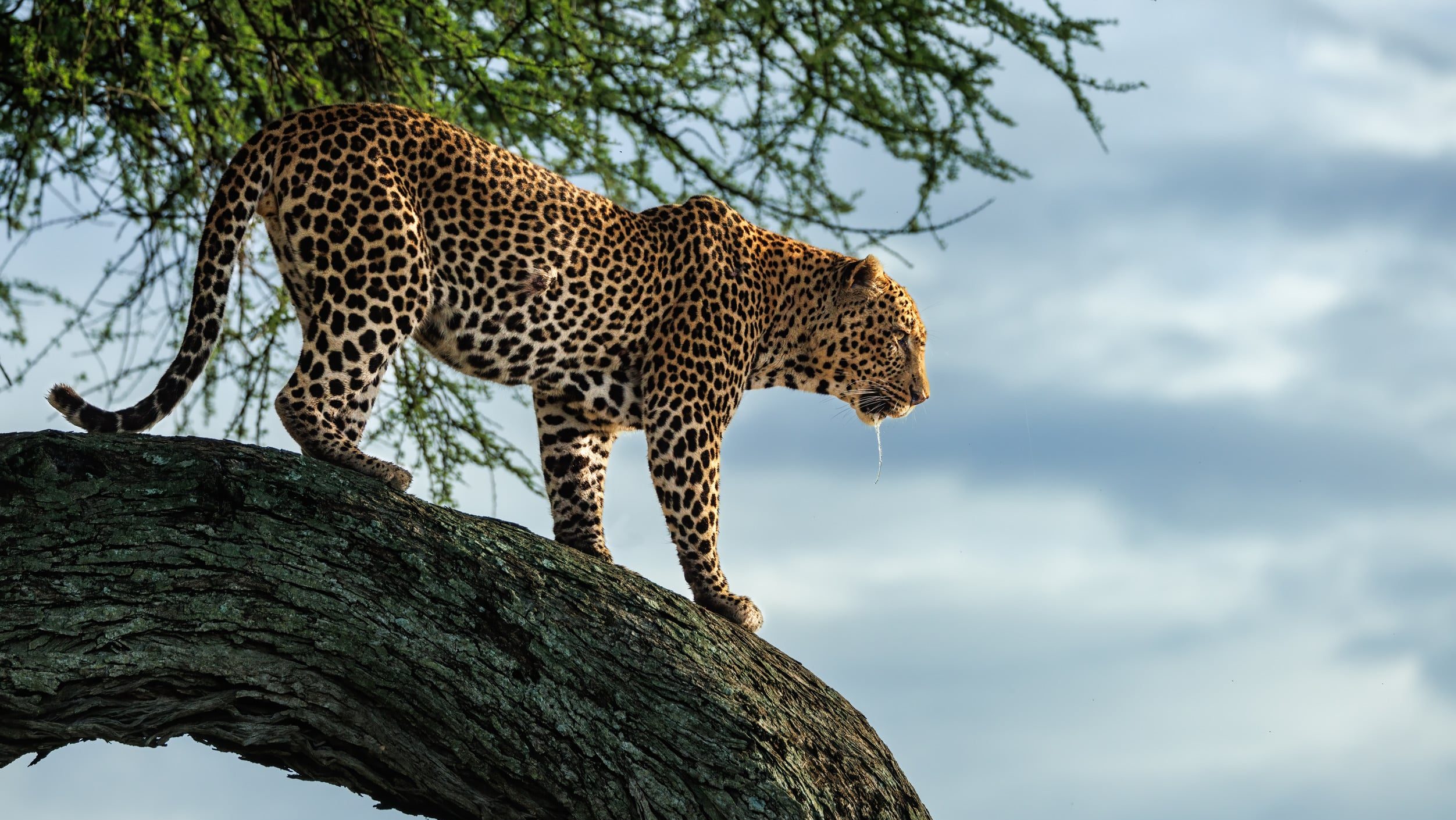
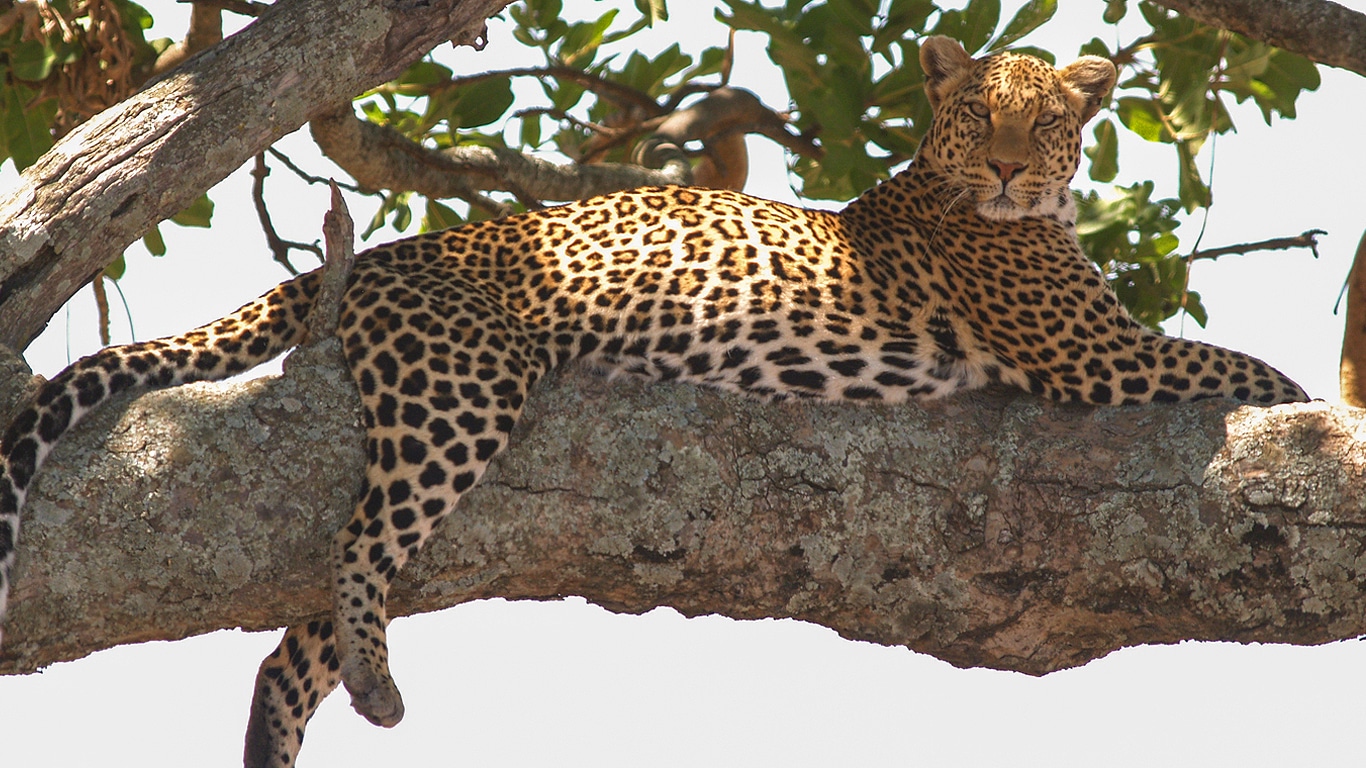
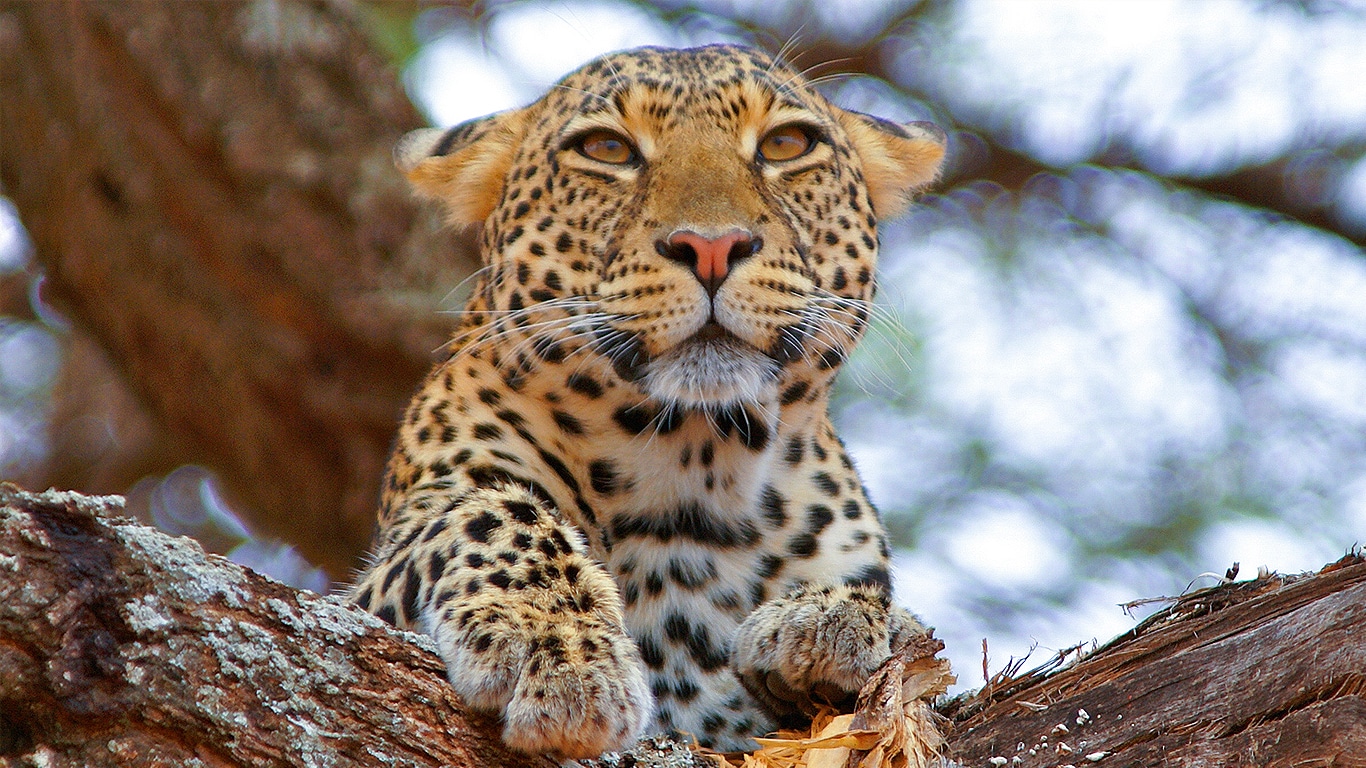
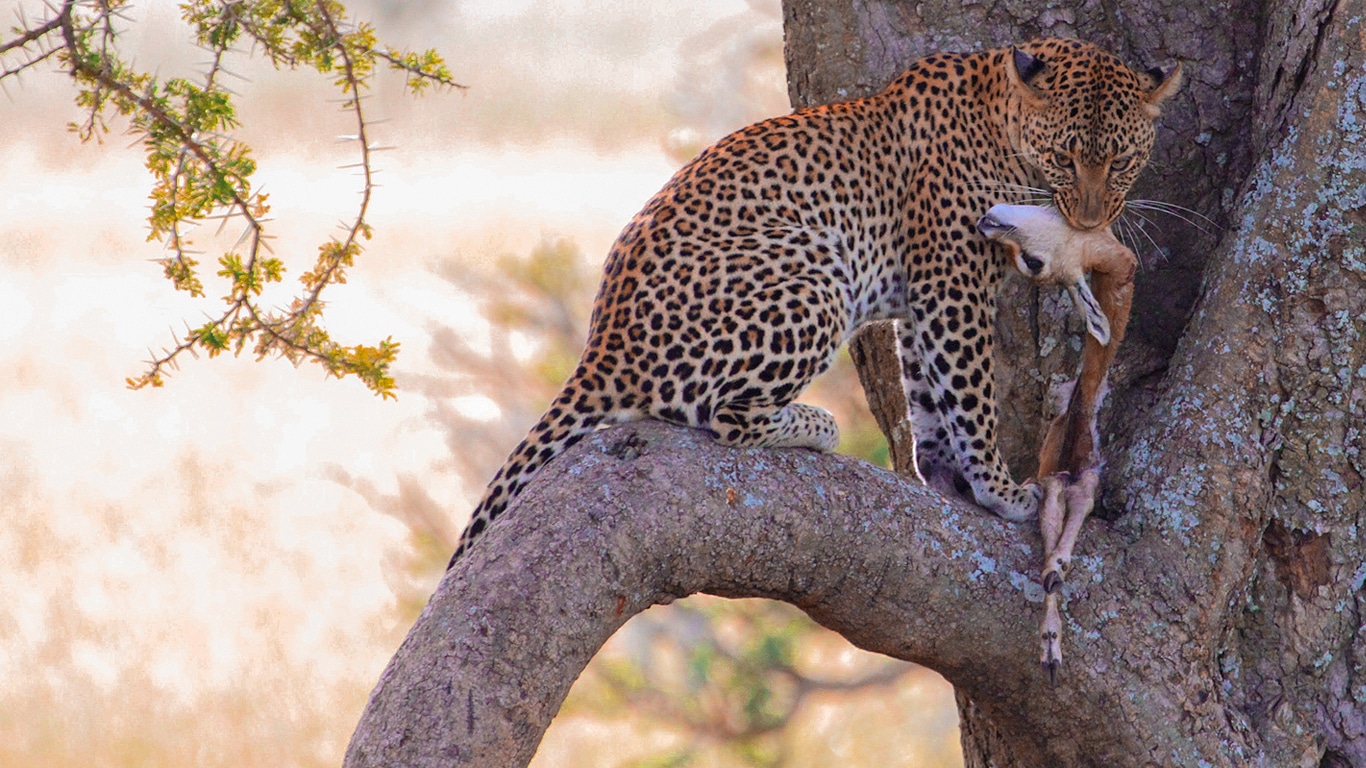
The Seronera and Songore Rivers are widely cited as the best places in Africa to find leopards. A long-term study recorded a staggering density of one leopard per ten square miles in this specific area—one of the highest concentrations ever documented.
- The Sausage Tree Strategy: Unlike more heavily wooded regions, Seronera’s trees are relatively sparse along the riverbanks. This makes it significantly easier to spot the “Prince of Stealth” lounging in the sturdy branches of a sausage tree, their tail often the only sign of their presence as it twitches amidst the foliage.
Solitary Enigma: Sightings here offer a glimpse into the leopard’s solitary life. These powerful cats are capable of dragging prey weighing more than their own bodies high into the canopy to protect it from scavengers.
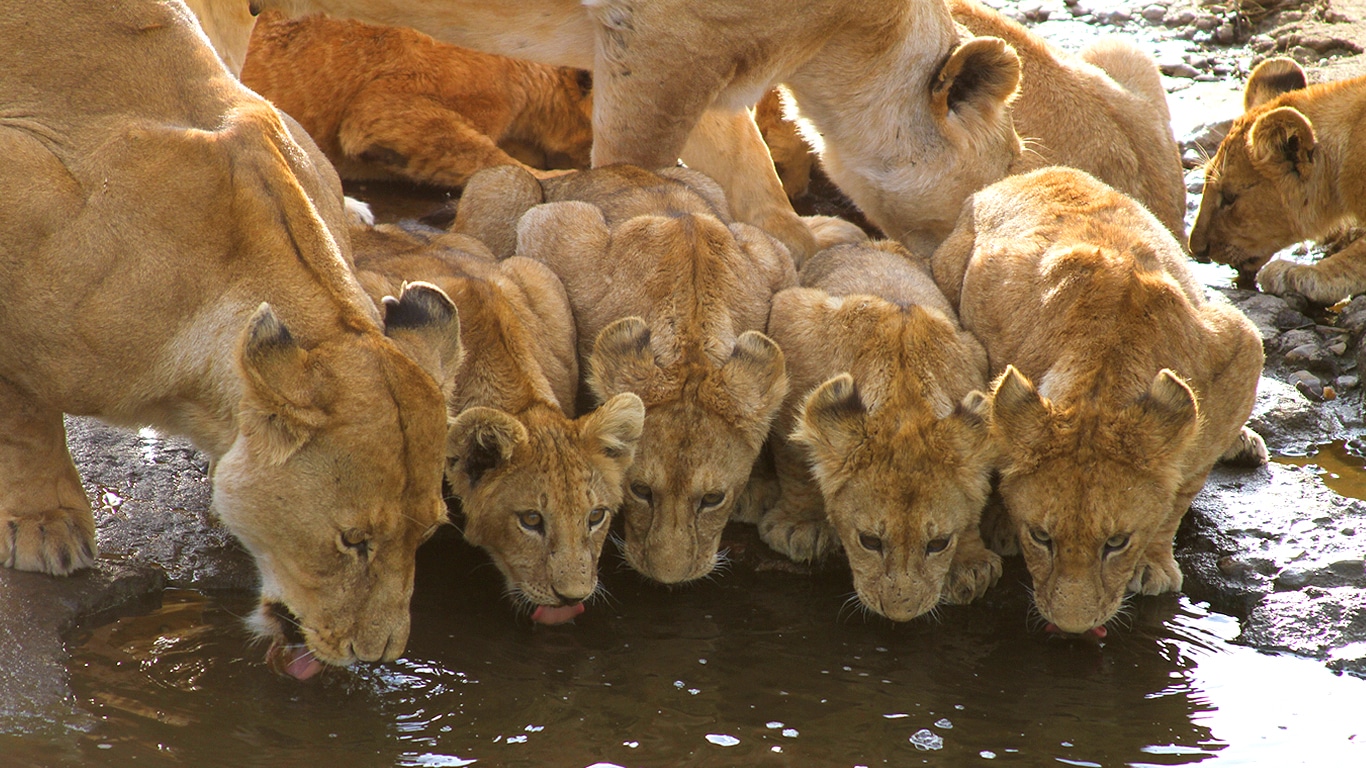
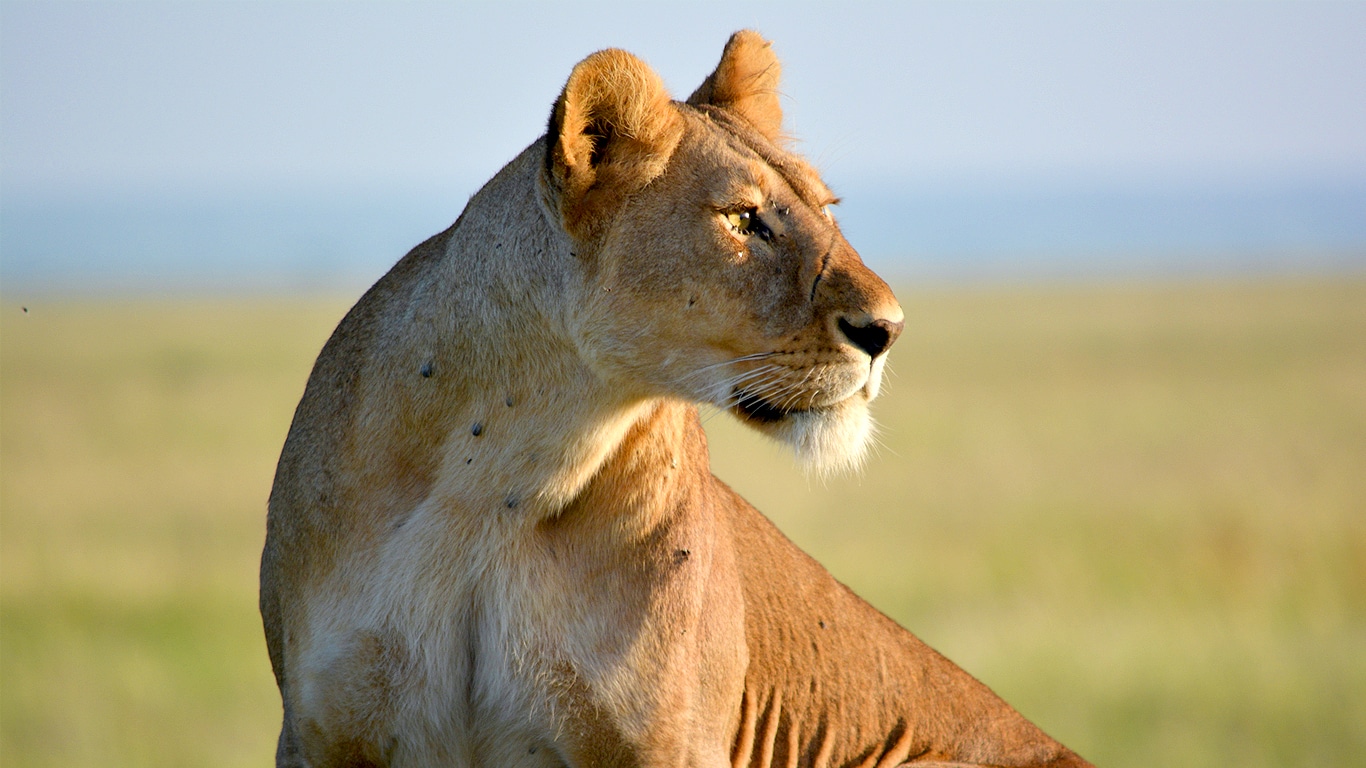
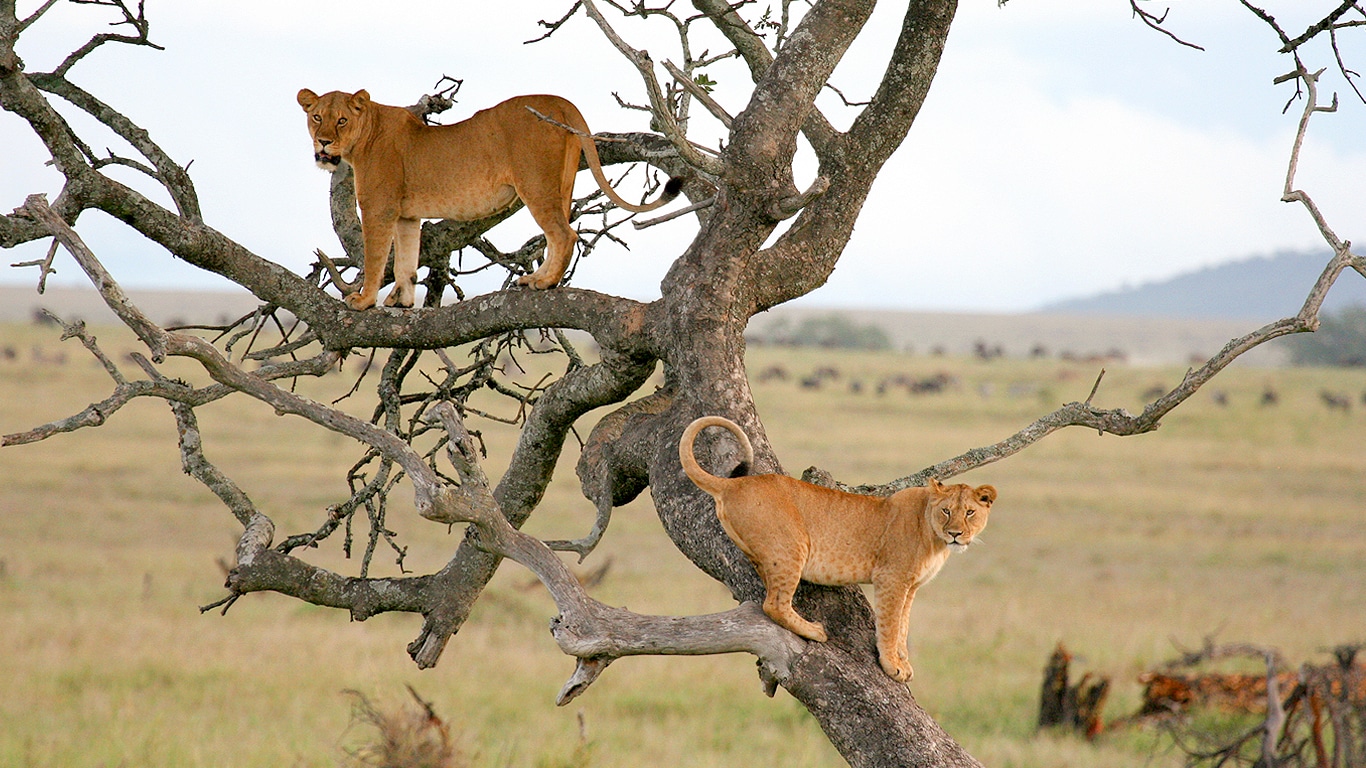
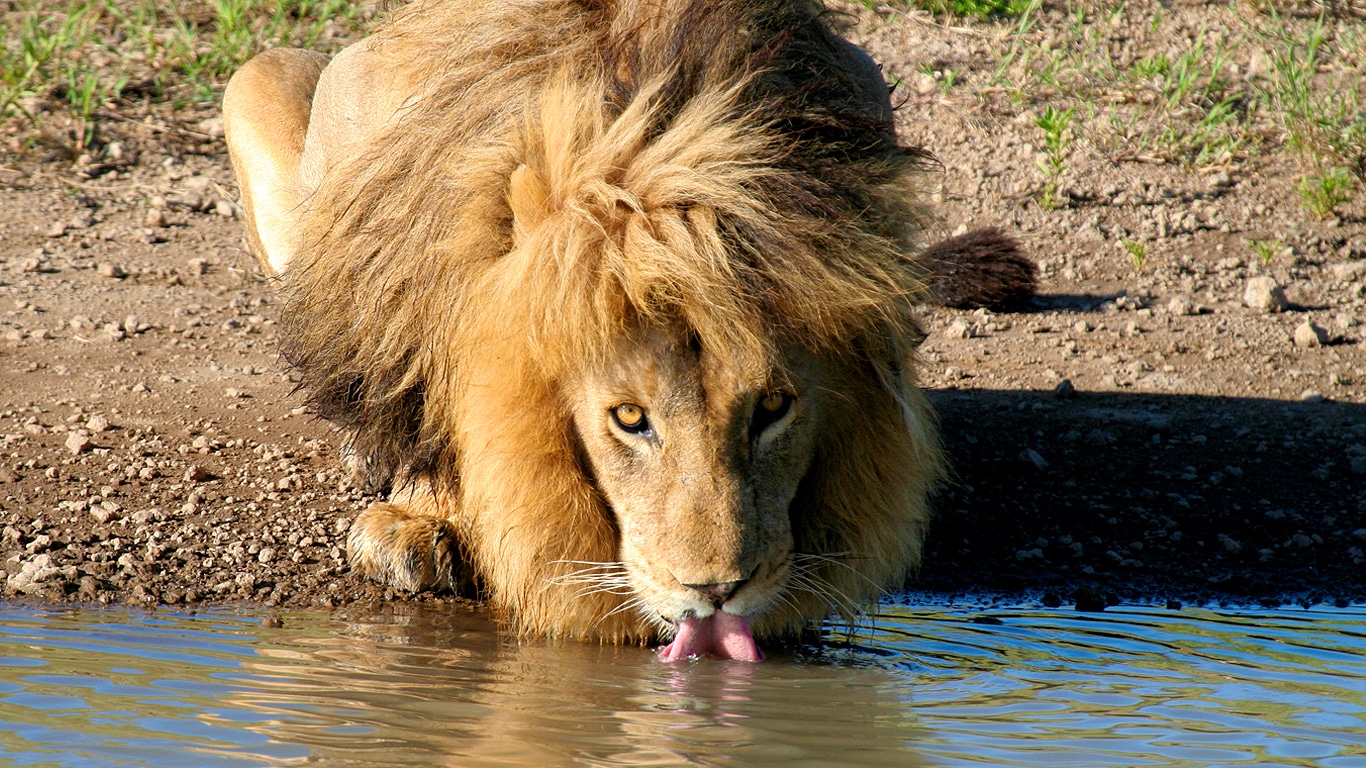
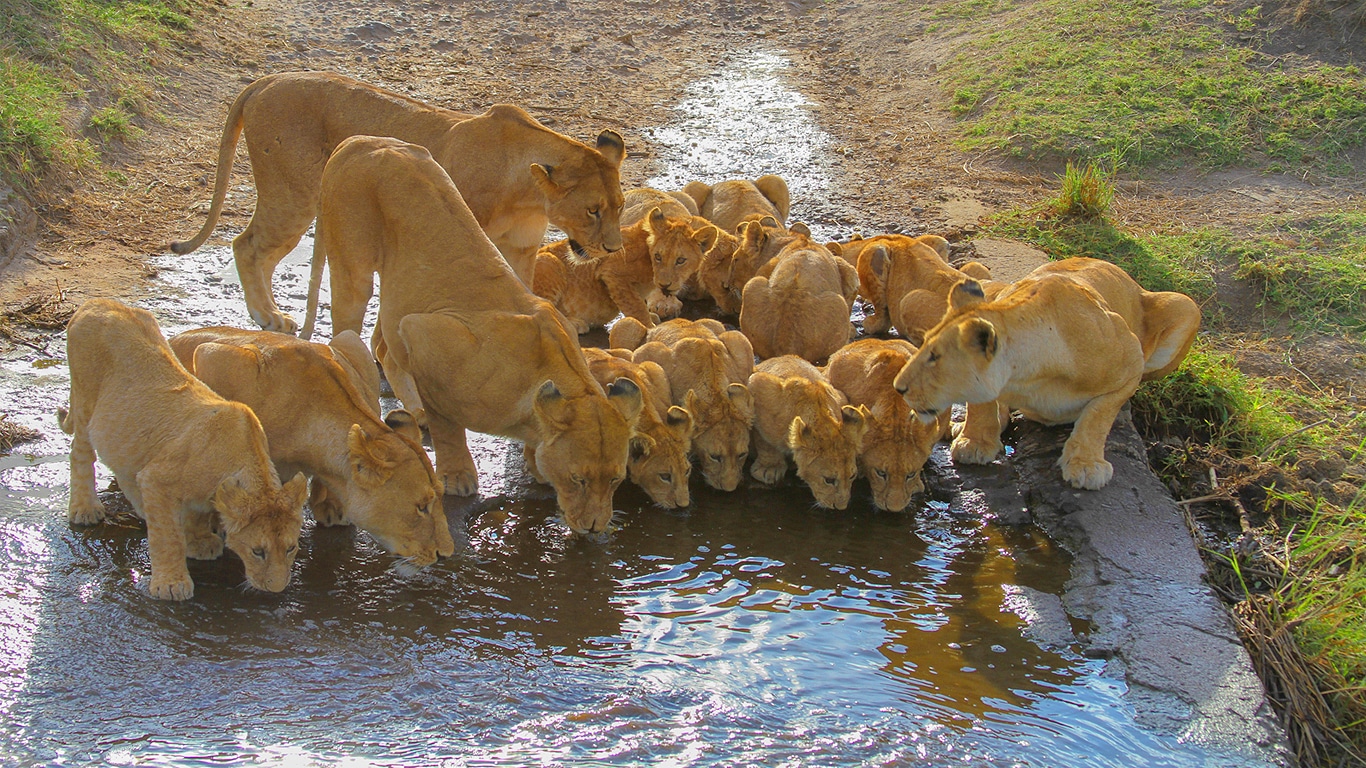
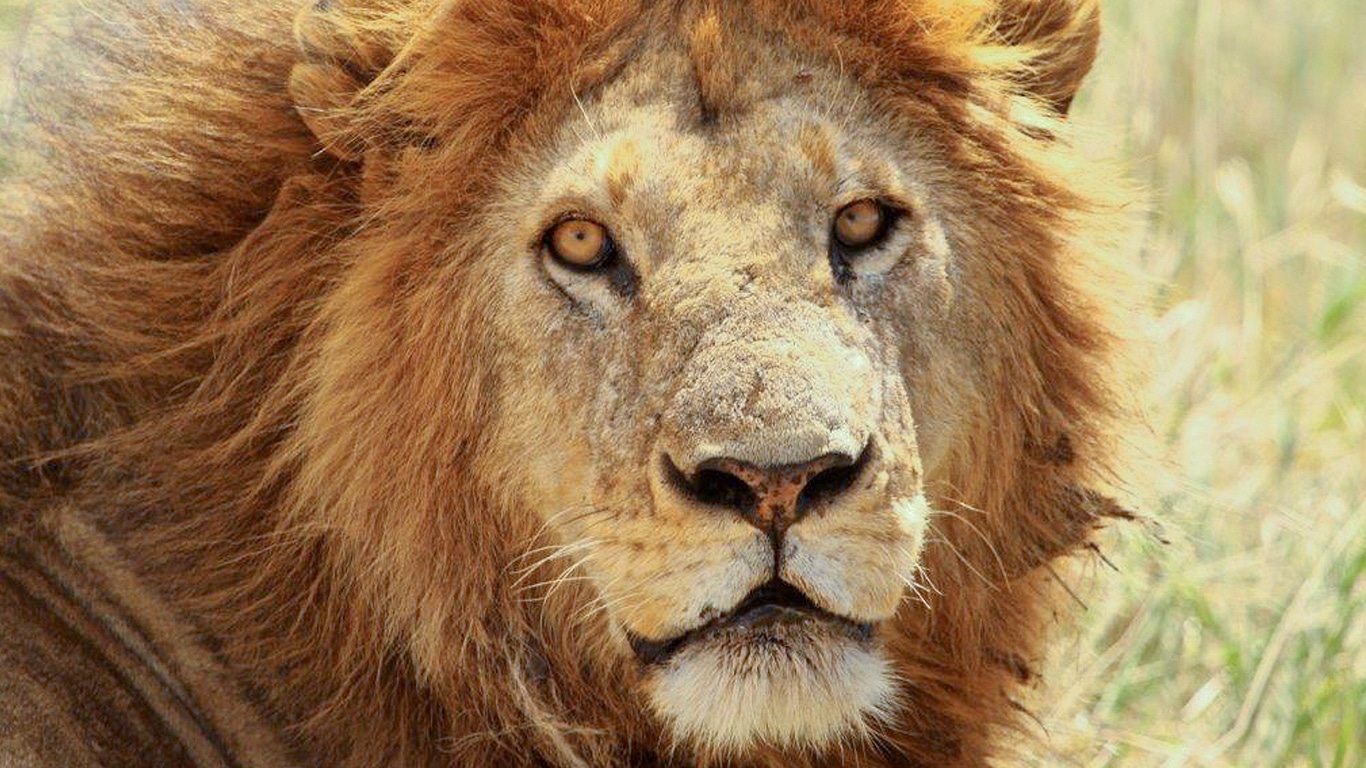
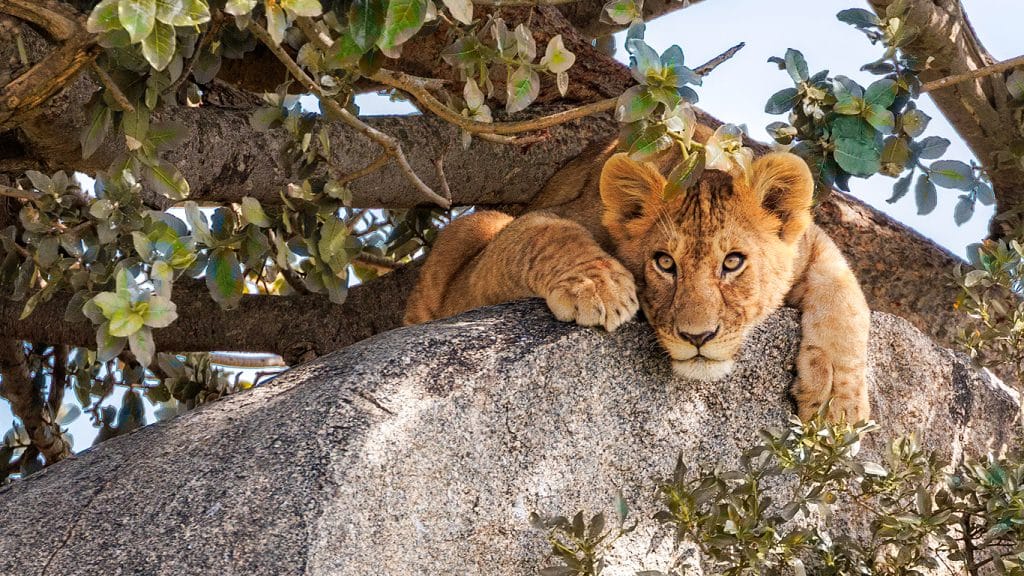
The Seronera River is also the “Park Place” of lion territories. Because water and prey are permanent, the riverbanks support the largest and most stable resident prides in the park, including the Seronera, Masai Kopjes, Makoma Hill, and Campsite prides.
- Groundbreaking Research: Since 1966, this area has been the home of the Serengeti Lion Project, the longest continuous field study of a large mammal ever conducted.
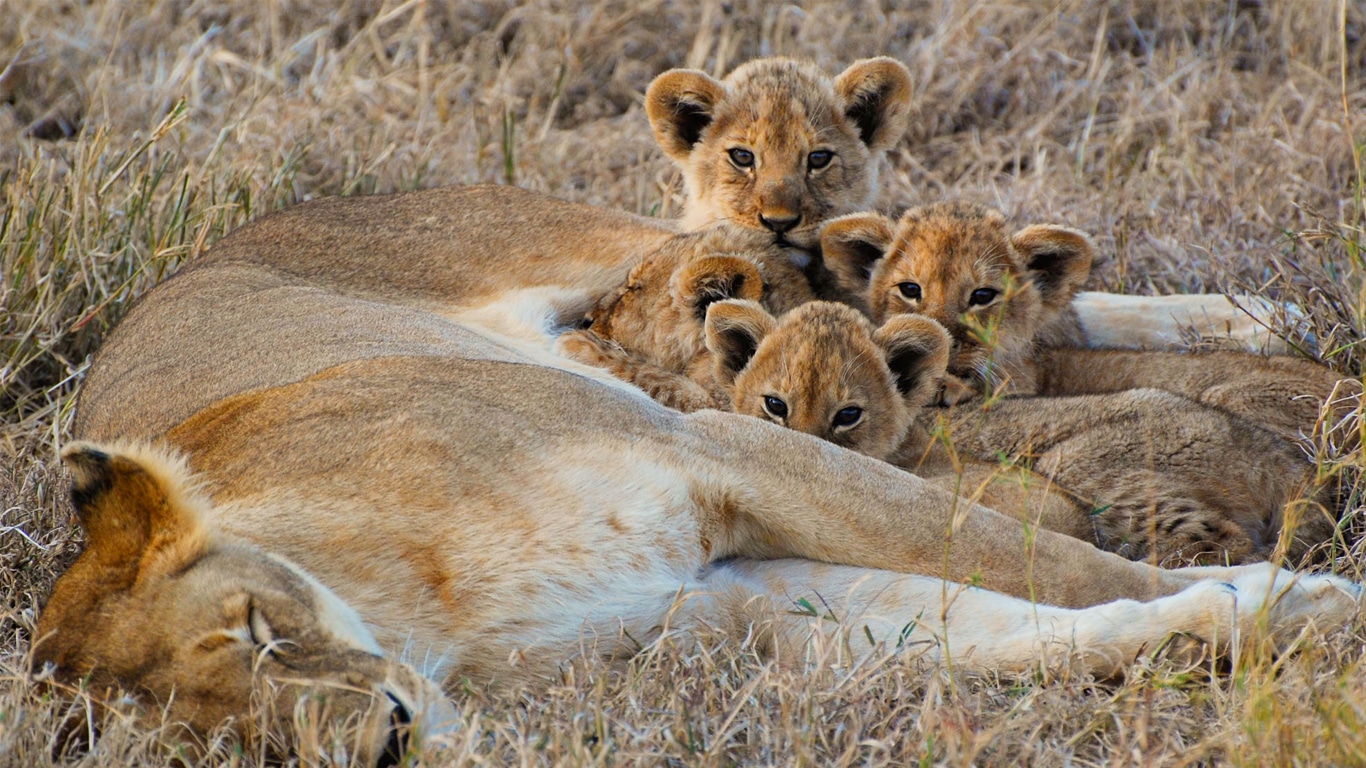
- The Matriarchy: Lion society here is a true matriarchy; while male coalitions (husbands) come and go every few years to defend the pride, the core group of related females retains the river territory for generations.
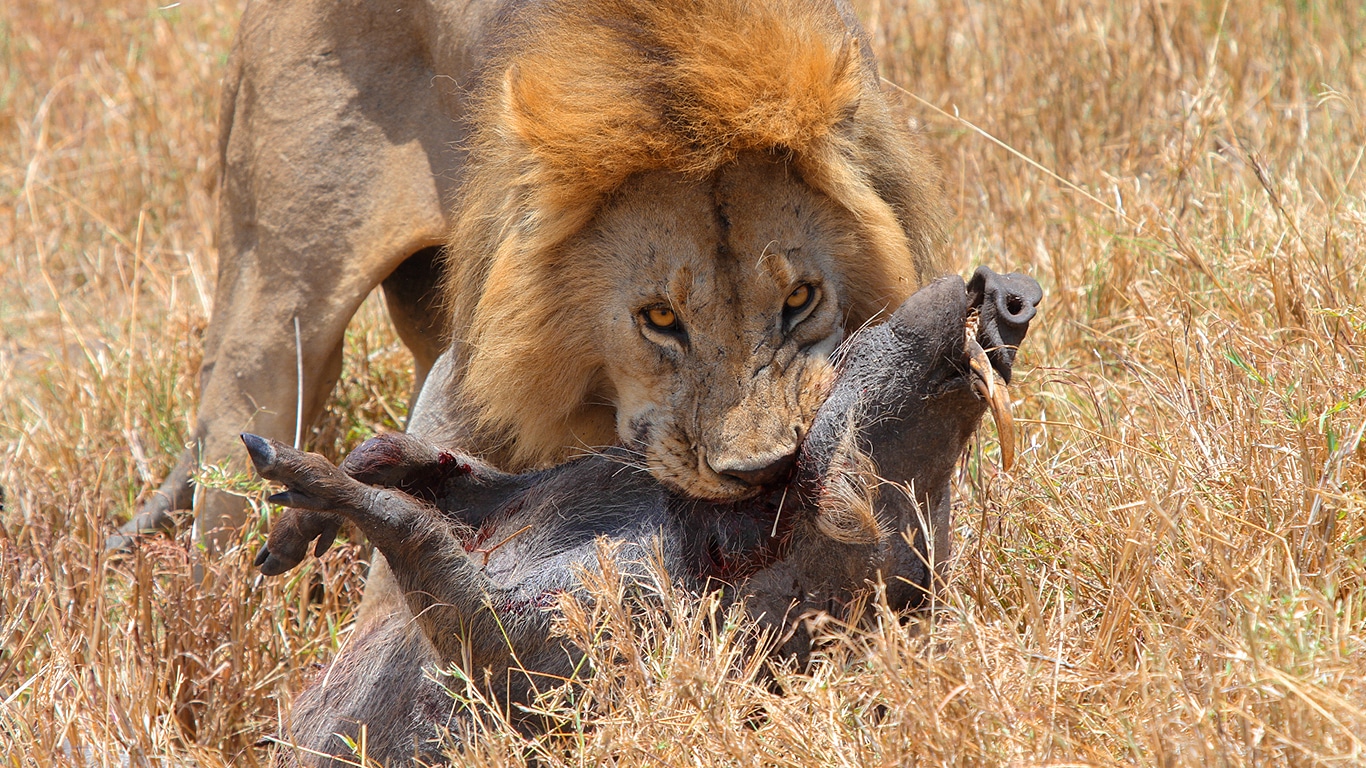
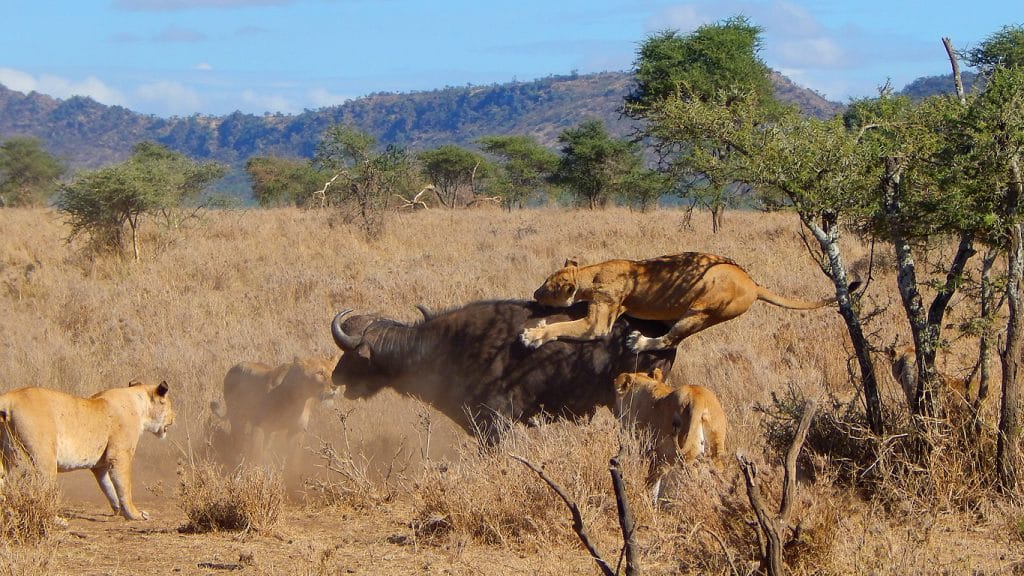
- Ambush Dynamics: While lions typically hunt at night, the thick bush along the Seronera River provides enough cover for them to stalk prey during the day.
“When several lions spot potential quarry they characteristically fan out and approach in a broad front… And at no time is such movement more vitally beautiful than when a lion tautly snakes toward its prey. I found that fleeting hesitation between the end of the stalk and the final explosive rush a moment of almost unbearable tension, a drama in which it was impossible not to participate emotionally, knowing that the death of a being hung in the balance.” — George Schaller, The Serengeti Lion
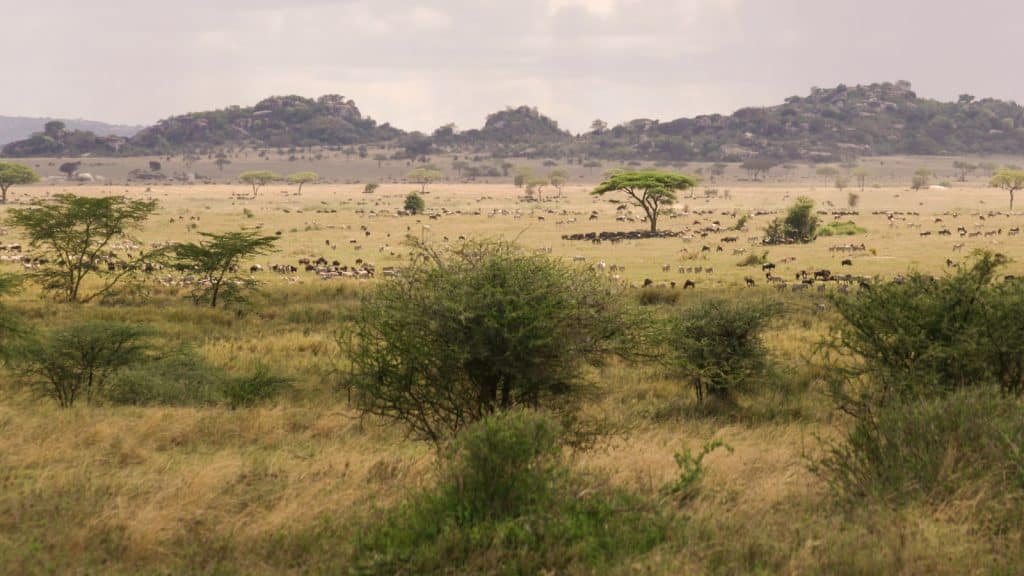
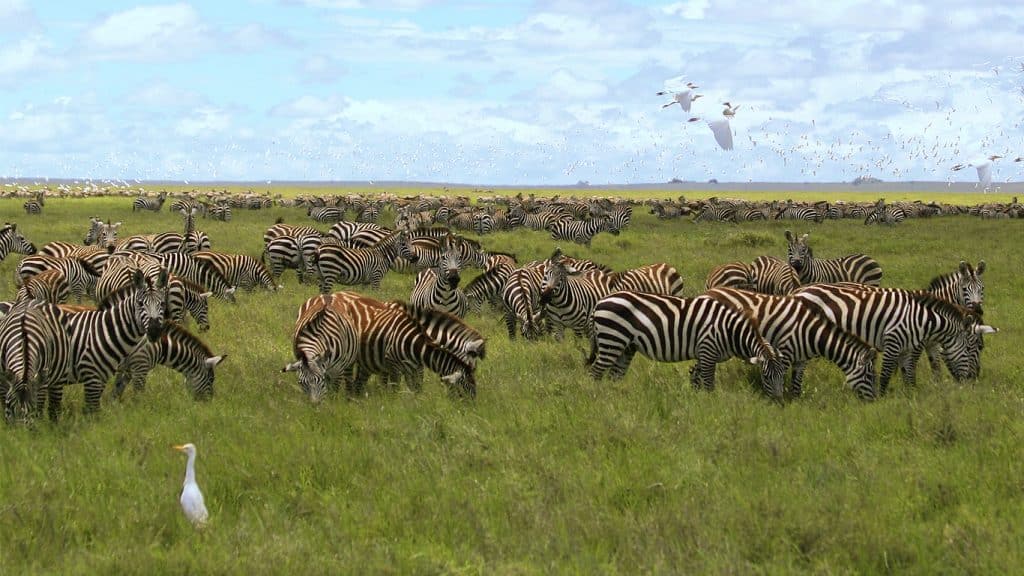
During the Northward (May–June) and Southward (Nov–Dec) movements, the riverbanks are engulfed by hundreds of thousands of wildebeest and zebra. As Myles Turner, the Serengeti’s legendary chief warden, noted: “The migrating wildebeest were scattered for miles… big-maned lions moved majestically among the herds.” During these periods, the resident predators of the Seronera River don’t need to travel; the “greatest show on earth” essentially delivers itself to their doorstep.
Seasonal Highlights
| Month | Season | Weather | Wildlife Sightings | Rec. |
|---|---|---|---|---|
| Jan | Green Season | 60 - 85 F Mostly sunny with few showers |
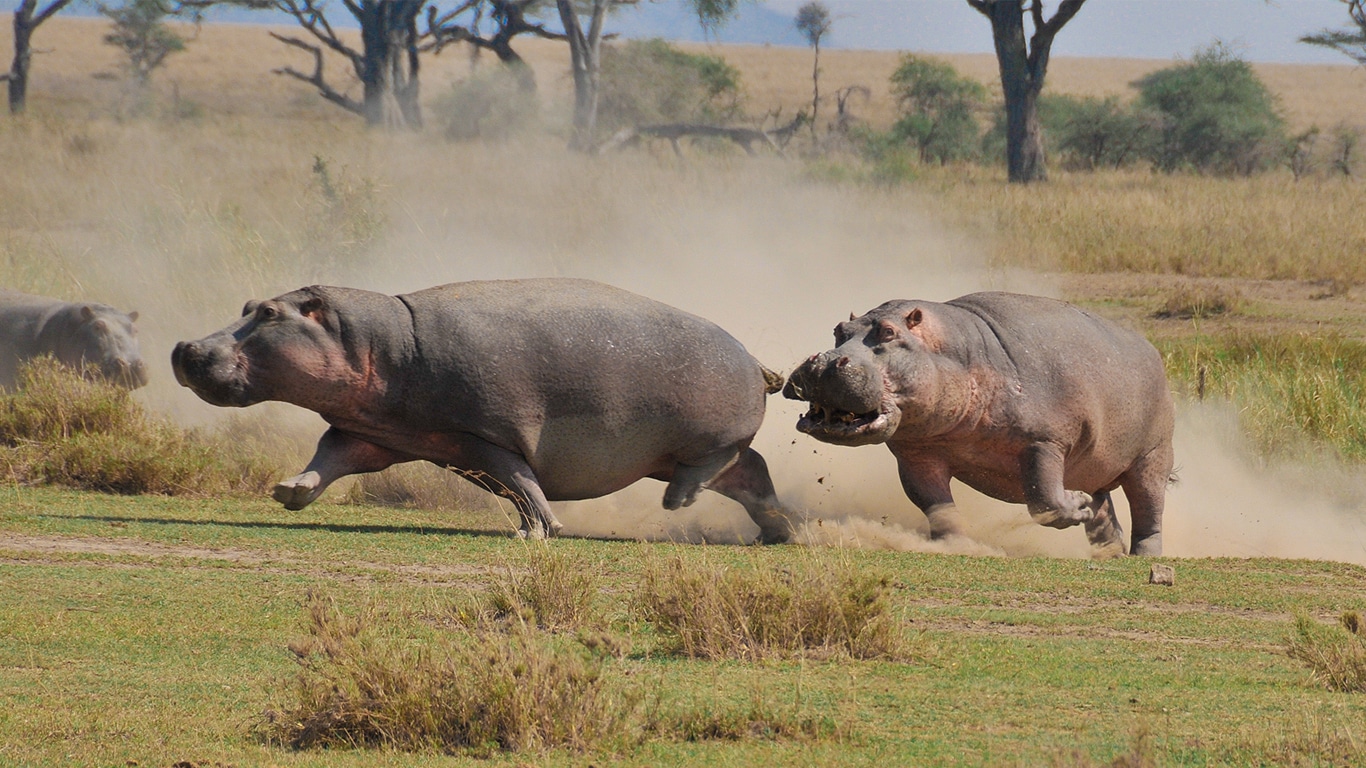
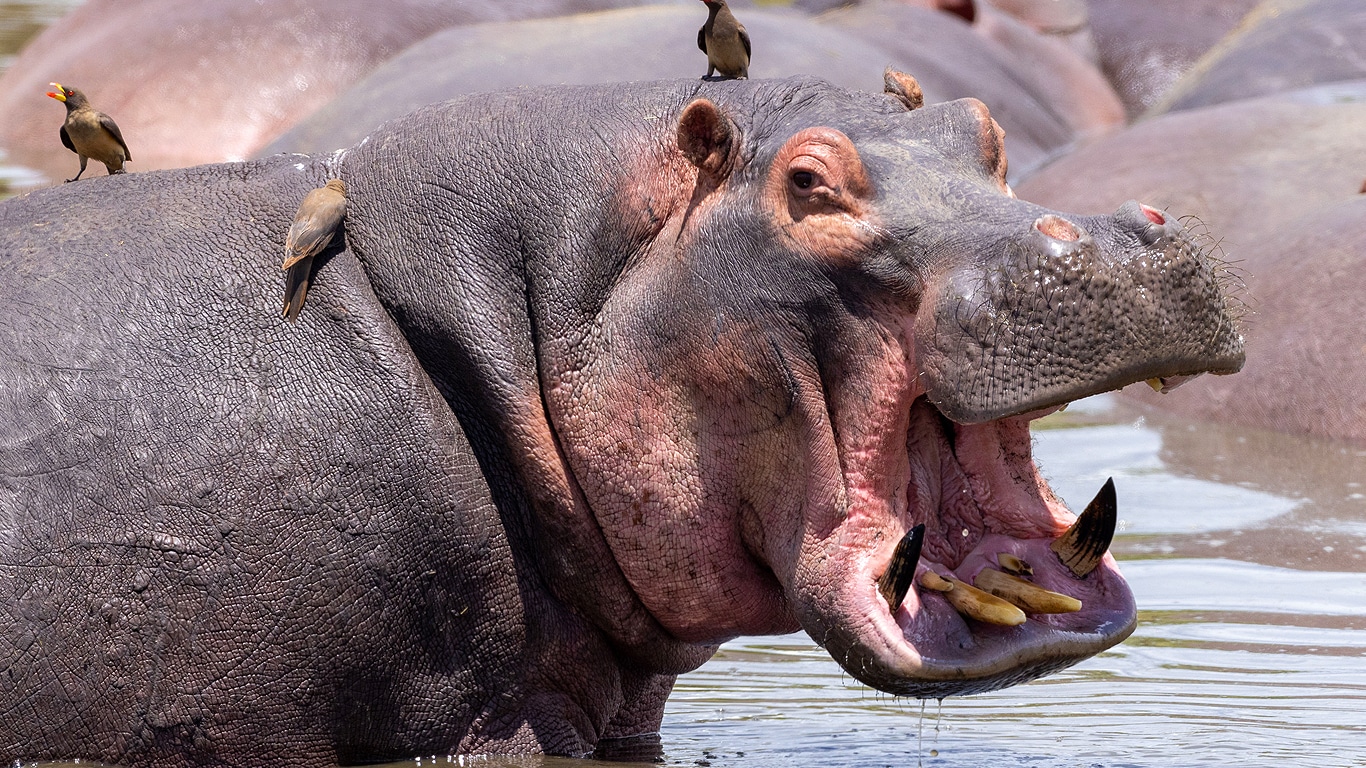
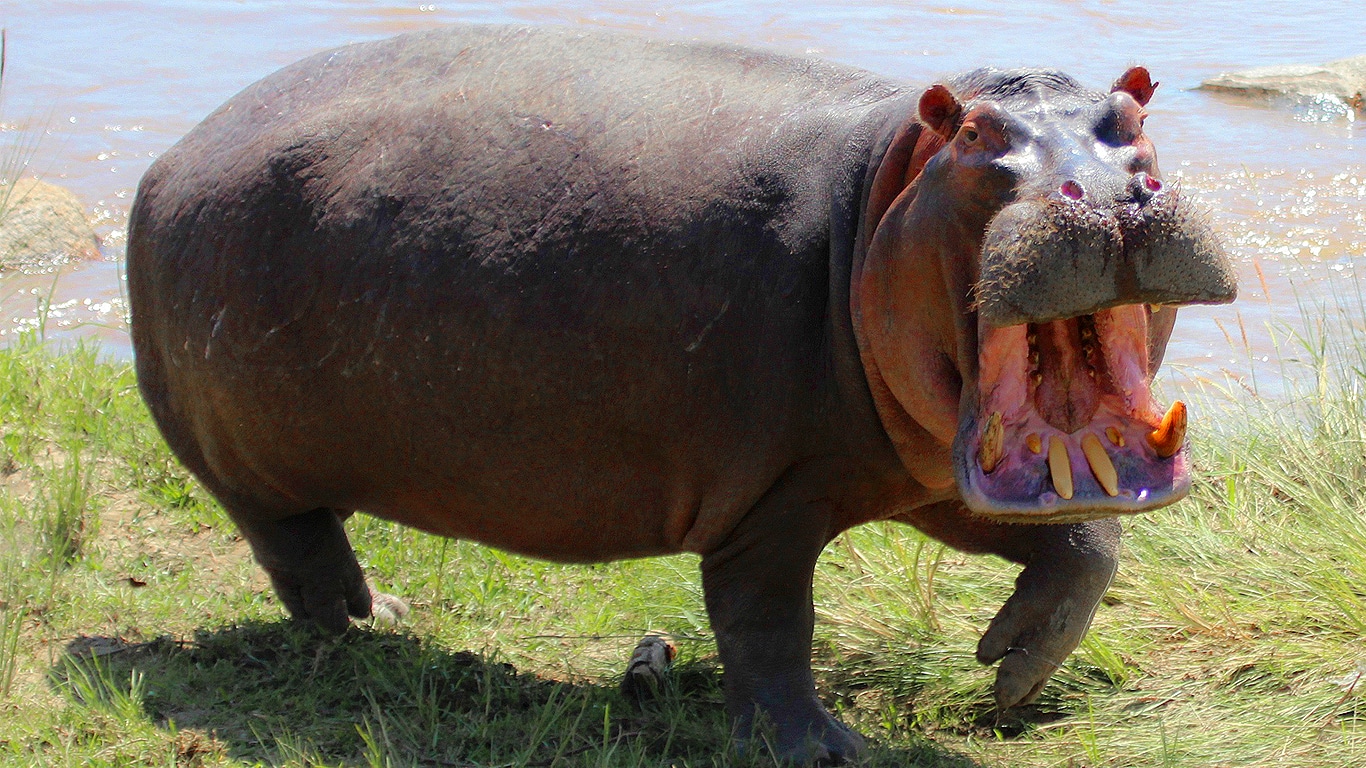
Leopard, Lion, Giraffe, Impala, Buffalo, Hippo | Yes |
| Feb | Green Season | 60 - 85 F Mostly sunny with few showers |
Leopard, Lion, Giraffe, Impala, Buffalo, Hippo | Yes |
| Mar | Green Season | 60 - 83 F Mostly sunny with few showers |
Leopard, Lion, Giraffe, Impala, Buffalo, Hippo | Yes |
| Apr | Green Season | 60 - 83 F Mostly sunny with few showers |
Leopard, Lion, Giraffe, Impala, Buffalo, Hippo | Yes |
| May | Northward Migration | 56 - 81 F Mostly sunny |
Leopard, Lion, Giraffe, Impala, Buffalo, Hippo, Possibility of the Wildebeest Migration in mid to late May | Yes |
| Jun | Beginning of Dry Season | 56 - 81 F Mostly sunny |
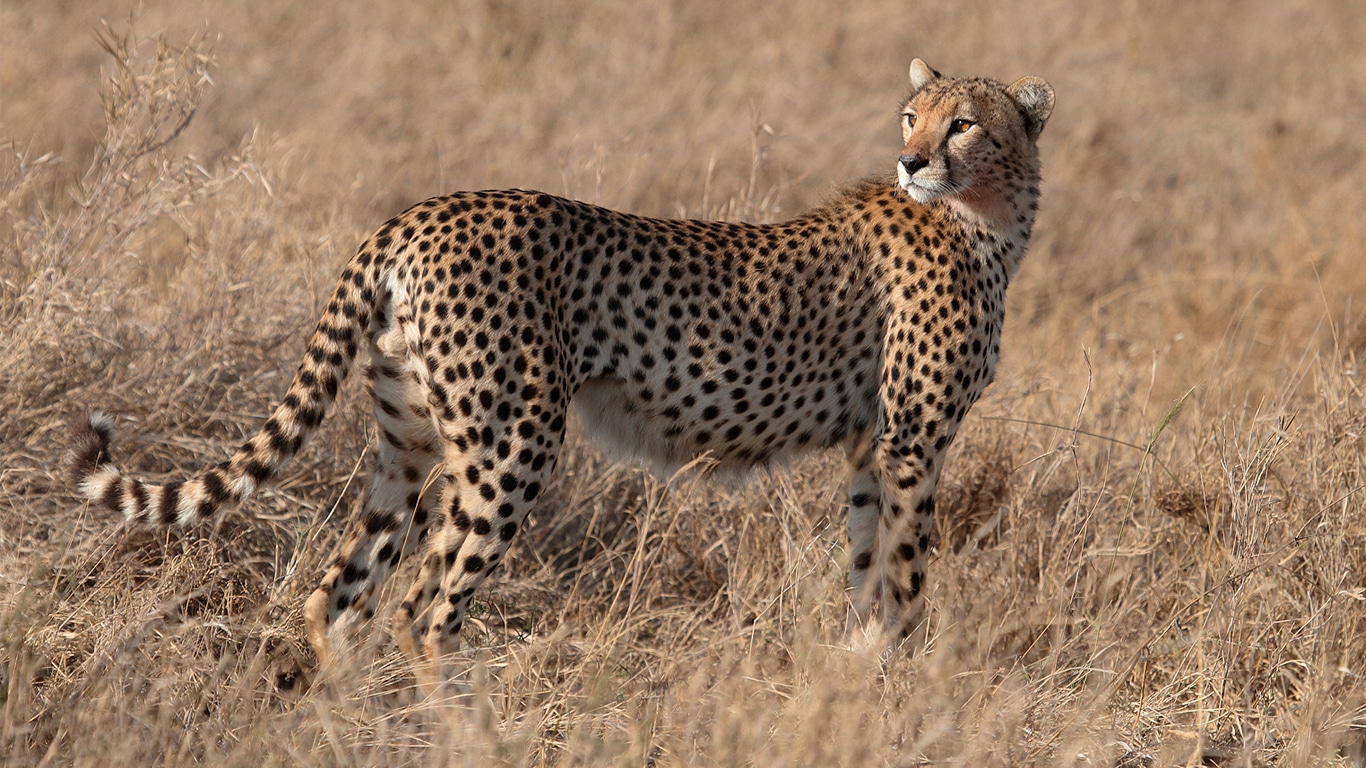
Wildebeest Migration, Zebra Migration, Thomson's Gazelle Migration, Cheetah, Leopard, Lion, Giraffe, Buffalo, Hippo | Yes |
| Jul | Dry Season | 60 - 83 F Mostly sunny |
Thomson's Gazelle Migration, Cheetah, Leopard, Lion, Giraffe, Impala, Buffalo, Hippo | Yes |
| Aug | Dry Season | 55 - 81 F Mostly sunny |
Thomson's Gazelle Migration, Cheetah, Leopard, Lion, Giraffe, Impala, Buffalo, Hippo | Yes |
| Sep | Dry Season | 55 - 81 F Mostly sunny |
Thomson's Gazelle Migration, Cheetah, Leopard, Lion, Giraffe, Impala, Buffalo, Hippo | Yes |
| Oct | Dry Season | 60 - 83 F Mostly sunny |
Thomson's Gazelle Migration, Cheetah, Leopard, Lion, Giraffe, Impala, Buffalo, Hippo | Yes |
| Nov | Southward Migration | 60 - 83 F Mostly sunny with few showers |
Leopard, Lion, Giraffe, Impala, Buffalo, Hippo, Wildebeest Migration, Zebra Migration | Yes |
| Dec | Beginning of Green Season | 60 - 83 F Mostly sunny with few showers |
Leopard, Lion, Giraffe, Impala, Buffalo, Hippo | Yes |
Nearby Lodges

Nearby Attractions


What are you waiting for?
Create Your Own Itinerary
Receive instant day-by-day trip details designed just for you including rates, seasonal highlights, guest testimonials, photos & more!
Get In Touch
Our Safari Specialists Are Ready to Help Kickstart Your Adventure
Toll-Free
US Office
31244 Palos Verdes Dr. West, Suite 239 Rancho Palos Verdes, CA 90275
Hours: Daily 8AM - 8PM PST
Drop Us A Line
Leave your contact info below