Tarangire River
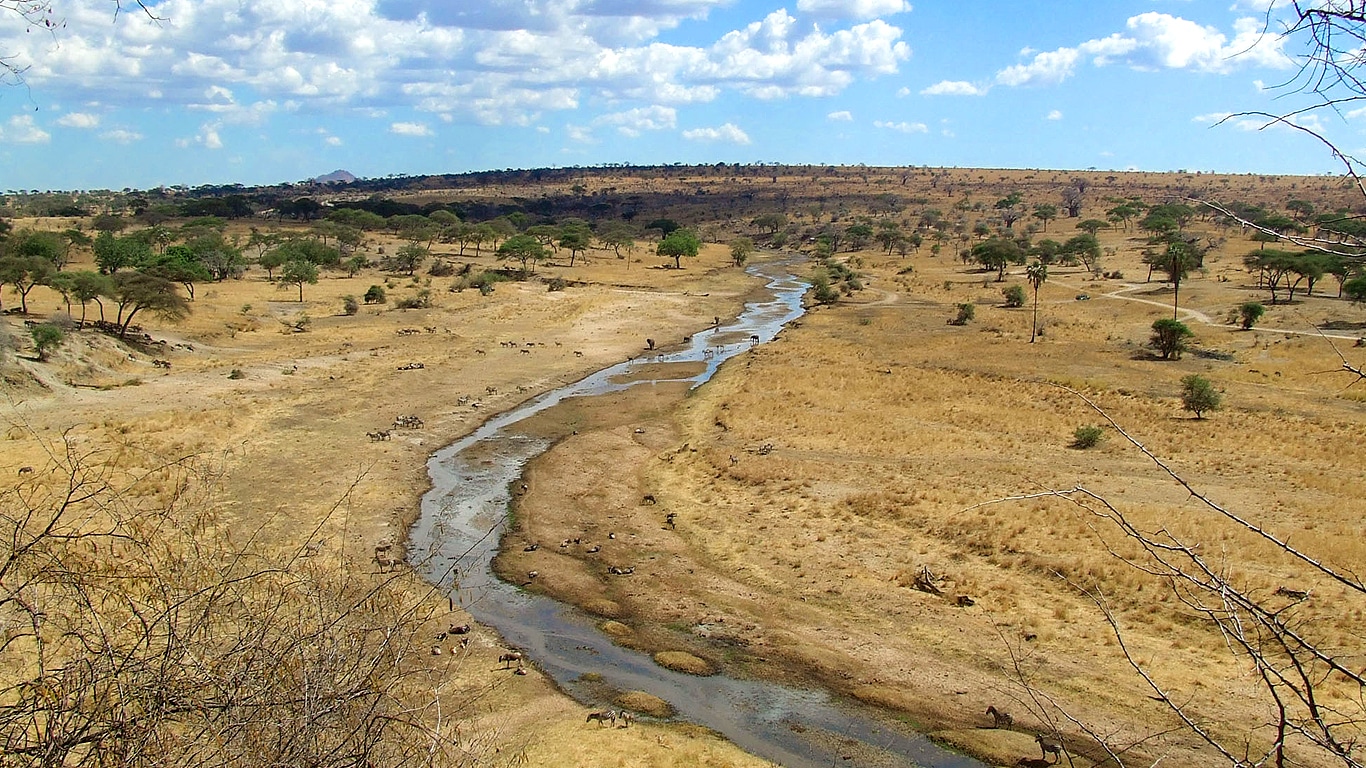
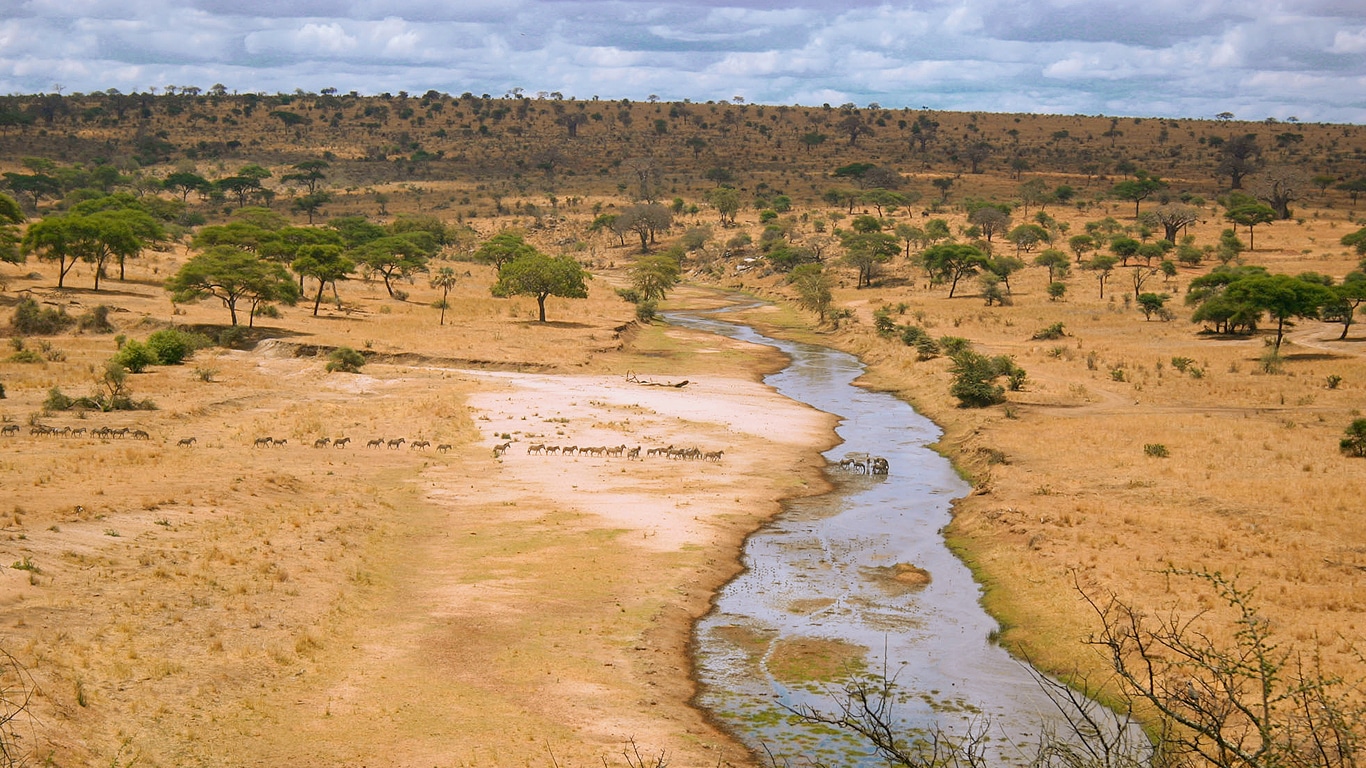
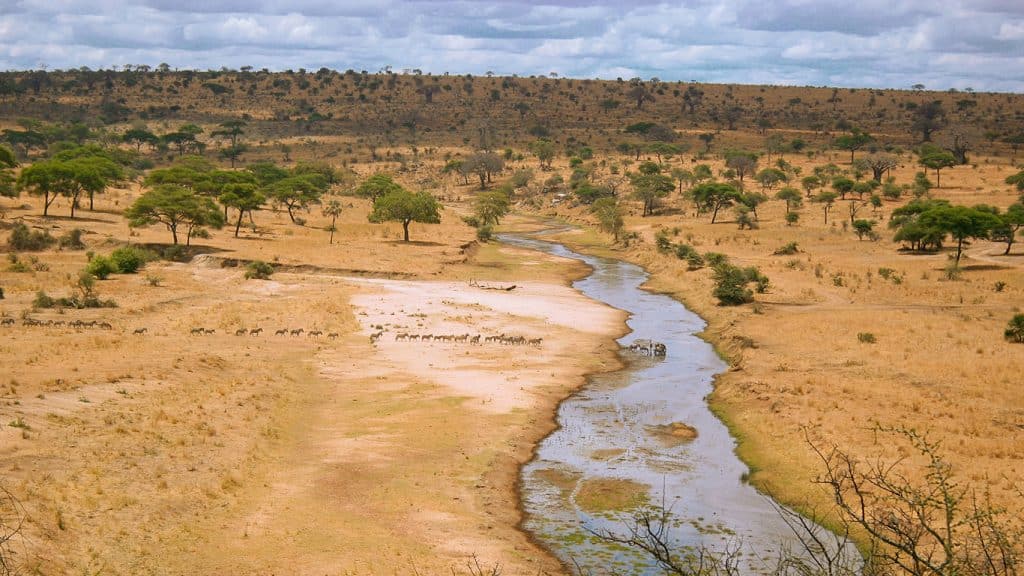
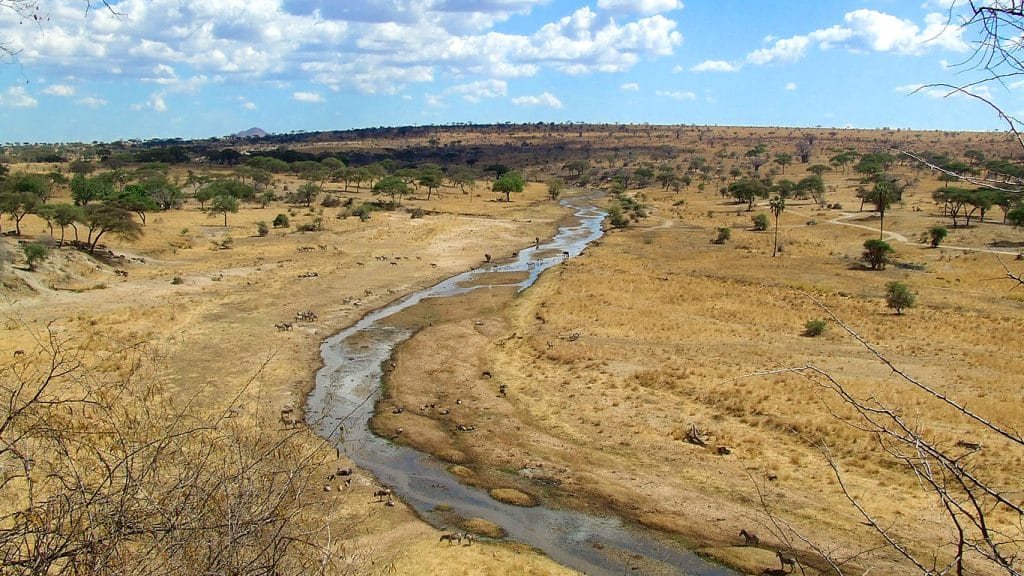
The Tarangire River is the pulse of the park, serving as the only permanent water source in a landscape of red dust and ancient baobabs. During the dry season, it acts as a magnet for North Tanzania’s largest elephant population and a high-stakes "smorgasbord" for predators.
Details
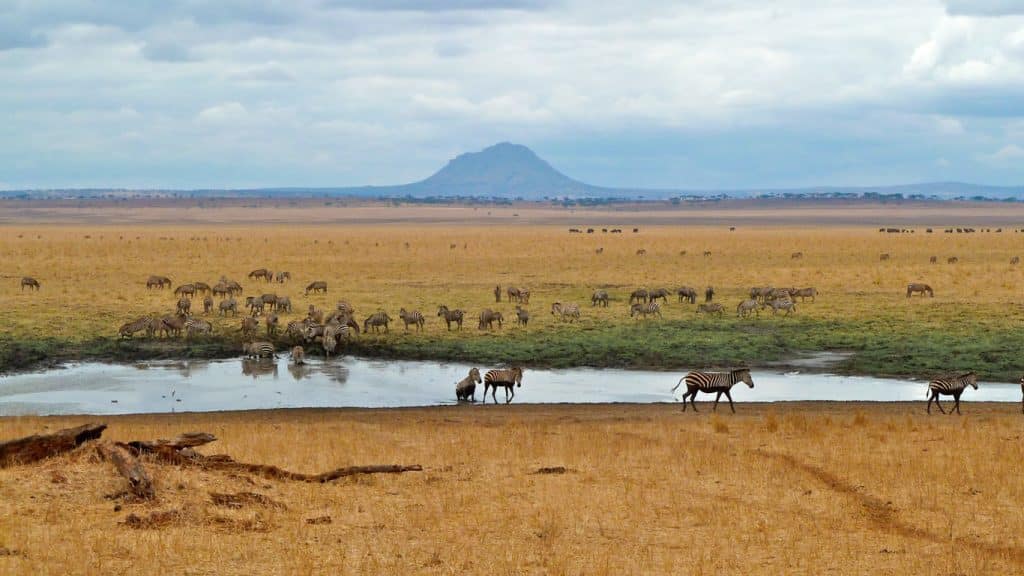
Tarangire National Park takes its name from this life-giving river that carves its way through the center of the ecosystem. During the dry season (July to October), when the afternoon sky burns a vivid blue and the earth turns a parched, dusty red, the river becomes the ultimate sanctuary. As seasonal waterholes elsewhere vanish, a “menagerie” of wildlife—from tiny dik-diks to six-ton elephants—flocks from miles around to the receding banks. It is a time of high drama and spectacular density, where the struggle for survival is centered around every remaining pool of water.
The Fever Tree Groves
The clay shores of the river are lined with statuesque groves of Yellow-barked Fever Trees (Vachellia xanthophloea). These ghost-like trees thrive in the poorly drained soils where other species fail.
History Note: Early explorers named it the “Fever Tree” because they believed the tree itself caused malaria. In reality, the connection was merely coincidental; both the trees and the malaria-carrying mosquitoes simply favor the same moist, riverside conditions.
The Great Congregation
The riverine circuit offers some of the most consistent and concentrated game viewing in East Africa:
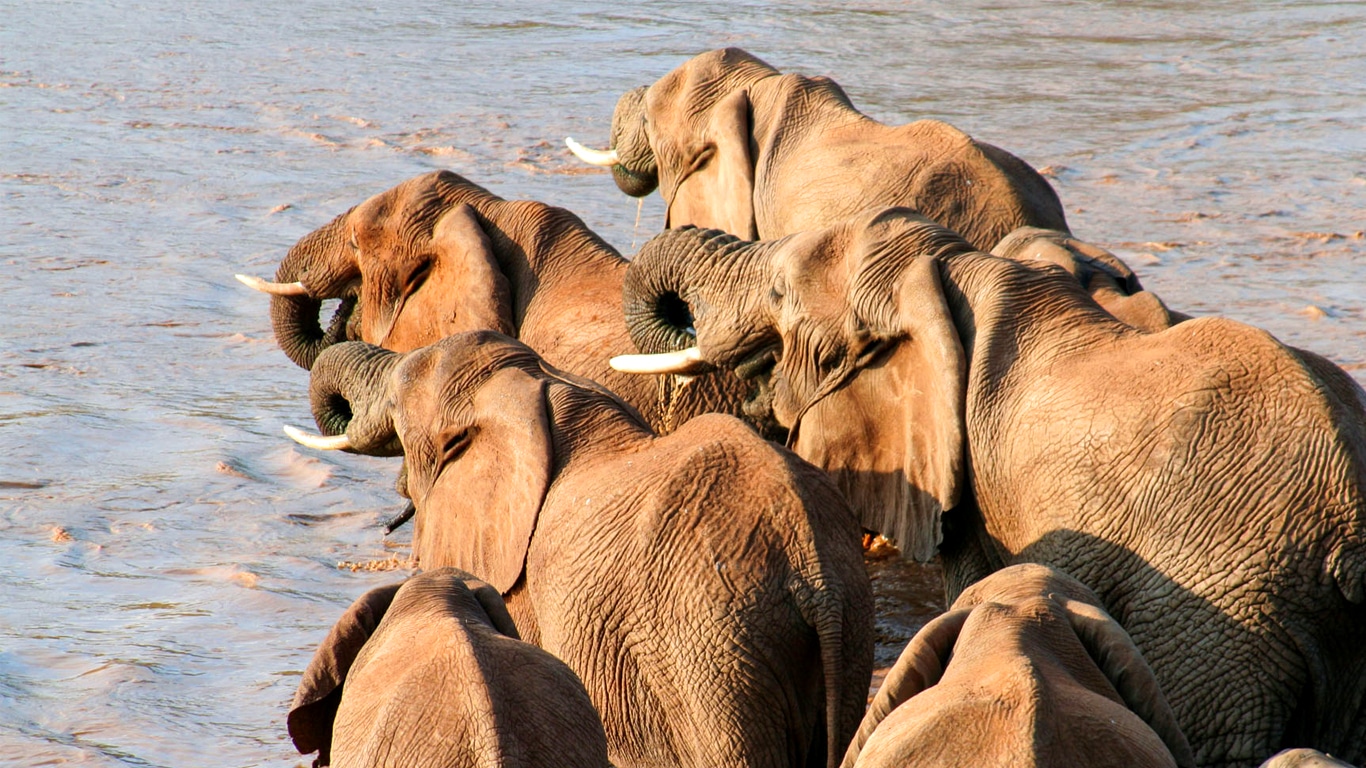
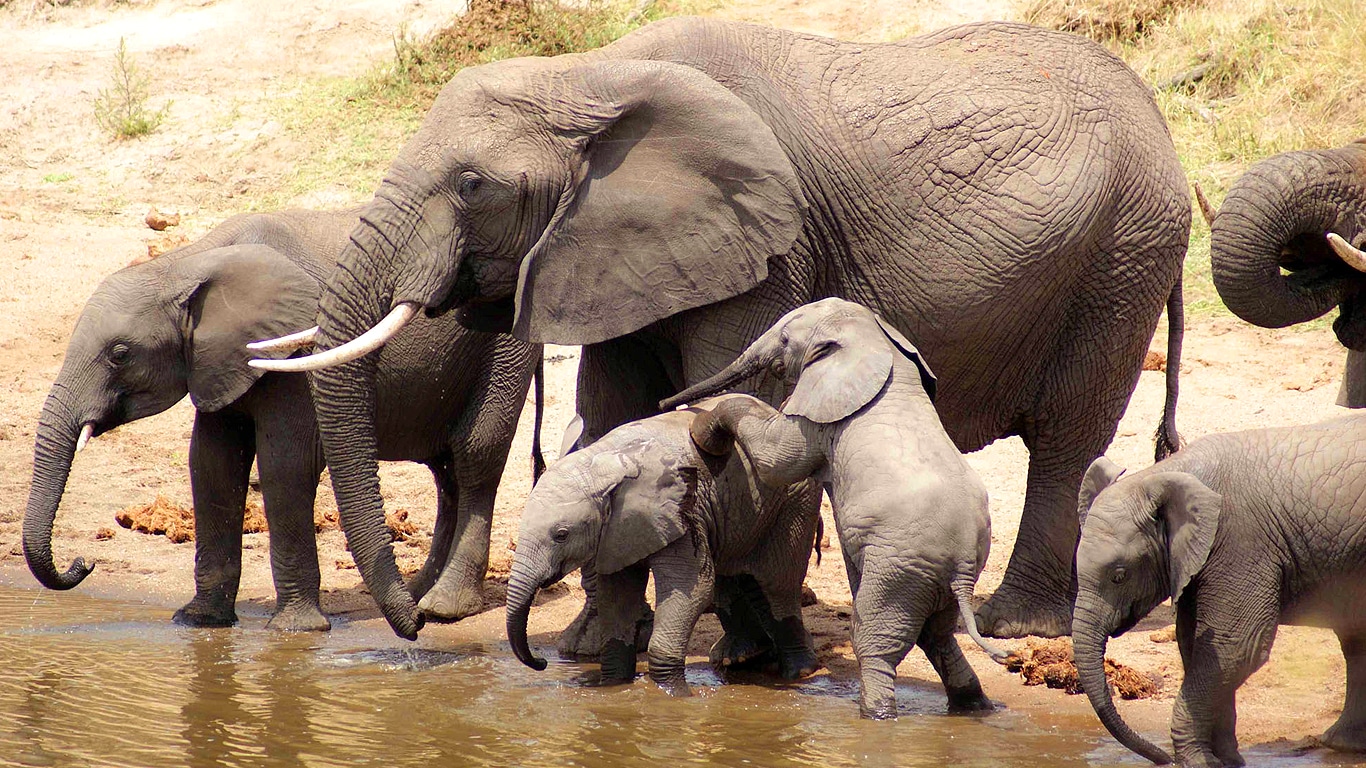
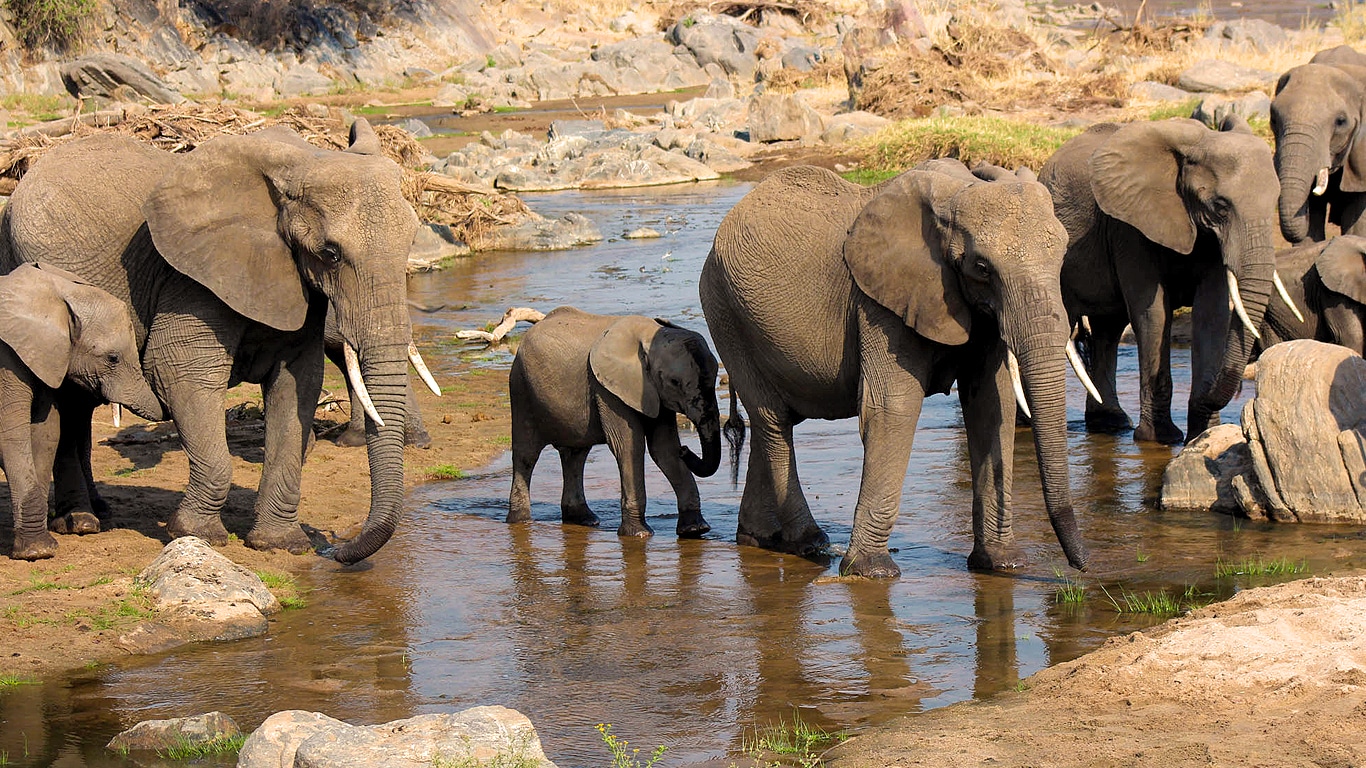
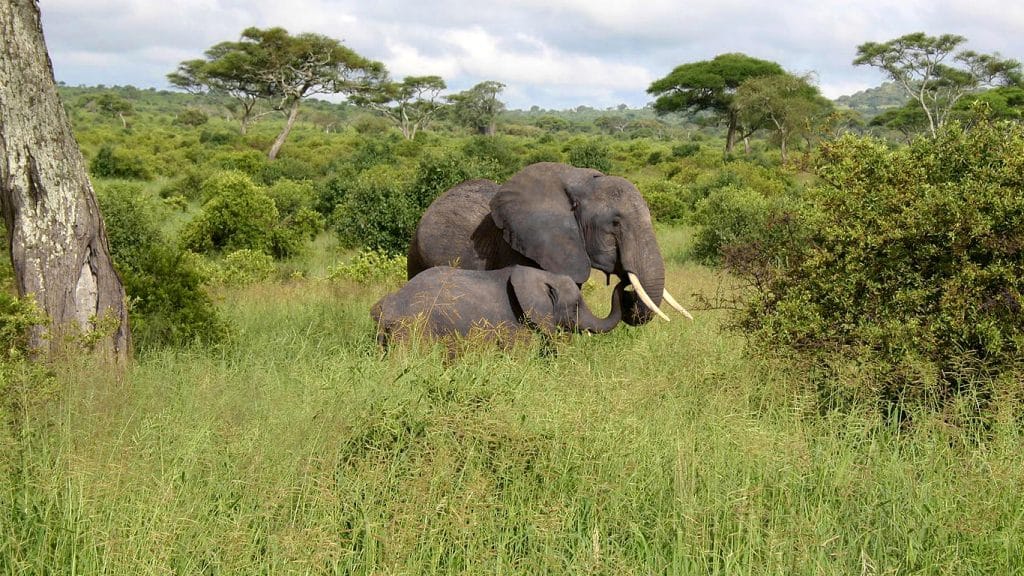
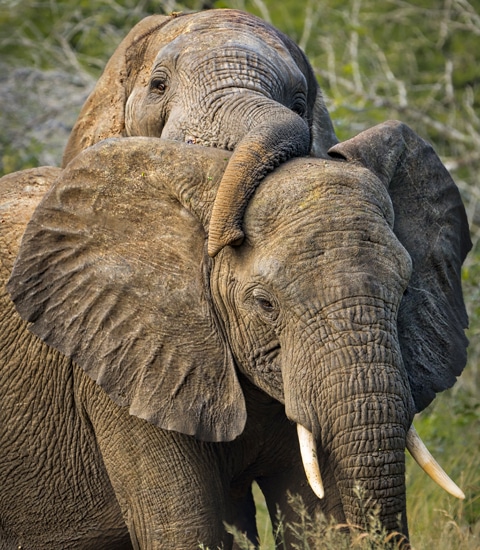
- The Elephant Stronghold: Tarangire is world-famous for its elephants. You will see long columns of them filing down to the water, where they use their trunks to dig for underground streams or “dust” themselves with the park’s iconic brick-colored earth.
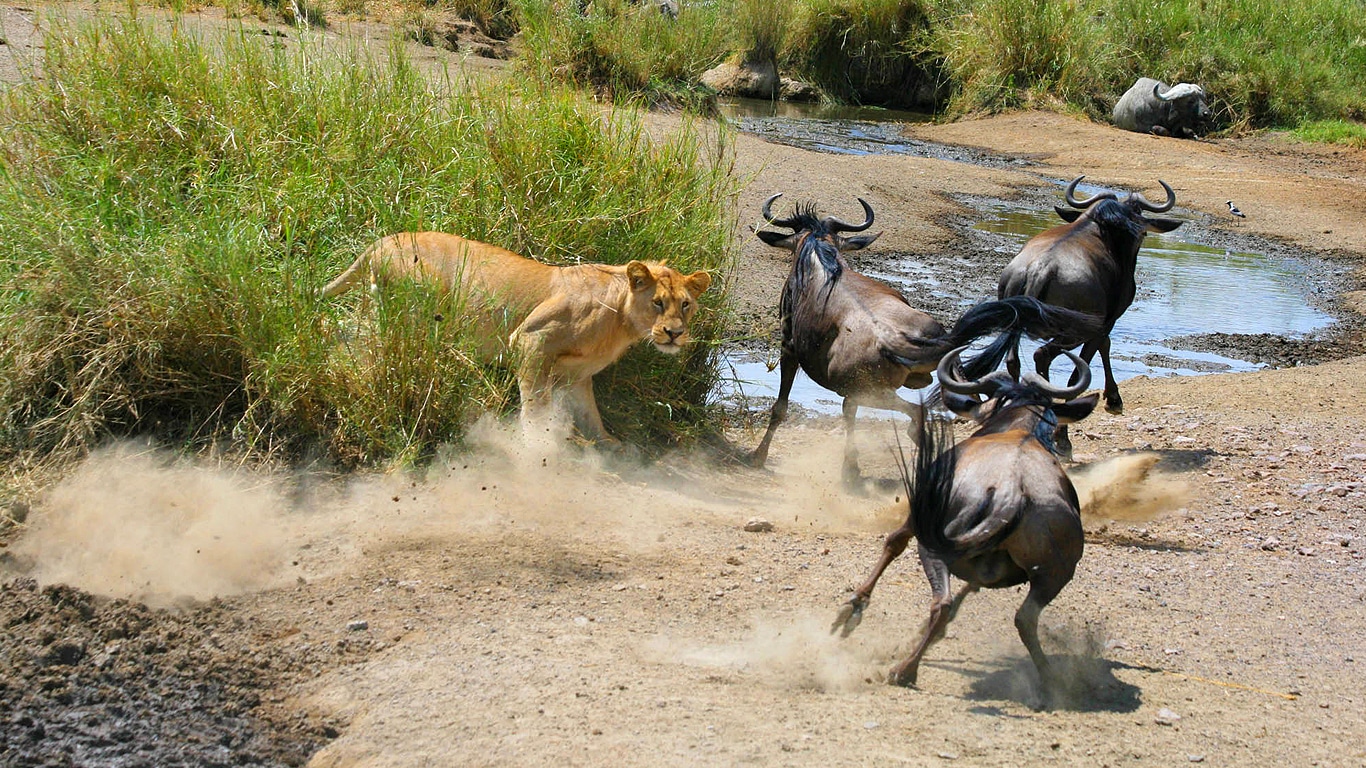
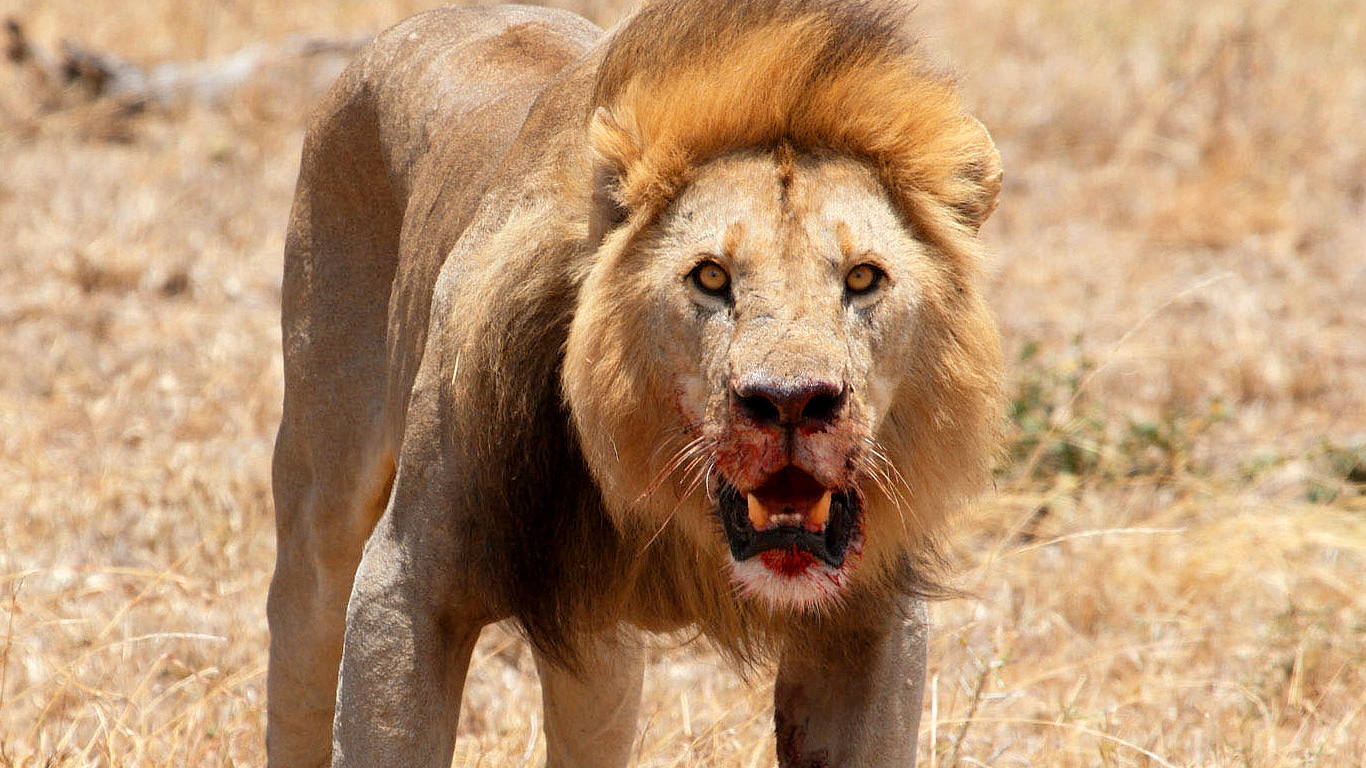
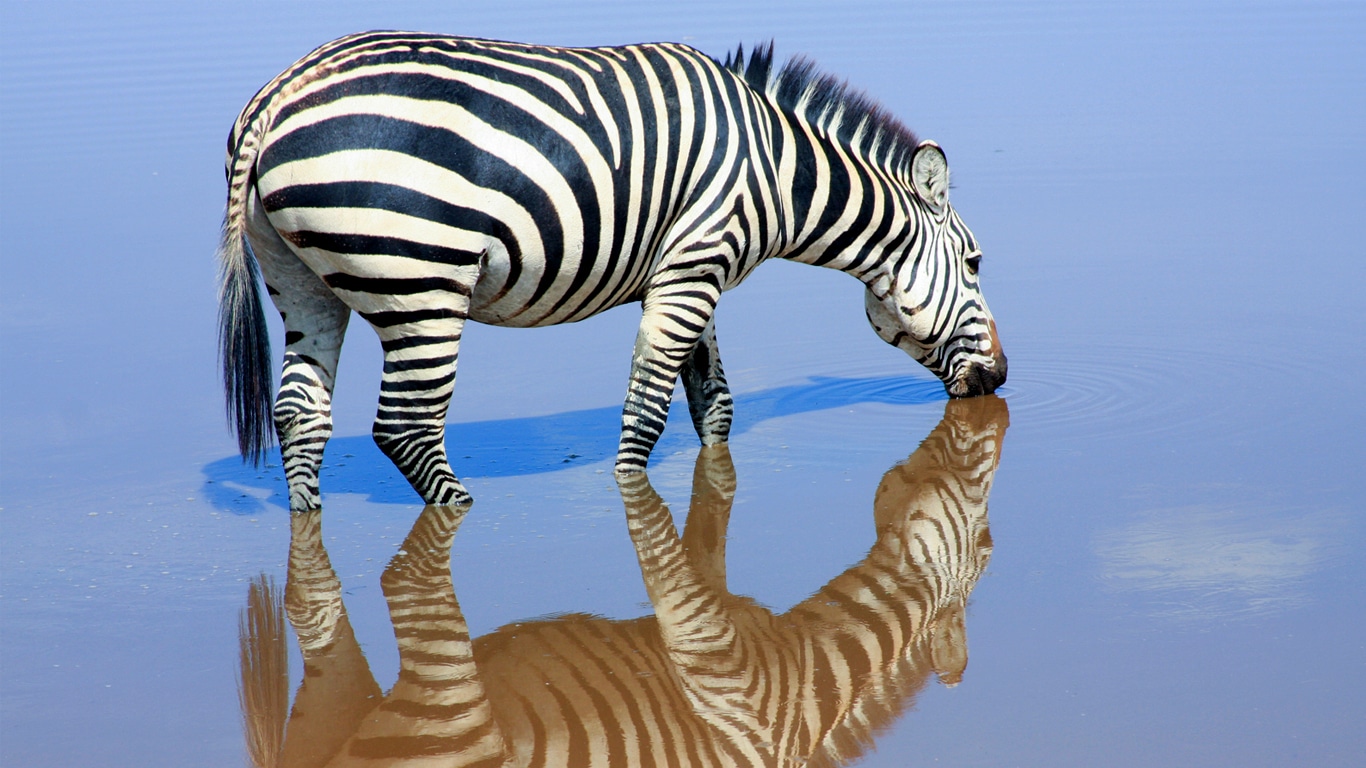
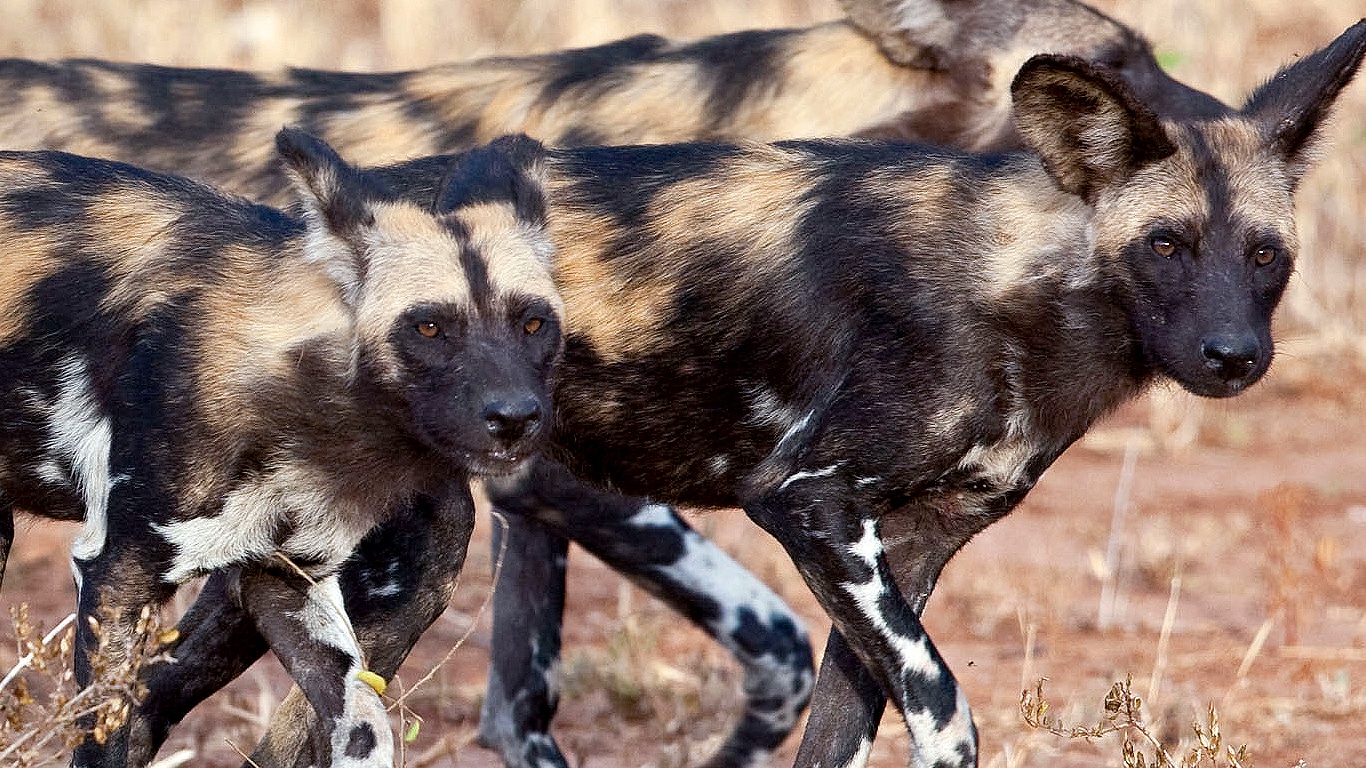
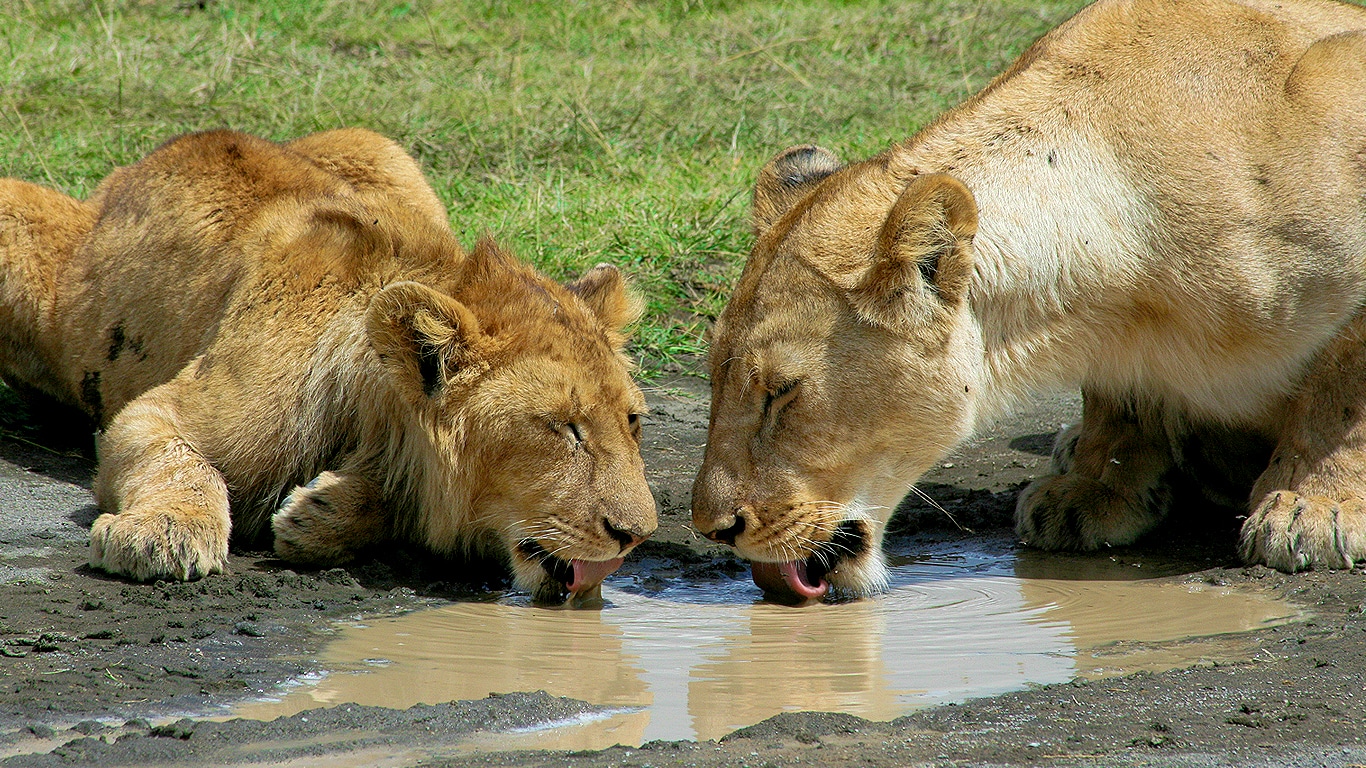
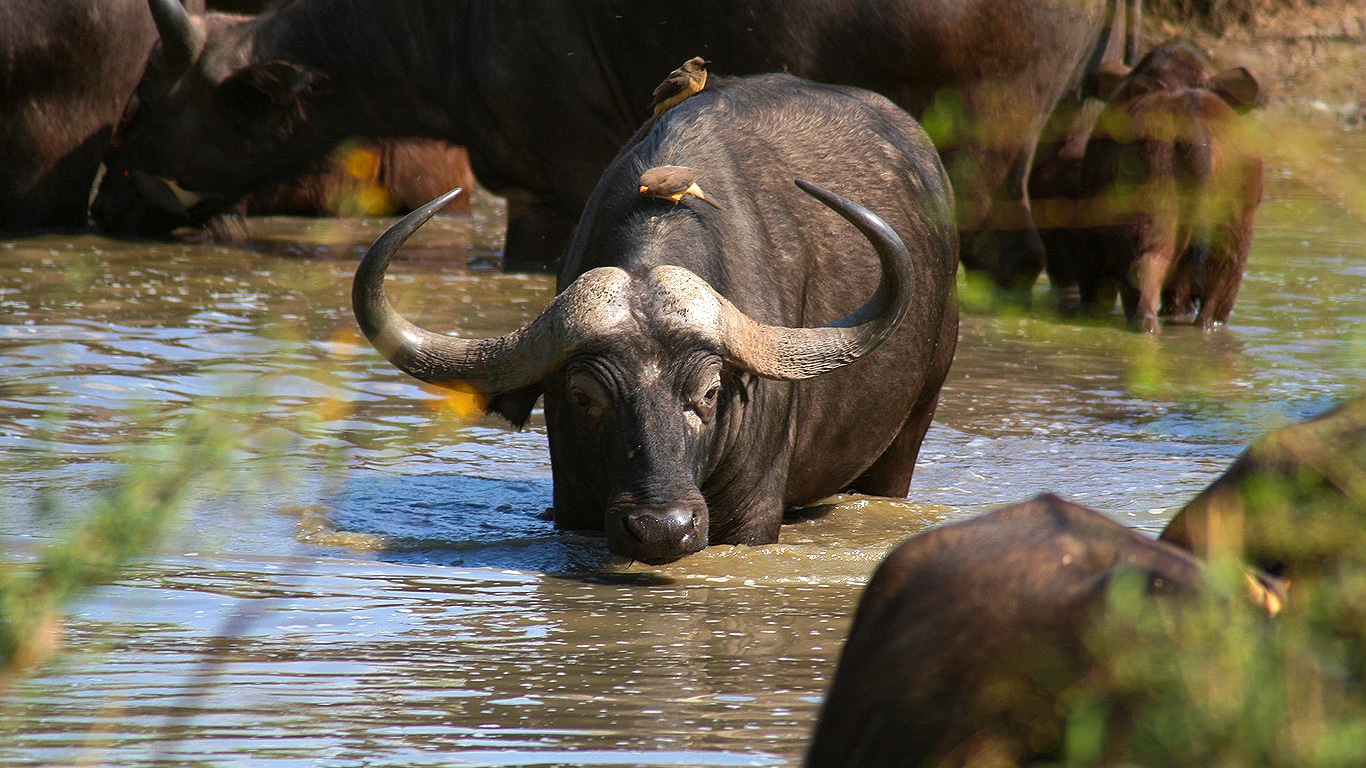
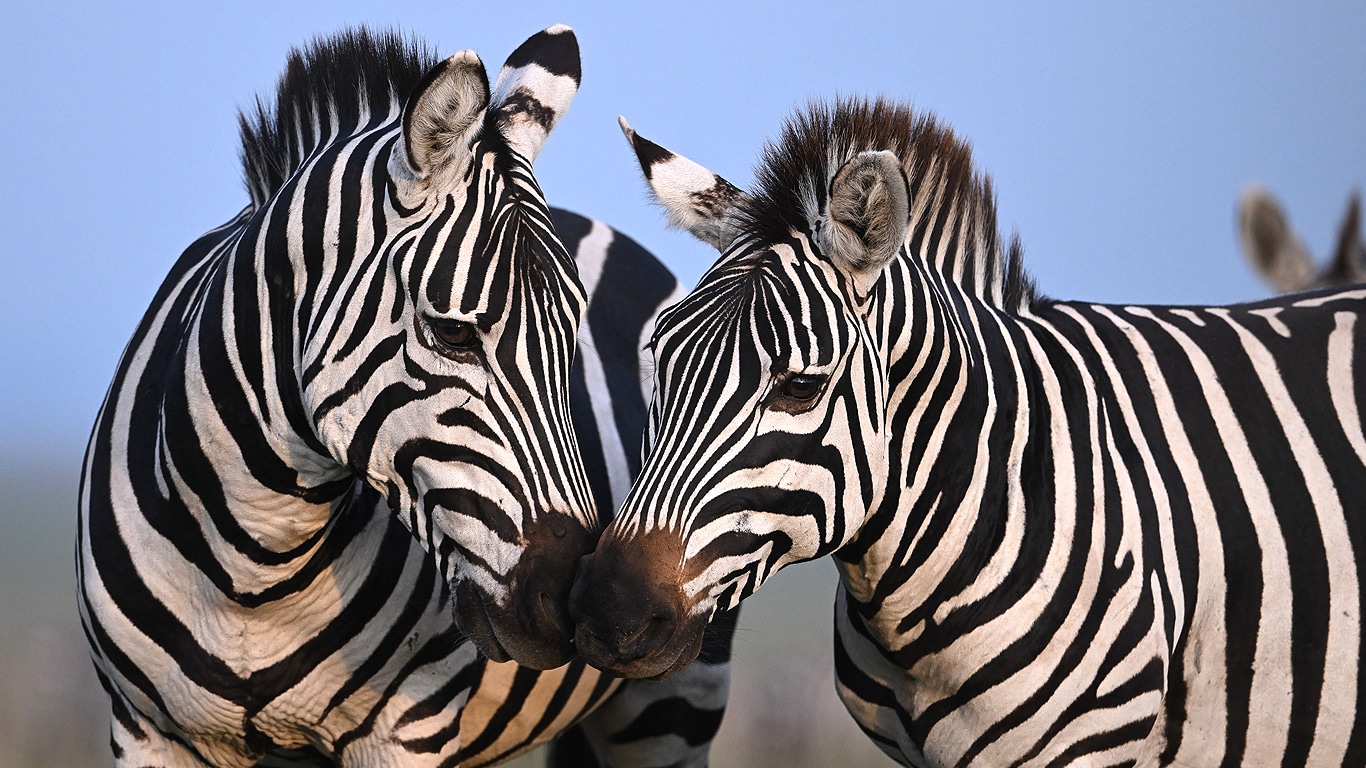
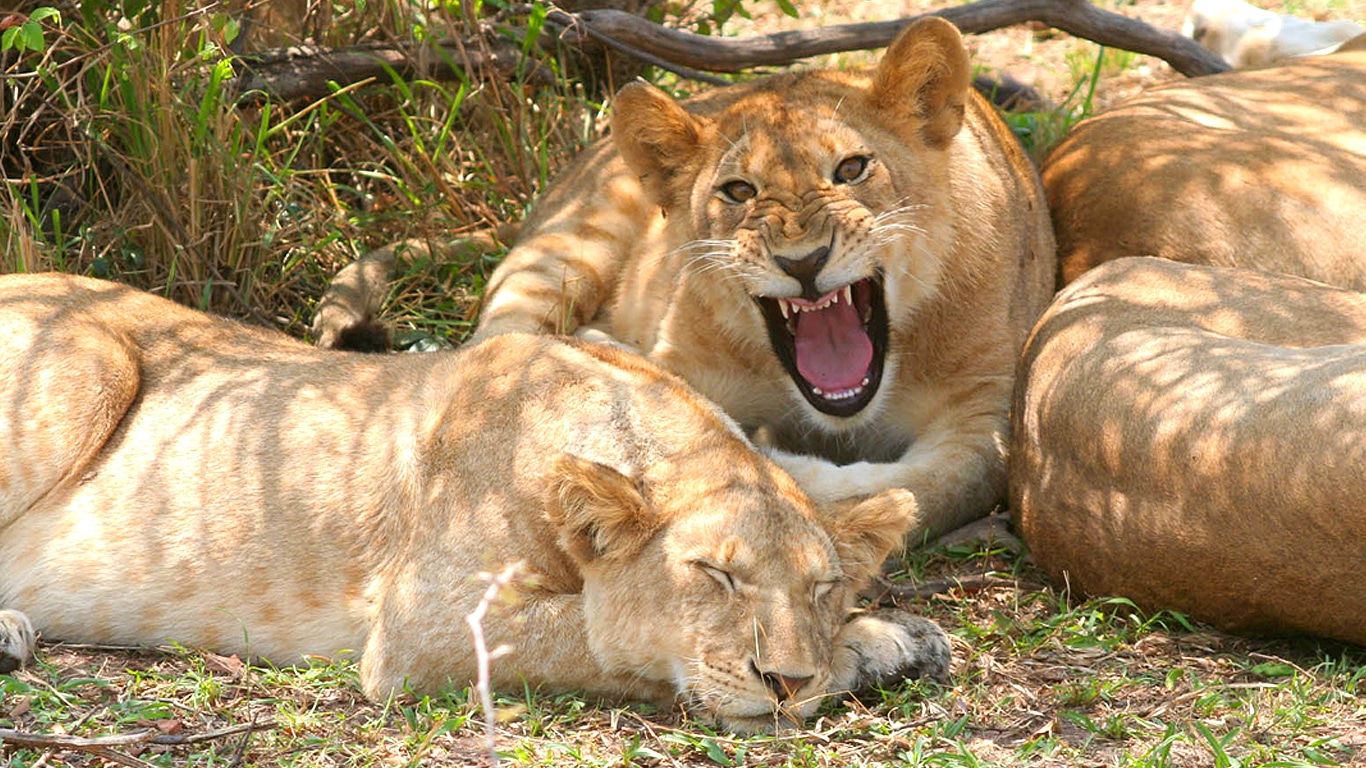
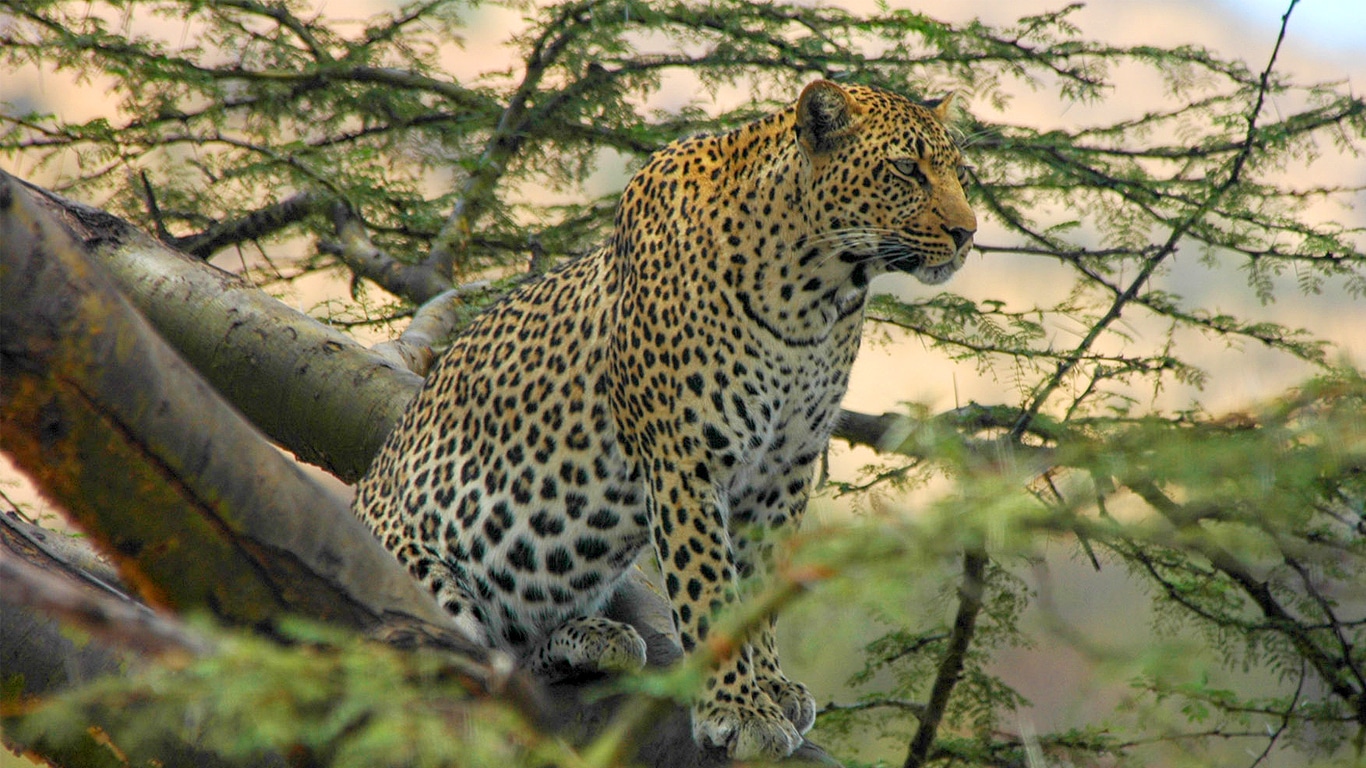
- The Predator Magnet: The concentration of wildebeest, zebra, buffalo, and impala creates a natural “smorgasbord” for lions and leopards. Hunts are frequently witnessed along the riverbanks as predators utilize the thick reeds and fever tree groves for ambush cover.
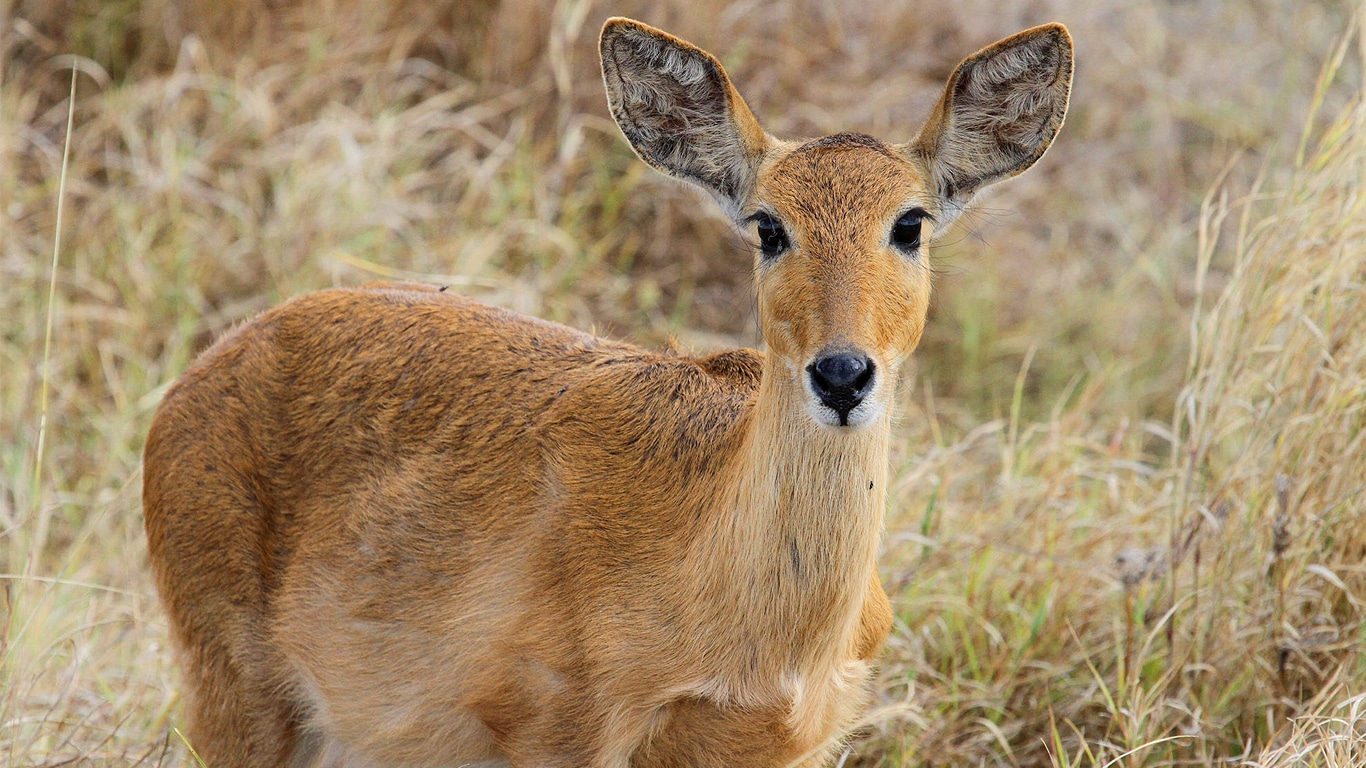
- The Reedbuck and the “Flag”: Look for the Bohor Reedbuck in the tall elephant grass near the water. Often confused with impala, they are distinguished by their sandy-red coats and a bushy tail that shows a white “flag” when they bound away with a unique “rocking horse” gait.
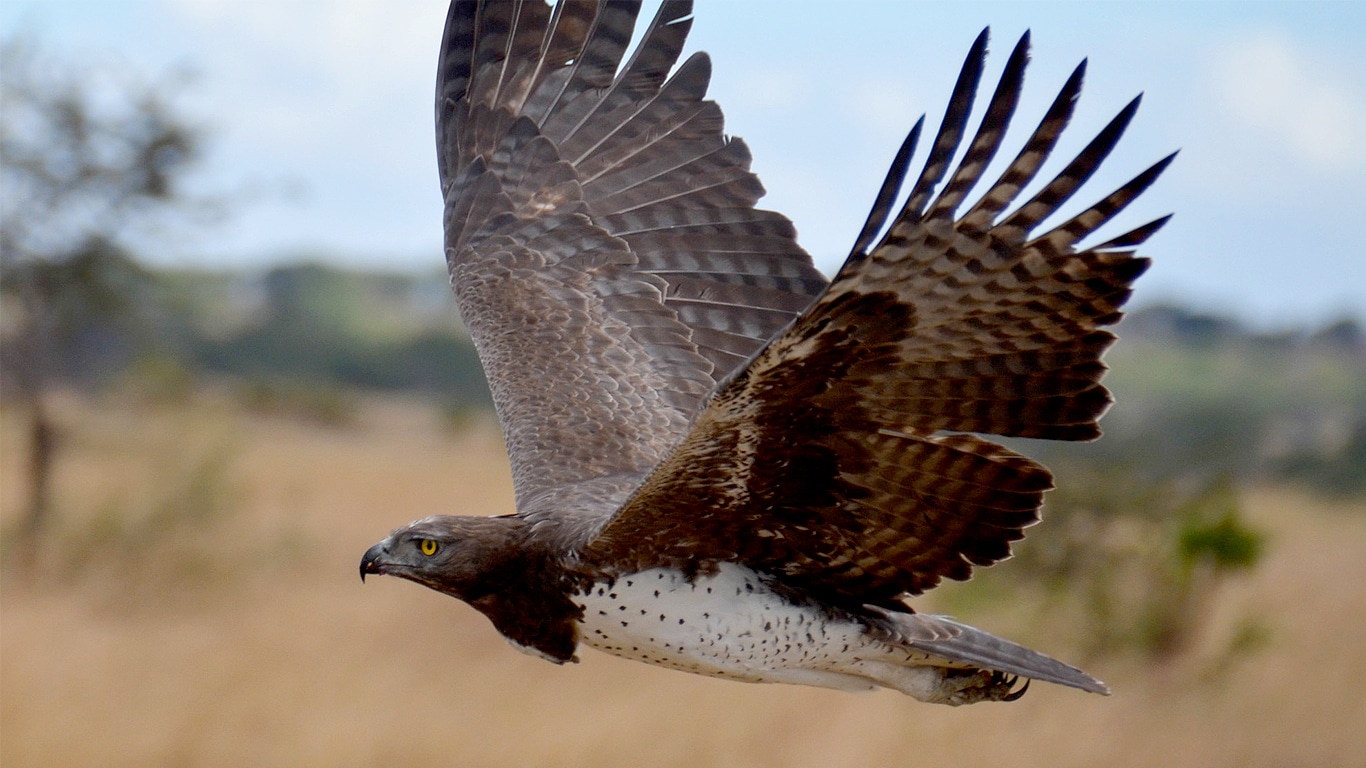
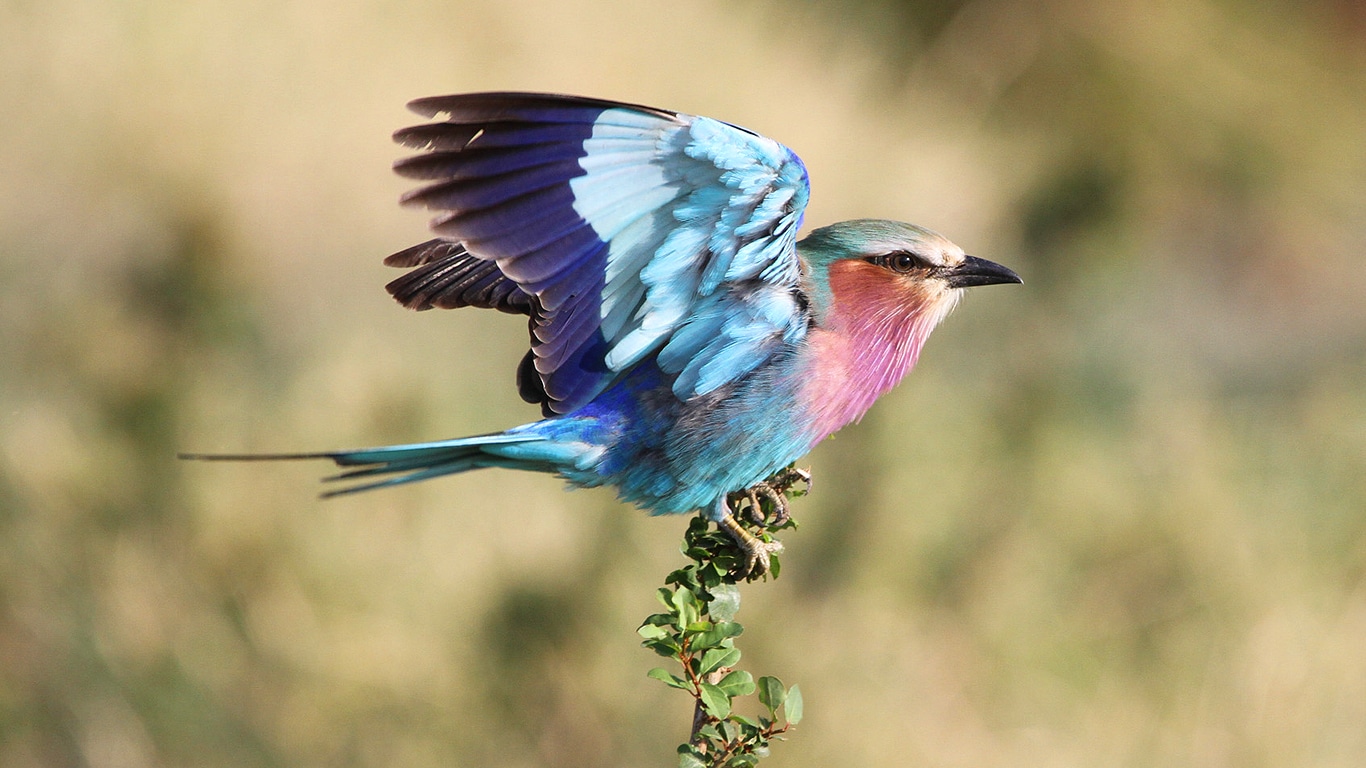
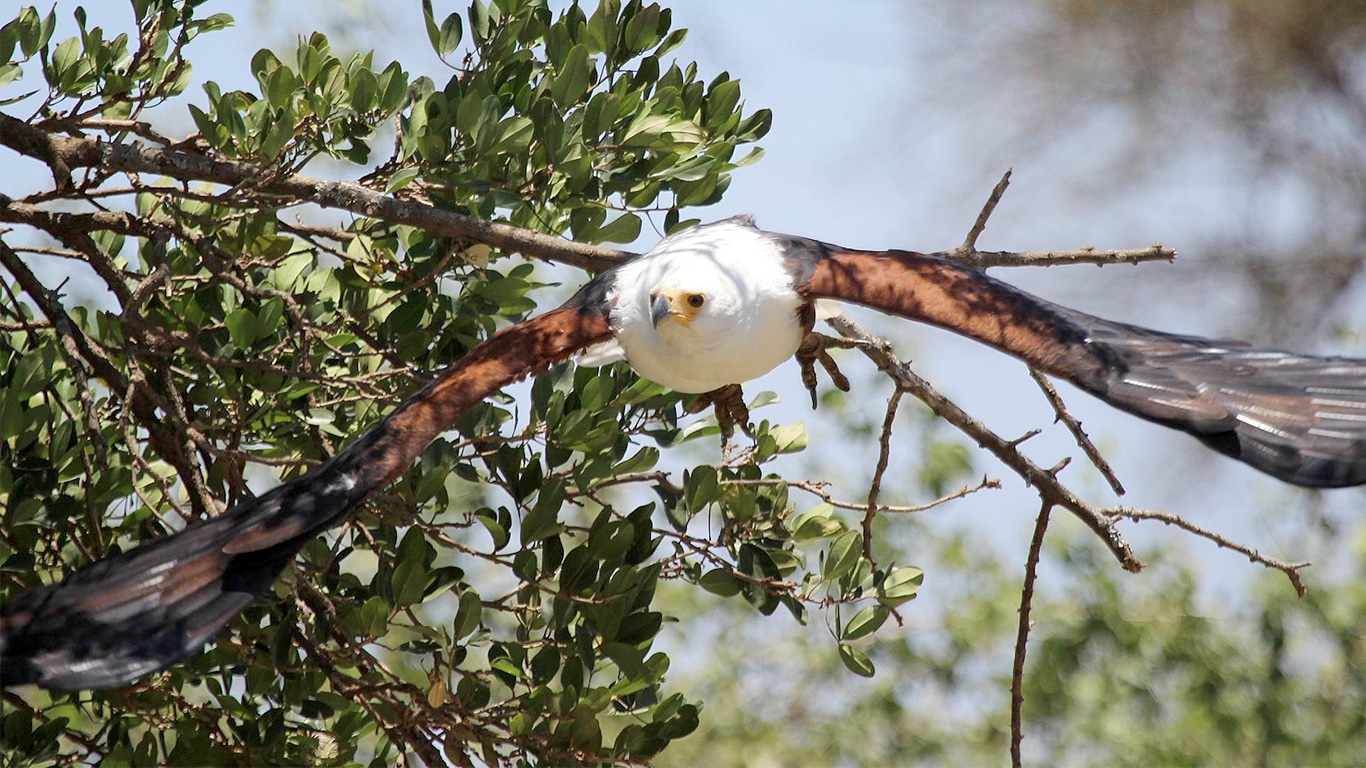
- Raptor Alley: The tall trees and high prey density make the river a top spot for birding, specifically for large raptors like the African Fish Eagle and the Tawny Eagle.
The Migration Cycle
Interestingly, Tarangire’s wildlife follows a cyclic migration based on soil chemistry. The park’s soil is naturally deficient in phosphorus, meaning that during the wet season, many animals must leave the park boundaries to search for mineral-rich forage in the surrounding Maasai Steppes. They return to the river only when the dry season makes the interior of the park the only viable source of water.
Seasonal Highlights
| Month | Season | Weather | Wildlife Sightings | Rec. |
|---|---|---|---|---|
| Jan | Green Season | 60 - 85 F Mostly sunny with few showers |
Elephant, Giraffe, Impala, Raptors | Yes |
| Feb | Green Season | 60 - 85 F Mostly sunny with few showers |
Elephant, Giraffe, Impala, Raptors | Yes |
| Mar | Green Season | 60 - 83 F Mostly sunny with few showers |
Elephant, Giraffe, Impala, Raptors | Yes |
| Apr | Green Season | 60 - 83 F Mostly sunny with few showers |
- - - - - | No |
| May | Northward Migration | 56 - 81 F Mostly sunny |
- - - - - | No |
| Jun | Beginning of Dry Season | 56 - 81 F Mostly sunny |
Elephant, Giraffe, Impala, Raptors | Yes |
| Jul | Dry Season | 60 - 83 F Mostly sunny |
Elephant, Wildebeest, Zebra, Lion, Giraffe, Impala, Raptors | Yes |
| Aug | Dry Season | 55 - 81 F Mostly sunny |
Elephant, Wildebeest Migration, Zebra, Lion, Giraffe, Impala, Raptors | Yes |
| Sep | Dry Season | 55 - 81 F Mostly sunny |
Elephant, Wildebeest, Zebra, Lion, Giraffe, Impala, Raptors | Yes |
| Oct | Dry Season | 60 - 83 F Mostly sunny |
Elephant, Wildebeest, Zebra, Lion, Giraffe, Impala, Raptors | Yes |
| Nov | Southward Migration | 60 - 83 F Mostly sunny with few showers |
Elephant, Lion, Giraffe, Impala, Raptors | Yes |
| Dec | Beginning of Green Season | 60 - 83 F Mostly sunny with few showers |
Elephant, Giraffe, Impala, Raptors | Yes |
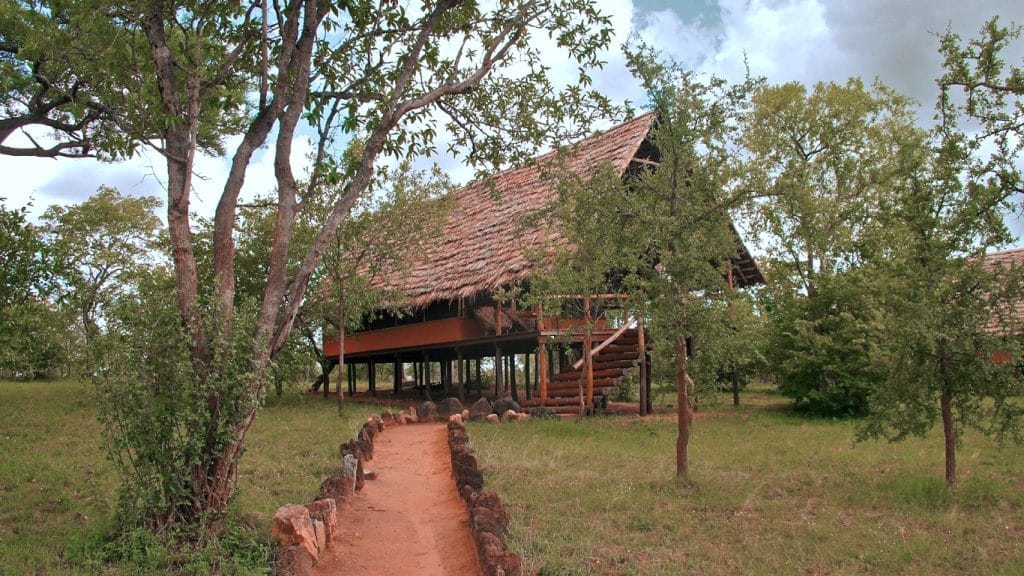
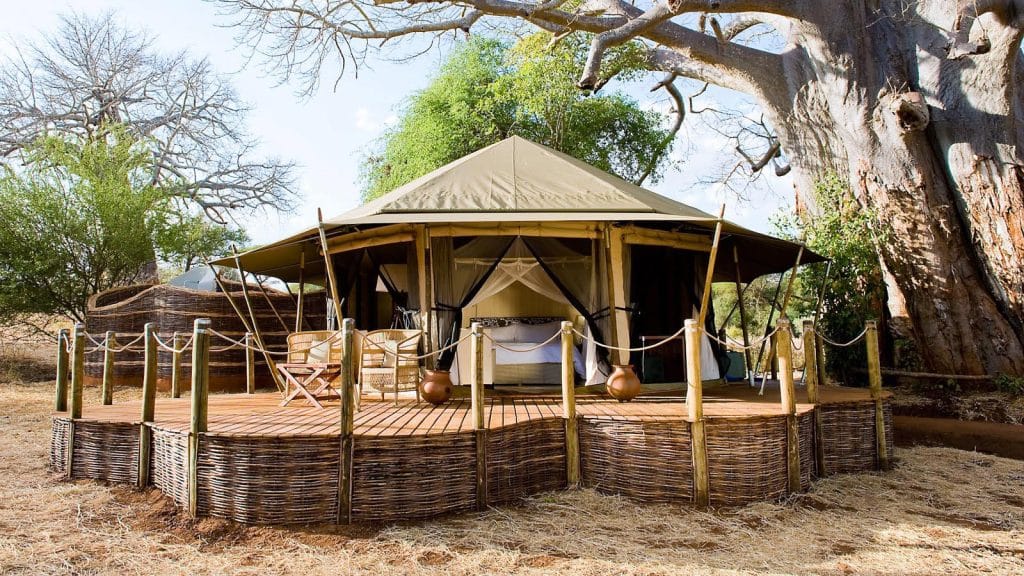
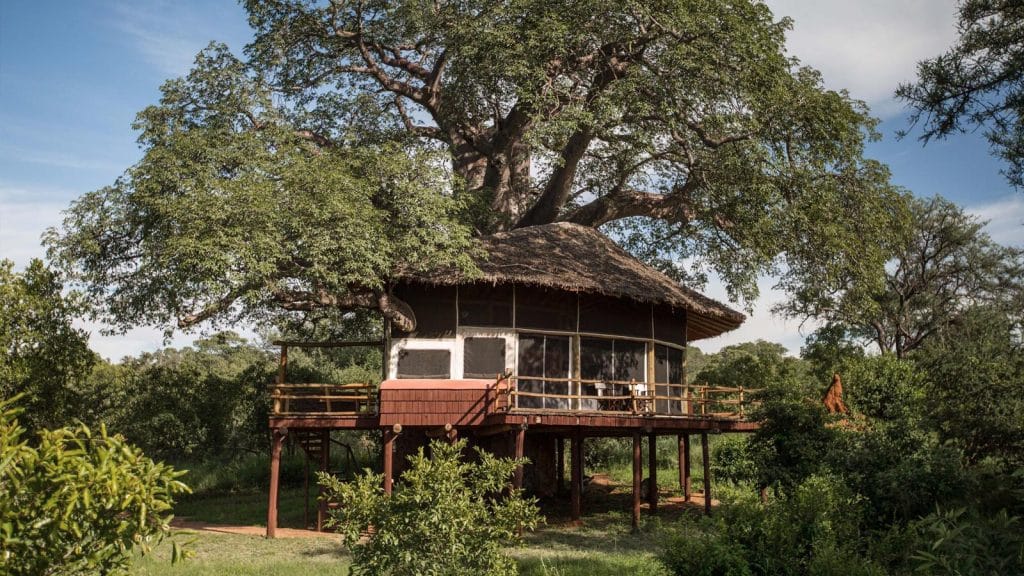
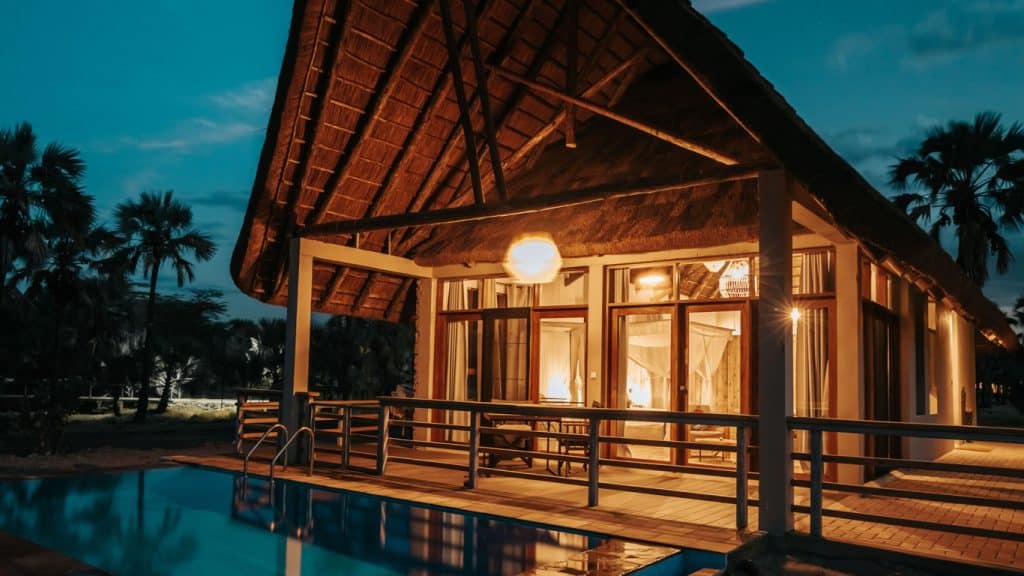
Nearby Lodges

Nearby Attractions


What are you waiting for?
Create Your Own Itinerary
Receive instant day-by-day trip details designed just for you including rates, seasonal highlights, guest testimonials, photos & more!
Get In Touch
Our Safari Specialists Are Ready to Help Kickstart Your Adventure
Toll-Free
US Office
31244 Palos Verdes Dr. West, Suite 239 Rancho Palos Verdes, CA 90275
Hours: Daily 8AM - 8PM PST
Drop Us A Line
Leave your contact info below